Space Availability for FCL Shipping from China to USA: 2025 Guide
Successfully managing your supply chain requires a deep understanding of space availability for FCL shipping from China to USA. Many importers face challenges with fluctuating capacity and rising costs, but Top China Forwarder offers the expertise needed to navigate these market shifts effectively. This comprehensive guide provides actionable insights into securing container space and optimizing your transit times for the year ahead.
Understanding the Current Market for FCL Shipping
Current market conditions in 2025 indicate that space availability for FCL shipping from China to USA remains subject to seasonal volatility and global economic shifts. Consequently, businesses must stay informed about carrier alliances and vessel schedules to avoid unexpected delays in their cargo movement.
Moreover, the demand for Full Container Load (FCL) services continues to grow as e-commerce and retail sectors expand their reach. Therefore, understanding the nuances of ocean freight rates and booking windows is essential for maintaining a competitive edge in the American market.
Specifically, major ports such as Shanghai and Ningbo often experience congestion during peak periods, which directly impacts the number of available slots on outbound vessels. As a result, shippers are encouraged to plan their logistics strategies at least four to six weeks in advance.
Furthermore, global events and environmental regulations are influencing how carriers manage their fleets. Indeed, these factors contribute to the complexity of securing reliable space for high-volume shipments across the Pacific Ocean.
How Does FCL Shipping Compare to Other Shipping Options?
Choosing the right method depends heavily on your budget, timeline, and cargo volume. While sea freight is the most common choice for FCL, alternative strategies can provide flexibility when space becomes limited.
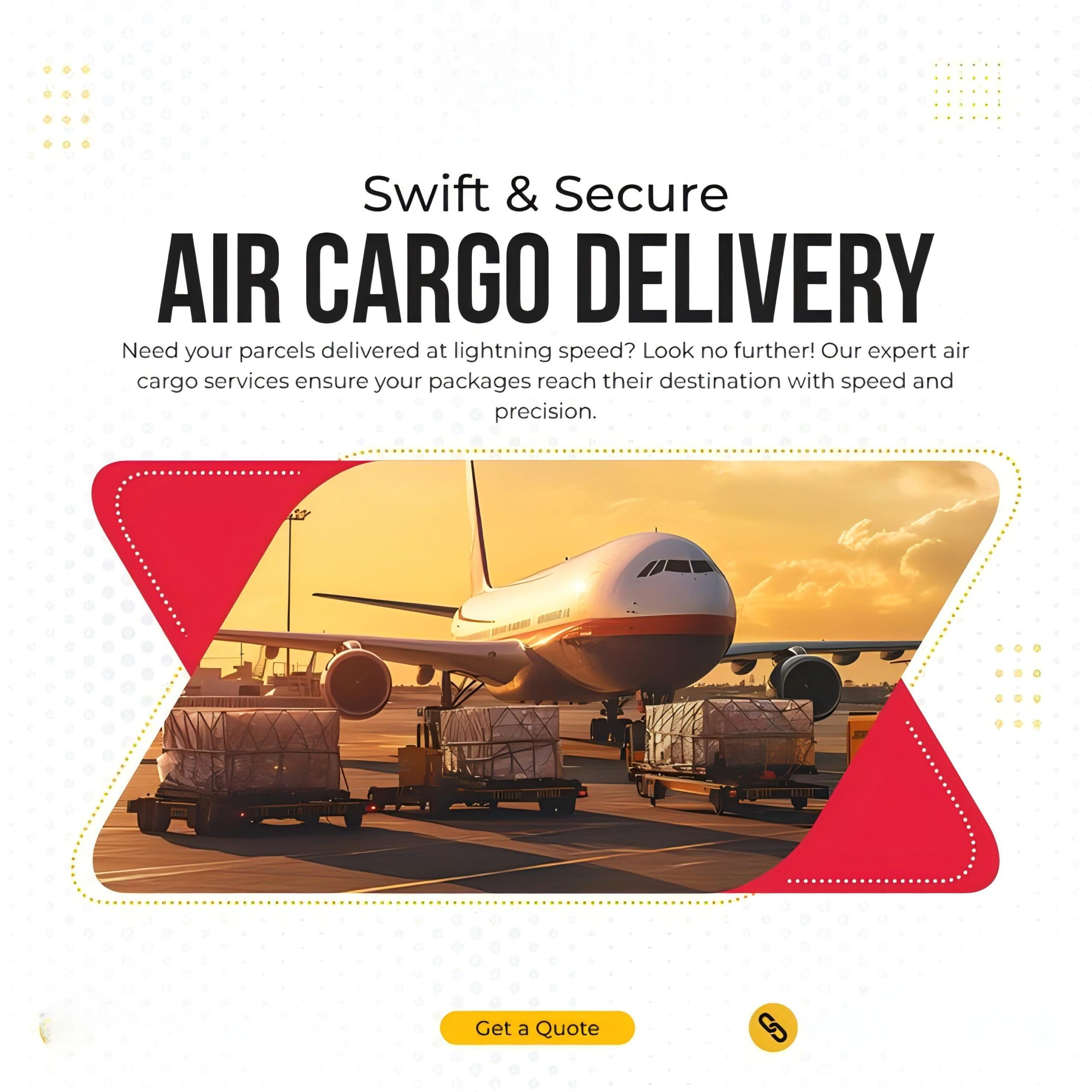
Additionally, comparing FCL with Less than Container Load (LCL) or air freight helps determine the most cost-effective solution for your specific needs. In contrast to FCL, LCL allows you to share space, though it may involve longer handling times at consolidation hubs.
Ultimately, the decision should be based on a balance of speed and expenditure. For instance, high-value electronics might justify the higher cost of air transport, whereas bulk furniture is better suited for the high capacity of FCL containers.
| Shipping Method | Cost Range (USD) | Transit Time | Best For | Limitations |
|---|---|---|---|---|
| FCL 40HQ | 3,500 – 5,500 | 15-35 Days | Large volumes | Requires full container |
| LCL per CBM | 150 – 300 | 20-40 Days | Small shipments | Higher risk of damage |
| Air Freight | 5.00 – 9.00/kg | 3-7 Days | Urgent goods | Very expensive |
| Express | 7.00 – 12.00/kg | 2-5 Days | Samples/Docs | Weight limits |
Why is Space Availability for FCL Shipping from China to USA So Volatile?
Several factors contribute to the unpredictable nature of container capacity in the trans-Pacific trade lane. For example, blank sailings occur when carriers cancel scheduled stops to manage capacity and maintain freight rates, which significantly reduces available space.
Furthermore, seasonal peaks such as the period leading up to the Lunar New Year or the Q3 peak season for holiday inventory create immense pressure on vessel capacity. Consequently, shippers often face rolled cargo if they do not have confirmed bookings.
In addition, port labor disputes or infrastructure upgrades at major US gateways like Los Angeles or Savannah can cause backlogs. Meanwhile, equipment shortages in inland China cities can prevent containers from reaching the ports on time for scheduled departures.
Nevertheless, working with an experienced NVOCC can help mitigate these risks by providing access to multiple carrier contracts. This diversity ensures that if one carrier has no space, alternative options remain available for your shipment.
Transit Times and Regional Port Analysis
The destination port in the USA significantly influences both the transit time and the cost of your FCL shipment. Generally, shipments to the West Coast are faster and cheaper than those heading to the East Coast or the Gulf Coast due to geographical proximity.
Moreover, efficient customs brokerage services are vital for ensuring that once the vessel arrives, the cargo is cleared without unnecessary storage fees. Indeed, delays at the port of discharge can be as disruptive as delays at the port of loading.
Consequently, choosing between a direct service and a transshipment route involves a trade-off between cost and reliability. While transshipment might save money, it increases the risk of delays at intermediate hubs like Busan or Kaohsiung.
| Route | Port of Loading | Port of Discharge | Average Transit |
|---|---|---|---|
| China to West Coast | Shenzhen | Los Angeles | 14-18 Days |
| China to East Coast | Shanghai | New York | 30-35 Days |
| China to Gulf Coast | Ningbo | Houston | 35-42 Days |
| China to PNW | Qingdao | Seattle | 16-20 Days |
Strategies to Secure Space During Peak Seasons
To ensure consistent space availability for FCL shipping from China to USA, implementing a proactive booking strategy is essential. For instance, providing a rolling forecast to your freight forwarder allows them to reserve space in advance with major carriers.
Additionally, utilizing door to door services can simplify the process by allowing a single provider to manage the entire movement from the factory to the final warehouse. This integrated approach often results in better priority during space crunches.
Furthermore, diversifying your ports of loading can provide more options when a primary hub is congested. For example, if Shanghai is overbooked, checking availability at the Port of Xiamen or Qingdao might yield better results for your timeline.
Finally, consider signing long-term service contracts if your volume is consistent. These agreements often include space guarantees that protect your business from the volatility of the spot market during high-demand periods.
Case Study 1: Electronics Shipment from Shenzhen to Los Angeles
Case Study 1: High-Volume Electronics Distribution. Route: Shenzhen, China to Los Angeles, USA. Cargo: Consumer electronics, 68 CBM, 12,000 kg. Container: 40HQ. Carrier: Major carrier. Port of Loading: Yantian. Port of Discharge: Los Angeles. Route Type: Direct.
Cost Breakdown: Ocean Freight: 3,850 USD. Origin Charges: 450 USD. Destination Charges: 600 USD. Customs and Duties: 2,200 USD. Total Landed Cost: 7,100 USD. Timeline: Booking to Loading: 5 days. Sea Transit: 15 days. Customs Clearance: 2 days. Total Door-to-Door: 22 days.
Key Insight: By booking three weeks in advance during the Q3 peak, the client secured space at a fixed rate, avoiding a 15 percent spot market surge that occurred just days before departure.
Case Study 2: Furniture Import from Ningbo to Savannah
Case Study 2: Seasonal Furniture Inventory. Route: Ningbo, China to Savannah, USA. Cargo: Outdoor furniture, 28 CBM, 8,500 kg. Container: 20GP. Carrier: COSCO. Port of Loading: Ningbo. Port of Discharge: Savannah. Route Type: All-Water via Panama Canal.
Cost Breakdown: Ocean Freight: 3,200 USD. Origin Charges: 400 USD. Destination Charges: 550 USD. Customs and Duties: 1,100 USD. Total Landed Cost: 5,250 USD. Timeline: Booking to Loading: 7 days. Sea Transit: 32 days. Customs Clearance: 3 days. Total Door-to-Door: 42 days.
Key Insight: Utilizing the all-water route to the East Coast avoided the high trucking costs from the West Coast, despite the longer transit time on the water.

How to Secure Better Space Availability for FCL Shipping from China to USA
Communication with your suppliers is the first step in optimizing space availability. Specifically, ensuring that cargo is ready exactly when the vessel is scheduled to load prevents costly missed sailings and the need for re-booking.
Moreover, using express service options for urgent components can keep production lines running while the bulk of your FCL shipment is in transit. This hybrid approach balances cost and speed effectively.
In addition, digital freight platforms now provide real-time visibility into vessel capacity. By leveraging these tools, shippers can make data-driven decisions about which carriers are currently offering the most reliable space availability for FCL shipping from China to USA.
Consequently, staying flexible with your delivery dates can often lead to better pricing. If you can move your shipment by just a few days, you may find a vessel with more open slots and lower freight rates.
Alternative Shipping Strategies and Hybrid Solutions
When ocean space is completely blocked, considering air freight for a portion of your inventory can prevent stockouts. While more expensive, the speed of air transport is an excellent insurance policy against supply chain disruptions.
Furthermore, sea-air combined services via hubs like Dubai or Incheon can offer a middle ground. These routes are faster than standard sea freight but significantly cheaper than pure air freight, providing a strategic alternative during peak seasons.
Additionally, transloading at the West Coast is a popular strategy. Instead of shipping a container all the way to the East Coast, the cargo is unloaded in California and moved via truck or rail, which can save up to two weeks of transit time.
Ultimately, a resilient supply chain relies on having multiple contingency plans. Whether it is using different ports or switching between FCL and LCL, flexibility is the key to managing space availability for FCL shipping from China to USA.
Which Option Should You Choose? Decision Framework
Determining the best shipping strategy requires evaluating your specific business priorities. If your primary goal is cost reduction, then FCL via all-water routes to the nearest port is usually the best recommendation.
On the other hand, if speed is the priority, prioritizing West Coast ports combined with expedited trucking is the most effective route. For extremely urgent cargo, air freight remains the only viable solution despite the high cost.
Regarding cargo type, heavy or bulky items should always remain in FCL containers to minimize handling risks. In contrast, lightweight or high-value goods may benefit from the security and speed of air or express services.
Note: Freight rates are subject to change based on fuel costs, carrier capacity, and seasonal demand. Contact us for a current quote tailored to your specific shipment.
Final Thoughts on FCL Shipping Capacity
Navigating the complexities of global trade requires constant vigilance and strategic planning. By understanding the factors that influence space availability for FCL shipping from China to USA, you can better protect your business from delays and rising costs.
In summary, the key to success lies in early booking, diversifying your shipping routes, and working with a trusted logistics partner. As market conditions evolve in 2025, staying adaptable will ensure your cargo reaches its destination efficiently and affordably.
Ready to streamline your logistics?
Are you ready to optimize your supply chain and secure reliable space availability for FCL shipping from China to USA? Contact our expert team today for a customized quote and professional guidance on your next shipment. Send Inquiry: https://topchinaforwarder.com
Request Quote