

China FCL Warehouse Consolidation to Ireland: The 2025 Logistics Guide
Managing international trade requires a robust strategy for moving goods across the globe efficiently. Businesses looking to optimize their supply chain often turn to Top China Forwarder for expert logistics solutions. China FCL warehouse consolidation to Ireland has emerged as a premier choice for importers seeking to balance cost-effectiveness with security. This comprehensive guide explores how you can leverage consolidation to streamline your operations and reduce overhead expenses.
Why Choose China FCL Warehouse Consolidation to Ireland?
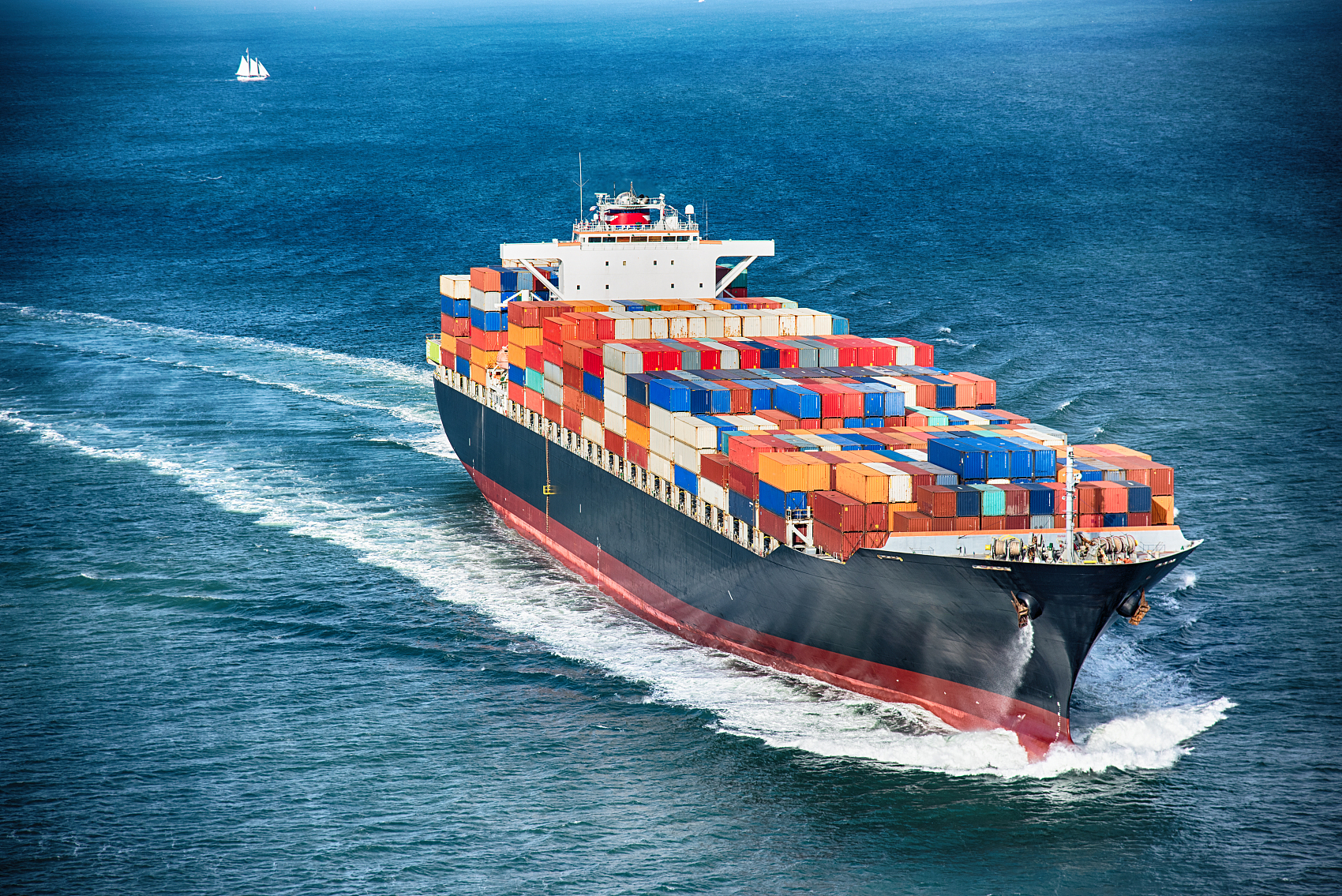
Shipping a full container load offers unparalleled security for your valuable merchandise. When you utilize sea freight services, your goods remain sealed from the point of origin until they reach the final destination. This method significantly reduces the risk of damage or loss compared to shared shipping options. Furthermore, FCL shipping often results in faster transit times because the container does not need to be opened for sorting at intermediate hubs.
Consolidation adds another layer of efficiency to this process. By gathering goods from multiple suppliers into a single container, you maximize every cubic meter of space. Consequently, your total landed cost per unit decreases, providing a competitive edge in the Irish market. Indeed, many successful retailers in Dublin and Cork rely on this strategy to maintain high profit margins while ensuring stock availability.
Moreover, the reliability of scheduled departures from major Chinese ports like Shanghai and Shenzhen ensures a predictable delivery schedule. You can plan your inventory replenishment with confidence, knowing exactly when your container will arrive. Therefore, choosing China FCL warehouse consolidation to Ireland is not just about moving boxes; it is about building a resilient supply chain.
How Does FCL Warehouse Consolidation Compare to Other Shipping Options?
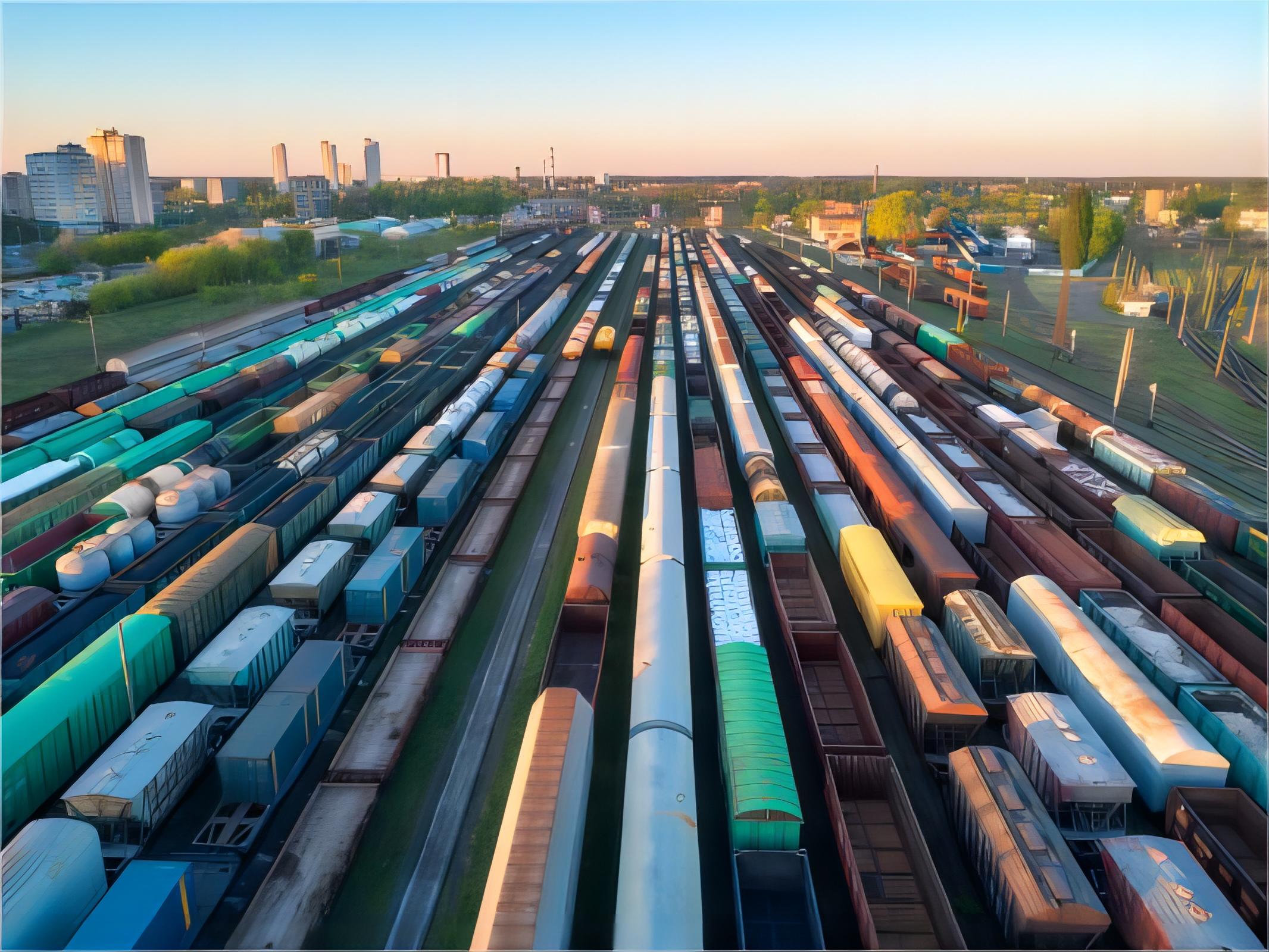
Evaluating the best shipping method requires an objective look at cost, speed, and volume. While FCL is ideal for large shipments, other methods might suit smaller or more urgent needs. For instance, air freight provides the fastest delivery but comes at a significantly higher price point. Meanwhile, rail options are currently limited for direct routes to Ireland due to geographical constraints.
Importers must weigh the benefits of speed against the necessity of budget control. For shipments exceeding 15 cubic meters, FCL consolidation is almost always more economical than LCL. On the other hand, if you only have a few pallets, LCL might be the pragmatic choice despite the longer handling times. Shipping to Europe involves complex routing, making the choice of method critical for your bottom line.
Additionally, hybrid solutions like sea-air combinations can offer a middle ground for specific scenarios. However, for the majority of bulk consumer goods, the sea route remains the most sustainable and cost-effective path. We have provided a comparison table below to help you visualize these differences clearly.
| Shipping Method | Cost Range (USD) | Transit Time | Best For |
|---|---|---|---|
| FCL (20GP/40HQ) | 2,500 – 4,500 | 30-40 Days | High Volume Goods |
| LCL (Per CBM) | 80 – 150 | 35-45 Days | Small Shipments |
| Air Freight (Per KG) | 5.00 – 9.00 | 5-10 Days | Urgent Samples |
| Express Service | 8.00 – 12.00 | 3-6 Days | Small Documents |
Key Steps in the China FCL Warehouse Consolidation Process
The process begins with the collection of goods from your various suppliers across China. Our team coordinates with each factory to ensure timely delivery to a centralized consolidation warehouse. Once all items arrive, we perform a thorough inspection to verify cargo handling standards and documentation accuracy. This proactive approach prevents delays during the export process.
Loading the container is a precise task that requires expert planning. We utilize advanced software to calculate the optimal loading pattern, ensuring maximum space utilization and weight distribution. As a result, the risk of cargo shifting during the long ocean voyage is minimized. After loading, the container is sealed with a high-security bolt seal, and the unique seal number is recorded on the bill of lading.
Transportation to the port of loading follows the completion of the consolidation phase. Major ports such as Ningbo, Qingdao, and Guangzhou serve as the primary gateways for Irish-bound cargo. During this stage, we handle all export customs formalities to ensure a smooth departure. Without a doubt, professional oversight at this stage is essential for avoiding costly port storage fees.
Understanding Shipping Costs and Freight Rates for 2025
Freight rates are influenced by several global factors, including fuel surcharges and carrier capacity. As of early 2025, market data suggests that rates from China to Ireland have stabilized following previous disruptions. However, seasonal demand spikes during the Golden Week and the lead-up to Christmas can still cause temporary price increases. Planning your shipments at least 4-6 weeks in advance is highly recommended to secure the best rates.
Origin and destination charges also play a significant role in the total landed cost. These include Terminal Handling Charges (THC), documentation fees, and port security surcharges. In addition, you must account for the cost of trucking from the warehouse to the port and from the Irish port to your final warehouse. Consequently, a transparent quote should always include these local costs to avoid surprises.
Market intelligence indicates that 40HQ containers currently offer the best value for high-volume importers. While the upfront cost is higher than a 20GP, the cost per cubic meter is significantly lower. For instance, a 40HQ provides roughly double the capacity of a 20GP for only a 30 to 40 percent increase in freight cost. See the table below for typical rate ranges observed in the current market.
| Route (China to Ireland) | 20GP Rate (USD) | 40HQ Rate (USD) | Typical Transit |
|---|---|---|---|
| Shenzhen to Dublin | 2,100 – 2,600 | 3,400 – 4,200 | 32-36 Days |
| Shanghai to Cork | 2,200 – 2,700 | 3,500 – 4,300 | 35-40 Days |
| Ningbo to Dublin | 2,150 – 2,650 | 3,450 – 4,250 | 34-38 Days |
Price Disclaimer
Note: Freight rates are subject to change based on fuel costs, carrier capacity, and seasonal demand. Contact us for a current quote tailored to your specific shipment.
Navigating Irish Customs and Import Regulations
Clearing customs in Ireland requires a deep understanding of EU trade regulations and local Irish Revenue requirements. Every shipment must be accompanied by a comprehensive set of documents, including a commercial invoice, packing list, and bill of lading. Utilizing professional customs brokerage services is highly recommended to navigate these complexities. Failure to provide accurate information can lead to significant delays and heavy fines.
Importers must also be aware of the Economic Operators Registration and Identification (EORI) number. This unique identification number is mandatory for all businesses importing goods into Ireland from outside the EU. Furthermore, specific products may require additional certifications, such as CE marking for electronics or phytosanitary certificates for wood products. Indeed, staying compliant is the only way to ensure your supply chain remains uninterrupted.
Value Added Tax (VAT) and Customs Duty are the two primary financial obligations at the point of entry. The duty rate depends on the HS Code of the products, while VAT is generally applied at the standard Irish rate of 23 percent. However, many businesses utilize postponed VAT accounting to improve cash flow. This allows you to account for the VAT on your periodic return rather than paying it at the time of import.
Real-World Case Studies: China to Ireland Logistics
Examining real-world examples provides valuable insight into the practical challenges and successes of international shipping. These cases highlight how strategic planning and professional freight forwarding can lead to significant cost savings. Whether you are shipping electronics or furniture, the principles of efficient consolidation remain the same.
+———————————————————+ | Case Study 1: Electronics from Shenzhen to Dublin | | Route: Shenzhen, China to Dublin, Ireland | | Cargo: Consumer Electronics, 68 CBM, 14,000 kg | | Container: 40HQ | | Shipping Details: | | – Carrier: Maersk | | – Port of Loading: Shenzhen | | – Port of Discharge: Dublin | | – Route Type: Direct via Rotterdam Transshipment | | Cost Breakdown: | | – Ocean Freight: 3,950 USD | | – Origin Charges: 480 USD | | – Destination Charges: 650 USD | | – Customs and Duties: 1,500 USD | | – Total Landed Cost: 6,580 USD | | Timeline: | | – Booking to Loading: 6 days | | – Sea Transit: 35 days | | – Customs Clearance: 2 days | | – Total Door-to-Door: 43 days | | Key Insight: Consolidating items from four suppliers | | into one 40HQ saved the client 1,200 USD in LCL fees. | +———————————————————+
+———————————————————+ | Case Study 2: Home Textiles from Ningbo to Cork | | Route: Ningbo, China to Cork, Ireland | | Cargo: Bedding and Curtains, 28 CBM, 8,000 kg | | Container: 20GP | | Shipping Details: | | – Carrier: COSCO | | – Port of Loading: Ningbo | | – Port of Discharge: Cork | | – Route Type: Transshipment via Antwerp | | Cost Breakdown: | | – Ocean Freight: 2,400 USD | | – Origin Charges: 400 USD | | – Destination Charges: 550 USD | | – Customs and Duties: 800 USD | | – Total Landed Cost: 4,150 USD | | Timeline: | | – Booking to Loading: 5 days | | – Sea Transit: 38 days | | – Customs Clearance: 1 day | | – Total Door-to-Door: 44 days | | Key Insight: Using a 20GP for a near-full load provided | | better security than LCL for fragile textile packaging. | +———————————————————+

Strategic Alternatives for Irish Importers
While sea freight is the backbone of China-Ireland trade, alternative strategies can be used to mitigate risks or meet tight deadlines. For example, if a production delay occurs, you might ship 10 percent of your order via air freight and the remaining 90 percent via FCL. This hybrid approach ensures you have enough stock to meet immediate demand while keeping the majority of your transport costs low.
Another alternative is transshipment via major European hubs like Rotterdam or Antwerp. While direct calls to Dublin are less frequent for the largest vessels, feeder services from these hubs are highly efficient. Consequently, you may find that transshipment routes offer more frequent departure options than direct services. Choosing a door to door service provider ensures that these complex handovers are managed seamlessly.
Furthermore, some businesses explore the use of bonded warehouses in China to manage their inventory levels more effectively. By storing goods in a tax-free zone, you can delay the export process until market conditions are most favorable. This strategy is particularly useful for managing seasonal fluctuations in demand for products like fashion or seasonal decorations.
Which Shipping Option Should You Choose?
Determining the right shipping method depends on your specific business priorities. If budget is your primary concern and you have a high volume of goods, China FCL warehouse consolidation to Ireland is the clear winner. This method offers the lowest cost per unit and the highest level of cargo protection. Conversely, if you are launching a new product and only have small quantities, LCL may be the better starting point.
Speed-sensitive cargo, such as high-tech components or perishables, will always require the speed of air transport. However, for the vast majority of consumer and industrial goods, the 35 to 40-day transit time of sea freight is manageable with proper inventory planning. Therefore, we recommend analyzing your sales velocity and lead times before making a final decision on the shipping method.
Finally, consider the complexity of your supply chain. If you are dealing with multiple suppliers across different provinces, consolidation is not just an option; it is a necessity for efficiency. A professional freight forwarder can provide a tailored strategy that aligns with your financial goals and delivery requirements. Significantly, the right partner will help you navigate the nuances of international logistics with ease.
Final Thoughts on FCL Consolidation to Ireland
Successfully executing China FCL warehouse consolidation to Ireland requires a blend of strategic planning, market knowledge, and reliable partnerships. By consolidating your shipments, you gain better control over your costs and enhance the security of your cargo. This method has proven to be a vital tool for Irish businesses looking to scale their operations in an increasingly competitive global market.
As we look ahead through 2025, the importance of a resilient and efficient supply chain cannot be overstated. From navigating customs regulations to choosing the right container size, every decision impacts your bottom line. Consequently, staying informed about market trends and logistics best practices is essential for long-term success.
In summary, China FCL warehouse consolidation to Ireland offers a powerful solution for modern importers. By leveraging the expertise of a professional freight forwarder, you can overcome the challenges of international trade and focus on growing your business. Start your journey toward more efficient shipping today.

Ready to streamline your logistics?
Ready to optimize your supply chain with China FCL warehouse consolidation to Ireland? Contact the experts at Top China Forwarder today to receive a customized quote and streamline your international logistics. Visit our website to learn more about our sea freight solutions and how we can help your business grow. Visit: https://topchinaforwarder.com
Request Quote