

Import Customs Clearance USA from China: 2026 Expert Guide
Navigating the complexities of import customs clearance USA from China requires precision and a deep understanding of current 2026 regulations. Partnering with a reliable logistics provider like Top China Forwarder ensures your goods move through the border without unnecessary delays. This guide provides a comprehensive roadmap for businesses looking to streamline their supply chain operations this year while managing evolving trade policies.

What is Import Customs Clearance USA from China?
Import customs clearance USA from China is the formal process of declaring goods to U.S. Customs and Border Protection (CBP). This procedure ensures that all imported items comply with federal laws and that all applicable duties are paid.
Furthermore, the process involves the submission of specific documentation and the classification of goods using the Harmonized Tariff Schedule (HTS). Consequently, any errors in this stage can lead to significant shipment delays or heavy financial penalties.
Moreover, in 2026, CBP has implemented stricter digital filing requirements to enhance supply chain security. Therefore, importers must stay updated on the latest electronic data interchange protocols to maintain a smooth flow of goods.
Additionally, understanding the relationship between the exporter in China and the importer of record in the USA is vital. Indeed, the importer of record holds the ultimate responsibility for the accuracy of the declaration and the payment of all taxes.
Essential Documentation for U.S. Customs Clearance
Preparing the correct paperwork is the most critical step in managing import customs clearance USA from China effectively. For instance, a missing commercial invoice or an incorrectly filled bill of lading can halt your cargo for weeks.
Specifically, the commercial invoice must detail the buyer, seller, and a clear description of the goods along with their value. Meanwhile, the packing list provides details about the physical dimensions and weight of each package in the shipment.
In addition, the Importer Security Filing (ISF), also known as 10+2, must be filed at least 24 hours before the vessel leaves the Chinese port. As a result, failing to meet this deadline often results in a 5,000 dollar fine per violation.
| Document Name | Required By | Purpose | Timeline |
|---|---|---|---|
| Commercial Invoice | CBP | Valuation and Duty Calculation | Before Departure |
| Packing List | CBP / Carrier | Cargo Identification | Before Departure |
| Bill of Lading | Carrier | Title of Goods and Contract | At Departure |
| ISF (10+2) | CBP | Security Screening | 24h Before Loading |
How Does Sea Freight Compare to Other Shipping Options?
When considering import customs clearance USA from China, choosing the right transport mode significantly impacts your overall strategy. For example, sea freight remains the most economical choice for high-volume shipments despite longer transit times.
On the other hand, air freight offers unparalleled speed for time-sensitive electronics or fashion items. However, the costs for air transport are considerably higher, often making it unsuitable for low-margin products.
Additionally, hybrid solutions like sea-air combinations are becoming more popular in early 2026 to balance cost and speed. Nevertheless, the choice depends entirely on your budget, cargo type, and inventory needs.
| Shipping Method | Cost Range | Transit Time | Best For |
|---|---|---|---|
| Sea Freight (FCL) | $2,500 – $5,500 | 18 – 35 Days | Large Bulk Orders |
| Air Freight | $5.50 – $12.00/kg | 3 – 7 Days | High Value / Urgent |
| Express Service | $8.00 – $15.00/kg | 2 – 5 Days | Samples / Small Parcels |
| Sea-Air Hybrid | Moderate | 12 – 18 Days | Mid-range Budget |

Understanding HTS Codes and Tariffs in 2026
Correct classification via HTS codes is fundamental to determining the duty rates for import customs clearance USA from China. For instance, a single digit error in the code can change your duty rate from 0 percent to 25 percent instantly.
Furthermore, Section 301 tariffs on Chinese goods continue to influence the total landed cost of imports in 2026. Consequently, many importers are exploring duty drawback programs or bonded warehouses to manage these high expenses.
Moreover, CBP has increased its focus on forced labor prevention and environmental compliance certifications this year. Therefore, ensuring your Chinese suppliers provide transparent documentation is more important than ever before.
Indeed, it is advisable to request a binding ruling from CBP if you are unsure about the classification of a new product. This proactive step provides legal certainty and prevents costly disputes during the clearance process.
The Role of a Customs Broker in 2026
Hiring a professional customs brokerage service can significantly reduce the stress of international trade. These experts act as intermediaries between your business and the government, ensuring all regulations are met.
Specifically, a broker will handle the electronic filing of entries and help you secure the necessary customs bonds. Meanwhile, they stay abreast of daily changes in trade laws that could affect your shipment’s progress.
Additionally, brokers can provide valuable advice on trade agreements and potential duty exemptions. As a result, the fees paid to a broker are often offset by the savings they generate through efficient classification and compliance.
Without a doubt, having a licensed professional manage your import customs clearance USA from China is a best practice for growing businesses. Consequently, you can focus on sales and marketing while the experts handle the technical logistics.
Which Option Should You Choose? Decision Framework
Choosing the best strategy for import customs clearance USA from China depends on several key variables. If your primary goal is cost reduction, sea freight is the clear winner for large volumes.
However, if you are launching a new product and need to meet a strict deadline, air freight is more appropriate. Furthermore, for shipments under 15 CBM, LCL shipping offers a middle ground between cost and container utilization.
In contrast, if you require a hands-off approach, a door to door service handles everything from the factory floor in China to your warehouse in the USA. This option is particularly beneficial for small to medium enterprises without dedicated logistics teams.
| Priority | Recommended Option | Volume Threshold | Key Benefit |
|---|---|---|---|
| Lowest Cost | Sea Freight (FCL) | > 15 CBM | Scalability |
| Maximum Speed | Air Freight | Any Size | Market Timing |
| Convenience | Door to Door | Small to Mid | Reduced Overhead |
| Flexibility | LCL Shipping | < 15 CBM | Inventory Control |
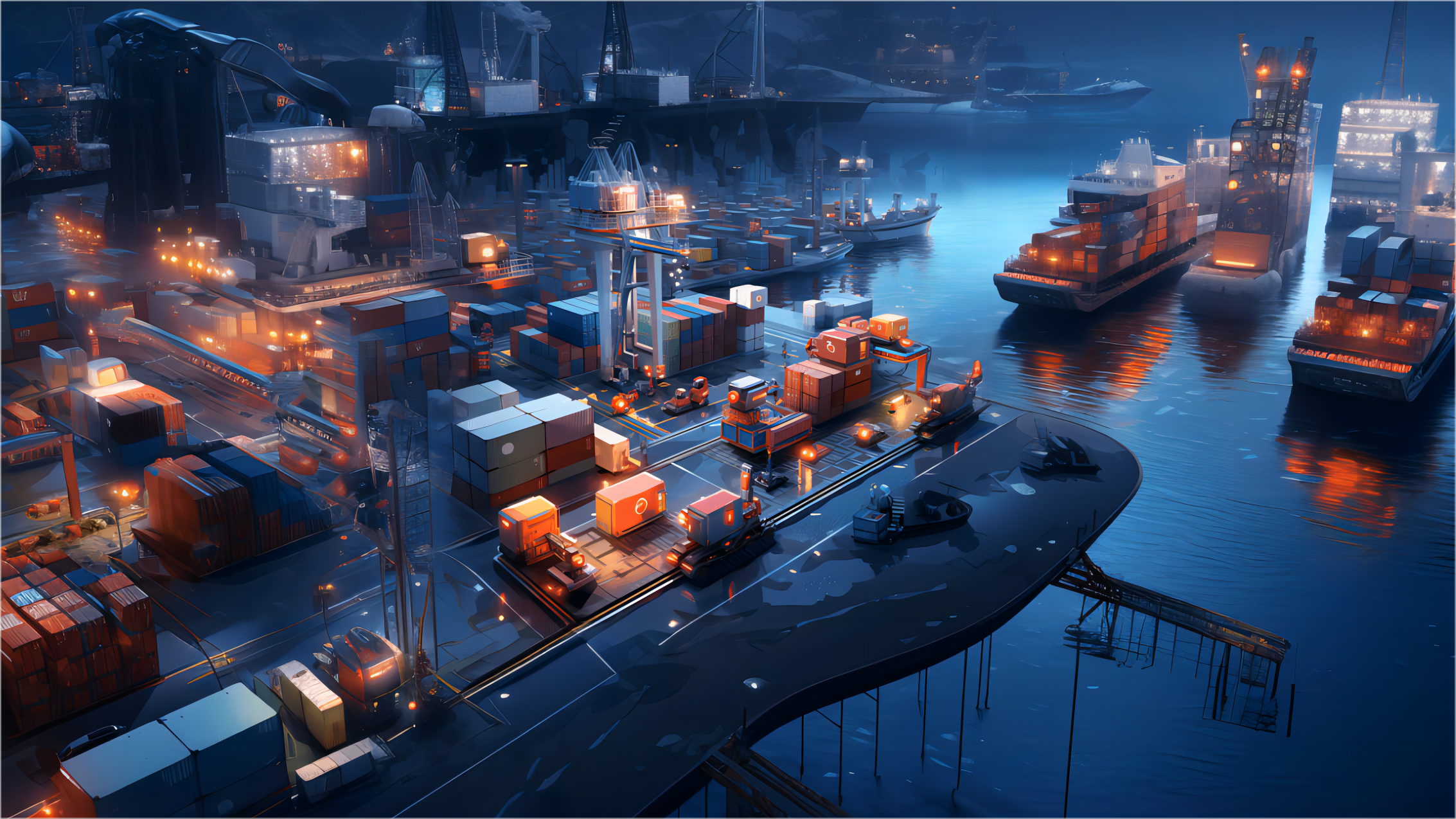
Real Case Studies: Lessons from 2025 and 2026
Analyzing real-world scenarios helps illustrate the practical challenges of import customs clearance USA from China. These cases reflect the current market environment and the importance of planning.
Case Study 1: Electronics from Shenzhen to Los Angeles. A tech startup imported 500 units of smart devices via air freight in early 2026. Due to proactive ISF filing, the goods cleared customs in 24 hours, allowing for a successful product launch.
Case Study 2: Furniture from Ningbo to Savannah. A retailer used sea freight for a 40HQ container of home decor. Although port congestion in Georgia caused a 3-day delay, their continuous customs bond prevented any additional administrative hold-ups.
Case Study 1: High-Priority Tech Launch
Route: Shenzhen, China to San Francisco, USA
Cargo: Consumer Electronics, 2.5 CBM, 850 kg
Shipping Method: Air Freight
Total Landed Cost: $9,200
Transit Time: 5 days total
Key Insight: Using a pre-cleared air express service avoided the peak season congestion at major sea ports.
Case Study 2: Bulk Industrial Equipment
Route: Shanghai, China to Houston, USA
Cargo: Industrial Machinery, 28 CBM (1x20GP)
Shipping Method: Sea Freight FCL
Total Landed Cost: $6,800 (excluding duties)
Transit Time: 32 days total
Key Insight: Accurate HTS classification saved the importer 15% in estimated duties compared to their previous shipment.
Common Challenges and How to Avoid Them
One of the most frequent hurdles in import customs clearance USA from China is the ‘Customs Hold’. This can occur for various reasons, ranging from random inspections to suspicious documentation.
To avoid this, always ensure your labels match the commercial invoice exactly. Furthermore, verify that your Chinese supplier is not on any restricted entity lists, which are updated frequently in 2026.
Moreover, under-valuation of goods is a major red flag for CBP. Consequently, always declare the true transaction value to avoid audits that can trace back several years of import history.
Additionally, ensure you have the correct type of customs bond. A continuous bond is generally more cost-effective for those importing more than three times per year, whereas a single entry bond is better for one-off shipments.
Final Thoughts on US Customs Clearance
To summarize, mastering import customs clearance USA from China is a blend of diligent documentation, correct classification, and choosing the right logistics partners. By staying informed about 2026 regulations and market trends, you can protect your bottom line from unexpected costs.
Whether you choose sea, air, or express services, the key to success lies in proactive planning and transparency. We encourage you to use the strategies outlined in this guide to optimize your international trade operations and achieve long-term growth.
Note: Freight rates and customs regulations are subject to change based on fuel costs, carrier capacity, and seasonal demand. Contact us for a current quote tailored to your specific shipment.

Need a tailored shipping solution?
Managing import customs clearance USA from China doesn’t have to be a burden for your business. Contact our expert team today to receive a personalized quote and ensure your 2026 shipments are handled with professional care. Visit our inquiry page to get started now.