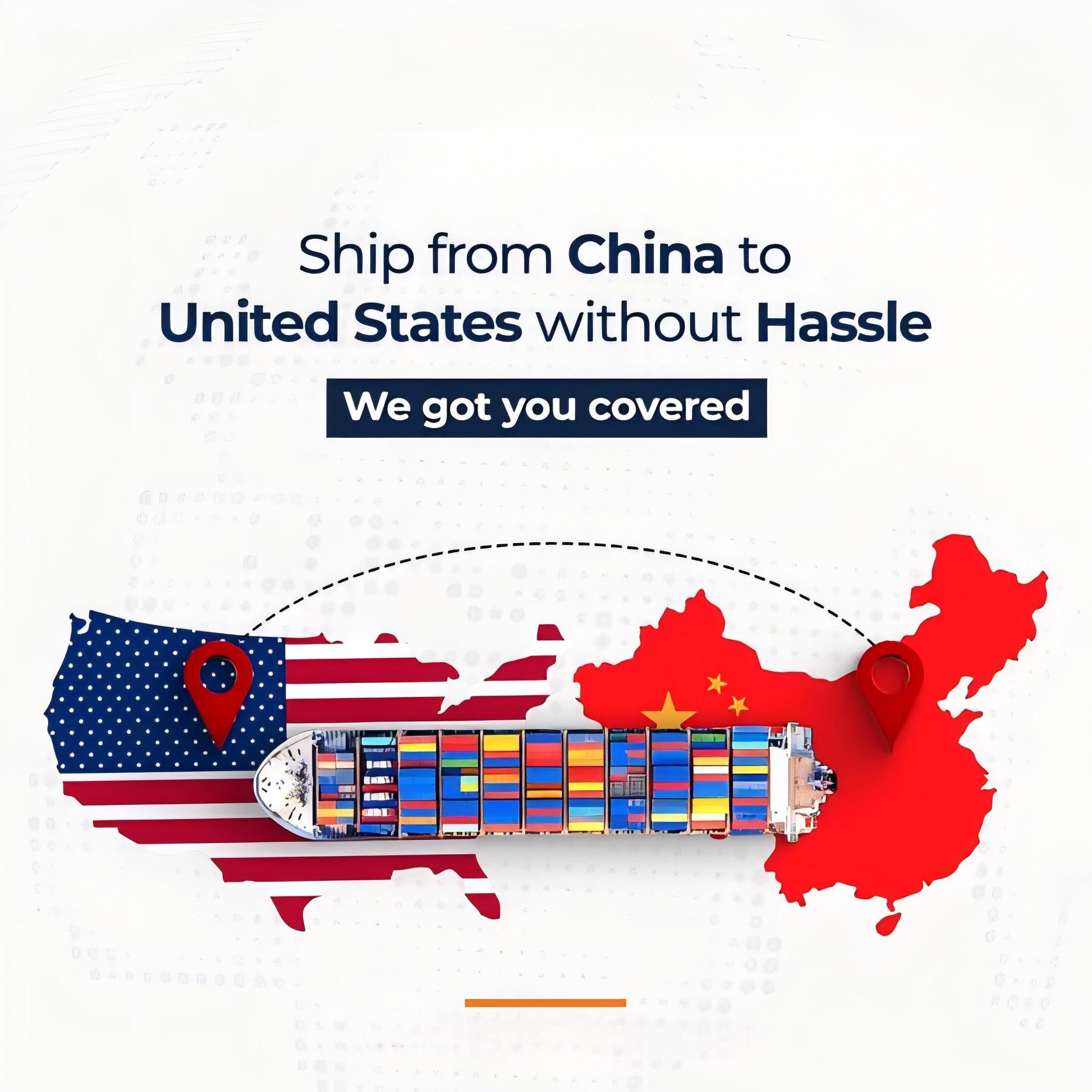
Reefer FCL Container Shortage Solution for Hardware Tools from China to Europe
Global logistics currently faces significant equipment imbalances that disrupt the flow of industrial goods. Consequently, finding a Top China Forwarder that offers a Reefer FCL container shortage solution for hardware tools from China to Europe is essential for maintaining your supply chain. This article explores how Non-Operating Reefers provide a reliable alternative during peak seasons when standard equipment is scarce.
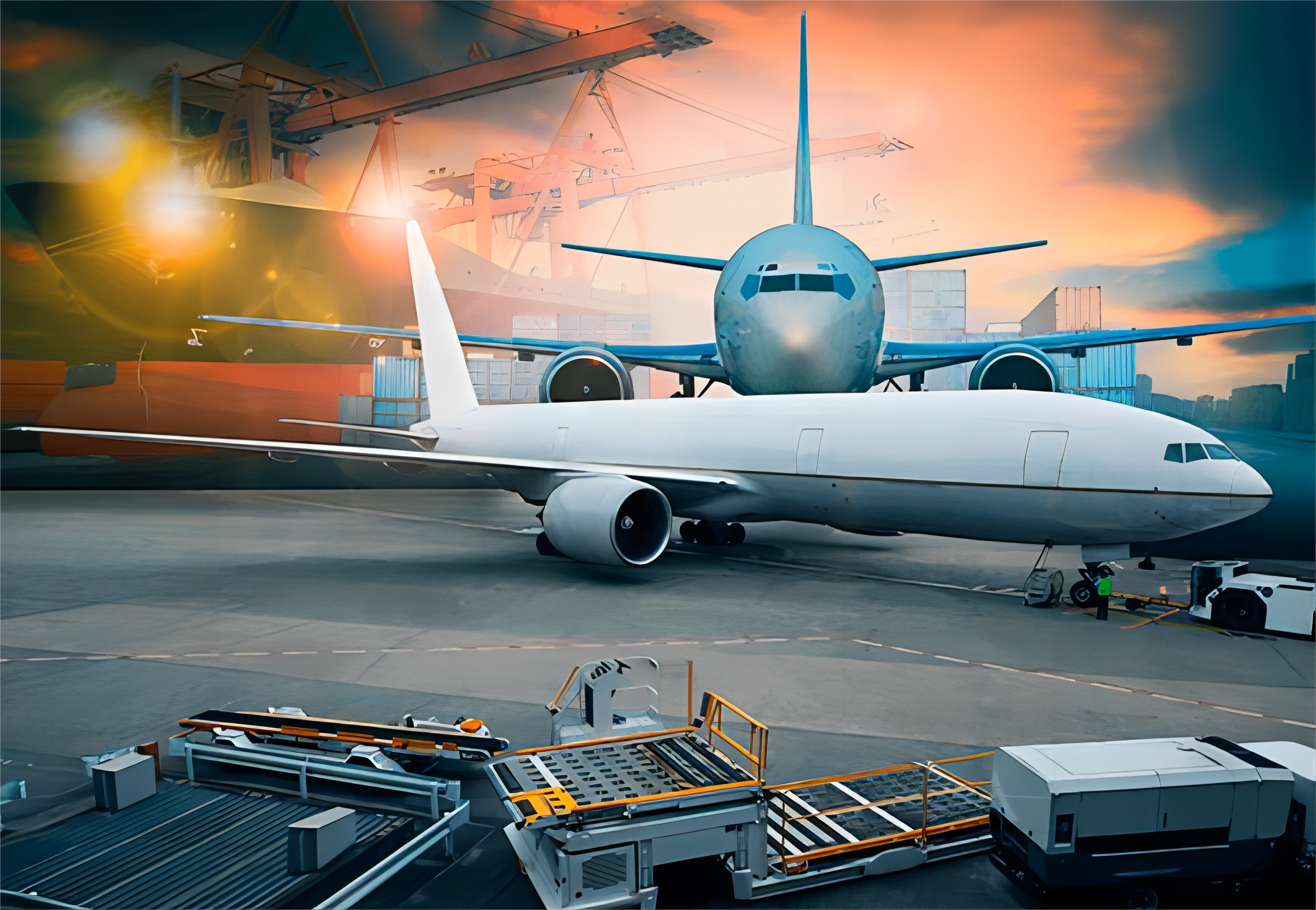
What is the Reefer FCL Container Shortage Solution for Hardware Tools from China to Europe?
The logistics industry frequently encounters periods where standard 20GP, 40GP, and 40HQ containers are unavailable at major Chinese ports. During these shortages, carriers often have an excess of refrigerated (reefer) containers that need to be repositioned back to Europe. By utilizing these reefers with the cooling units turned off, shippers can access what is known as a Non-Operating Reefer (NOR).
Moreover, this strategy serves as a primary Reefer FCL container shortage solution for hardware tools from China to Europe, allowing exporters to bypass the long wait times associated with standard equipment. Hardware tools are particularly well-suited for this method because they do not require temperature regulation but benefit from the high-quality insulation of reefer units. Consequently, businesses can maintain their delivery schedules even during the most congested shipping seasons.
Furthermore, using NOR containers often comes with a lower freight rate compared to standard dry containers. Carriers incentivize the use of reefers for dry cargo to avoid the cost of shipping empty units back to high-demand regions. Therefore, importers can achieve significant cost savings while ensuring their hardware tool supply chain remains uninterrupted.
Why Hardware Tools are Suitable for Non-Operating Reefer Shipping
Hardware tools such as wrenches, power drills, and industrial fasteners are robust and durable by nature. These items do not perish and are generally unaffected by the slightly smaller internal dimensions of a reefer container. In addition, the internal stainless steel lining of a reefer provides a clean and moisture-resistant environment for high-value metal tools.
When you choose sea freight as your primary transport mode, the equipment type becomes a secondary concern to availability. Most hardware tools are packed in sturdy retail boxes and then palletized, making them easy to load into the slightly narrower space of an NOR. Indeed, the insulation of the reefer unit actually provides an extra layer of protection against external temperature fluctuations during the long journey from China to Europe.
However, shippers must be aware that NOR containers do not have the same lashing points as standard dry containers. Professional loading teams must secure the cargo using alternative bracing methods to prevent shifting during transit. Nevertheless, the benefits of equipment availability far outweigh these minor adjustments in cargo handling.
How Does Reefer FCL Compare to Other Shipping Options?
Comparing different shipping methods is vital for optimizing your logistics budget and timeline. While standard dry containers remain the first choice, the Reefer FCL container shortage solution for hardware tools from China to Europe offers a competitive edge when standard stocks are depleted. Below is an objective analysis of how various methods perform for this specific route.
As of early 2025, market data suggests that NOR rates are approximately 10-15 percent lower than 40HQ rates. This price gap occurs because carriers are eager to move reefer equipment back to European ports for the seasonal fruit and meat trade. Consequently, savvy importers leverage this imbalance to reduce their landed costs without sacrificing transit time.
| Shipping Method | Cost Range (USD) | Transit Time | Best For |
|---|---|---|---|
| Non-Operating Reefer | $2,800 – $3,600 | 30 – 35 Days | Budget & Availability |
| Standard 40HQ FCL | $3,200 – $4,200 | 30 – 35 Days | Maximum Volume |
| Rail Freight | $5,500 – $7,500 | 18 – 22 Days | Speed & Stability |
| Air Freight | $12,000+ | 5 – 7 Days | Urgent Samples |
Alternative Strategies for Hardware Tool Logistics
If a Reefer FCL container shortage solution for hardware tools from China to Europe is not available, you should consider other viable alternatives. For instance, rail freight has become an increasingly popular choice for Central and Eastern European destinations. It offers a middle ground between the high cost of air and the slower speed of sea transport.
Additionally, for smaller shipments that do not fill a whole container, Less than Container Load (LCL) remains a flexible option. However, if your cargo volume exceeds 15 cubic meters, a full NOR container is usually more economical. Another high-speed alternative is air freight, though it is typically reserved for high-margin power tools or urgent contract fulfillments.
Hybrid solutions like sea-air via Dubai are also worth exploring for mid-range urgency. This method involves shipping by sea from China to the Middle East and then flying the goods to Europe. While complex, it can save 10 to 15 days compared to pure sea freight while costing significantly less than direct air transport.
Real-World Case Studies for Hardware Tool Shipments
Case Study 1: Shanghai to Hamburg NOR Solution. In Q4 2024, a hardware distributor faced a three-week delay for standard 40HQ containers. By switching to a 40-foot NOR, they secured a booking within three days and saved $450 in freight costs.
Case Study 2: Shenzhen to Rotterdam Tool Set Export. A manufacturer of hand tool sets utilized NOR to maintain their Christmas stock levels in Europe. Despite the slightly reduced internal width, they successfully loaded 22 pallets using a modified stacking pattern.
Note: Freight rates are subject to change based on fuel costs, carrier capacity, and seasonal demand. Contact us for a current quote tailored to your specific shipment.
Case Study 1: Shanghai to Hamburg
Route: Shanghai, China to Hamburg, Germany. Cargo: Power Drill Sets, 65 CBM, 18,000 kg. Container: 40ft Non-Operating Reefer (NOR). Shipping Details: Carrier: Major Carrier. Port of Loading: Shanghai. Port of Discharge: Hamburg. Route Type: Direct. Cost Breakdown: Ocean Freight: $3,150. Origin Charges: $280. Destination Charges: $420. Customs and Duties: $1,200. Total Landed Cost: $5,050. Timeline: Booking to Loading: 4 days. Sea Transit: 32 days. Customs Clearance: 2 days. Total Door-to-Door: 38 days. Key Insight: The importer avoided a 20-day equipment wait by choosing NOR.
Case Study 2: Ningbo to Felixstowe
Route: Ningbo, China to Felixstowe, UK. Cargo: Professional Hand Tool Kits, 60 CBM, 15,500 kg. Container: 40ft Non-Operating Reefer (NOR). Shipping Details: Carrier: COSCO. Port of Loading: Ningbo. Port of Discharge: Felixstowe. Route Type: Transshipment via Singapore. Cost Breakdown: Ocean Freight: $3,400. Origin Charges: $310. Destination Charges: $550. Customs and Duties: $1,100. Total Landed Cost: $5,360. Timeline: Booking to Loading: 5 days. Sea Transit: 36 days. Customs Clearance: 3 days. Total Door-to-Door: 44 days. Key Insight: Utilizing NOR allowed the client to meet a strict retail deadline despite the Red Sea disruptions.
Which Option Should You Choose for Your Hardware Tools?
Choosing the right equipment depends on your specific priorities regarding budget, speed, and cargo volume. If your primary goal is cost reduction and standard containers are in short supply, the NOR is the superior choice. However, if you require the absolute maximum internal volume for lightweight, bulky tools, waiting for a 40HQ might be necessary.
Furthermore, you must ensure your customs brokerage partner is experienced with NOR documentation. Sometimes, customs officials in Europe may require clarification that the reefer unit was not operating and that no food products were previously stored in a way that affects the hardware. Proper documentation prevents unnecessary inspections and delays.
In addition, consider the destination infrastructure. Some smaller inland depots in Europe may have different handling fees for reefer units, even if they are non-operating. Therefore, always confirm the total door-to-door costs before finalizing your equipment selection.
| Priority | Recommended Method | Key Benefit | Trade-off |
|---|---|---|---|
| Low Budget | 40ft NOR (Reefer) | Lower Freight Rate | Less Internal Space |
| Maximum Volume | 40ft HQ Standard | Full 76 CBM Capacity | Equipment Shortages |
| Fast Delivery | Rail Freight | Saves 15 Days | Higher Cost |
| Ultra Urgent | Air Freight | Arrives in 1 Week | Very Expensive |
Navigating Logistics Trends and Capacity in 2025
Current market intelligence suggests that equipment imbalances will continue to fluctuate throughout 2025. Consequently, shippers who remain flexible with their equipment choices will experience fewer disruptions. The Reefer FCL container shortage solution for hardware tools from China to Europe is not just a temporary fix but a strategic tool for resilient supply chains.
Moreover, many carriers are expanding their reefer fleets to accommodate the growing global cold chain. This means the availability of NOR containers is likely to increase, providing more opportunities for hardware exporters to find space. By integrating door to door services with NOR shipping, you can streamline your entire import process from the factory floor to the European warehouse.
Indeed, staying informed about port congestion and seasonal peaks in China is crucial. Rates typically increase by 15 to 25 percent during the August to October peak season. Planning your NOR bookings at least four weeks in advance can help you secure the best possible rates and equipment priority.
Mastering the Reefer FCL Container Shortage Solution for Hardware Tools
To summarize, the Reefer FCL container shortage solution for hardware tools from China to Europe offers a powerful way to overcome equipment scarcity and reduce shipping costs. By understanding the benefits of Non-Operating Reefers, importers can maintain steady inventory levels even during market volatility.
Furthermore, hardware tools are the ideal cargo for these specialized units due to their durability and standard dimensions. While minor loading adjustments are required, the financial and logistical advantages are significant. We encourage all European importers to consider NOR as a permanent part of their logistics toolkit.
Ultimately, success in international trade requires flexibility and expert guidance. Whether you choose sea, rail, or NOR shipping, partnering with an experienced forwarder ensures your hardware tools arrive safely and on time. Implement the Reefer FCL container shortage solution for hardware tools from China to Europe today to optimize your 2025 shipping strategy.
Ready to streamline your logistics?
Are you struggling to find equipment for your next shipment of hardware tools? Our team specializes in providing the Reefer FCL container shortage solution for hardware tools from China to Europe to keep your business moving. Contact us today for a personalized quote and secure your cargo space. Visit our website to learn more or send an inquiry to get started.
Request Quote