

40GP FCL Space Availability for Textiles from China to Germany: 2025 Guide
Securing reliable 40GP FCL space availability for textiles from China to Germany remains a top priority for European retailers. As global trade dynamics shift in early 2025, finding a dependable partner like Top China Forwarder is essential for maintaining a consistent supply chain. Consequently, importers must understand the current logistics landscape to avoid seasonal delays and rising costs.
What is the Current 40GP FCL Space Availability for Textiles?
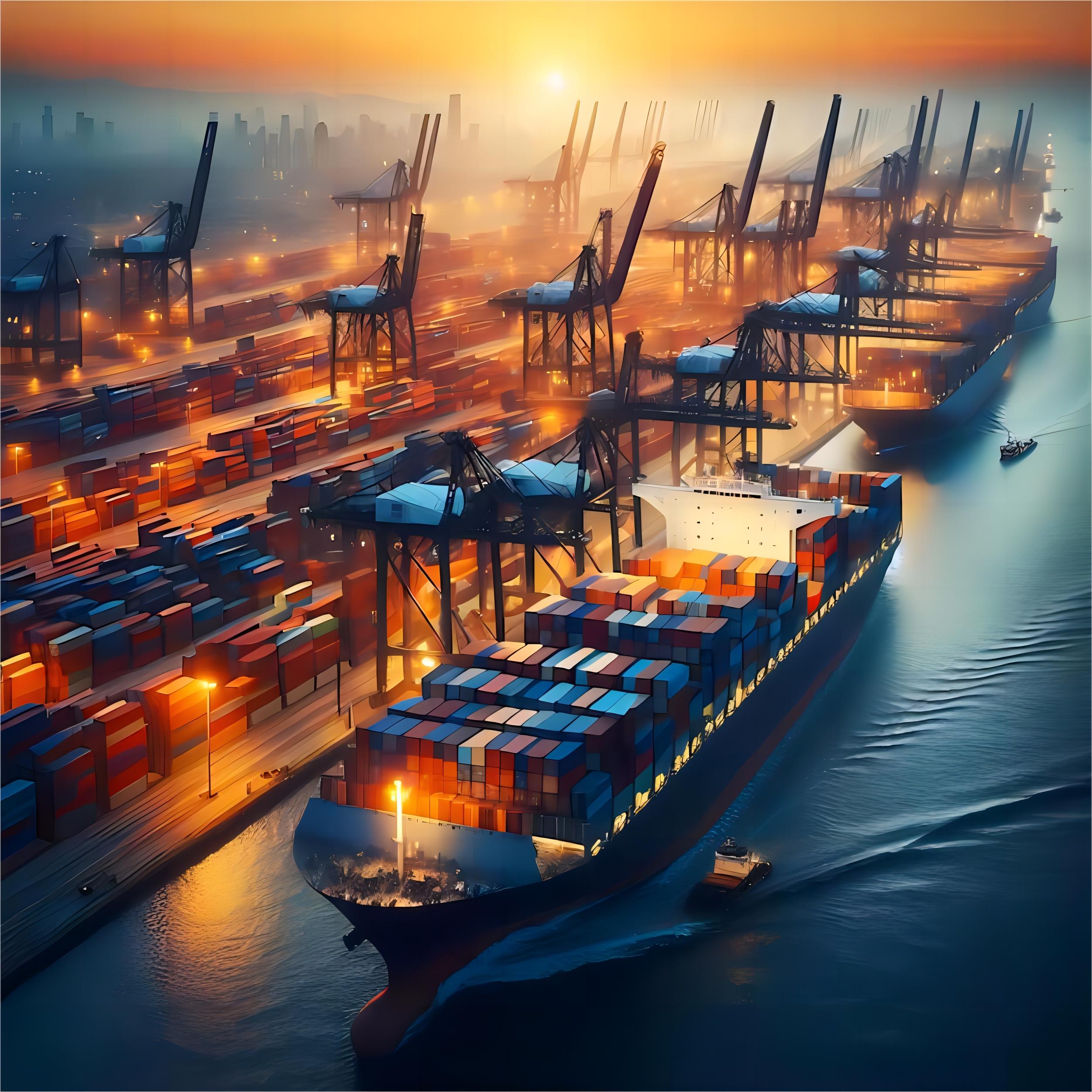
Market conditions in early 2025 indicate that 40GP FCL space availability for textiles from China to Germany has reached a period of relative stability. However, fluctuations still occur based on carrier capacity and regional demand shifts. Most major shipping lines have restored regular schedules following previous disruptions in the Red Sea corridor.

Importers should note that textile shipments often require clean, dry containers to prevent moisture damage. Furthermore, booking at least three to four weeks in advance is recommended to guarantee space on preferred vessels. Choosing sea freight provides the most cost-effective solution for high-volume garment exports.
Moreover, the demand for 40GP containers remains higher than 20GP units because textiles are generally high-volume but low-weight. As a result, carriers prioritize 40GP and 40HQ equipment on the China-Europe lane. Consequently, maintaining close communication with your forwarder ensures you receive real-time updates on equipment positioning.
How Do Shipping Methods Compare for Textile Logistics?
Selecting the right transport mode depends on your specific budget and delivery requirements. While ocean transport is the standard for bulk orders, rail freight offers a compelling middle ground for time-sensitive fashion collections. Additionally, air transport remains reserved for high-value designer items or urgent stock replenishments.
To illustrate the differences, we have compiled a comparison of the primary shipping methods available for the China to Germany route. Each method has distinct advantages regarding transit time and total landed cost. Therefore, analyzing these factors helps in optimizing your textile supply chain efficiency.
| Shipping Method | Cost Range (40GP) | Transit Time | Best For |
|---|---|---|---|
| Sea Freight | $2,800 – $3,800 | 30-40 Days | Bulk Textiles |
| Rail Freight | $4,500 – $6,200 | 18-24 Days | Seasonal Fashion |
| Air Freight | $15k – $25k (Vol) | 5-8 Days | Urgent Samples |
| Express Service | High Premium | 3-5 Days | Small Parcels |
Why Choose 40GP Containers for Your Garment Shipments?
Textiles are typically considered ‘light’ cargo, meaning they occupy significant space before reaching a container’s weight limit. Consequently, the 40GP container is the industry standard for maximizing volume without incurring the extra height surcharges sometimes associated with 40HQ units. Nevertheless, many shippers prefer 40HQ for the additional 12 percent volume it provides.
Furthermore, utilizing a full container load (FCL) reduces the risk of contamination from other goods. In contrast, less than container load (LCL) shipments involve mixing your textiles with various cargo types, which might lead to odors or snagging. Therefore, FCL is the superior choice for maintaining the quality of delicate fabrics during the long journey to Germany.
How Does 40GP FCL Compare to Other Shipping Options?
While 40GP FCL is the most popular choice, alternative strategies can offer better flexibility depending on your inventory needs. For instance, smaller shipments under 15 CBM are often more economical via LCL, despite the higher risk of handling damage. On the other hand, very large shipments might benefit from chartering or specialized logistics contracts.
Hybrid solutions like sea-air combinations have also gained popularity for shipments that miss the sea freight window but cannot justify the full cost of air freight. This approach typically involves shipping by sea to a hub like Dubai and then flying the cargo to Frankfurt or Munich. Consequently, you save about 30 percent compared to pure air freight while cutting transit time in half.
| Option | Cost Efficiency | Speed | Risk Level |
|---|---|---|---|
| 40GP FCL | High | Moderate | Low |
| LCL Shipping | Medium | Slow | Moderate |
| Sea-Air Hybrid | Low | Fast | Low |
| Rail FCL | Moderate | Fast | Low |
Case Studies: Real-World Textile Shipments to Germany
Case Study 1: Large Scale Cotton Export. Route: Ningbo, China to Hamburg, Germany. Cargo: 100 percent Cotton T-shirts, 58 CBM, 12,000 kg. Container: 40GP FCL. Shipping Details: Major carrier, Direct route. Cost Breakdown: Ocean Freight $3,100, Origin Charges $450, Destination Charges $550, Customs $200. Total Landed Cost: $4,300. Timeline: 34 days total door-to-door. Key Insight: Early booking secured a lower rate before the mid-month peak.
Case Study 2: Urgent Autumn Collection. Route: Shenzhen, China to Duisburg, Germany. Cargo: Synthetic Jackets, 62 CBM, 8,500 kg. Container: 40HQ FCL (substituted for 40GP). Shipping Details: Rail Freight via Xi’an. Cost Breakdown: Rail Freight $5,800, Local Handling $600, Customs $300. Total Landed Cost: $6,700. Timeline: 21 days total. Key Insight: Rail freight saved 14 days compared to sea, allowing the client to meet the retail launch date.
Note: Freight rates are subject to change based on fuel costs, carrier capacity, and seasonal demand. Contact us for a current quote tailored to your specific shipment.
What Documents are Required for Importing Textiles to Germany?
Importing textiles into the European Union requires strict adherence to documentation standards to avoid customs delays. Specifically, you must provide a commercial invoice, a detailed packing list, and a Bill of Lading. Additionally, certain textile products may require a Certificate of Origin to qualify for preferential tariff treatments.
Furthermore, compliance with REACH regulations is mandatory for all textiles sold in Germany. This ensures that the dyes and chemicals used in production meet safety standards. Utilizing a professional customs brokerage service can help navigate these complex requirements and prevent costly storage fees at the port of Hamburg or Bremerhaven.
Which Option Should You Choose for Your Supply Chain?
If your primary goal is budget optimization, sea freight remains the undisputed leader for 40GP containers. However, if you are facing a stock-out situation, rail freight is the most logical alternative. For high-end boutique items, the speed of air freight justifies the significantly higher investment.
Volume thresholds also play a role in your decision. For example, if your shipment exceeds 25 CBM, you should almost always choose a 20GP FCL over LCL. Similarly, if your volume reaches 55 CBM, the 40GP FCL becomes the most economical unit. For those needing a complete solution, door-to-door services simplify the entire process from the factory in Zhejiang to the warehouse in Berlin.
Mastering Textile Logistics from China to Germany
Successfully managing 40GP FCL space availability for textiles from China to Germany requires a combination of early planning and market intelligence. To summarize, while sea freight offers the best value, rail and hybrid options provide necessary flexibility for modern supply chains. By understanding the costs, transit times, and documentation needs, you can ensure your textile business thrives in the competitive European market.
Indeed, the logistics landscape is constantly evolving. Consequently, staying informed about carrier capacity and equipment availability will give you a significant advantage. Whether you are shipping raw fabrics or finished garments, choosing the right container and route is the foundation of a successful import operation.

Ready to streamline your logistics?
Optimizing your textile logistics requires expert planning and reliable 40GP FCL space availability for textiles from China to Germany. Our team provides tailored solutions to ensure your garments arrive on time and within budget. Visit Top China Forwarder to request a competitive quote and secure your container space today. Send Inquiry for a personalized shipping plan.
Request Quote