

Open Top FCL Space Availability for Solar Panels from China to UK
Finding reliable Open Top FCL space availability for solar panels from China to UK is a top priority for renewable energy importers. As the global shift toward green energy accelerates, the demand for specialized logistics solutions continues to grow. Visit Top China Forwarder to streamline your supply chain and secure capacity in a competitive market. Furthermore, the complexity of transporting fragile, oversized solar components requires a deep understanding of container availability and port dynamics. Consequently, businesses must plan ahead to navigate the fluctuating availability of specialized equipment like open-top containers. This guide provides comprehensive insights into securing space and optimizing your shipping strategy from China to the United Kingdom.
What Defines Open Top FCL Space Availability for Solar Panels from China to UK?
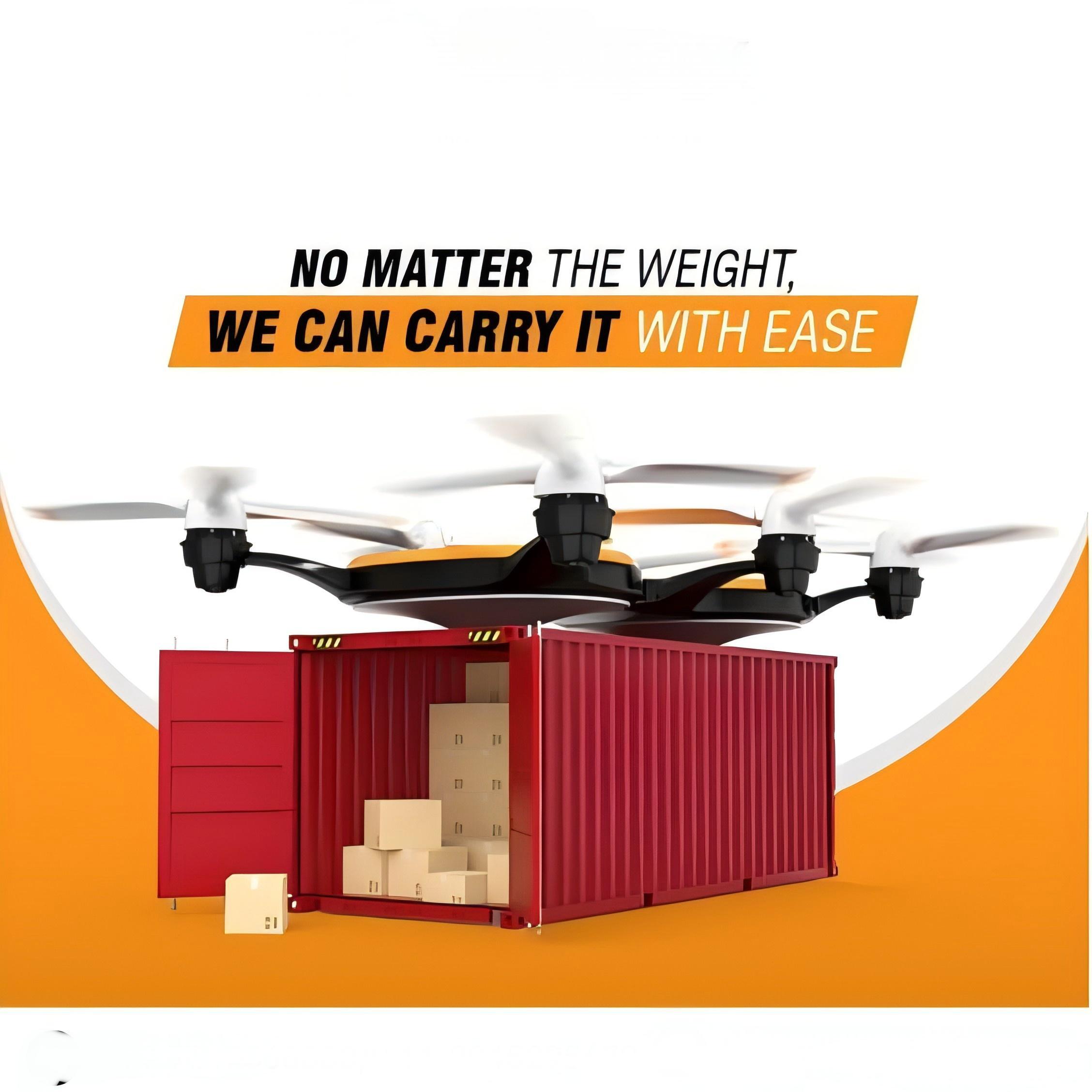
Open top containers are specialized units designed for cargo that is too tall for standard containers or requires loading via crane. For solar panel distributors, these containers provide the necessary flexibility for large-scale photovoltaic modules and mounting hardware. However, the supply of these units is often limited compared to standard 40HQ containers, making space availability a critical bottleneck.
Moreover, the China to UK route is one of the busiest maritime corridors in the world. Shipping lines prioritize standard equipment because it is easier to stack and manage on mega-vessels. Consequently, securing an open top FCL requires early booking and a strong relationship with a local forwarder who has direct carrier access. Additionally, seasonal demand for renewable energy projects in Europe can lead to sudden spikes in equipment shortages.
Nevertheless, understanding the technical requirements of your cargo is the first step toward securing space. Solar panels are often packed in vertical crates that may exceed the height of a standard dry van. Therefore, utilizing sea freight with open-top equipment becomes the most viable solution for maintaining integrity while maximizing volume.
Indeed, the availability of these containers fluctuates based on the repositioning strategies of major carriers like COSCO and Maersk. When trade imbalances occur, specialized equipment often gets stuck in destination ports like Felixstowe or Southampton. As a result, shippers in China may find themselves waiting weeks for an available unit if they do not have a robust logistics partner.
How Does Open Top FCL Compare to Other Shipping Options?
Choosing the right shipping method involves balancing cost, speed, and safety for your solar equipment. While open top FCL is ideal for oversized items, other methods like standard FCL or LCL might be suitable for smaller components. Furthermore, air freight remains an option for urgent replacements, though it is rarely cost-effective for bulk solar panels.
In contrast, rail freight offers a middle ground between sea and air in terms of transit time. However, rail infrastructure often has strict height limitations that may preclude the use of open-top configurations. Consequently, sea freight remains the dominant choice for large-scale solar imports into the UK market.
Moreover, the cost of open-top containers is generally higher due to the specialized nature of the equipment and the potential for ‘lost slots’ on the vessel. When an open-top container has cargo protruding from the top, no other containers can be stacked above it. Therefore, carriers charge a premium to compensate for the unused space on the ship.
| Shipping Method | Cost Range | Transit Time | Best For |
|---|---|---|---|
| Open Top FCL | $3,800 – $5,500 | 32 – 40 Days | Oversized/Tall Solar Modules |
| Standard 40HQ | $3,000 – $4,200 | 30 – 38 Days | Standard Palletized Panels |
| LCL Shipping | $80 – $150/CBM | 35 – 45 Days | Small Residential Batches |
| Air Freight | $4.50 – $8.00/kg | 5 – 8 Days | Emergency Spare Parts |
Which Option Should You Choose for Your Solar Shipment?
Budget priority dictates a move toward standard 40HQ containers if your panels can be packed horizontally without damage. However, if the project requires specific vertical orientation or crane-loading at the site, open top FCL is the only safe choice. Additionally, volume thresholds play a major role in this decision-making process.
Speed priority might lead you to consider shipping from China to Europe via faster express routes or transshipment hubs. While direct calls to the UK are preferred, sometimes routing through Rotterdam or Antwerp can offer better equipment availability. Nevertheless, this adds a layer of complexity to the final delivery leg.
Cargo type considerations are paramount when dealing with fragile glass components. Open top containers allow for top-loading, which minimizes the risk of side-impact damage during the stuffing process. Consequently, the higher freight rate is often offset by the reduced risk of insurance claims and project delays.
Factors Affecting Freight Rates for Solar Panels from China to UK
Freight rates are never static and are influenced by global economic shifts and local port conditions. As of early 2025, rates have stabilized but remain sensitive to fuel surcharges and geopolitical events in the Red Sea. Furthermore, the demand for solar panels often peaks in the third quarter as developers rush to complete projects before the winter months.
Additionally, port congestion at major UK hubs like Felixstowe can lead to detention and demurrage charges. These costs can quickly erode the margins of a solar installation project. Therefore, working with an expert in customs brokerage is essential to ensure that your cargo clears the port without unnecessary delays.
Moreover, the availability of haulage in the UK is a factor that many importers overlook. Specialized trailers are often required to move open-top containers from the port to the final destination. Consequently, the total landed cost must include these inland logistics expenses to provide an accurate budget forecast.
Note: Freight rates are subject to change based on fuel costs, carrier capacity, and seasonal demand. Contact us for a current quote tailored to your specific shipment.
Case Study 1: Large Scale Solar Farm in the UK Midlands
Route: Shanghai, China to Felixstowe, UK. Cargo: 800 High-efficiency Solar Modules. Container: 2x40ft Open Top. Shipping Details: Major carrier (COSCO), Direct Route. Cost Breakdown: Ocean Freight $8,400, Origin Charges $600, Destination Charges $950, Customs and Duties $1,200. Total Landed Cost: $11,150. Timeline: Booking to Loading 7 days, Sea Transit 34 days, Customs Clearance 3 days, Total Door-to-Door 44 days.
Key Insight: By booking four weeks in advance, the importer secured open-top units during a period of high demand. This proactive approach prevented a three-week delay that other competitors faced due to equipment shortages at the Shanghai port.
Case Study 2: Industrial Rooftop Project in London
Route: Ningbo, China to London Gateway, UK. Cargo: Solar Mounting Racks and 400 Panels. Container: 1x40ft Open Top. Shipping Details: Transshipment via Singapore. Cost Breakdown: Ocean Freight $4,100, Origin Charges $350, Destination Charges $700, Customs and Duties $800. Total Landed Cost: $5,950. Timeline: Booking to Loading 5 days, Sea Transit 39 days, Customs Clearance 2 days, Total Door-to-Door 46 days.
Key Insight: Utilizing a transshipment route allowed the shipper to access a lower freight rate. Although the transit time was longer, the cost savings were significant for a project with a flexible timeline.

Navigating Customs and Documentation for UK Solar Imports
Importing solar panels into the UK requires precise documentation to comply with HMRC regulations. Key documents include the Bill of Lading, Commercial Invoice, Packing List, and a Certificate of Origin. Furthermore, understanding the specific commodity codes for solar equipment is vital for calculating accurate duty and VAT payments.
Additionally, the UK government often provides incentives or reduced VAT rates for certain renewable energy products. However, these regulations are subject to change, and misclassifying your cargo can lead to heavy fines. Consequently, a professional door to door service often includes comprehensive customs support to mitigate these risks.
Moreover, safety certifications such as the CE or UKCA marks must be clearly documented. UK customs officials are particularly stringent regarding the quality and safety standards of electrical components. Therefore, ensuring that your Chinese supplier provides all necessary test reports before the cargo leaves the port is a critical step.
Strategies to Secure Space During Peak Seasons
Peak seasons in the shipping industry typically run from August to October as retailers prepare for the holiday season. During this time, open top FCL space availability for solar panels from China to UK becomes extremely tight. Consequently, shippers must adopt alternative strategies to maintain their supply chain integrity.
One effective strategy is to use ‘Diamond Tier’ or premium booking services offered by some carriers. While these come at a higher cost, they guarantee equipment availability and space on the vessel. Furthermore, diversifying your ports of loading in China can provide more options. For example, if Shanghai is congested, Ningbo or Qingdao might have better equipment stocks.
Another approach is to consider hybrid solutions. For instance, shipping via sea to a European hub and then using road freight to the UK can sometimes bypass local equipment shortages. Additionally, maintaining a small buffer stock in a UK warehouse can help manage the impact of transit delays during the peak season.
Summary of Solar Logistics from China to the UK
Successfully managing Open Top FCL space availability for solar panels from China to UK is essential for the growth of the UK’s renewable energy sector. By understanding the nuances of equipment types, port dynamics, and seasonal trends, importers can build more resilient supply chains. Furthermore, the combination of early booking and expert customs handling remains the most effective way to control costs.
As market conditions evolve in 2025, staying informed about freight rate trends and equipment availability will be a competitive advantage. Whether you are a small distributor or a large-scale project developer, the right logistics partner can make all the difference. Prioritize transparency and reliability to ensure your solar modules arrive safely and on time.
Ready to streamline your logistics?
Securing Open Top FCL space availability for solar panels from China to UK requires expertise and proactive planning. Our team is ready to help you navigate the complexities of international logistics and ensure your renewable energy projects stay on schedule. Contact us today for a personalized quote and expert guidance. Send Inquiry:
Request Quote