

China FCL Port to Port to Houston: 2025 Shipping Guide
Navigating the complexities of China FCL port to port to Houston shipping requires a deep understanding of global logistics and carrier networks. Many importers struggle with rising costs and unpredictable schedules when moving full container loads across the Pacific Ocean. By partnering with a Top China Forwarder, you can streamline your operations and ensure your cargo reaches the Port of Houston efficiently. This comprehensive guide explores everything from current market rates to essential documentation for a successful shipment.
What is China FCL Port to Port to Houston Shipping?
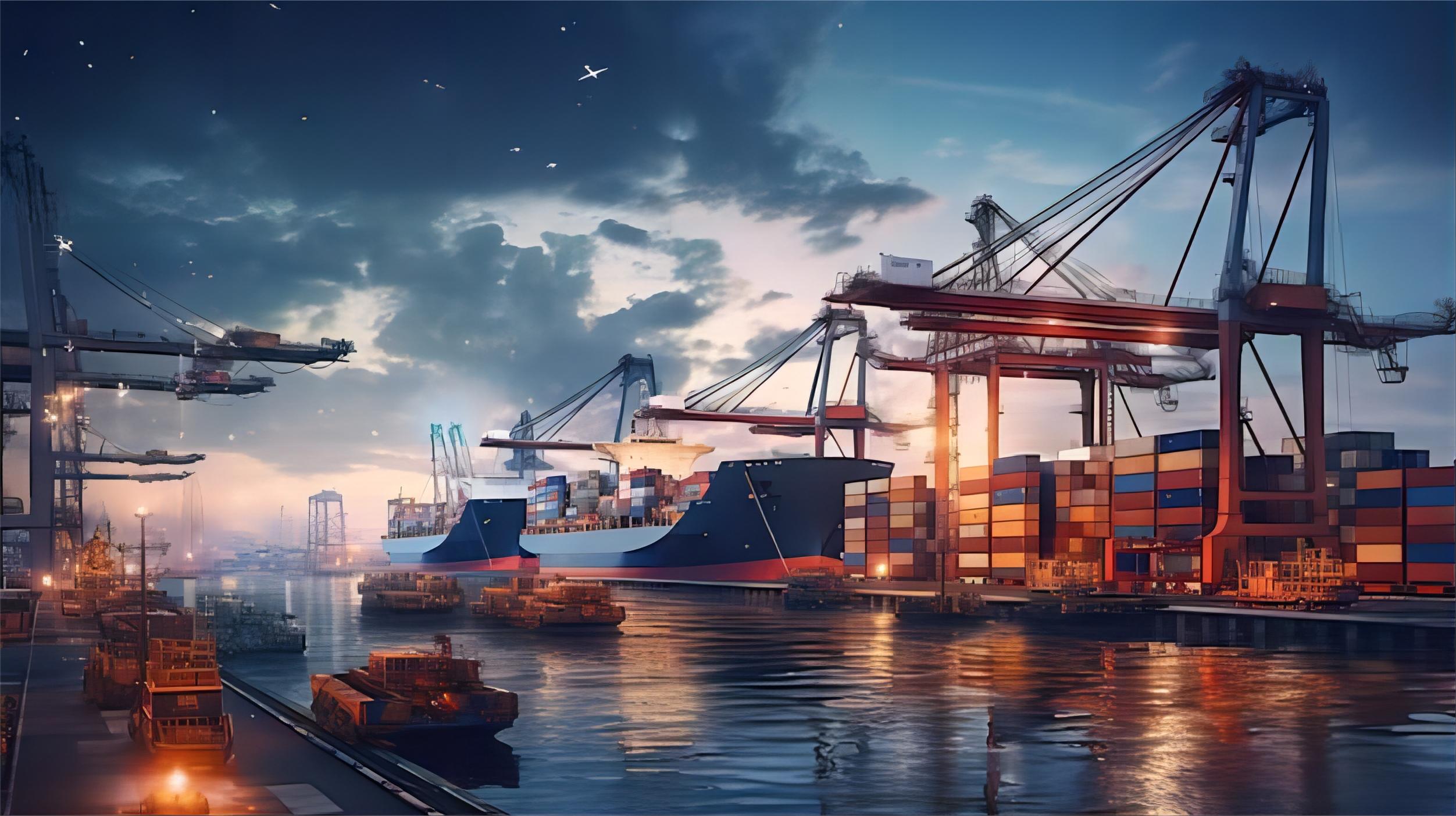
Full Container Load or FCL refers to a shipping mode where one importer occupies an entire container for their goods. Choosing sea freight for these shipments is often the most cost-effective method for high-volume cargo. This specific route connects major Chinese manufacturing hubs directly to the industrial heart of Texas.
Importers prefer this method because it offers greater security and faster handling compared to shared container options. Since the container is sealed at the origin and only opened at the destination, the risk of damage or theft decreases significantly. Efficiency remains a top priority for businesses looking to maintain a steady supply chain while controlling overhead costs.
Shipping port to port means the freight forwarder manages the movement from the loading port in China to the discharge port in Houston. However, the buyer or seller must handle the pre-carriage and on-carriage logistics independently. Consequently, this method offers the most control over the middle-mile segment of the international journey.
Understanding Ocean Freight Rates for Houston Routes
Freight rates for the China FCL port to port to Houston route fluctuate based on seasonal demand and global economic shifts. Understanding these price drivers is essential for budgeting and long-term financial planning. Market data suggests that rates to the US Gulf Coast are typically higher than those to the West Coast due to longer sailing distances.
Additionally, fuel surcharges and port congestion fees can impact the final invoice unexpectedly. Moreover, peak seasons like the months leading up to the Lunar New Year often see a 20 percent spike in pricing. Therefore, booking your space several weeks in advance is a strategic move to secure more favorable rates.
Shipping to North America via the Panama Canal or Suez Canal also influences the total cost. While the Panama Canal route is faster, it may face draft restrictions during dry seasons, leading to weight limits on containers. As a result, staying informed about maritime conditions is vital for every modern importer.
| Container Type | Avg Cost (USD) | Capacity (CBM) | Max Weight (KG) |
|---|---|---|---|
| 20GP Standard | $3,200 – $4,500 | 33 CBM | 28,000 |
| 40GP Standard | $4,800 – $6,200 | 67 CBM | 26,000 |
| 40HQ High Cube | $5,200 – $6,800 | 76 CBM | 26,000 |
Transit Times: How Long Does it Take to Reach Houston?
Transit times for sea freight transit time from China to Houston vary depending on the departure port and the specific carrier service. Usually, shipments from Southern China ports like Shenzhen arrive faster than those departing from Northern hubs like Tianjin. Direct services are available but often command a premium price compared to transshipment options.
Furthermore, the choice between an all-water route through the Panama Canal and a land-bridge service affects the timeline. All-water routes typically take between 30 and 40 days to reach the Houston port of discharge. In contrast, shipping to the West Coast and using rail transport can save time but increases the risk of cargo handling issues.
Consequently, planning for a 45-day window from booking to delivery is a safe industry benchmark. This buffer accounts for potential delays during the booking to loading phase and the time required for customs clearance. Industry average for this route remains stable despite occasional weather-related disruptions in the Pacific.
| Origin Port | Destination Port | Transit (Days) | Route Type |
|---|---|---|---|
| Shanghai | Houston | 32 – 38 | Direct |
| Shenzhen | Houston | 28 – 35 | Direct |
| Ningbo | Houston | 33 – 40 | Transshipment |
| Qingdao | Houston | 35 – 42 | Transshipment |
How Does FCL Compare to Other Shipping Options?
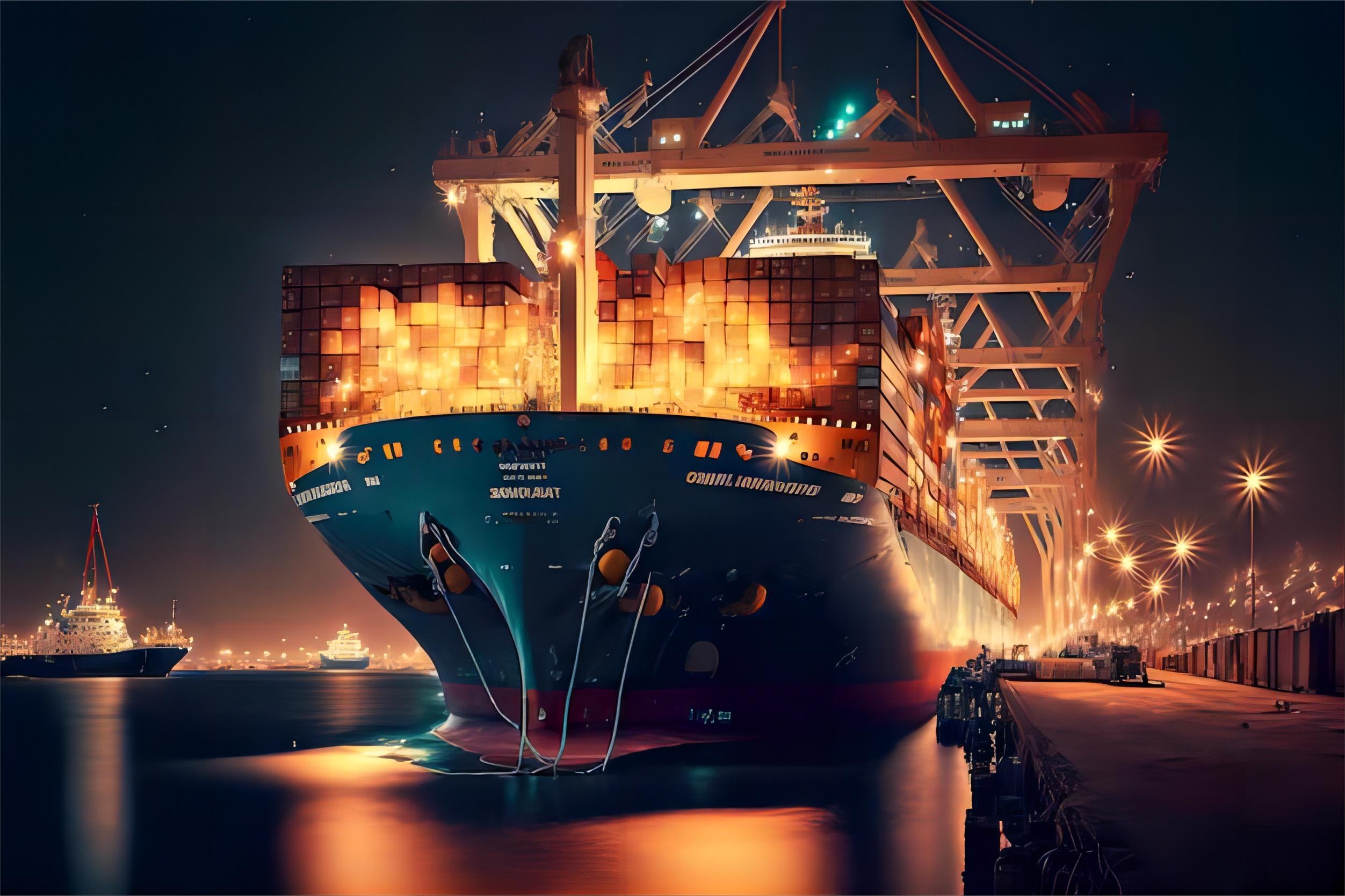
Comparing FCL to other methods like LCL or air freight is a necessary step for optimizing logistics. While FCL requires paying for the entire container, it becomes significantly cheaper per unit once you exceed 15 cubic meters of cargo. For smaller volumes, LCL remains a viable but slower alternative due to the consolidation process.
Although air freight offers unmatched speed, the cost for a similar volume would be ten times higher than ocean freight. Selecting door to door services can also be an alternative to port to port if you prefer a hands-off approach. However, port to port shipping offers the lowest base rate for experienced importers who have their own local trucking partners.
While sea freight costs $5,000-6,500 for a 40HQ to Houston, air freight for the same volume would cost $40,000-60,000. Direct routes cost 10-15% more but save 5-7 days compared to transshipment via Singapore or Busan. Each strategy has its own set of trade-offs regarding budget, speed, and safety.
| Method | Cost Range | Transit Time | Best For |
|---|---|---|---|
| FCL (Ocean) | Moderate | 30-40 Days | Bulk Goods |
| LCL (Ocean) | Low | 40-50 Days | Small Batches |
| Air Freight | Very High | 5-10 Days | Urgent Cargo |
Essential Documentation for Houston Customs Clearance
Customs clearance Houston is a critical phase that requires meticulous preparation of paperwork to avoid costly delays. Proper documentation ensures that your goods comply with U.S. Customs and Border Protection regulations. Without a complete set of documents, your container may be held for inspection, leading to demurrage and detention charges.
Successful importers always prepare the Commercial Invoice, Packing List, and Bill of Lading well in advance. Additionally, an ISF (Importer Security Filing) must be submitted 24 hours before the vessel departs from China. Failure to file the ISF on time can result in heavy fines exceeding five thousand dollars.
Selecting a professional customs brokerage service can mitigate these risks effectively. They provide expert guidance on HTS code classification, which determines the duty rates you will pay. Compliance with federal regulations is the only way to ensure a smooth transition from the port to your warehouse.
Real-World Case Studies: China to Houston
Case Study 1: Industrial Machinery Export. Route: Shanghai to Houston. Cargo: Heavy industrial parts, 65 CBM. Container: 40HQ. Shipping Details: Direct carrier service via COSCO. Port of Loading: Shanghai. Port of Discharge: Houston. Cost Breakdown: Ocean Freight: $5,400. Origin Charges: $450. Destination Charges: $600. Total Landed Cost: $6,450. Timeline: 34 days total. Key Insight: Early booking during Q2 avoided the Q3 peak season price hike.
Case Study 2: Consumer Textiles. Route: Shenzhen to Houston. Cargo: Apparel and home textiles, 28 CBM. Container: 20GP. Shipping Details: Transshipment via Busan. Port of Loading: Yantian. Port of Discharge: Houston. Cost Breakdown: Ocean Freight: $3,600. Origin Charges: $380. Destination Charges: $550. Total Landed Cost: $4,530. Timeline: 42 days total. Key Insight: Choosing a transshipment route saved the client $800 compared to a direct vessel.
Note: Freight rates are subject to change based on fuel costs, carrier capacity, and seasonal demand. Contact us for a current quote tailored to your specific shipment.
Which Shipping Option Should You Choose?
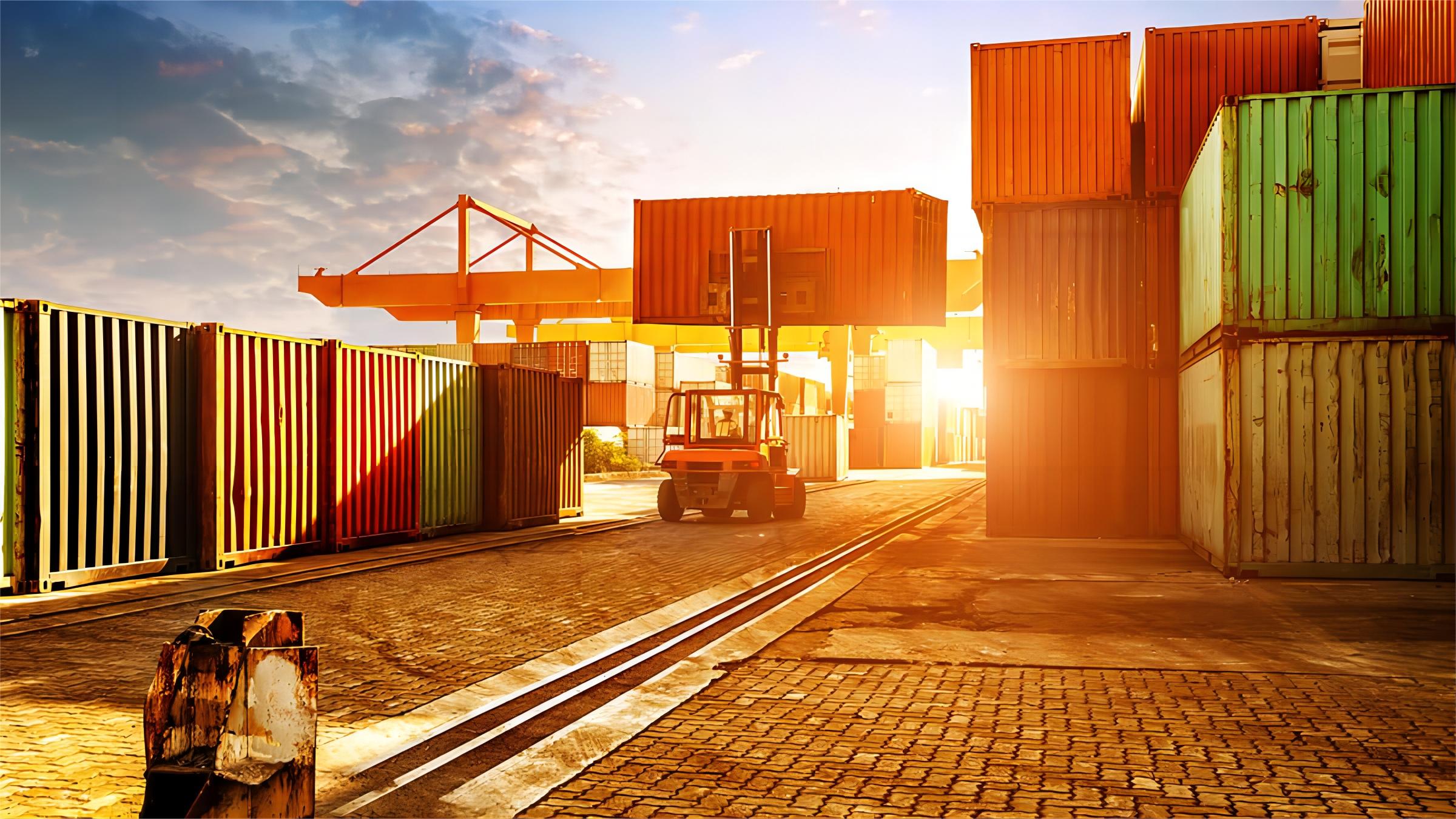
Budget priority dictates that you should choose China FCL port to port to Houston via a transshipment route. This approach offers the lowest possible ocean freight rates China to USA for non-urgent inventory. Speed priority suggests using a direct carrier service from a major hub like Shanghai to minimize time at sea.
Cargo type considerations also play a major role in your final decision. Fragile or high-value items benefit from the reduced handling of FCL shipping compared to LCL. Volume thresholds suggest that if your shipment is over 15 CBM, FCL is almost always the more economical choice for your business.
Hybrid solutions like sea-air combinations are less common for Houston but can be utilized for urgent restocking. To summarize, the best option depends on your specific balance of cost, time, and cargo safety. Effective logistics management involves evaluating these factors for every individual purchase order.
Final Thoughts on Houston FCL Shipping
Summarizing the logistics of China FCL port to port to Houston reveals that preparation is the key to success. By understanding the transit times and cost structures, you can make informed decisions that protect your profit margins. Strategic planning allows you to navigate the complexities of international trade with confidence.
Partnering with an experienced freight forwarder ensures that your cargo is handled with care and reaches its destination on time. Whether you are shipping electronics, furniture, or industrial machinery, the FCL route to Houston remains a cornerstone of trans-Pacific trade. Stay proactive and keep your supply chain moving efficiently.

Ready to streamline your logistics?
Streamline your supply chain today with professional China FCL port to port to Houston services. Our team provides transparent pricing and reliable schedules to help your business grow. Visit our website to request a personalized quote and see how we can optimize your shipping strategy.
Request Quote