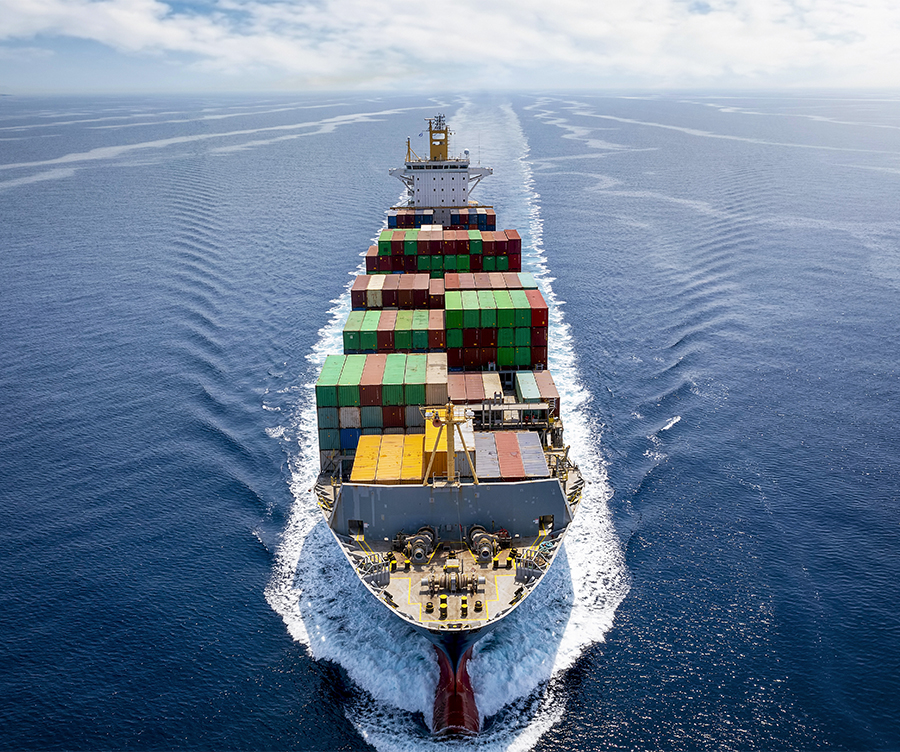
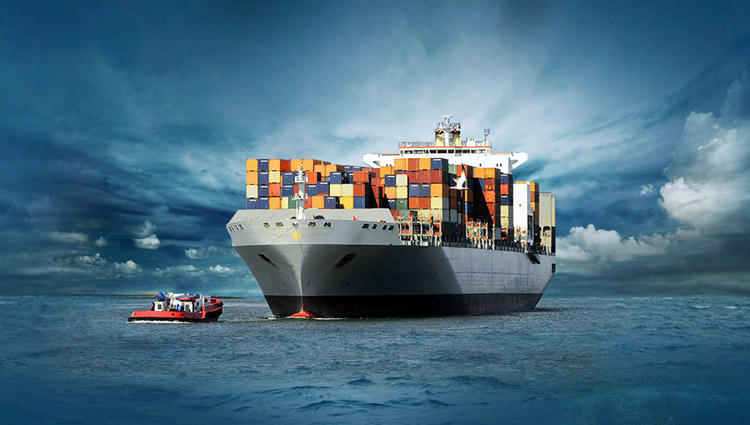
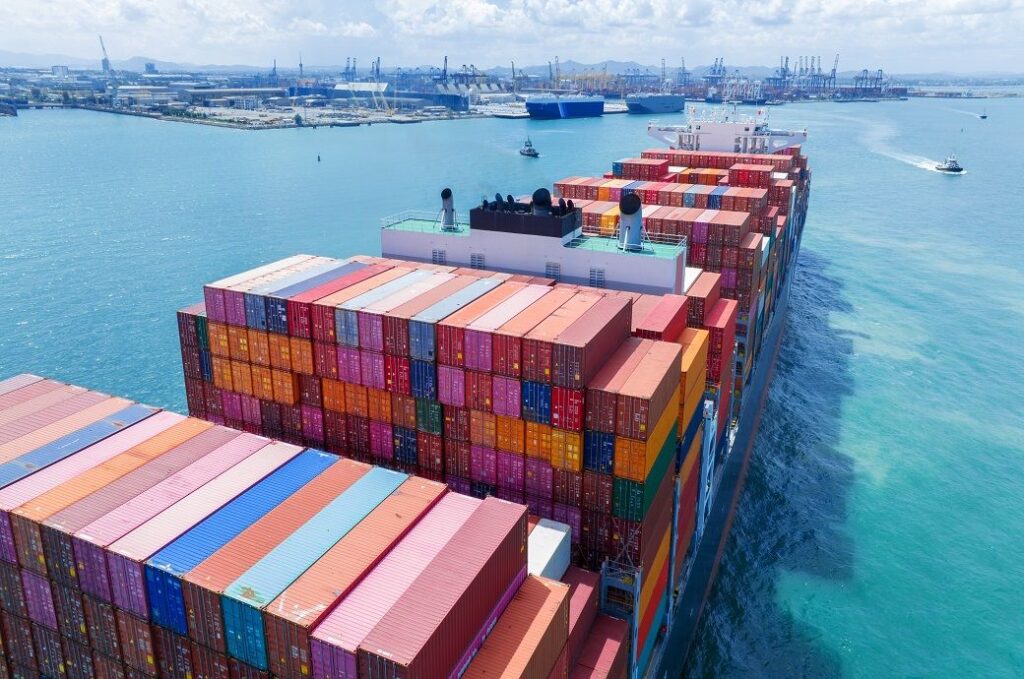
Ocean freight in China plays a central role in global trade, powering supply chains for industries worldwide. China’s extensive port network connects manufacturers to every continent, making sea shipping the backbone of international logistics. However, importers and exporters often face challenges such as rising freight costs, fluctuating schedules, and complex customs requirements. By understanding rates, transit times, and documentation, businesses can ensure smoother and more cost-effective operations.
Why Is Ocean Freight in China So Important?
China accounts for nearly a third of global container traffic. With advanced port infrastructure and high-volume trade, its shipping network is unmatched. Ocean freight dominates because it allows companies to move bulk goods at lower costs compared to air freight, while offering flexible options such as FCL (Full Container Load) and LCL (Less than Container Load).
How Much Does Ocean Freight Cost in China?
Ocean freight costs depend on container size, route, and market demand.
Container Type
Average Cost (USD)
Capacity
Best Use Case
20ft FCL
$850 – $1,200
~28 CBM
Medium cargo loads
40ft FCL
$1,500 – $1,950
~58 CBM
Large shipments
LCL (per CBM)
$40 – $70
Flexible
Small consignments
Note: Prices fluctuate with bunker surcharges, seasonal peaks, and global demand.
FCL (Full Container Load): Cheaper per unit, safer, faster handling, best for volumes over 15 CBM.
LCL (Less than Container Load): Flexible and cost-effective for small cargo, but consolidation may add delays.
Tip: Businesses with regular shipments often use FCL for predictable costs and faster clearance.
What Documents Are Required for Ocean Freight in China?
Accurate paperwork ensures smooth customs procedures.
Document
Purpose
Commercial Invoice
Declares product details and value
Packing List
Shows cargo weight and dimensions
Bill of Lading
Contract and proof of shipment
Certificate of Origin
Confirms manufacturing country
Import/Export License
Required for restricted items
Insurance Certificate
Protects against loss or damage
How Does Customs Clearance Work in China?
Customs clearance in China requires electronic filing with HS code classification, inspection (if needed), and duty payment. Delays usually occur due to incomplete documents or non-compliance with standards. Working with licensed customs brokers helps avoid fines and shipment holds.
Plan early: Book in advance to secure lower rates.
Use FCL for bulk cargo: More cost-effective per CBM.
Leverage consolidation hubs: Reduce costs for small volumes.
Avoid peak seasons: Lunar New Year and Golden Week drive rates higher.
Partner with freight forwarders: Access to negotiated rates and priority space.
Why Work with a Freight Forwarder in China?
Freight forwarders simplify the shipping process by:
Negotiating better rates with carriers.
Managing customs clearance and compliance.
Coordinating warehousing and distribution.
Offering multimodal solutions for complex routes.
This expertise ensures that businesses reduce risks, save money, and maintain supply chain reliability.
Conclusion
Ocean freight in China remains the most practical and cost-effective logistics solution for global trade. Despite challenges like fluctuating rates and customs complexity, careful planning and professional support make the process smoother. By choosing the right shipping method, preparing documents accurately, and working with experienced freight forwarders, businesses can optimize costs and improve delivery schedules.
Looking for affordable and reliable ocean freight in China? Our expert team offers competitive container rates, efficient customs clearance, and end-to-end logistics solutions tailored to your needs. Contact us today to streamline your imports and exports.