

Rail freight has become an important pillar of China’s logistics industry, linking domestic production hubs with global trade partners. Yet many importers and supply chain managers still wonder: what is the average speed of freight train in China, and how does it affect shipping time and costs? This complete guide explores train speeds, influencing factors, and practical insights for supply chain optimization.

What Is the Average Speed of Freight Train in China?
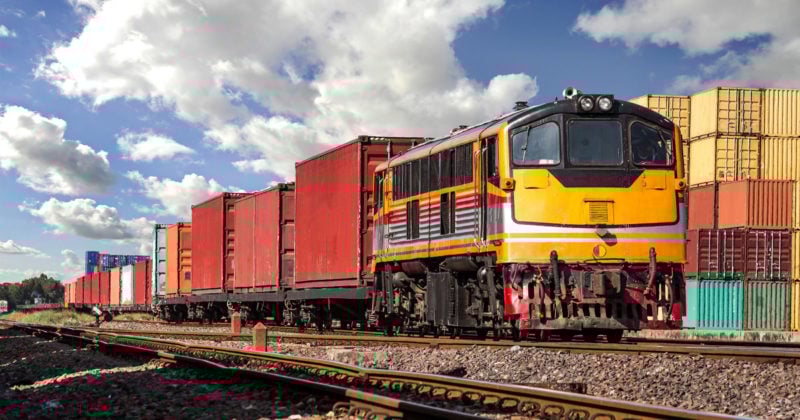
The average speed of freight train in China typically ranges between 60–80 km/h for domestic routes. International trains, such as those running from China to Europe under the Belt and Road Initiative, often operate at 40–60 km/h due to customs inspections, rail gauge changes, and border handling procedures.
Although slower than air freight, freight trains are significantly faster than sea transport, which makes them ideal for businesses balancing cost and speed.
Why Does Freight Train Speed Matter in Logistics?
Transit time directly affects inventory planning and customer satisfaction. Faster rail shipments reduce the need for large stockpiles and enable quicker responses to demand fluctuations. For example, rail freight to Europe typically takes 12–18 days, compared with 30–40 days by sea.
Therefore, rail offers a strong middle ground for industries like automotive, textiles, and electronics that need reliable yet cost-effective shipping.
How Does Rail Speed Compare with Air and Sea Transport?
To understand the advantages of rail freight, it’s essential to compare it with air and sea transport.
| Mode of Transport | Average Speed | Transit Time (China–UK) | Cost per kg | Best For |
|---|---|---|---|---|
| Air Freight | 800–900 km/h | 3–7 days | High | Urgent shipments |
| Rail Freight | 60–80 km/h | 12–18 days | Medium | Balanced trade-offs |
| Sea Freight | 30–40 km/h | 25–40 days | Low | Bulk, non-urgent cargo |
As shown, rail freight strikes a balance, combining faster delivery than sea with lower cost than air.
What Factors Affect the Average Speed of Freight Trains in China?
Several variables influence train speed:
- Rail infrastructure quality: China invests heavily in modern freight corridors.
- Border procedures: Customs inspections slow international routes.
- Cargo type: Hazardous or oversized shipments may require slower handling.
- Seasonal conditions: Harsh winters in Central Asia impact speed.
- Passenger priority: In some regions, passenger trains take precedence over freight.
Because of these factors, businesses must consider both speed and reliability when planning shipments.
How Fast Are Domestic Freight Trains in China?
Within China, freight trains can maintain 60–80 km/h across major industrial corridors. Modernization projects, such as high-speed freight lines, are expected to push speeds higher by 2030.
This efficiency supports domestic distribution of raw materials, manufactured goods, and e-commerce cargo across China’s vast geography.
What Are the Transit Times for International Rail Freight?
Rail freight from China connects to numerous countries via the China–Europe Railway Express and other corridors.
| Route | Distance | Avg. Transit Time | Notes |
|---|---|---|---|
| China – Germany (Duisburg) | ~11,000 km | 14–16 days | Key EU hub |
| China – Poland (Warsaw) | ~9,000 km | 12–14 days | Popular route |
| China – Russia (Moscow) | ~7,000 km | 10–12 days | Shorter route |
| China – UK (London) | ~12,000 km | 16–18 days | Extended journey |
Thus, while average speeds remain steady, predictable scheduling is a major strength of rail freight.
How Do Customs Impact Freight Train Speed?
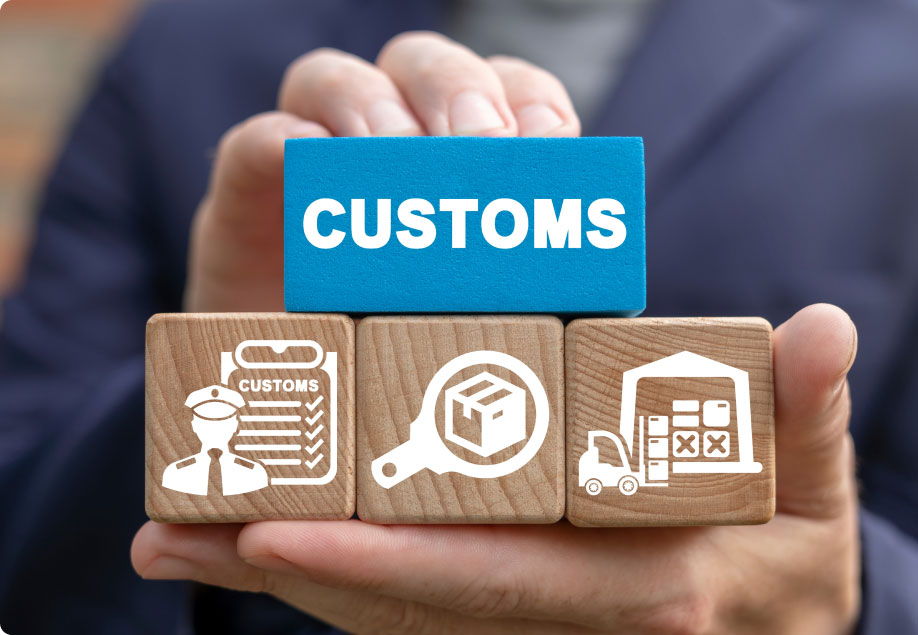
Customs clearance plays a critical role in total shipping time. Each border crossing typically adds 1–2 days for document checks and inspections.
Key documents for smooth clearance include:
- Commercial Invoice
- Packing List
- Rail Waybill
- Certificates of Origin
- Dangerous Goods Declarations
Therefore, preparing accurate paperwork in advance is essential to avoid delays.
What Are the Benefits of Freight Trains for Supply Chains?
Businesses gain multiple advantages from rail freight:
- Balanced lead times: Faster than sea, cheaper than air.
- Sustainability: Rail emits less CO₂ per ton than other modes.
- Capacity: A single train can carry up to 50 containers.
- Extensive coverage: China’s Belt and Road links Asia, Europe, and beyond.
These factors make freight trains attractive for companies seeking greener and more predictable logistics.
How Do Costs Relate to Speed in Rail Freight?
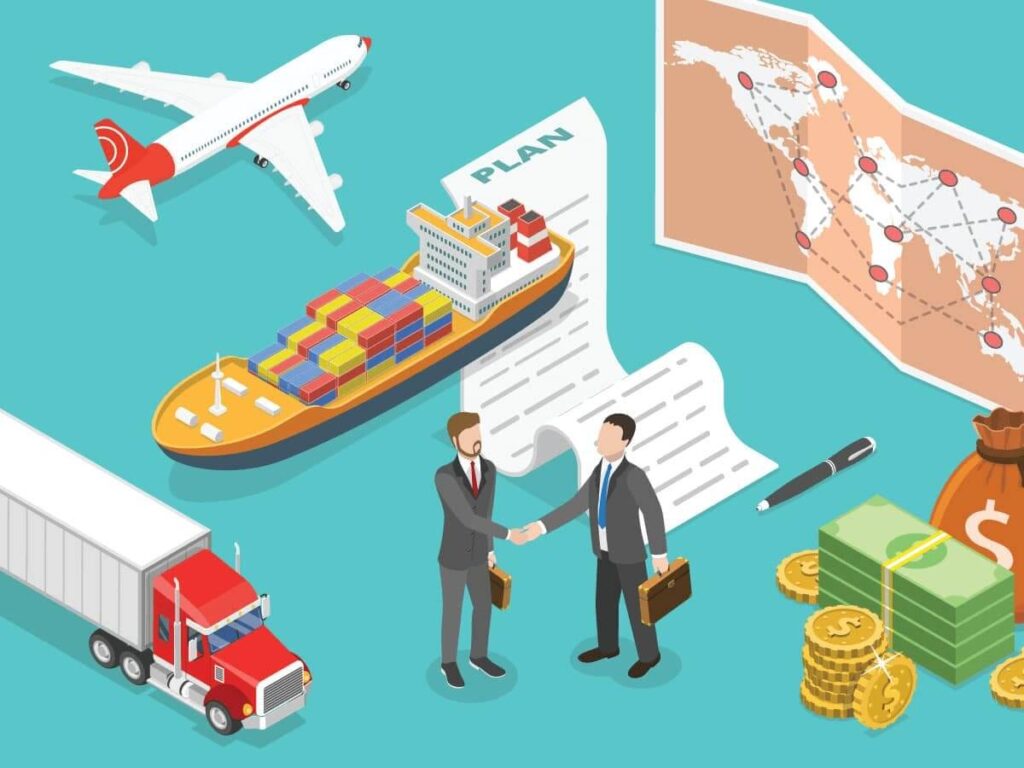
Rail freight costs reflect a balance between transit speed and affordability.
- Air freight: $5–8 per kg
- Rail freight: $2–4 per kg
- Sea freight: $0.5–1 per kg
Therefore, rail is particularly suited for medium-value goods where time savings are critical but air costs are prohibitive.
Should Businesses Use Rail Freight from China?
The decision depends on urgency and cargo type:
- Choose air freight for urgent, high-value items.
- Choose rail freight for moderately urgent shipments.
- Choose sea freight for bulky, non-urgent cargo.
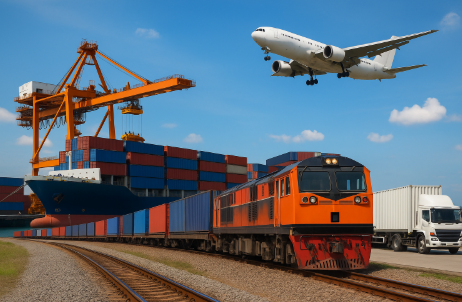
In addition, many companies adopt multimodal strategies, combining rail with air or sea for maximum flexibility.
How to Optimize Freight Train Shipping from China?
Businesses can maximize efficiency by:
- Booking early to secure space in peak seasons.
- Consolidating smaller loads through forwarders.
- Using reliable partners to manage customs clearance.
- Selecting routes with fewer border crossings when possible.
At Top China Forwarder, we offer tailored rail solutions with competitive pricing, efficient customs support, and reliable transit schedules.
What Trends Shape the Future of Freight Train Speed in China?
China is investing in:
- High-speed freight rail projects expected to increase speeds by 20–30% by 2030.
- Digital tracking systems for improved cargo visibility.
- Greener technologies to reduce emissions.
Therefore, businesses can expect faster, cleaner, and more transparent rail freight in the near future.
Conclusion
The average speed of freight train in China is 60–80 km/h domestically and 40–60 km/h internationally. Transit times to Europe average 12–18 days, offering a strong balance between cost and efficiency. By leveraging rail freight, businesses can reduce costs, accelerate delivery, and strengthen supply chain resilience.
Need a quote?
Ready to get started? Contact us now to request a free shipping quote.
Frequently Asked Questions (FAQ)
How do freight train speeds affect e-commerce supply chains?
Faster rail transit allows online sellers to replenish stock more quickly, reducing stockouts and improving customer satisfaction.
Can rail freight handle small parcel shipments?
Yes, consolidation services allow smaller loads to share containers, making rail accessible to SMEs.
Are refrigerated goods suitable for rail transport?
Yes, reefer containers keep goods like food and medicine safe over long distances.
How reliable are freight train schedules in China?
Schedules are generally dependable, though border inspections may add minor delays.
Which industries benefit most from rail freight speed?
Electronics, automotive, textiles, and machinery gain the most from the cost-speed balance.