

Amazon FBA Shipping China Factory Shipping Saudi Arabia: 2025 Guide
Navigating the complexities of amazon fba shipping china factory shipping saudi arabia requires a deep understanding of international logistics and regional regulations. Successfully managing this supply chain ensures that your inventory reaches the Kingdom of Saudi Arabia efficiently and without unexpected delays. By partnering with an experienced Top China Forwarder, sellers can streamline their operations from the manufacturing floor directly to Amazon fulfillment centers. This comprehensive guide explores every aspect of the shipping process, providing actionable insights for both new and established e-commerce entrepreneurs.

How to Manage Amazon FBA Shipping China Factory Shipping Saudi Arabia?
Managing the logistics from a Chinese factory to a Saudi Arabian Amazon warehouse involves several critical steps that must be executed with precision. Every seller must first ensure that their products comply with Saudi Arabian Standards, Metrology and Quality Organization (SASO) requirements before leaving the factory. Consequently, coordination between the supplier and the freight forwarder becomes the backbone of a successful shipment.
Establishing a clear communication channel with your manufacturer allows for better planning regarding lead times and production schedules. Furthermore, you must determine whether your shipment will be handled as a Full Container Load (FCL) or Less than Container Load (LCL) based on your current inventory needs. Therefore, selecting the right logistics partner is the most important decision you will make in this process.
Freight forwarders specialized in the Middle East market understand the nuances of Saudi customs and the specific labeling requirements for Amazon FBA. Additionally, they can provide guidance on the SABER platform, which is mandatory for most consumer goods entering the Kingdom. Meanwhile, staying updated on regional trade policies will help you avoid costly compliance errors during transit.
What are the Main Shipping Methods to Saudi Arabia?
Choosing the appropriate transport mode depends heavily on your budget, the nature of your goods, and how quickly you need to restock. For most large-scale Amazon sellers, sea freight remains the most economical choice for bulk shipments. However, when time is of the essence, air freight offers a significantly faster alternative despite the higher costs.
Logistics providers often suggest a balanced approach, using sea freight for core inventory and air freight for urgent restocks or high-demand periods. Specifically, the choice between these methods will impact your landed cost and overall profit margins on the Amazon platform. Nevertheless, both methods require meticulous documentation to ensure smooth passage through Saudi ports of entry.
Market data suggests that over 80 percent of heavy cargo from China to Saudi Arabia moves via ocean routes due to the massive cost savings. In contrast, electronics and high-value fashion items frequently utilize air cargo to minimize the risk of damage and reduce transit time. Indeed, understanding the trade-offs between speed and cost is essential for effective supply chain management.
| Shipping Method | Average Cost | Transit Time | Ideal For |
|---|---|---|---|
| Sea Freight (LCL) | $120 – $250 per CBM | 25 – 35 Days | Bulk items, low urgency |
| Sea Freight (FCL) | $1,800 – $3,200 (20GP) | 22 – 30 Days | High volume inventory |
| Air Freight | $4.50 – $8.00 per KG | 5 – 9 Days | Urgent restocks, electronics |
| Express Shipping | $9.00 – $14.00 per KG | 3 – 5 Days | Samples and small parcels |

How Does Sea Freight Compare to Other Shipping Options?
While sea freight is the traditional workhorse of international trade, it is important to analyze how it stands against modern alternatives. For instance, air freight can deliver goods in less than a week, whereas sea freight may take over a month when including port handling. Consequently, the capital tied up in inventory during transit is much higher when opting for ocean routes.
On the other hand, the environmental impact and cost per unit are significantly lower when shipping by sea. Moreover, sea freight allows for the transportation of hazardous materials or oversized items that are often restricted on cargo planes. Accordingly, most sellers prioritize ocean transport for their primary amazon fba shipping china factory shipping saudi arabia strategy to maintain competitive pricing.
Hybrid solutions like sea-air combinations are also becoming more popular for those seeking a middle ground in terms of cost and speed. Without a doubt, the decision should be based on a thorough analysis of your product’s shelf life and your customer’s expectations in the Saudi market. For example, seasonal products might require the speed of air travel to avoid missing peak sales windows.
| Method Comparison | Cost Efficiency | Speed Rank | Volume Capacity |
|---|---|---|---|
| Sea Freight | Very High | Low | Unlimited |
| Air Freight | Low | High | Moderate |
| Direct Express | Very Low | Very High | Low |
| Sea-Air Hybrid | Moderate | Moderate | High |
Navigating Customs Brokerage and SABER Certification
Saudi Arabian customs regulations are known for being stringent, particularly regarding product safety and origin verification. Utilizing a professional customs brokerage service is often the difference between a quick clearance and a weeks-long delay. Furthermore, the implementation of the SABER electronic platform has revolutionized how goods are cleared for entry into the Kingdom.
Importers must register their products on SABER and obtain a Certificate of Conformity (CoC) before the shipment arrives at the port. Additionally, every item must clearly state its country of origin, and the packaging must meet specific Saudi standards to avoid rejection. Consequently, working with a forwarder who understands these local nuances is vital for your amazon fba shipping china factory shipping saudi arabia operations.
Documentation such as the commercial invoice, packing list, and bill of lading must perfectly match the information provided in the SABER system. Therefore, any discrepancy can lead to heavy fines or the mandatory return of the cargo to China. Meanwhile, staying informed about the latest changes in Saudi customs law will help you maintain a seamless supply chain.
| Document Type | Requirement Level | Purpose | Issuer |
|---|---|---|---|
| Commercial Invoice | Mandatory | Value Declaration | China Factory |
| Packing List | Mandatory | Content Verification | China Factory |
| SABER Certificate | Mandatory | Safety Compliance | SASO / Importer |
| Bill of Lading | Mandatory | Title of Goods | Shipping Line |
Which Option Should You Choose?
Selecting the best shipping strategy requires a clear understanding of your business priorities and inventory cycles. If your primary goal is budget optimization, sea freight is the undisputed winner for large volumes. Conversely, if you are launching a new product and need to test the market quickly, air freight provides the agility needed for rapid iteration.
Cargo type also plays a significant role, as fragile or high-value items often benefit from the reduced handling associated with air transport. Additionally, volume thresholds often dictate the switch from LCL to FCL shipping to maximize container utilization. Therefore, sellers should calculate their total landed cost for each method before making a final commitment.
Industry experts recommend maintaining a diversified logistics strategy to mitigate risks such as port congestion or seasonal rate spikes. For instance, keeping a small buffer of stock that can be shipped via express service ensures you never go out of stock during peak periods. As a result, a flexible approach to amazon fba shipping china factory shipping saudi arabia will protect your seller rating and customer satisfaction.
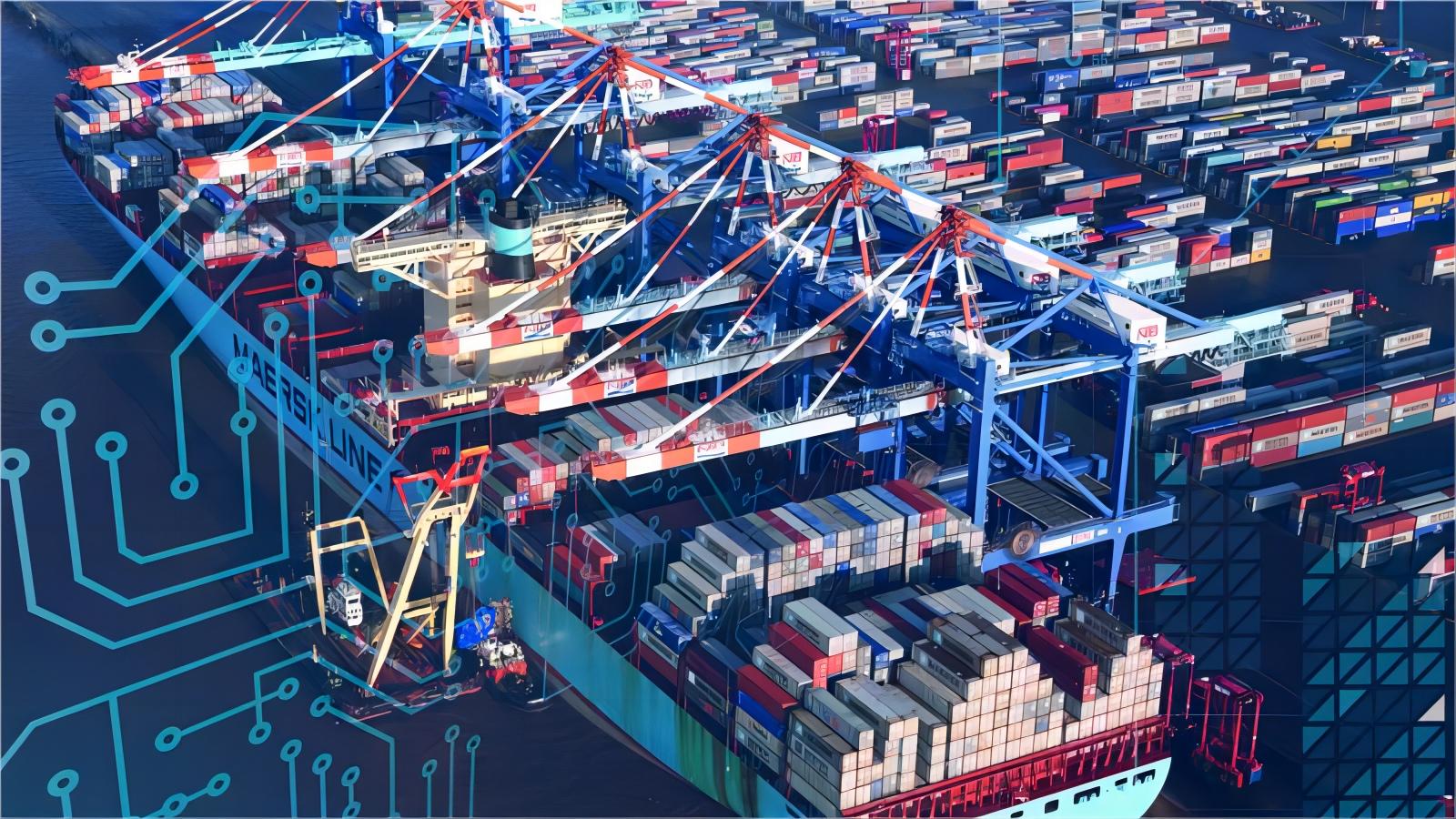
The Benefits of Door to Door Shipping
Implementing a door to door shipping model simplifies the entire logistics chain by providing a single point of accountability. Instead of managing multiple vendors, the seller relies on one forwarder to handle factory pickup, international transport, and final delivery to the FBA warehouse. Moreover, this approach often includes customs clearance and duty payment, reducing the administrative burden on the seller.
Efficiency is greatly improved because the forwarder coordinates every handoff, minimizing the time goods spend sitting in warehouses or ports. Specifically, for Saudi FBA sellers, this means less time worrying about local transport from Jeddah or Dammam to the inland Amazon centers. Consequently, you can focus more on marketing and sales rather than the minutiae of freight movement.
Usually, door-to-door services provide better visibility through integrated tracking systems, allowing you to monitor your inventory’s progress in real-time. Nevertheless, ensure that your chosen provider has a strong local network within Saudi Arabia to handle the last-mile delivery effectively. Indeed, a reliable end-to-end solution is often the most cost-effective choice when considering the value of your time.
Real-World Case Studies for Saudi FBA Shipments
Examining real-world scenarios provides valuable context for the costs and timelines associated with shipping from China to Saudi Arabia. Based on market rates from early 2025, these examples illustrate typical outcomes for different cargo types and shipping methods. These cases highlight the importance of proper planning and documentation in achieving successful delivery.
Case Study 1: Electronics from Ningbo Route: Ningbo, China to Riyadh, Saudi Arabia Cargo: Smartphone Accessories, 12 CBM, 2,800 kg Container: LCL (Less than Container Load) Shipping Details: – Carrier: Major Ocean Carrier via Jeddah – Port of Loading: Ningbo – Port of Discharge: Jeddah Islamic Port – Route Type: Transshipment Cost Breakdown: – Ocean Freight: $2,100 – Origin Charges: $450 – Destination Charges: $650 – Customs and Duties: $800 – Total Landed Cost: $4,000 Timeline: – Booking to Loading: 4 days – Sea Transit: 24 days – Customs Clearance: 5 days – Total Door-to-Door: 33 days Key Insight: Early SABER registration prevented potential delays at the Jeddah port.
Case Study 2: Fashion Apparel via Air Route: Shenzhen, China to Dammam, Saudi Arabia Cargo: Seasonal Clothing, 3 CBM, 550 kg Service: Air Freight Shipping Details: – Carrier: Direct Cargo Flight – Port of Loading: Shenzhen (SZX) – Port of Discharge: Dammam (DMM) – Route Type: Direct Cost Breakdown: – Air Freight: $3,575 – Origin Handling: $250 – Destination Handling: $300 – Customs and Duties: $950 – Total Landed Cost: $5,075 Timeline: – Booking to Loading: 2 days – Air Transit: 2 days – Customs Clearance: 3 days – Total Door-to-Door: 7 days Key Insight: Using air freight allowed the seller to capitalize on a sudden trend, recovering the higher shipping cost through rapid sales.
Note: Freight rates are subject to change based on fuel costs, carrier capacity, and seasonal demand. Contact us for a current quote tailored to your specific shipment.
Cost-Saving Strategies for Amazon Sellers
Reducing your logistics expenses is a direct way to increase your bottom line in the competitive Amazon marketplace. One effective strategy is to optimize your packaging to reduce the volumetric weight of your shipments, especially when using air freight. Additionally, consolidating small orders from multiple factories into a single LCL or FCL shipment can significantly lower per-unit costs.
Negotiating long-term contracts with your freight forwarder can also lead to more stable and lower rates compared to the spot market. Furthermore, choosing the right Incoterms, such as FOB (Free on Board), gives you more control over the shipping process and costs than CIF (Cost, Insurance, and Freight). Therefore, being proactive in your logistics planning is essential for long-term sustainability.
Importers should also stay vigilant about seasonal fluctuations, as rates typically spike during the months leading up to Ramadan and the year-end holidays. By shipping inventory ahead of these peak periods, you can avoid both premium pricing and port congestion. Meanwhile, utilize an express service only for the most critical shipments to keep your overall logistics budget in check.

Mastering Your Saudi FBA Logistics
Successfully executing amazon fba shipping china factory shipping saudi arabia is a multi-faceted challenge that rewards the well-prepared seller. By understanding the differences between sea and air freight, mastering the SABER system, and choosing the right logistics partner, you can build a resilient supply chain. Remember that consistency and compliance are the keys to avoiding delays and maintaining a healthy seller account on Amazon.
As the Saudi e-commerce market continues to expand, those who can navigate the logistics from China with efficiency will have a significant competitive advantage. Always stay informed about market trends and be ready to adapt your shipping strategy as your business grows. Ultimately, a strategic approach to shipping is not just a cost of doing business, but a powerful tool for scaling your brand in the Middle East.
Ready to streamline your logistics?
Ready to optimize your amazon fba shipping china factory shipping saudi arabia? Contact Top China Forwarder today for a customized quote and expert guidance on navigating Saudi customs. Visit our website to streamline your supply chain and grow your business with reliable logistics solutions. Let us handle the complexity while you focus on scaling your Amazon store. Send Inquiry: https://topchinaforwarder.com
Request Quote