

Amazon FBA Shipping China Canada: The Ultimate 2025 Logistics Guide
Navigating the complexities of amazon fba shipping china canada requires a strategic approach to ensure your inventory arrives safely and on time. By partnering with Top China Forwarder, sellers can streamline their logistics and focus on growing their business. Understanding the nuances of international trade is essential for maintaining a healthy profit margin in the competitive Canadian market. This guide provides actionable insights into shipping methods, costs, and customs procedures for Amazon sellers.
What is the Best Method for Amazon FBA Shipping China Canada?
Choosing the right transportation mode is the first critical decision for any Amazon seller importing from China. Your choice directly impacts your profit margins and inventory turnover rates. Most sellers balance speed and cost by selecting between ocean freight and air transport. Consequently, your specific cargo volume and urgency will dictate the most efficient path forward.
Furthermore, the geographical layout of Canada means that destination ports like Vancouver or Prince Rupert offer faster access than East Coast ports. Shipping to Toronto or Montreal often involves intermodal transport via rail from the West Coast. Therefore, planning your route based on your assigned FBA warehouse location is vital for reducing domestic transit times.
Additionally, market conditions in 2025 suggest that freight rates have stabilized following previous global disruptions. However, seasonal peaks still cause fluctuations in both pricing and container availability. Indeed, staying informed about these trends allows you to book shipments during off-peak windows to save significant costs.
How Does Sea Freight Compare to Other Shipping Options?
Specifically, sea freight remains the most popular choice for large-scale Amazon FBA shipments due to its cost-effectiveness. While it offers the lowest price per unit, it also requires the longest lead time. This trade-off is often acceptable for high-volume products with predictable demand cycles.
In contrast, air freight serves as a faster alternative for urgent restocks or high-value items. On the other hand, express services provide the ultimate speed for small parcels but at a premium price point. To help you decide, we have compiled a comparison of the primary shipping methods available for the China to Canada route.
Note: Freight rates are subject to change based on fuel costs, carrier capacity, and seasonal demand. Contact us for a current quote tailored to your specific shipment.
| Shipping Method | Cost Range | Transit Time | Best For |
|---|---|---|---|
| Sea Freight (FCL) | $2,500 – $4,500 | 18 – 35 Days | Bulk inventory |
| Sea Freight (LCL) | $150 – $300/CBM | 25 – 40 Days | Medium shipments |
| Air Freight | $5.00 – $9.00/kg | 5 – 10 Days | Urgent restocks |
| Express Service | $8.00 – $15.00/kg | 3 – 6 Days | Small samples |
Navigating Air Freight for Time-Sensitive Inventory
When your stock levels are low, air freight is the most reliable way to prevent an out-of-stock status on Amazon. This method significantly reduces the time your capital is tied up in transit. Moreover, air transport offers higher security and less risk of damage compared to ocean voyages.
Typically, air shipments arrive at major Canadian hubs like Vancouver (YVR) or Toronto (YYZ) within a week. From there, the goods undergo customs clearance before being trucked to the FBA warehouse. Consequently, this speed allows you to respond quickly to sudden spikes in consumer demand.
However, the cost of air freight is calculated based on either actual weight or volumetric weight. Therefore, optimizing your packaging to reduce empty space is essential for minimizing expenses. For instance, removing unnecessary outer boxes can lead to substantial savings over multiple shipments.
Utilizing Express Services for Small Batches
For new product launches or small inventory batches, an express service like DHL, UPS, or FedEx is often the most convenient choice. These carriers handle the entire logistics process, including the final mile delivery to Amazon. Indeed, the door-to-door nature of express shipping simplifies the experience for many first-time sellers.
Specifically, express shipping provides real-time tracking and guaranteed delivery windows. Although the cost per kilogram is higher, the administrative ease often offsets the price for smaller volumes. Furthermore, these services usually include basic customs handling, which streamlines the import process.
Nevertheless, once your shipment exceeds 150 kilograms, the cost-benefit ratio begins to favor traditional air or sea freight. As a result, many sellers transition away from express shipping as their business scales. Always compare the total landed cost before committing to a specific carrier.
The Importance of Professional Customs Brokerage
Navigating the Canadian Border Services Agency (CBSA) requirements is a complex task for international sellers. Engaging a professional customs brokerage service ensures that your documentation is accurate and compliant. Consequently, this prevents costly delays and potential fines at the border.
Moreover, Canada has specific regulations regarding product labeling and safety standards that must be met. For example, all products must have English and French descriptions if they are intended for retail sale in certain provinces. Therefore, having an expert review your paperwork before the goods leave China is a proactive strategy for success.
Additionally, you must understand the Goods and Services Tax (GST) and any applicable duties for your specific product category. While some items may be duty-free under trade agreements, others might attract significant tariffs. Indeed, a thorough cost analysis should always include these government fees.
| Document Name | Responsibility | Purpose | Criticality |
|---|---|---|---|
| Commercial Invoice | Supplier | Value declaration | High |
| Packing List | Supplier | Content details | High |
| Bill of Lading | Carrier | Title of goods | High |
| Certificate of Origin | Supplier | Duty assessment | Medium |
Optimizing Your Supply Chain with Door to Door Logistics
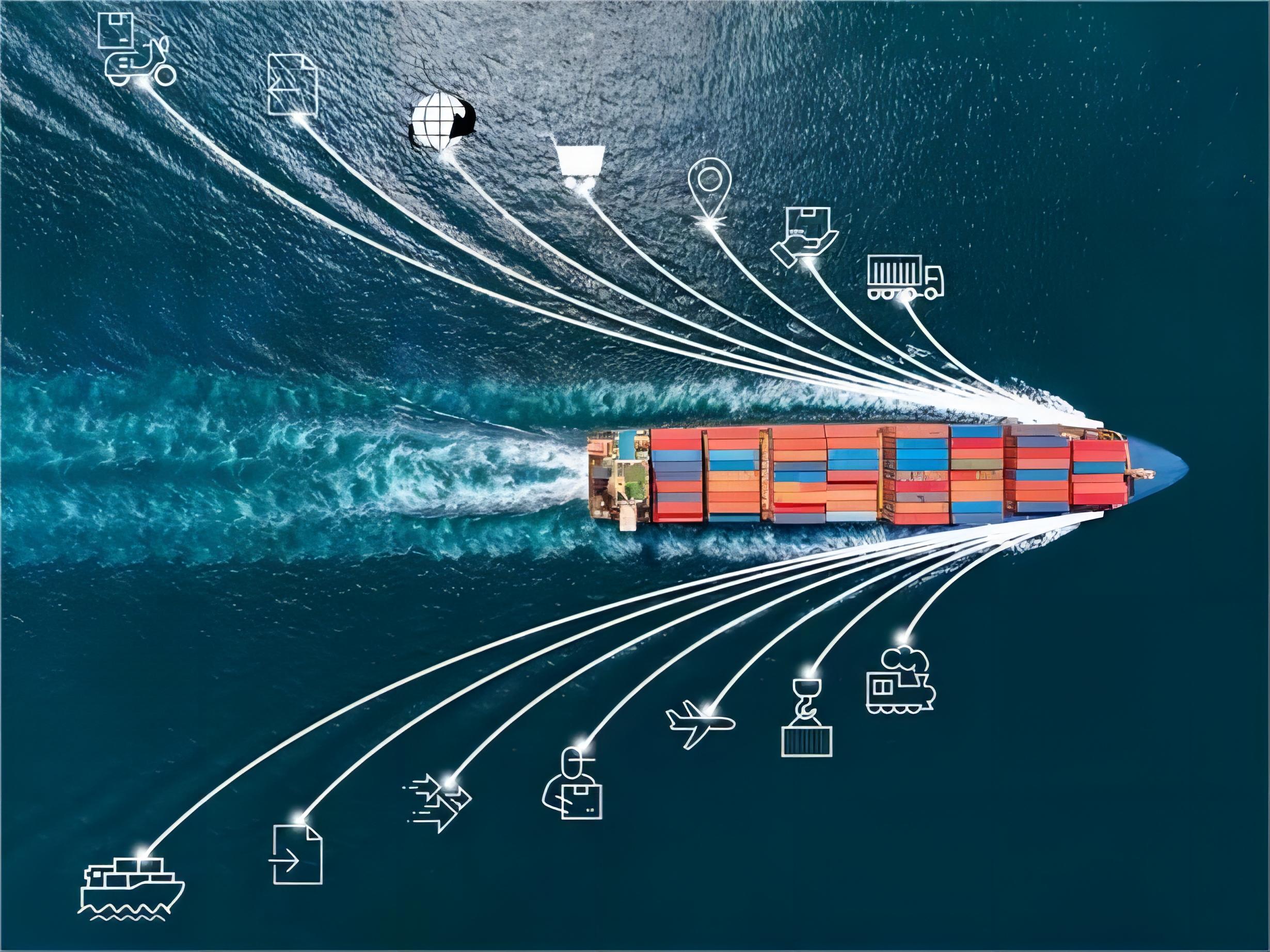
A door to door shipping solution provides the most seamless experience for Amazon FBA sellers. This service covers every step from the factory floor in China to the Amazon fulfillment center in Canada. Consequently, you do not need to manage multiple service providers or worry about intermediate transfers.
Furthermore, this model often includes FBA prep services such as labeling, palletizing, and kitting. Because Amazon has strict requirements for how inventory is received, these prep services are vital for avoiding shipment rejections. Therefore, choosing a forwarder who understands FBA standards is a major competitive advantage.
In addition, door-to-door pricing is typically all-inclusive, which makes budgeting much easier for your business. You receive a single quote that covers freight, duties, and local delivery. Indeed, this transparency helps you calculate your exact profit per unit with greater accuracy.
Real-World Case Studies for Amazon FBA Shipping China Canada
To illustrate the practical application of these shipping methods, we have analyzed several recent shipments. These examples reflect the current market conditions and typical costs for common routes. Please note that these figures are based on early 2025 data and should serve as a general reference.
Each case highlights different challenges and solutions tailored to the needs of Amazon sellers. By examining these scenarios, you can better understand which strategy aligns with your current business goals. Furthermore, these details demonstrate the importance of choosing the right port of entry based on the final destination.
Case Study 1: Small Appliance Shipment Route: Ningbo, China to Toronto (YYZ4), Canada Cargo: Kitchen appliances, 8 CBM, 1,200 kg Container: LCL (Less than Container Load) Shipping Details: – Carrier/Service: Major ocean carrier via Vancouver – Port of Loading: Ningbo – Port of Discharge: Vancouver (Intermodal to Toronto) – Route Type: Transshipment via rail Cost Breakdown: – Ocean Freight: $1,450 – Origin Charges: $250 – Destination Charges: $400 – Customs and Duties: $850 – Total Landed Cost: $2,950 Timeline: – Booking to Loading: 5 days – Sea Transit: 18 days – Rail and Customs: 12 days – Total Door-to-Door: 35 days Key Insight: Using LCL allowed the seller to maintain stock without the expense of a full container. The intermodal rail link was the most efficient way to reach Ontario from the West Coast.
Case Study 2: Electronics Restock Route: Shenzhen, China to Richmond (YVR), Canada Cargo: Consumer electronics, 450 kg Container: Air Freight (Loose cargo) Shipping Details: – Carrier/Service: Air China Cargo – Port of Loading: Shenzhen (SZX) – Port of Discharge: Vancouver (YVR) – Route Type: Direct flight Cost Breakdown: – Air Freight: $3,150 – Origin Charges: $150 – Destination Charges: $200 – Customs and Duties: $1,200 – Total Landed Cost: $4,700 Timeline: – Booking to Loading: 2 days – Air Transit: 1 day – Customs Clearance: 2 days – Total Door-to-Door: 5 days Key Insight: Air freight was chosen to prevent a stockout during a peak sales event. The direct flight from Shenzhen to Vancouver minimized handling risks.
Which Option Should You Choose?
Determining the best shipping strategy depends on your specific business priorities and the nature of your products. If your primary goal is to maximize profit margins, sea freight is the logical choice for high-volume goods. However, if you are launching a new product and need to test the market quickly, air freight or express shipping is more suitable.
Specifically, you should consider the following criteria when making your decision: budget constraints, inventory turnover speed, and the physical characteristics of your cargo. For example, heavy or bulky items are almost always better suited for ocean transport. Conversely, lightweight, high-value items benefit from the security and speed of air travel.
Moreover, a hybrid strategy often works best for growing brands. You might ship the bulk of your inventory via sea while keeping a small portion in reserve to be sent via air if sales exceed expectations. As a result, you maintain a flexible supply chain that can adapt to market fluctuations.
Final Thoughts on Shipping from China to Canada
In conclusion, mastering amazon fba shipping china canada is a vital skill for any successful e-commerce entrepreneur. By understanding the differences between sea, air, and express shipping, you can make informed decisions that protect your bottom line. Furthermore, working with an experienced freight forwarder simplifies the complexities of customs and local delivery.
As the Canadian market continues to grow, having a robust supply chain will be your greatest asset. Therefore, always plan ahead, stay updated on market rates, and ensure your documentation is flawless. With the right strategy, your Amazon business can thrive in the North American landscape.
Ready to streamline your logistics?
Streamline your amazon fba shipping china canada today by requesting a custom quote from our logistics experts. Our team is ready to help you optimize your costs and ensure your inventory reaches Canadian warehouses without delay. Send Inquiry to get started with a reliable partner.
Request Quote