

40HQ FCL Transit Time for Textiles from China to Ireland
Managing the 40HQ FCL transit time for textiles from China to Ireland effectively is vital for maintaining a healthy retail inventory. By partnering with Top China Forwarder, businesses can navigate the complexities of international logistics with ease. Consequently, understanding the schedules and potential delays ensures your garment collections arrive precisely when the Irish market demands them.

Understanding the 40HQ FCL Transit Time for Textiles from China to Ireland
Typically, the 40HQ FCL transit time for textiles from China to Ireland ranges between 35 and 45 days. This duration accounts for the vast distance covered by ocean freight vessels traveling from major Chinese ports like Shanghai or Ningbo to Dublin. Furthermore, various factors such as weather conditions and port congestion can influence the final arrival date.
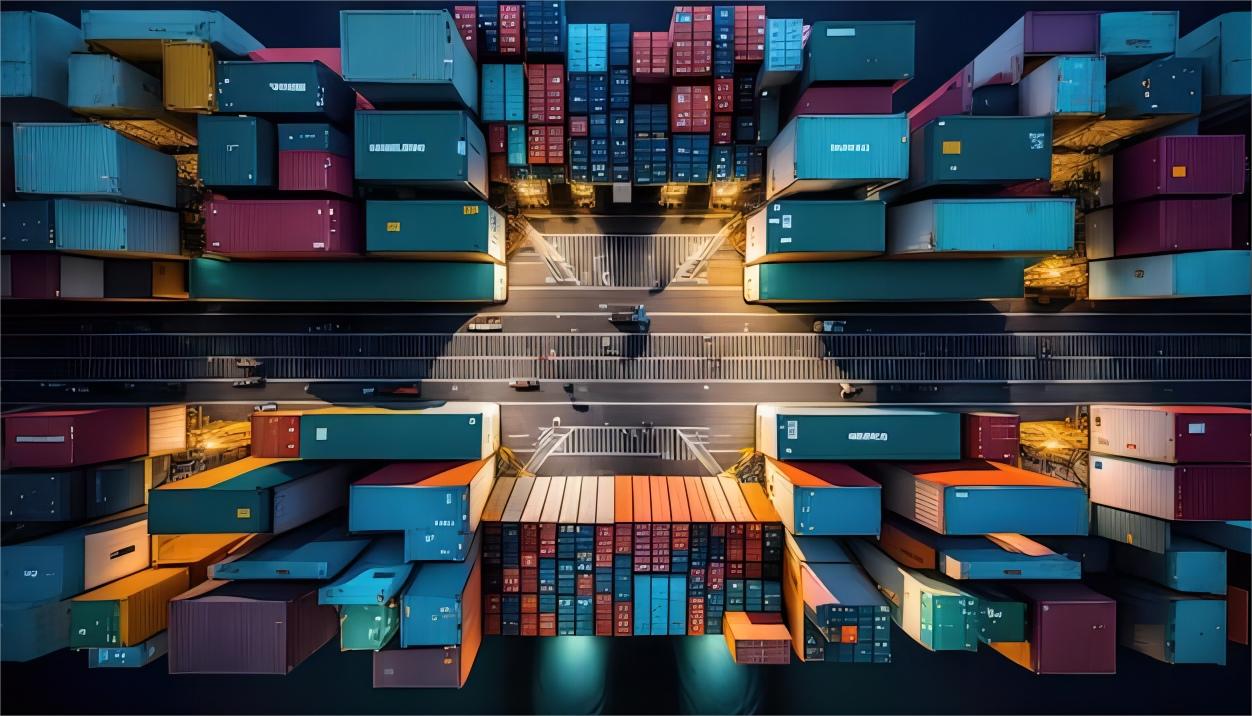
Selecting a 40HQ container provides the necessary volume for bulky textile shipments while offering a better cost-per-unit ratio than smaller containers. Moreover, using a Full Container Load (FCL) minimizes handling risks because the container remains sealed until it reaches the destination. Therefore, importers often prefer this method for high-volume garment logistics.
How Does Sea Freight Compare to Other Shipping Options?
While sea freight is the most common choice for textiles, alternative strategies exist for different business needs. For instance, sea freight remains the most economical solution for large-scale imports. In contrast, air freight offers significantly faster delivery for urgent fashion launches.
Rail freight serves as a middle-ground solution, although its availability for Ireland involves transshipment through continental Europe. Consequently, businesses must weigh the trade-offs between speed and textile shipping rates when planning their supply chain.
| Shipping Method | Cost Range (40HQ) | Transit Time | Best For |
|---|---|---|---|
| Sea Freight | $3,200 – $4,500 | 35-45 Days | Bulk Textiles |
| Air Freight | $15,000 – $25,000 | 5-8 Days | Urgent Samples |
| Rail Freight | $6,000 – $8,500 | 22-28 Days | Mid-sized batches |
Key Factors Affecting Your Textile Supply Chain
Port of loading selection plays a significant role in determining the overall ocean freight transit time. Specifically, ports in South China like Shenzhen might offer slightly different schedules compared to Northern ports. Additionally, the efficiency of the freight forwarder in handling documentation can prevent unnecessary delays at the departure point.
Customs clearance in Ireland is another critical phase that requires meticulous preparation. Indeed, any errors in the commercial invoice or packing list can lead to expensive storage fees at the Dublin port. Consequently, working with experienced professionals ensures a smoother transition through Irish customs.
Realistic Case Studies for China to Ireland Textile Routes
Case Study 1: High-Volume Seasonal Apparel. Route: Shanghai to Dublin. Cargo: Cotton garments, 68 CBM, 12,000 kg. Container: 40HQ. Shipping Details: Direct sea transit via major carrier. Ocean Freight: $3,850. Origin Charges: $450. Destination Charges: $600. Customs and Duties: $1,200. Total Landed Cost: $6,100. Timeline: 38 days sea transit, 43 days door-to-door. Key Insight: Booking 3 weeks in advance secured a lower rate during the Q3 peak.
Case Study 2: Fast-Fashion Restock. Route: Guangzhou to Cork via Rotterdam. Cargo: Synthetic textiles, 65 CBM. Container: 40HQ. Shipping Details: Transshipment route. Ocean Freight: $3,400. Origin Charges: $400. Destination Charges: $550. Customs: $1,100. Total Landed Cost: $5,450. Timeline: 42 days sea transit, 48 days total. Key Insight: Transshipment saved $400 but added 5 days to the schedule.
Strategies to Optimize China to Ireland Shipping Cost
Importers can reduce their China to Ireland shipping cost by optimizing the way they pack their 40HQ containers. For example, using vacuum packing for certain textiles can increase the total volume of goods per shipment. Furthermore, consolidating orders from multiple suppliers into a single FCL shipment reduces administrative overhead.
Utilizing customs brokerage services helps in identifying the correct HS codes for various textile materials. This precision prevents overpayment of import duties Ireland. Additionally, staying informed about logistics trends allows businesses to avoid peak season surcharges by shipping during slack periods.
Note: Freight rates are subject to change based on fuel costs, carrier capacity, and seasonal demand. Contact us for a current quote tailored to your specific shipment.
| Port of Loading | Port of Discharge | Direct Transit | Transshipment |
|---|---|---|---|
| Shanghai | Dublin | 36 Days | 42 Days |
| Ningbo | Dublin | 37 Days | 44 Days |
| Shenzhen | Dublin | 34 Days | 40 Days |
Selecting the Right Logistics Approach for Your Business
Choosing between FCL and LCL depends largely on your total shipment volume. If your cargo exceeds 15 CBM, a full container is usually more cost-effective. Moreover, door to door services provide the highest level of convenience by managing the entire journey from the Chinese factory to your Irish warehouse.
Budget priority dictates choosing sea freight for its low cost. However, if speed is your main concern, hybrid sea-air solutions might offer a compromise. Indeed, analyzing your specific cargo type and delivery deadlines will reveal the most efficient path forward.

Summary of Textile Shipping to Ireland
Successfully managing the 40HQ FCL transit time for textiles from China to Ireland requires a balance of early planning and professional expertise. By understanding the factors that influence sea freight schedules, importers can maintain a reliable textile supply chain. Furthermore, choosing the right shipping method and optimizing container space will lead to significant cost savings. Ultimately, a well-executed logistics strategy is the backbone of a successful textile business in Ireland.
Ready to streamline your logistics?
Are you ready to optimize your textile imports? Contact Top China Forwarder today to get a precise quote on 40HQ FCL transit time for textiles from China to Ireland and secure the best market rates for your next shipment.
Request Quote