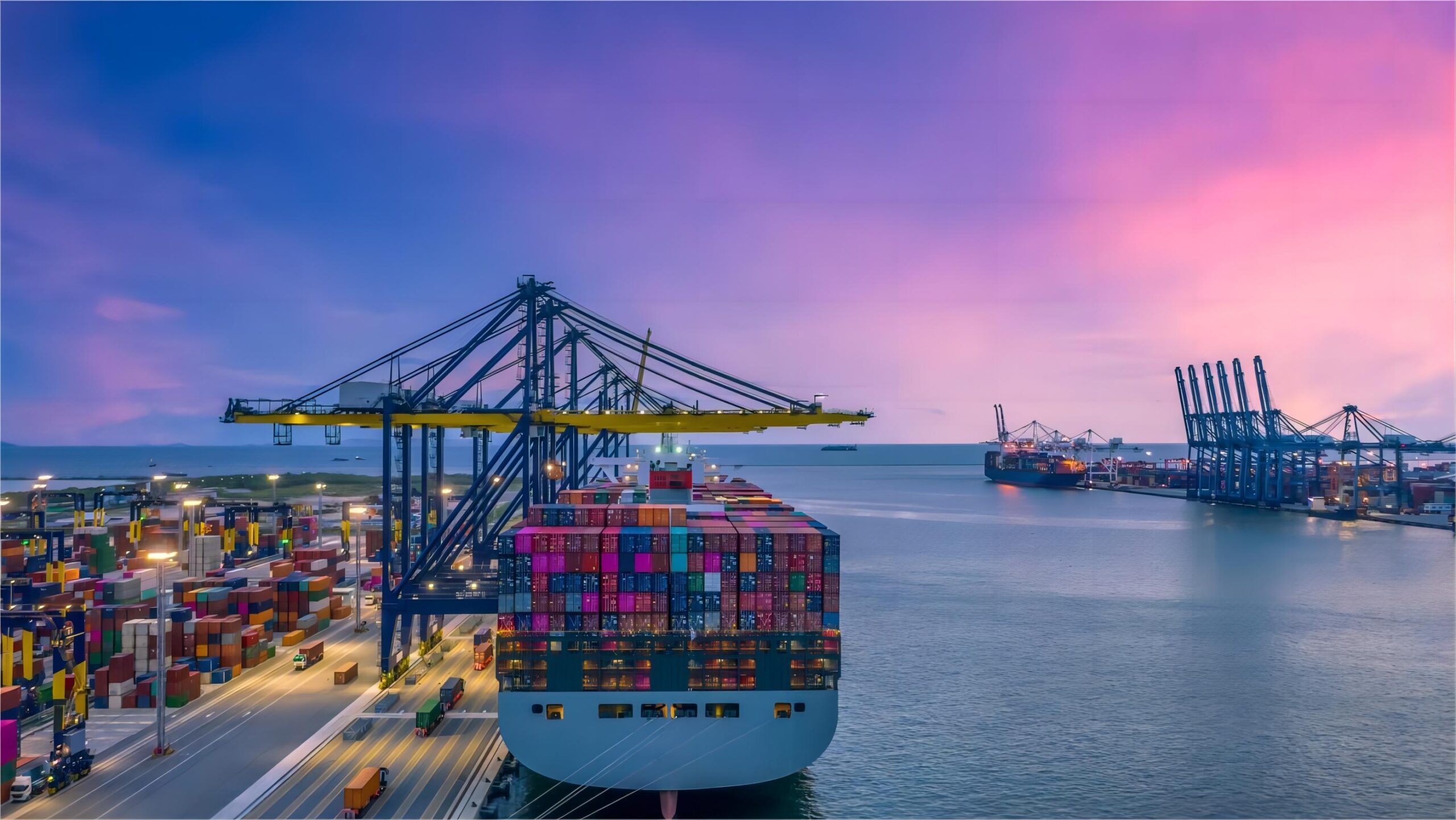
40HQ FCL Sailing Schedule for Electronics from China to Texas: 2025 Guide
Navigating the 40HQ FCL sailing schedule for electronics from China to Texas is essential for maintaining a robust supply chain in the competitive tech market. Therefore, businesses must partner with a reliable Top China Forwarder to ensure their high-value cargo arrives safely and on time. This comprehensive guide explores the intricacies of ocean freight logistics, providing the data you need to optimize your shipping strategy from major Chinese hubs to the Lone Star State.
What is the 40HQ FCL Sailing Schedule for Electronics from China to Texas?
Understanding the 40HQ FCL sailing schedule for electronics from China to Texas involves more than just looking at departure dates. Specifically, it encompasses the entire timeline from the factory gate in Shenzhen or Shanghai to the final warehouse in Houston or Dallas. Because electronics are sensitive and high-value, choosing a Full Container Load (FCL) provides the security and space necessary for bulk shipments.
Moreover, the 40HQ container is the preferred choice for electronics due to its extra height, which allows for better airflow and stacking of boxed components. Consequently, most major carriers like COSCO, MSC, and Maersk offer dedicated weekly services to accommodate the high volume of tech exports. Importers should monitor these schedules closely to avoid peak season delays and equipment shortages.
Major Shipping Routes and Transit Times to Texas Ports
Shipping electronics to North America involves several key transit corridors, with the Port of Houston serving as the primary gateway for Texas. Additionally, some shipments may arrive via West Coast ports like Los Angeles and move by rail to inland Texas hubs. However, direct water routes to the Gulf Coast are increasingly popular for cost stability.
Transit times typically range from 28 to 42 days depending on the origin port and the specific carrier service. For instance, a direct service from Shenzhen to Houston is generally faster than a route starting in Qingdao. You should account for potential transshipment time if your vessel stops in Busan or Panama.
| Port of Loading | Port of Discharge | Average Transit (Days) | Service Frequency |
|---|---|---|---|
| Shenzhen | Houston | 28-34 | Weekly |
| Shanghai | Houston | 32-38 | Weekly |
| Ningbo | Houston | 30-36 | Weekly |
| Qingdao | Houston | 35-42 | Bi-weekly |

Understanding Costs for 40HQ FCL Electronics Shipments
Analyzing the 40HQ FCL sailing schedule for electronics from China to Texas requires a deep dive into current market rates and surcharges. Currently, sea freight rates are influenced by fuel costs, seasonal demand, and port congestion levels. While prices fluctuate, a 40HQ container remains the most cost-effective method for shipping large volumes of electronics.
Furthermore, importers must consider the total landed cost, which includes ocean freight, terminal handling charges, and inland drayage. In contrast to smaller shipments, FCL allows you to spread these fixed costs over a larger quantity of units, reducing the per-item shipping expense significantly.
| Cost Category | Estimated Range (USD) | Frequency | Notes |
|---|---|---|---|
| Ocean Freight | $4,500 – $6,200 | Per Container | Varies by season |
| Origin Charges | $300 – $500 | Per Shipment | THC, Doc fees |
| Destination Charges | $500 – $800 | Per Shipment | Port fees, drayage |
| Customs Bonds | $100 – $250 | Annual/Single | Required for US entry |
How Does 40HQ FCL Compare to Other Shipping Options?
Choosing the right method depends heavily on your budget and urgency. While 40HQ FCL is the standard for volume, air freight is the only viable alternative when product launch deadlines are at risk. Nevertheless, the cost difference is substantial, often exceeding five times the price of ocean transport.
Additionally, Less than Container Load (LCL) might seem attractive for smaller batches, but it increases the risk of damage for fragile electronics. Therefore, most electronics distributors wait to consolidate enough cargo to fill a 40HQ container to ensure better cargo handling and lower risks.
| Method | Cost Level | Transit Time | Best For |
|---|---|---|---|
| 40HQ FCL | Moderate | 30-40 Days | High volume inventory |
| Air Freight | Very High | 5-8 Days | Urgent/High value |
| LCL Sea | Low per CBM | 35-45 Days | Small trial orders |
| Sea-Air Hybrid | High | 15-20 Days | Balanced speed/cost |
Case Studies: Successful Electronics Shipments to Texas
Case Study 1: A Dallas-based distributor imported 40HQ of gaming peripherals from Shenzhen to Houston. By booking 21 days in advance, they secured a rate of $5,100 and achieved a 33-day total transit time. The use of a direct carrier service minimized handling risks and ensured the cargo arrived in pristine condition.
Case Study 2: An Austin tech startup required components from Shanghai for a new product line. Despite peak season congestion, they utilized a door to door service that managed the entire process from the factory to their warehouse. Consequently, they avoided common pitfalls at the Port of Houston, completing the delivery in 38 days at a total cost of $6,400 including customs and duties.
Essential Customs Documentation for Electronics Importers
Managing customs is a critical step in following the 40HQ FCL sailing schedule for electronics from China to Texas. Specifically, electronics are subject to strict regulations regarding safety standards and intellectual property. Therefore, hiring a professional customs brokerage service is highly recommended to avoid costly storage fees and penalties.
Documentation requirements usually include the Commercial Invoice, Packing List, Bill of Lading, and the ISF (Importer Security Filing). Furthermore, ensure your products have the correct HTS codes to determine accurate duty rates. Missing or incorrect paperwork is the leading cause of delays for Texas-bound electronics containers.
Which Shipping Option Should You Choose for Your Electronics?
Determining the best strategy requires a balance between speed and cost. If your priority is budget, the 40HQ FCL sailing schedule for electronics from China to Texas offers the lowest unit cost. However, if you are shipping high-margin items with short lifecycles, a hybrid sea-air solution might be more appropriate.
Strategic planning should also consider the seasonality of the electronics market. For instance, shipping in July or August is often more expensive due to the back-to-school and holiday rush. Instead of waiting for the last minute, booking your 40HQ container at least 3-4 weeks before the vessel departure is the most effective way to secure space and competitive rates.
Mastering Your Texas Electronics Logistics
To summarize, staying updated on the 40HQ FCL sailing schedule for electronics from China to Texas is the foundation of a successful import business. By understanding transit times, managing costs, and preparing documentation early, you can navigate the complexities of international trade with confidence.
Ultimately, the combination of a reliable freight forwarder and a well-planned shipping strategy will ensure your electronics reach the Texas market efficiently. Whether you are shipping to Houston, Dallas, or Austin, the right 40HQ FCL solution is key to your long-term growth and stability.
Ready to streamline your logistics?
Ready to optimize your supply chain? Contact us today to receive a personalized quote and the most accurate 40HQ FCL sailing schedule for electronics from China to Texas. Visit our inquiry page to start your shipment now. See: https://topchinaforwarder.com
Request Quote