40HQ FCL Freight Rate for Textiles from China to Los Angeles
Shipping textiles from manufacturing hubs in Asia to the United States requires a strategic approach to logistics and cost management. If you are looking for a reliable Top China Forwarder, understanding the current 40HQ FCL freight rate for textiles from China to Los Angeles is the first step toward optimizing your supply chain. This guide provides a comprehensive breakdown of costs, transit times, and expert strategies to help you navigate the complexities of trans-Pacific shipping.
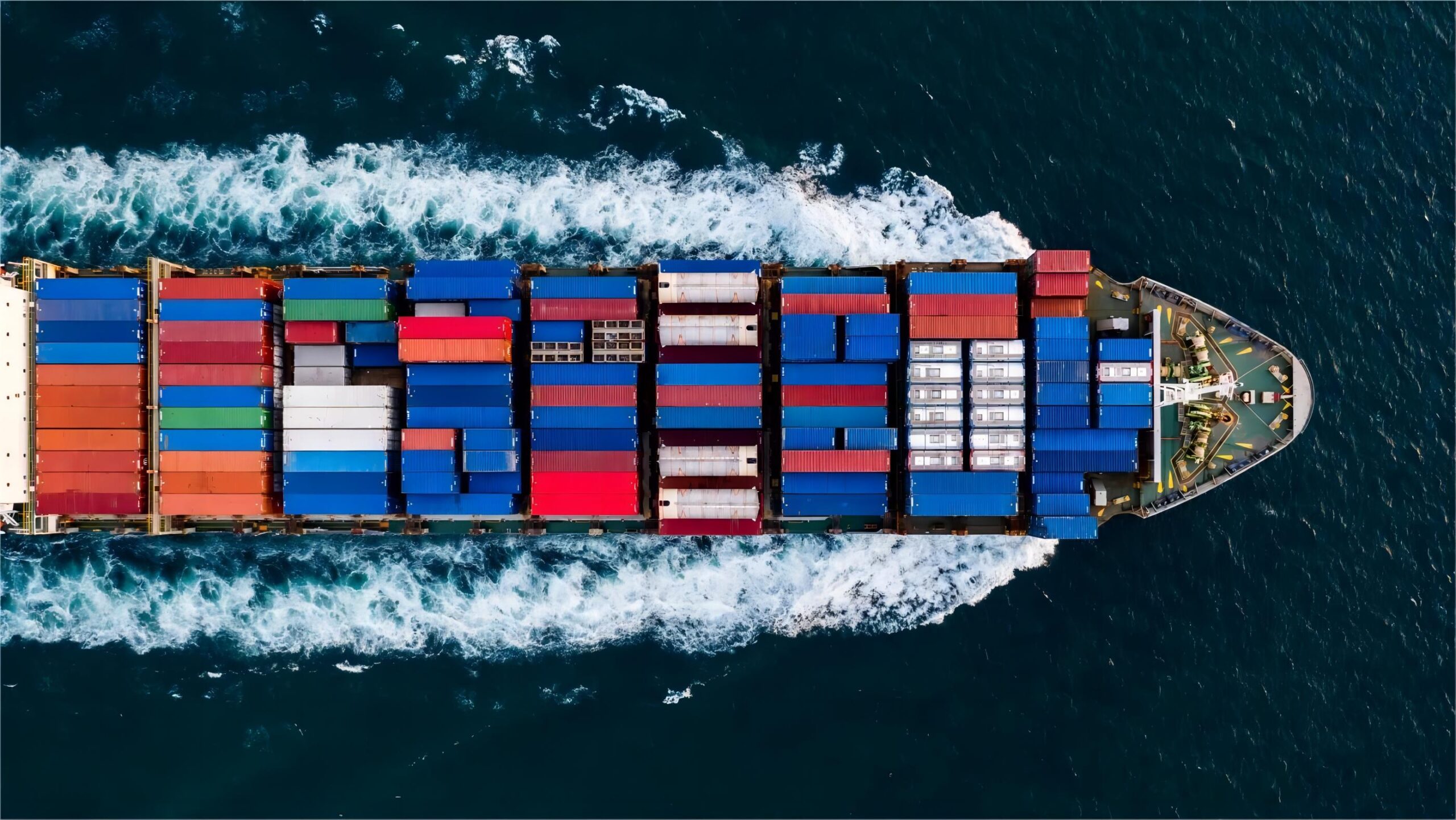
Understanding the 40HQ FCL Freight Rate for Textiles from China to Los Angeles
Navigating the logistics of textile imports involves more than just finding a low price. When you evaluate the 40HQ FCL freight rate for textiles from China to Los Angeles, you are looking at the most efficient way to transport high-volume, lightweight goods. These 40-foot high cube containers provide extra vertical space, which is ideal for stacking rolls of fabric or boxes of finished garments.
Moreover, choosing sea freight as your primary shipping method ensures that you can move massive quantities of stock while keeping the cost per unit extremely low. Therefore, most major textile brands prefer this method over smaller container sizes or less efficient shipping modes. Additionally, the stability of ocean freight makes it easier to plan long-term inventory cycles.
Consequently, businesses must stay informed about fluctuating market rates to avoid unexpected expenses. Meanwhile, the relationship between supply and demand at major Chinese ports like Shanghai or Ningbo directly impacts the availability of containers. Nevertheless, securing a fixed rate with a reputable forwarder can protect your margins during peak seasons.
Current Market Trends Affecting Textile Shipping Costs in 2025
Market data suggests that freight rates have entered a period of relative stabilization following the disruptions of previous years. As of early 2025, the industry average for shipping a 40HQ container from China to the US West Coast remains competitive compared to East Coast routes. However, seasonal spikes during the Lunar New Year and the Q3 peak season still cause temporary price increases.
Indeed, logistics trends indicate that carriers are focusing on capacity management to maintain profitable rate levels. Furthermore, the introduction of more eco-friendly vessels is beginning to influence fuel surcharges and overall pricing structures. Accordingly, importers should expect small but consistent adjustments in their monthly shipping quotes.
Specifically, the textiles sector remains a priority for many carriers due to the consistent volume it provides. For example, high-demand periods for retail fashion often lead to tighter space allocations for non-contracted shippers. As a result, planning your shipments at least four weeks in advance is now considered a best practice for textile logistics.
How Does FCL Compare to Other Shipping Options?
Comparing different shipping methods is essential for selecting the most cost-effective solution for your textile business. While full container load shipping offers the best security and price for large volumes, air freight is the only viable choice for urgent fashion launches or high-value designer samples. Nevertheless, the cost difference is substantial, often reaching ten times the price of ocean transport.
On the other hand, less than container load shipping might seem attractive for smaller textile batches. However, LCL often involves higher handling fees and a greater risk of cargo damage during consolidation. To summarize, FCL remains the gold standard for bulk textile movements due to its balance of speed, safety, and price.
In contrast, hybrid solutions like sea-air combinations are gaining popularity for shipments that are too slow for sea but too expensive for air. These strategies allow you to move goods by sea to a hub like Dubai or Korea and then fly them to Los Angeles. Without a doubt, evaluating these trade-offs is necessary for maintaining a flexible and responsive supply chain.
| 40HQ FCL | $2,800 – $4,200 | 14-18 Days | Bulk Textiles |
| Air Freight | $15,000+ | 3-7 Days | Urgent Samples |
| LCL Sea | $50 – $120/CBM | 20-25 Days | Small Batches |
| Express | $8 – $15/kg | 2-5 Days | Documents/Swatches |

Factors Influencing the 40HQ FCL Freight Rate for Textiles from China to Los Angeles
Several variables contribute to the final price you pay for shipping textiles across the Pacific. Firstly, the port of loading plays a significant role, as rates from Shenzhen might differ from those in Qingdao. Secondly, fuel costs, often listed as the Bunker Adjustment Factor, fluctuate based on global oil prices. Thirdly, seasonal demand is a major driver, with rates typically increasing by 15 to 25 percent during the August to October peak.
Additionally, port congestion at the Port of Los Angeles can lead to surcharges and increased drayage costs. For instance, if a vessel is delayed outside the harbor, carriers may pass those costs down to the shipper. Furthermore, the weight of your textile cargo, while usually not an issue for 40HQ containers, can still affect inland transportation costs once the container arrives in the US.
Notably, equipment availability is another critical factor that can drive prices up unexpectedly. If there is a shortage of 40HQ containers at your specific loading port, you might have to pay a premium to secure one. Therefore, working with a forwarder that has strong carrier relationships is vital for avoiding these artificial price hikes.
Typical Transit Times and Delivery Schedules
Understanding the timeline for your shipment is just as important as the 40HQ FCL freight rate for textiles from China to Los Angeles. Generally, the direct sea transit from major Chinese ports to Los Angeles takes between 14 and 18 days. However, this does not include the time required for loading at the origin or unloading at the destination.
Typically, you should allow an additional 7 to 10 days for the entire door-to-door process. This includes trucking the container from the factory to the port, customs clearance, and final delivery to your warehouse. Moreover, weather conditions and seasonal port traffic can occasionally add a few days to the schedule. Consequently, building a buffer into your delivery timeline is highly recommended for retail commitments.
| Shanghai | 15 Days | 25 Days | Direct |
| Ningbo | 16 Days | 26 Days | Direct |
| Shenzhen | 14 Days | 24 Days | Direct |
| Qingdao | 18 Days | 28 Days | Transshipment |
Case Study: Successful Textile Shipments to California
Case Study 1: High-Volume Cotton Fabric Import. Route: Ningbo, China to Los Angeles, USA. Cargo: 100 percent Cotton Fabric Rolls, 68 CBM, 18,500 kg. Container: 40HQ. Carrier: Major Ocean Carrier. Port of Loading: Ningbo. Port of Discharge: Los Angeles. Total Landed Cost: $5,150. Sea Transit: 16 days. Total Door-to-Door: 26 days. Key Insight: By using a direct route and booking 21 days in advance, the client avoided a mid-month General Rate Increase.
Case Study 2: Seasonal Apparel Launch. Route: Shanghai, China to Los Angeles, USA. Cargo: Finished Garments in Cartons, 62 CBM, 12,000 kg. Container: 40HQ. Carrier: Premium Direct Service. Port of Loading: Shanghai. Port of Discharge: Los Angeles. Total Landed Cost: $5,800. Sea Transit: 14 days. Total Door-to-Door: 22 days. Key Insight: Choosing a premium service with guaranteed space ensured the shipment arrived in time for a major retail event despite local port congestion.
Based on Q4 2024 market rates, these examples show how different priorities can affect the total cost. Whether you prioritize speed or budget, there is always a configuration that fits your business model. Market data suggests that these ranges remain accurate for the current 2025 shipping environment.
Customs and Documentation for Textile Imports
Navigating the legal requirements for importing textiles into the United States is a complex process. You must ensure that all shipments comply with the regulations set by the U.S. Customs and Border Protection. In addition, using a professional customs brokerage service is often the best way to avoid costly delays and fines.
Essential documents include the Commercial Invoice, Packing List, and the Bill of Lading. Furthermore, textiles often require specific certifications or country-of-origin labeling to meet federal standards. Accordingly, failing to provide accurate documentation can lead to your container being held for inspection, which significantly increases your total shipping cost.
Indeed, many textile products are subject to specific tariffs or trade agreements that can affect your final landed cost. For instance, understanding the Harmonized System codes for your specific fabric types is crucial for accurate duty calculation. As a result, thorough preparation before the ship leaves China is the only way to ensure a smooth arrival in Los Angeles.
Alternative Shipping Strategies for Cost Savings
Implementing alternative strategies can help you reduce the 40HQ FCL freight rate for textiles from China to Los Angeles. One effective approach is to consolidate shipments from multiple suppliers into a single 40HQ container at a warehouse in China. This reduces the number of individual shipments and lowers your overall administrative and handling costs.
Another option is to consider transshipment through secondary ports if direct routes are too expensive. While this adds a few days to the transit time, it can sometimes save several hundred dollars per container. Additionally, utilizing door to door services can streamline your logistics by putting one company in charge of the entire journey.
Finally, always request quotes for both 40GP and 40HQ containers. While the 40HQ is usually the best value for textiles, sometimes carriers have an oversupply of standard 40GP containers and offer them at a significant discount. In contrast, during extreme peak seasons, switching to a smaller volume more frequently might help you avoid the highest surcharges.
Which Option Should You Choose?
Choosing the right shipping option depends on your specific business priorities and cargo volume. If budget is your primary concern, standard FCL ocean freight is almost always the best choice for textile rolls. However, if you are shipping lightweight, high-value finished garments, the extra space in a 40HQ container is worth the small price difference over a 20GP.
Provided that you have at least 30 CBM of cargo, FCL is generally more economical than LCL. Unless your shipment is extremely urgent, avoid air freight to protect your profit margins. Whenever you are in doubt, consult with a logistics expert to analyze your specific lane and volume requirements. Businesses that maintain flexibility in their shipping schedules often secure the most competitive rates in the long run.
How to Choose the Right Freight Forwarder for China to US Routes
Selecting a logistics partner with expertise in the North America trade lane is vital for your success. You need a forwarder that understands the specific needs of the textile industry, including moisture control and careful handling of fabric rolls. Moreover, a good partner will provide transparent pricing and real-time tracking for your 40HQ containers.
Reliability is the most important factor when your supply chain depends on timely deliveries to the Los Angeles area. Therefore, look for a company with a proven track record and strong relationships with major ocean carriers. Finally, ensure they offer comprehensive services, from origin pickup to final destination delivery, to simplify your operations. By choosing wisely, you can turn your logistics from a cost center into a competitive advantage.
Final Thoughts on Textile Shipping Rates
Managing the 40HQ FCL freight rate for textiles from China to Los Angeles is a continuous process of analysis and adjustment. By staying informed about market trends and utilizing the right container sizes, you can significantly reduce your landed costs. Furthermore, partnering with an experienced freight forwarder ensures that your textile cargo arrives safely and on time.
Remember that the cheapest rate is not always the best value if it leads to delays or damaged goods. Focus on a balance of speed, reliability, and cost to build a resilient supply chain. As market conditions evolve, continue to evaluate your shipping strategies to maintain your edge in the competitive textile industry.
Ready to streamline your logistics?
Ready to secure the most competitive 40HQ FCL freight rate for textiles from China to Los Angeles? Contact our expert team today to receive a personalized quote and optimize your textile supply chain for 2025. Visit our inquiry page to get started.
Request Quote