

40GP FCL Freight Rate for Solar Panels from China to Norway: 2025 Guide
Securing a competitive 40GP FCL freight rate for solar panels from China to Norway is a critical step for businesses involved in renewable energy infrastructure. As a leading Top China Forwarder, we provide comprehensive logistics solutions that ensure your sensitive solar equipment reaches its destination safely. This detailed guide explores current market pricing, shipping routes, and the essential documentation needed to streamline your import process from major Chinese ports to Norwegian hubs like Oslo and Bergen.

What is the Current 40GP FCL Freight Rate for Solar Panels from China to Norway?
Determining the exact 40GP FCL freight rate for solar panels from China to Norway requires an understanding of several market variables. Currently, the ocean freight market is experiencing a period of relative stabilization following the disruptions of previous years. Consequently, shippers can expect more predictable pricing for full container loads (FCL) compared to the volatility seen in early 2024.
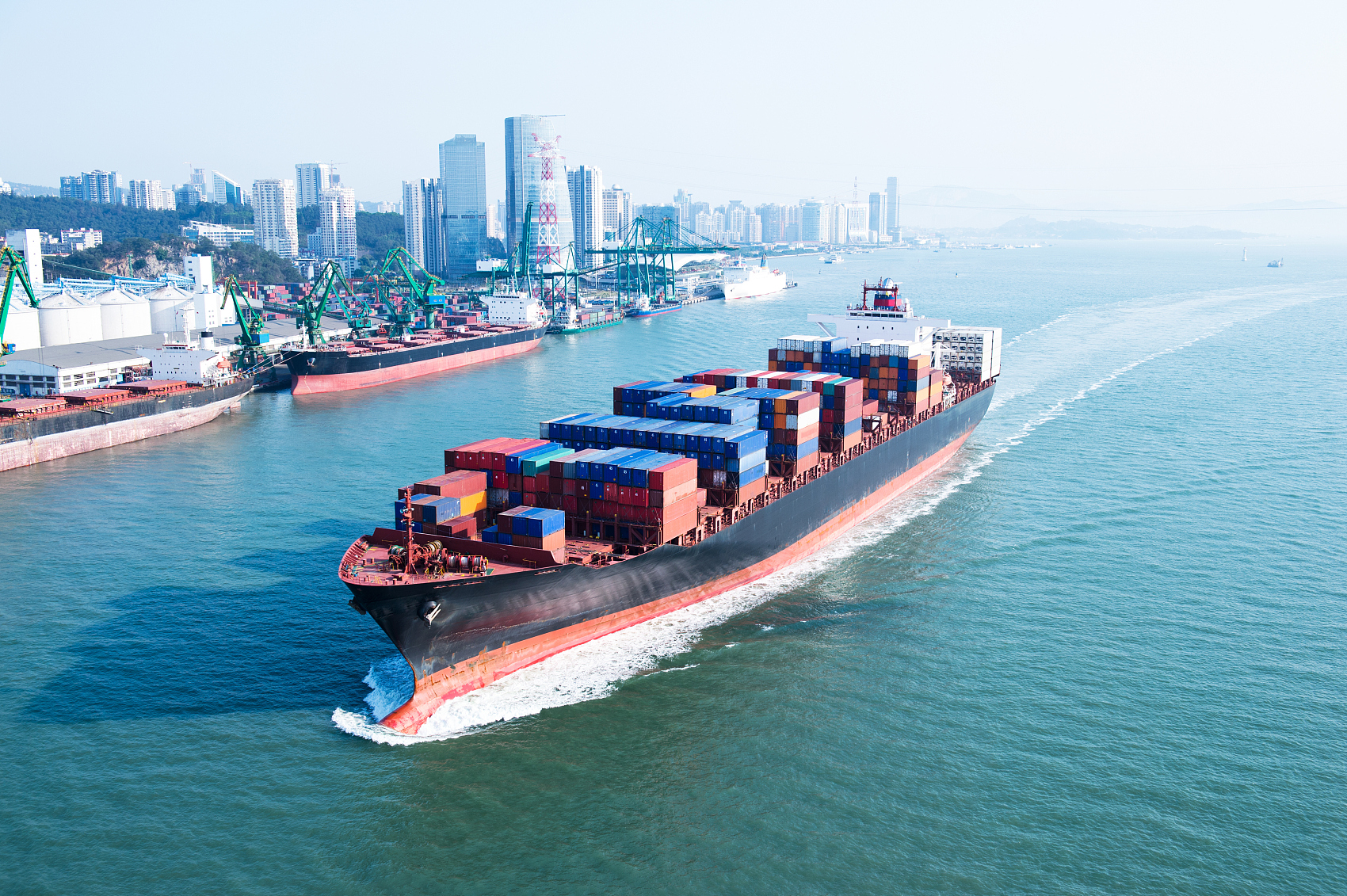
Moreover, the specific type of container used significantly impacts the final invoice. While a 40GP container is standard, many solar panel importers prefer 40HQ containers for the additional height, which allows for better pallet stacking. Nevertheless, the 40GP remains a cost-effective choice for shipments that do not require the extra vertical space.
Typical rates for a 40GP container from major Chinese ports like Shanghai or Ningbo to Oslo currently range between 3,200 USD and 4,500 USD. These prices vary based on the carrier selected and the specific time of booking. Furthermore, seasonal demand often causes these rates to fluctuate by 15 to 25 percent during peak shipping months.
| Origin Port | Destination Port | Container Type | Estimated Cost (USD) |
|---|---|---|---|
| Shanghai | Oslo | 40GP FCL | $3,200 – $4,100 |
| Ningbo | Bergen | 40GP FCL | $3,350 – $4,250 |
| Shenzhen | Stavanger | 40GP FCL | $3,100 – $4,000 |
| Qingdao | Oslo | 40GP FCL | $3,400 – $4,300 |
How Does Sea Freight Compare to Other Shipping Options?
Evaluating the 40GP FCL freight rate for solar panels from China to Norway involves comparing it against alternative transport methods. For most large-scale solar projects, sea freight is the most economical solution due to the high volume and weight of the panels. In contrast, air freight remains prohibitively expensive for such heavy cargo.
Additionally, rail freight via the New Silk Road serves as a middle ground between sea and air. It offers faster transit times than ocean transport while remaining significantly cheaper than flying goods across continents. However, the availability of rail routes to Scandinavia can be limited depending on the current geopolitical climate.
To summarize, sea freight is the preferred method for 95 percent of solar panel shipments. This is because it provides the best balance of cost-efficiency and cargo safety for bulk items. Shippers must weigh the longer transit times against the substantial savings achieved through ocean transport.
| Method | Cost Range | Transit Time | Best For |
|---|---|---|---|
| Sea Freight (FCL) | Low ($3k-$4.5k) | 35-45 Days | Bulk solar projects |
| Rail Freight | Medium ($6k-$8k) | 18-22 Days | Urgent installations |
| Air Freight | Very High ($20k+) | 5-8 Days | Critical spare parts |
| Sea-Air Hybrid | High ($12k-$15k) | 15-20 Days | Balanced speed/cost |
Factors Influencing the 40GP FCL Freight Rate for Solar Panels from China to Norway
Several internal and external factors dictate the final 40GP FCL freight rate for solar panels from China to Norway. Fuel surcharges, often referred to as Bunker Adjustment Factors (BAF), represent a significant portion of the total cost. When global oil prices rise, carriers immediately pass these expenses onto the shipper.
Port congestion is another critical variable that can lead to unexpected surcharges. If major hubs like Shanghai or Rotterdam experience delays, shipping lines may implement congestion fees to cover their operational losses. Additionally, the availability of empty containers in China plays a vital role in pricing; scarcity naturally drives rates upward.
Seasonal trends also impact the market significantly. For example, the weeks leading up to the Chinese New Year typically see a massive surge in demand as factories rush to ship orders before closing. Consequently, booking your shipment at least 4-6 weeks in advance is highly recommended to secure a better rate.
Which Shipping Route is Best for Solar Panels to Norway?
Selecting the right route is essential for optimizing your logistics strategy when shipping to Europe. Most shipments from China to Norway involve a transshipment at a major European hub like Rotterdam, Hamburg, or Bremerhaven. From these ports, the container is transferred to a smaller feeder vessel for the final leg to Norway.
Direct services are rare for the China-Norway route, meaning that transit times are slightly longer than those to Central Europe. Indeed, the typical transit time from Shanghai to Oslo is approximately 35 to 40 days. Choosing a reliable carrier with a strong feeder network in Scandinavia is vital to avoid delays during the transshipment process.
Alternatively, some importers choose to discharge their cargo at a northern German port and use road transport for the final delivery. While this can sometimes be faster, it often increases the overall 40GP FCL freight rate for solar panels from China to Norway due to high trucking costs. Therefore, a feeder ship to a local Norwegian port is usually the more cost-effective choice.
Customs Documentation for Importing Solar Panels to Norway
Navigating the legal requirements is a mandatory part of the shipping process. Utilizing a professional customs brokerage service can prevent costly delays at the Norwegian border. You must ensure that all documentation is accurate and reflects the specific technical specifications of the solar panels.
Required documents typically include a Commercial Invoice, Packing List, and a Bill of Lading. Furthermore, solar panels often require a Certificate of Origin to determine if any anti-dumping duties apply. Norway is not a member of the EU but is part of the EEA, which means it follows similar but distinct customs regulations.
Importing renewable energy equipment often qualifies for certain tax incentives or reduced VAT rates in Norway. However, failing to provide the correct HS codes can lead to fines or the seizure of your cargo. Always consult with a logistics expert to verify the current tariff schedule for solar components before the vessel departs.
Real-World Case Studies for Solar Shipping
Examining real-world examples provides valuable insight into the actual costs and timelines involved in this trade lane. Below are two scenarios based on typical shipments handled in late 2024 and early 2025.
Case Study 1: Solar Farm Expansion. Route: Shanghai, China to Oslo, Norway. Cargo: Tier 1 Solar Panels, 65 CBM, 21,500 kg. Container: 40GP FCL. Shipping Details: Major carrier, Port of Loading: Shanghai, Port of Discharge: Oslo via Rotterdam. Cost Breakdown: Ocean Freight: 3,450 USD, Origin Charges: 450 USD, Destination Charges: 600 USD, Customs and Duties: 1,200 USD, Total Landed Cost: 5,700 USD. Timeline: Booking to Loading: 5 days, Sea Transit: 37 days, Customs Clearance: 2 days, Total Door-to-Door: 44 days. Key Insight: Early booking allowed the client to avoid a 15 percent price hike during the October peak season.
Case Study 2: Commercial Roof Project. Route: Ningbo, China to Bergen, Norway. Cargo: Bifacial Solar Modules, 62 CBM, 20,000 kg. Container: 40GP FCL. Shipping Details: Direct-to-Hub service, Port of Loading: Ningbo, Port of Discharge: Bergen via Hamburg. Cost Breakdown: Ocean Freight: 3,600 USD, Origin Charges: 420 USD, Destination Charges: 750 USD, Customs and Duties: 1,100 USD, Total Landed Cost: 5,870 USD. Timeline: Booking to Loading: 7 days, Sea Transit: 41 days, Customs Clearance: 3 days, Total Door-to-Door: 51 days. Key Insight: Choosing a feeder service directly to Bergen saved the client 800 USD in domestic trucking costs from Oslo.
Decision Framework: Which Option Should You Choose?
Choosing the right logistics path depends entirely on your project timeline and budget constraints. If your primary goal is to minimize the 40GP FCL freight rate for solar panels from China to Norway, standard ocean freight is the clear winner. This method provides the lowest cost per unit for high-volume solar installations.
On the other hand, if you are facing a strict construction deadline, rail freight might be a better alternative. While more expensive, the 20-day transit time can save a project from incurring late-delivery penalties. For the ultimate convenience, a door to door service handles everything from the factory floor in China to the project site in Norway.
Budget priority: Choose Sea Freight FCL. Speed priority: Choose Rail Freight. Small volume: Choose LCL (Less than Container Load). Regardless of your choice, always ensure your cargo is properly insured against transit damage. Solar panels are fragile and require careful handling throughout the entire supply chain.
How to Reduce Your Shipping Costs
Reducing your overall expenditure requires a strategic approach to procurement and logistics. Consolidating orders from multiple suppliers into a single 40GP container can significantly lower the freight cost per panel. Additionally, optimizing the pallet dimensions ensures that you utilize every cubic meter of available space within the container.
Negotiating with multiple carriers is another effective way to find a better 40GP FCL freight rate for solar panels from China to Norway. Freight forwarders often have access to contract rates that are not available to individual shippers. Moreover, avoiding the peak season from August to October can save you thousands of dollars in surcharges.
Note: Freight rates are subject to change based on fuel costs, carrier capacity, and seasonal demand. Contact us for a current quote tailored to your specific shipment. Market data suggests that rates remain stable for now, but proactive planning is always the safest strategy for international trade.
Final Thoughts on Shipping Solar Panels to Norway
Successfully managing the logistics for solar panels requires a deep understanding of the 40GP FCL freight rate for solar panels from China to Norway and the factors that influence it. By choosing the right shipping method, optimizing your documentation, and working with an experienced forwarder, you can ensure a smooth import process.
Renewable energy is the future, and efficient supply chains are the backbone of this transition. Whether you are a small installer or a large-scale developer, staying informed about market trends will help you maintain a competitive edge. Start planning your next shipment today to take advantage of current market stability.
Ready to streamline your logistics?
Ready to secure the most competitive 40GP FCL freight rate for solar panels from China to Norway? Visit our website to request a personalized quote and let our experts handle your logistics needs. Visit https://topchinaforwarder.com to get started today. Send Inquiry link: Visit our contact page to speak with a specialist
Request Quote