

China FCL Warehouse Consolidation to Netherlands: The Ultimate Guide
Managing logistics from Asia to Europe requires precision and a deep understanding of cargo handling. Many businesses struggle with high shipping costs when dealing with multiple suppliers across different Chinese provinces. Choosing Top China Forwarder for your China FCL warehouse consolidation to Netherlands ensures that your goods are managed efficiently and safely from origin to destination. This process allows you to combine various shipments into a full container load, maximizing space and reducing overall expenses.
What is China FCL warehouse consolidation to Netherlands?
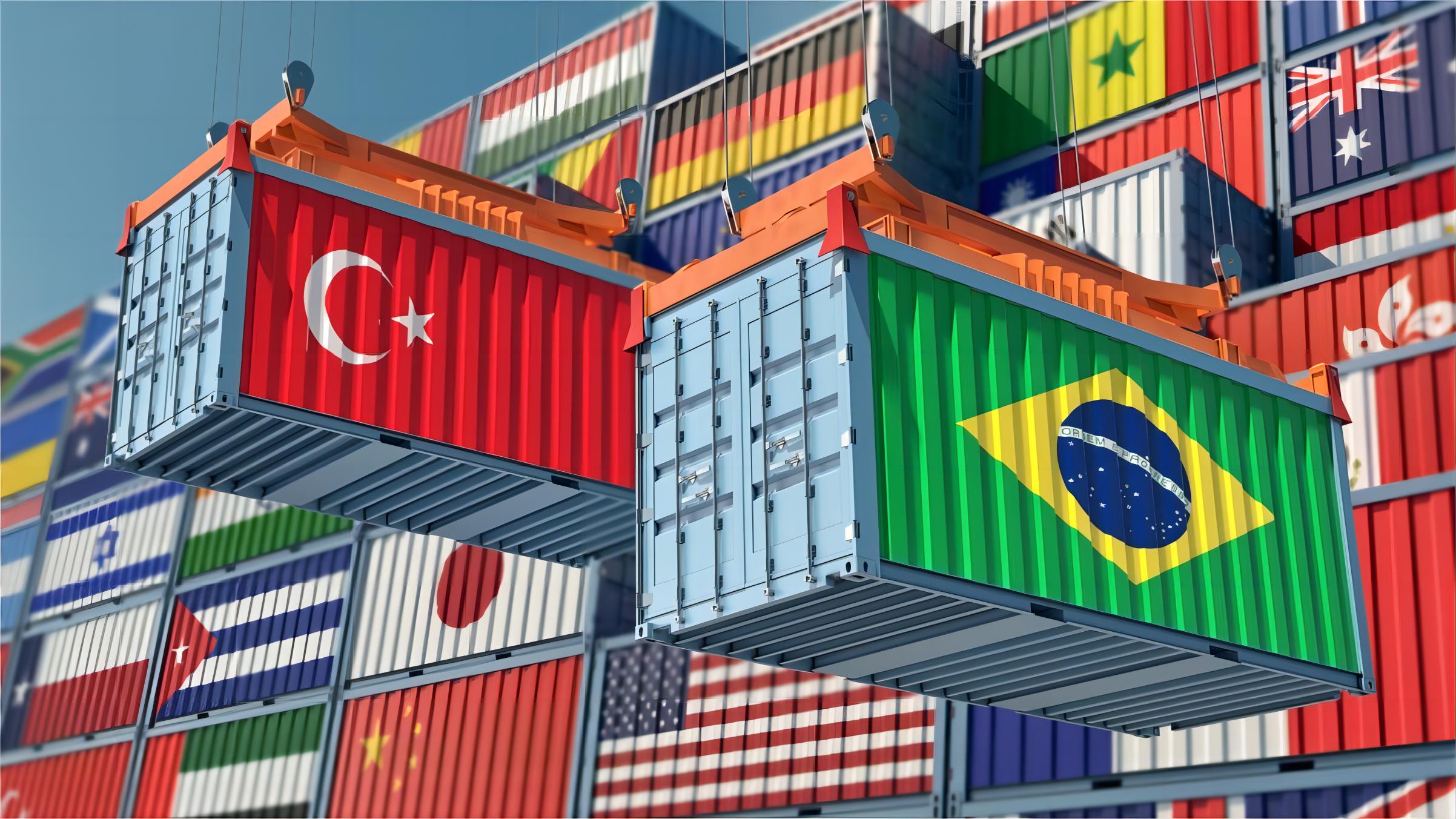
FCL consolidation involves gathering goods from multiple suppliers at a central warehouse in China before shipping them as a full container. This strategy is particularly effective for businesses that purchase from several vendors but want to avoid the high costs of multiple LCL shipments. Consequently, the cargo is packed into a single 20GP or 40HQ container, which simplifies the transit process to the Netherlands.
Furthermore, this method provides greater security for your products since the container remains sealed from the consolidation point to the final destination. Instead of handling individual boxes multiple times, the entire container moves through the supply chain as one unit. This significantly reduces the risk of damage or loss during the long journey across the ocean.
Moreover, utilizing sea freight through a consolidation model allows importers to leverage better freight rates. By filling a whole container, you effectively lower the price per cubic meter compared to shipping smaller volumes separately. This economic advantage is a primary driver for many European companies sourcing from China.
Additionally, the process requires a robust network of warehouses located near major Chinese ports like Shenzhen, Ningbo, or Shanghai. These facilities act as hubs where shipments are verified, inventoried, and eventually loaded. Professional logistics providers manage this flow to ensure that the container is balanced and utilized to its maximum capacity.
Why choose China FCL warehouse consolidation to Netherlands?
Choosing this method offers unparalleled control over your inventory and delivery schedule. When you consolidate, you decide when the container is ready to sail based on your specific production timelines. This flexibility is crucial for maintaining a steady flow of goods into the Dutch market.
In addition, the Netherlands serves as the gateway to Europe, making it the ideal destination for consolidated cargo. Ports like Rotterdam are equipped with world-class infrastructure to handle large FCL volumes with speed and efficiency. Once the container arrives, it can be easily distributed across the continent via rail or road.
Another benefit is the simplification of the customs brokerage process. Instead of filing multiple entries for various LCL shipments, you deal with a single FCL entry for the entire container. This reduces administrative overhead and minimizes the chances of documentation errors that could lead to delays.
Nevertheless, the cost savings remain the most compelling reason for most importers. By consolidating, you bypass the high handling fees and minimum charges often associated with LCL cargo. Over time, these savings can significantly improve your profit margins and competitive positioning in the retail or industrial sectors.
How Does China FCL Warehouse Consolidation to Netherlands Compare to Other Shipping Options?
Understanding the differences between shipping methods is essential for making an informed logistics decision. While FCL consolidation is highly efficient, it is important to weigh it against alternatives like direct LCL or air freight. Each method serves a different purpose depending on the volume, budget, and urgency of the shipment.
For example, air freight is significantly faster but much more expensive for large volumes. On the other hand, rail freight offers a middle ground between sea and air in terms of both cost and speed. However, for the highest volume at the lowest cost, sea-based consolidation remains the industry standard for the China-Netherlands route.
| Shipping Method | Cost Range | Transit Time | Best For |
|---|---|---|---|
| FCL Consolidation | $3,000 – $4,500 | 30 – 35 Days | Multiple suppliers, high volume |
| Direct LCL | $80 – $150 per CBM | 35 – 40 Days | Small shipments under 15 CBM |
| Rail Freight | $5,000 – $7,000 | 18 – 22 Days | Urgent industrial cargo |
| Air Freight | $4 – $8 per KG | 5 – 7 Days | High-value, low-volume goods |
Which Option Should You Choose?
If your total shipment volume exceeds 15 cubic meters across all suppliers, FCL consolidation is almost always the best choice. This threshold is where the cost of a 20GP container becomes more economical than paying individual LCL fees. Furthermore, if you prioritize cargo safety and want to minimize handling, FCL provides the best protection.
Conversely, if you have a single urgent pallet that needs to reach Amsterdam within a week, air freight is the only viable option despite the cost. For those looking to balance speed and budget, rail freight provides a reliable alternative that avoids the longer sea transit times. Always consider the nature of your cargo and your current inventory levels before deciding.
Budget-conscious businesses should plan ahead and use sea freight consolidation during off-peak seasons. Rates typically rise during the late summer and before the Chinese New Year. By scheduling your consolidation outside these periods, you can secure much lower freight rates and ensure smoother port operations in Rotterdam.
What are the costs associated with China FCL warehouse consolidation to Netherlands?
Pricing for FCL shipments is influenced by several factors, including fuel surcharges, seasonal demand, and container availability. As of early 2025, market rates have stabilized but remain subject to fluctuations based on global logistics trends. It is important to account for both origin and destination charges when calculating your total landed cost.
Specifically, your budget should include the ocean freight rate, warehouse handling fees in China, and port charges in the Netherlands. Additionally, do not forget to factor in insurance and customs duties, which vary based on the value and type of goods being imported. A transparent quote from your forwarder should detail all these expenses clearly.
Note: Freight rates are subject to change based on fuel costs, carrier capacity, and seasonal demand. Contact us for a current quote tailored to your specific shipment.
| Container Type | Ocean Freight (Est) | Handling Fees | Total Port Cost |
|---|---|---|---|
| 20GP Container | $2,200 – $2,800 | $300 – $500 | $2,500 – $3,300 |
| 40GP Container | $3,500 – $4,200 | $400 – $600 | $3,900 – $4,800 |
| 40HQ Container | $3,800 – $4,500 | $450 – $650 | $4,250 – $5,150 |
Case Study 1: Electronics Consolidation for a Dutch Retailer
A consumer electronics company in Utrecht needed to source components from five different factories in Shenzhen and Dongguan. Initially, they were shipping each order via LCL, which resulted in high costs and frequent delays at the port of Rotterdam. By switching to a consolidation model, they streamlined their entire operation.
The logistics team collected all five shipments at a Shenzhen warehouse and loaded them into a single 40HQ container. This transition allowed for a synchronized arrival, making it easier for their local warehouse to manage inventory. As a result, the client saved approximately 22% on their total shipping costs over a six-month period.
Shipment Details
Box Format Case Study: Route: Shenzhen, China -> Rotterdam, Netherlands Cargo: Electronic components, 55 CBM, 12,000 kg Container: 40HQ Carrier: COSCO Sea Transit: 32 days Total Door-to-Door: 42 days Total Landed Cost: $5,100 Key Insight: Consolidating multiple vendors into one 40HQ reduced handling errors by 40%.
Case Study 2: Home Decor Seasonal Shipment
An interior design firm based in Amsterdam sourced various furniture and textile items from Ningbo and Shanghai. They required a solution that could handle fragile items while keeping costs low during the peak Q3 season. Warehouse consolidation allowed them to inspect the goods before they were packed into the container.
By using a professional consolidation service, the firm ensured that heavier furniture was placed at the bottom and lighter textiles at the top. This careful planning prevented damage that often occurs in standard LCL containers where different types of cargo are mixed. The shipment arrived in perfect condition, ready for the autumn sales season.
Shipment Details
Box Format Case Study: Route: Ningbo, China -> Rotterdam, Netherlands Cargo: Furniture and Textiles, 28 CBM, 8,500 kg Container: 20GP Carrier: Maersk Sea Transit: 35 days Total Door-to-Door: 45 days Total Landed Cost: $3,450 Key Insight: Pre-loading inspection at the warehouse prevented the shipment of damaged goods from the factory.
What documents are required for China FCL warehouse consolidation to Netherlands?
Proper documentation is the backbone of a successful import process. Without the correct paperwork, your container could face lengthy inspections or even be rejected by Dutch customs authorities. Therefore, it is essential to work closely with your suppliers to gather all necessary forms before the ship departs China.
The primary documents include the Bill of Lading, Commercial Invoice, and Packing List. Additionally, you may need a Certificate of Origin to qualify for certain trade agreements or duty reductions. For consolidated shipments, the packing list must be exceptionally detailed, listing every item from every supplier within the container.
Moreover, specialized goods like electronics or chemicals might require extra certifications such as CE markings or MSDS sheets. Ensuring these are ready in advance prevents the container from being flagged during the door to door delivery process. Always verify the latest EU regulations, as requirements can change frequently.
Mastering Your Logistics Strategy
In summary, China FCL warehouse consolidation to Netherlands is a powerful tool for businesses looking to optimize their international trade. By combining shipments, you not only save money but also enhance the security and predictability of your supply chain. This method bridges the gap between small-scale purchasing and large-scale industrial distribution.
Furthermore, partnering with a reliable forwarder ensures that the complexities of warehousing, loading, and customs are handled professionally. As global trade continues to evolve, staying efficient with your shipping choices will remain a key competitive advantage. Start planning your next consolidated shipment today to reap the benefits of a streamlined logistics network.
Ready to streamline your logistics?
Ready to streamline your logistics and reduce costs? Contact us today for a personalized quote on China FCL warehouse consolidation to Netherlands. Let our experts handle your cargo with care and precision. Send Inquiry
Request Quote