

Open Top FCL Best Route for Electronics from China to Europe: 2025 Guide
Finding the Open Top FCL best route for electronics from China to Europe requires a deep understanding of logistical infrastructure and specialized container availability. Shippers often struggle with balancing the high value of electronic components against the volatile costs of specialized equipment. Visit Top China Forwarder to secure reliable shipping solutions for your high-tech cargo today. This guide explores the most efficient corridors for transporting oversized electronic machinery and sensitive components across the Eurasian continent.
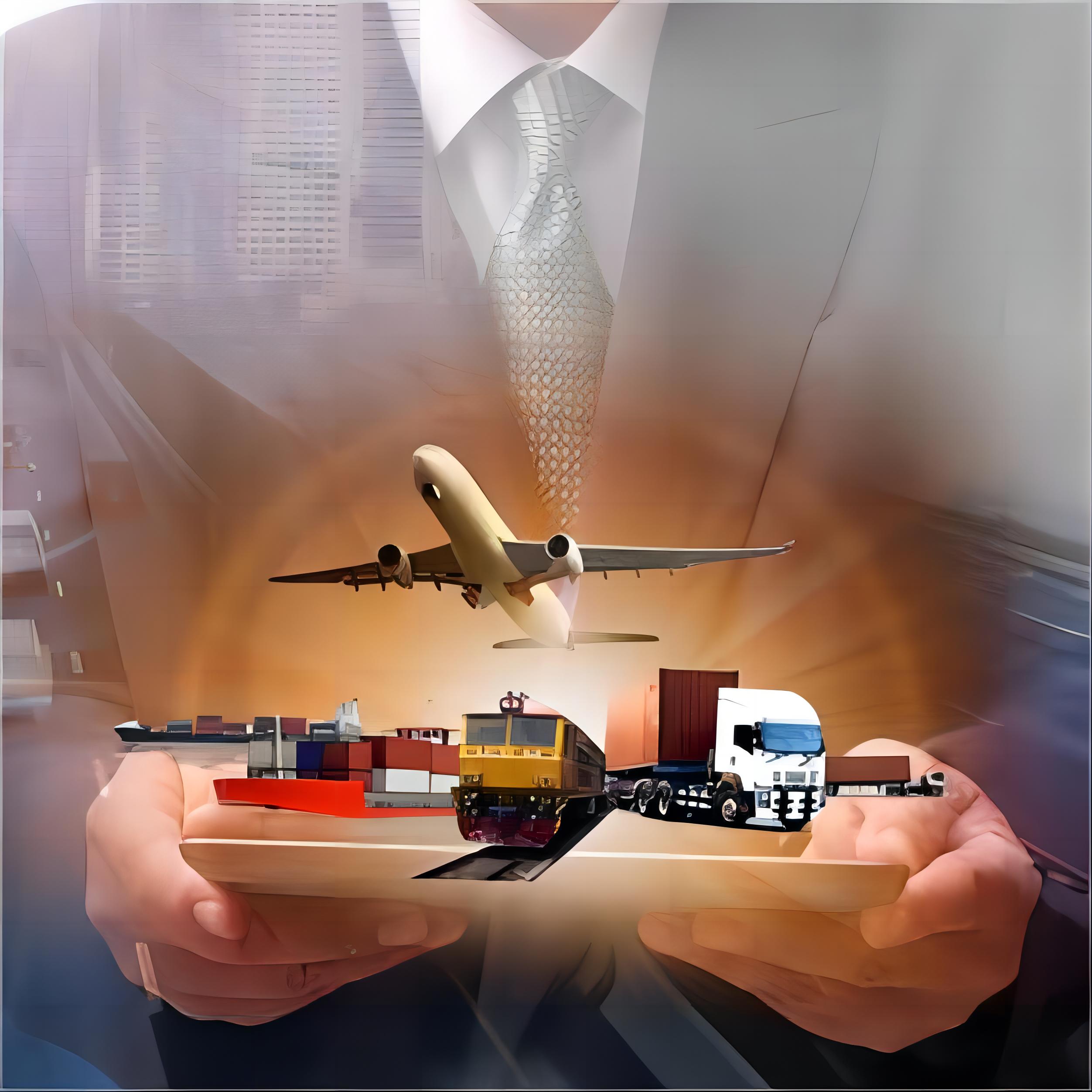
Why Open Top FCL is Essential for Electronics Logistics
Identifying the most effective container type is the first step in optimizing your shipping strategy from China to Europe. Open top containers provide the necessary flexibility for loading oversized electronic equipment that cannot fit into standard dry vans. Specifically, items like large-scale server racks, industrial printing machines, and semiconductor manufacturing tools require top-loading via cranes.
Furthermore, using a Full Container Load (FCL) ensures that your sensitive electronics are not co-mingled with other shippers’ goods. This exclusivity significantly reduces the risk of physical damage and contamination during the long journey. Consequently, many high-end manufacturers prioritize Open Top FCL to maintain the integrity of their sophisticated hardware.
Moreover, specialized equipment like open top units allows for easier access during customs inspections in European ports. This accessibility can prevent delays that often occur when standard containers must be completely destuffed for verification. Therefore, selecting this method is a strategic choice for complex electronics supply chain management.
Identifying the Open Top FCL Best Route for Electronics from China to Europe
Selecting the optimal path involves evaluating current maritime conditions and port efficiency across major Chinese hubs. Currently, the most reliable sea freight route originates from the Port of Shanghai or Ningbo-Zhoushan. These ports offer the highest frequency of sailings and the best availability of specialized open top equipment.
Alternatively, the southern route from Shenzhen via the Yantian terminal remains a top contender for electronics manufactured in the Pearl River Delta. This route typically connects through the Suez Canal, although recent geopolitical shifts have forced many carriers to divert around the Cape of Good Hope. Shippers must account for these extended transit times when planning their delivery schedules.
In addition, direct calls to major European gateways like Rotterdam, Hamburg, or Antwerp are generally preferred over transshipment routes. Direct services minimize handling, which is crucial for preventing damage to fragile electronic components. As a result, securing a spot on a direct vessel is often the core of an Open Top FCL best route for electronics from China to Europe strategy.
How Does Open Top FCL Compare to Other Shipping Options?
Comparing various transport modes is vital for determining the most cost-effective solution for your specific cargo volume. While sea freight is the traditional choice, rail freight has emerged as a powerful alternative for electronics. Rail offers a middle ground between the speed of air and the low cost of ocean transport.
However, air freight remains the fastest option for urgent shipments of high-value microchips or urgent replacement parts. Nevertheless, the cost of air transport for oversized items requiring open-top equivalents is often prohibitively expensive. Consequently, most businesses only utilize air for small-scale, high-priority electronic components.
Specifically, for shipments under 15 CBM, LCL might seem attractive, but it lacks the security of a dedicated open top container. For oversized electronics, the risk of damage in a shared container is usually too high to justify the minor cost savings. Thus, FCL remains the gold standard for high-value tech shipments.
| Shipping Method | Cost Range | Transit Time | Best For |
|---|---|---|---|
| Sea (Open Top) | $3,500 – $5,500 | 35-45 Days | Heavy/Oversized Electronics |
| Rail (Standard) | $6,000 – $8,500 | 18-24 Days | Time-Sensitive Tech |
| Air Freight | $15,000+ | 5-8 Days | High-Value Microchips |
| Sea (Standard) | $2,500 – $4,000 | 30-40 Days | Consumer Electronics |
The Role of Rail Freight as a Strategic Alternative
Exploring the New Silk Road provides electronics manufacturers with a competitive edge regarding speed-to-market. Rail transport from Xi’an or Chengdu to Duisburg or Warsaw can cut transit times by more than half compared to traditional sea routes. This speed is particularly beneficial for electronics with short lifecycles or high depreciation rates.
Additionally, rail freight provides a more stable environment for sensitive electronics compared to the humid and salty air of ocean voyages. Modern rail containers are equipped with advanced tracking and temperature controls to ensure cargo safety. Indeed, many major laptop and smartphone brands now utilize rail as their primary corridor to Europe.
On the other hand, rail capacity for open top containers is more limited than in the maritime sector. Shippers must book several weeks in advance to secure specialized equipment on the China-Europe Railway Express. Therefore, proactive planning is essential when choosing rail for your Open Top FCL best route for electronics from China to Europe.
Handling and Packaging Requirements for Open Top Electronics
Ensuring the safety of your cargo starts with professional packaging tailored for top-loading containers. Because open top units are often covered by a tarpaulin rather than a solid roof, moisture protection is a primary concern. Shippers should use heavy-duty vacuum sealing and industrial-grade desiccant packs to prevent corrosion of electronic circuits.
Moreover, securing the load within the container requires specialized lashing and bracing techniques. Since electronics can be sensitive to vibrations, using shock-absorbent materials and heavy-duty straps is mandatory. Consequently, hiring an experienced freight forwarder for oversized cargo handling is a wise investment.
In contrast to standard containers, open top units require careful height management to avoid over-height surcharges. If the cargo exceeds the container walls, it may be subject to ‘Out of Gauge’ (OOG) rates, which significantly increase the total shipping cost. As a result, precise measurements during the packaging phase are critical for budget accuracy.
Navigating Costs and Market Trends in 2025
Analyzing the current market reveals that freight rates for specialized equipment remain higher than standard dry containers. As of early 2025, the demand for open top units has increased due to a surge in renewable energy electronics and infrastructure projects. Shippers should expect to pay a premium of 20% to 40% over standard FCL rates for these units.
Furthermore, seasonal fluctuations play a massive role in pricing for the China to Europe corridor. Specifically, the period leading up to the Golden Week in October and the Lunar New Year in January often sees a spike in rates. Therefore, booking during the off-peak months of March through May can yield significant savings.
Note: Freight rates are subject to change based on fuel costs, carrier capacity, and seasonal demand. Contact us for a current quote tailored to your specific shipment. Market data suggests that rates have stabilized recently, but volatility remains a factor in global logistics.
| Route | 20GP Open Top | 40HC Open Top | Transit Time |
|---|---|---|---|
| Shanghai to Rotterdam | $3,200-$4,100 | $4,500-$5,800 | 35-38 Days |
| Shenzhen to Hamburg | $3,000-$3,900 | $4,200-$5,500 | 32-35 Days |
| Ningbo to Felixstowe | $3,400-$4,300 | $4,800-$6,200 | 38-42 Days |
| Xingang to Gdynia | $3,500-$4,500 | $5,000-$6,500 | 40-45 Days |
Customs Brokerage and Compliance for Tech Shipments
Managing regulatory requirements is a complex but necessary part of importing electronics into the European Union. Utilizing a professional customs brokerage service can prevent costly delays and ensure compliance with CE marking and WEEE directives. Specifically, electronics often face scrutiny regarding battery safety and energy efficiency standards.
Additionally, accurate HS code classification is essential for determining the correct duty and tax rates. Errors in documentation can lead to heavy fines or even the seizure of goods by European customs authorities. Consequently, shippers must provide detailed packing lists, commercial invoices, and certificates of origin for every shipment.
Furthermore, the VAT (Value Added Tax) rules in Europe vary by country, making it important to understand the fiscal representation requirements in your destination port. Indeed, choosing the right port of entry can sometimes offer cash flow advantages through VAT deferment schemes. Therefore, compliance is not just about legality but also about financial optimization.
Which Option Should You Choose? Decision Framework
Deciding on the best logistics strategy depends on your specific priorities regarding budget, speed, and cargo safety. If your primary goal is cost reduction and your timeline allows for 40 days of transit, sea freight is the logical choice. Specifically, the Port of Shanghai offers the most competitive rates for open top units going to Northern Europe.
However, if you are facing tight production deadlines or high market demand, rail freight provides a necessary speed boost. While more expensive, the reduced transit time can free up capital and reduce inventory carrying costs. Moreover, door to door services can further streamline the process by handling the entire journey from the factory floor to the final warehouse.
Specifically, for extremely sensitive or high-value electronics, a hybrid solution involving sea-air might be considered, though it is rare for oversized items. Ultimately, the decision should be based on a thorough analysis of the total landed cost versus the potential lost revenue from slower delivery. Shippers should consult with experts to weigh these trade-offs effectively.
Real-World Case Studies for China to Europe Electronics
Reviewing actual shipping scenarios can provide valuable insights into the practical challenges of the China-Europe route. These cases highlight how different companies navigated equipment shortages, customs hurdles, and route diversions to successfully deliver their electronic goods. Specifically, these examples reflect market conditions from late 2024 and early 2025.
Case Study 1: Large Scale Server Racks. Route: Shenzhen, China to Hamburg, Germany. Cargo: 12 units of industrial server racks, 28 CBM, 8,500 kg. Container: 40ft Open Top. Shipping Details: Major carrier via Cape of Good Hope. Ocean Freight: $5,200. Origin Charges: $450. Destination Charges: $600. Total Landed Cost: $6,250. Timeline: 48 days door-to-door. Key Insight: Choosing a direct vessel from Yantian saved two days of transshipment time despite the longer route around Africa.
Case Study 2: Semiconductor Manufacturing Equipment. Route: Shanghai, China to Warsaw, Poland. Cargo: Precision lithography components, 15 CBM, 4,200 kg. Container: 20ft Open Top. Shipping Details: Rail Freight via Xi’an Terminal. Rail Freight Cost: $6,800. Customs and Duties: $1,200. Total Landed Cost: $8,000. Timeline: 22 days door-to-door. Key Insight: Rail was selected to minimize vibration damage and meet a strict installation deadline at a new facility in Poland.
Final Thoughts on Open Top FCL Best Route for Electronics from China to Europe
In summary, identifying the Open Top FCL best route for electronics from China to Europe involves a careful balance of cost, speed, and cargo security. While sea freight remains the most economical choice for oversized equipment, rail freight offers a compelling alternative for time-sensitive projects. Shippers must prioritize high-quality packaging and strict compliance with customs regulations to ensure a smooth transit process.
Moreover, staying informed about market trends and equipment availability is crucial for maintaining a competitive edge in the fast-paced electronics industry. By leveraging the right routes and specialized containers, you can protect your high-value assets and ensure they arrive in perfect condition. Consequently, working with an experienced freight forwarder is the most effective way to navigate the complexities of global trade and secure the best possible outcomes for your business.
Ready to streamline your logistics?
Optimizing your supply chain with the Open Top FCL best route for electronics from China to Europe requires expert guidance and reliable partners. Our team at Top China Forwarder specializes in handling complex, oversized electronic shipments with precision and care. Contact us today to receive a customized quote and discover how we can streamline your international logistics. Send Inquiry for a professional consultation on your next shipment.
Request Quote