

Shipping Cost from China to USA: 2026 Freight Rate Guide
Navigating the complexities of international logistics requires a clear understanding of current market trends. Determining the exact shipping cost from China to USA is essential for maintaining healthy profit margins in 2026. Market data suggests that freight rates have stabilized following the supply chain adjustments of the previous year. Partnering with a reliable expert like Top China Forwarder ensures you receive competitive rates and dependable service for your global trade needs. This guide provides a comprehensive breakdown of expenses to help you optimize your shipping strategy.

What Factors Determine Your Shipping Cost from China to USA?
Fuel prices remains a primary driver of overall transportation expenses in early 2026. Carriers frequently adjust bunker adjustment factors based on global oil market fluctuations. Consequently, shippers must monitor these surcharges closely when planning long-term budgets. Moreover, seasonal demand plays a significant role in pricing volatility.
Peak season typically begins in August and extends through October as retailers prepare for the holiday rush. During this period, shipping cost from China to USA can increase by 15% to 25% due to limited space. Additionally, the weight and volume of your cargo directly impact the final quote. Heavy items incur higher fuel costs, while bulky items may be charged based on volumetric weight.
Port congestion and labor availability also influence the total landed cost. If major gateways like Los Angeles or Savannah experience delays, demurrage and detention fees can accumulate quickly. Therefore, choosing the right port of entry is a strategic decision that affects both speed and budget. Industry average for this route currently reflects a more balanced supply-demand ratio compared to the volatility seen in 2024.
How Does Sea Freight Compare to Other Shipping Options?
Ocean transport remains the backbone of global trade due to its cost-effectiveness for large volumes. While sea freight offers the lowest per-unit cost, it requires significantly longer lead times. Businesses must balance the low expense against the capital tied up in inventory during transit.
Alternative methods like express courier or air transport provide speed at a premium price. For instance, small parcels or urgent components are better suited for faster modes despite the higher initial outlay. Hybrid solutions, such as sea-air combinations via intermediate hubs, have gained popularity for balancing cost and speed. The following table provides an objective analysis of the primary shipping methods available in 2026.
| Sea Freight (FCL) | $2,500 – $5,500 | 18 – 35 Days | Bulk inventory and large machinery |
| Air Freight | $5.50 – $9.00/kg | 5 – 8 Days | High-value electronics and urgent stock |
| Express Service | $8.00 – $15.00/kg | 3 – 5 Days | Samples and small e-commerce orders |
| Sea-Air Hybrid | $3.50 – $5.00/kg | 12 – 18 Days | Mid-range urgency with budget focus |
Understanding FCL and LCL Container Pricing for 2026
Full Container Load (FCL) is generally the most economical choice for shipments exceeding 15 cubic meters. By utilizing a dedicated container, you minimize handling and reduce the risk of damage. Current market rates for a 40HQ container to the US West Coast range between $2,800 and $3,800. In contrast, East Coast destinations often command higher prices due to the longer sailing distance and canal transit fees.
Less than Container Load (LCL) allows smaller shippers to share space within a single container. While this reduces the entry cost, the price per cubic meter is higher than FCL. Furthermore, LCL involves additional consolidation and deconsolidation steps, which can add 5-7 days to the total transit time. For shipments under 15 CBM, LCL at $50-80 per CBM may be more economical than a full container.
Note: Freight rates are subject to change based on fuel costs, carrier capacity, and seasonal demand. Contact us for a current quote tailored to your specific shipment.
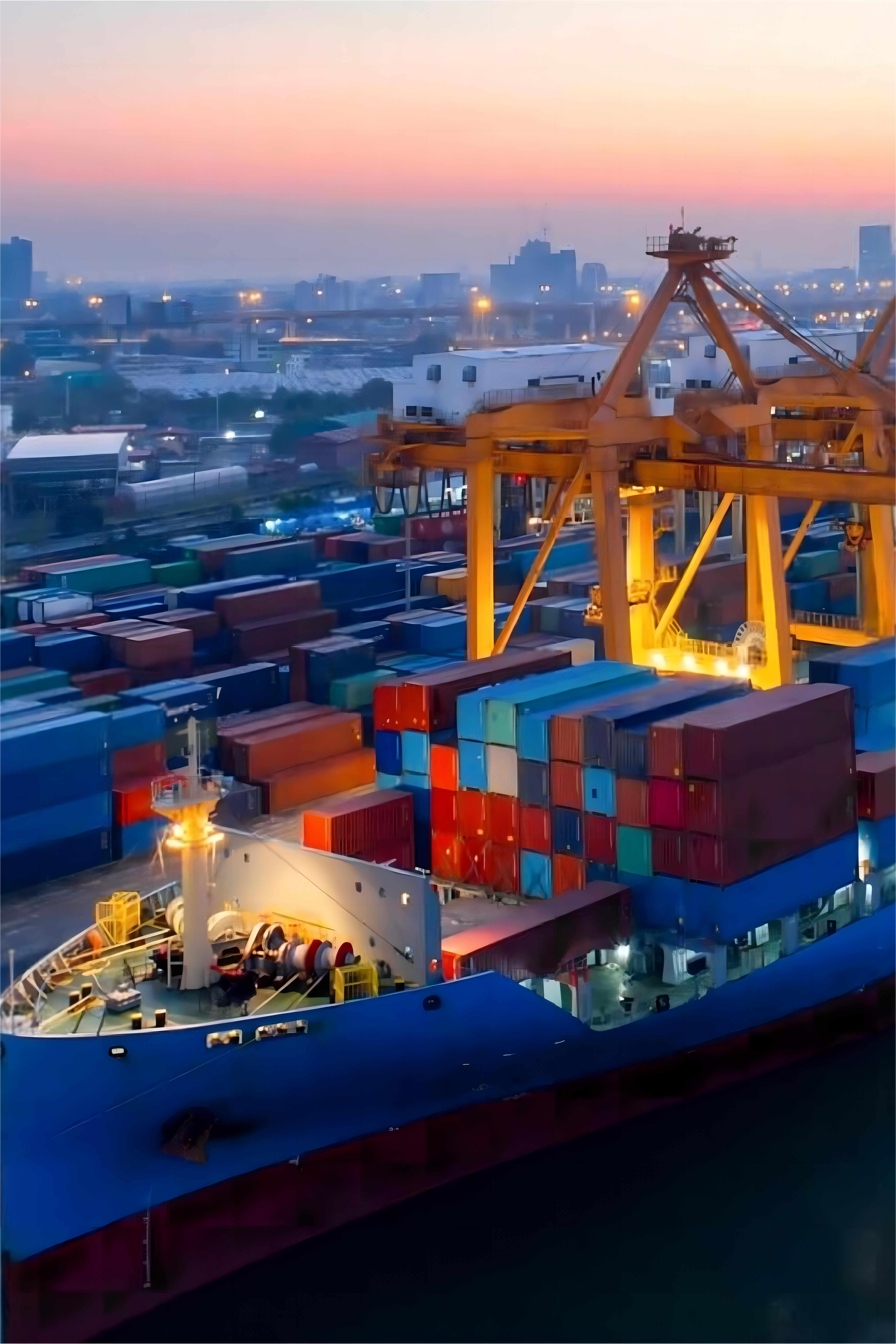
Why Air Freight Costs Remain Competitive for Specific Cargo
High-value goods often justify the higher air freight rates due to reduced insurance costs and faster inventory turnover. In 2026, air cargo capacity has expanded, leading to more stable pricing for transpacific routes. Specifically, electronics and fashion industries rely on this mode to meet tight market deadlines. Meanwhile, the security of air transport reduces the likelihood of theft or damage.
Calculating air costs involves understanding the difference between actual weight and volumetric weight. Carriers charge based on whichever value is higher, using a standard ratio of 1:6000. Therefore, optimizing your packaging to reduce empty space is a vital cost-saving strategy. Many companies now use lightweight, durable materials to minimize these expenses without compromising product safety.
Hidden Costs in the China to USA Logistics Chain
Quoted freight rates often exclude various local charges that can surprise inexperienced importers. Documentation fees, terminal handling charges, and warehouse storage costs add up quickly. Consequently, businesses should request a comprehensive quote that includes all potential line items. Professional customs brokerage services are essential for navigating these financial complexities.
Import duties and taxes represent a significant portion of the total landed cost. These are calculated based on the Harmonized System (HS) code of your product and its declared value. Additionally, some goods may be subject to anti-dumping duties or Section 301 tariffs. Proper classification is critical to avoid overpaying or facing penalties from US Customs and Border Protection.
Cargo insurance is another often-overlooked expense that provides vital protection. While it adds a small percentage to the total cost, it covers potential losses from maritime accidents or theft. Given the value of transpacific shipments, most experts recommend comprehensive ‘All Risk’ coverage. This ensures that your financial investment remains protected throughout the long journey across the ocean.
Which Option Should You Choose? A Decision Framework
Selecting the right shipping method depends on your specific business priorities and cargo characteristics. If budget priority is your main concern, sea freight is almost always the superior choice. However, if speed priority is paramount for a product launch, air freight or express shipping becomes necessary. Consider the following criteria when making your selection.
Volume thresholds play a major role in the switching point between methods. For example, shipments under 100kg are typically most cost-effective via express courier. Once you exceed 500kg, traditional air freight becomes more competitive. For large-scale manufacturing orders, FCL sea freight provides the lowest possible shipping cost from China to USA. Evaluating these thresholds regularly allows you to adapt to changing market conditions.
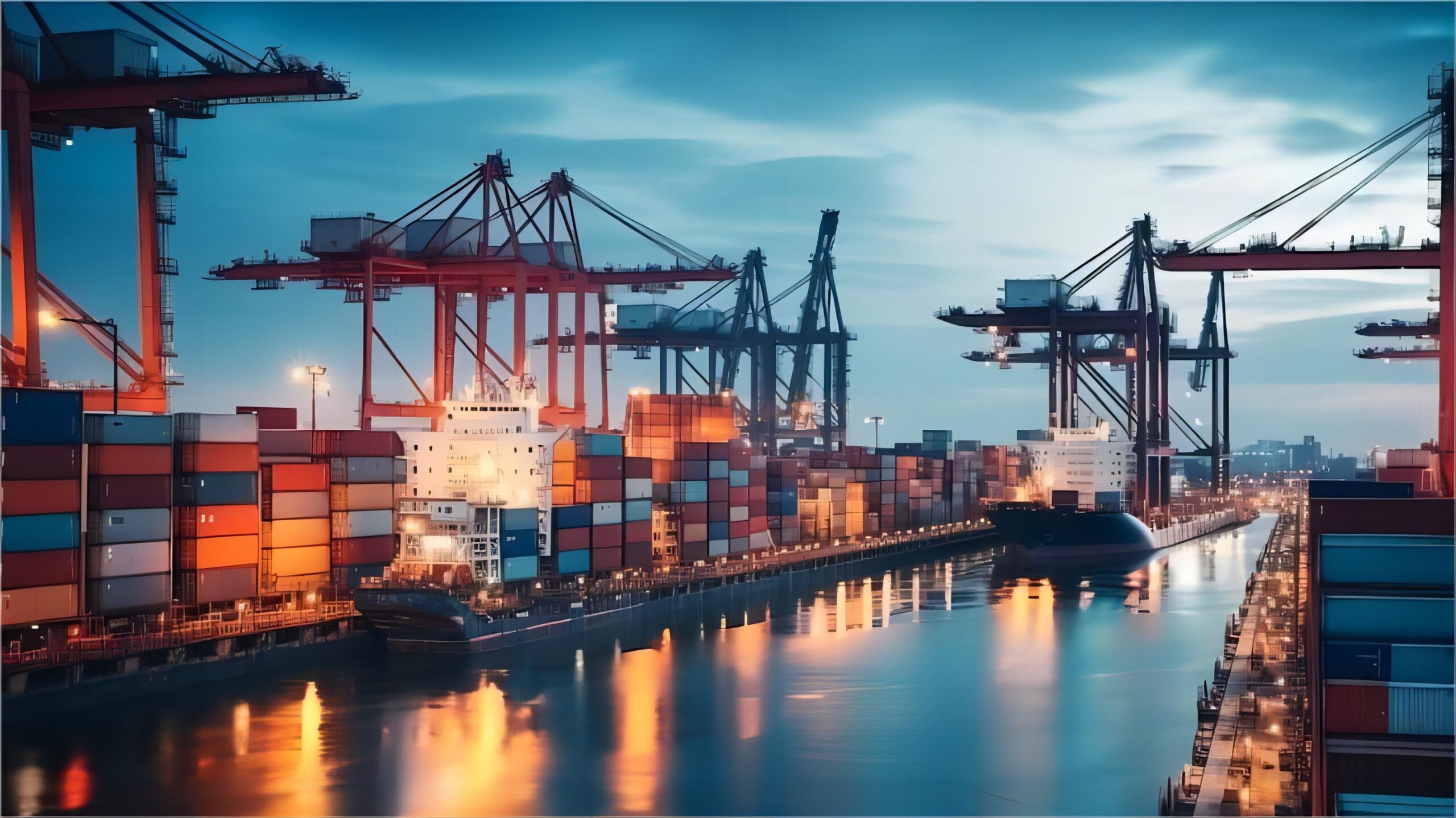
Real-World Case Studies for 2026 Shipments
Case Study 1: Electronics from Shenzhen to Los Angeles. Cargo: Consumer electronics, 12 CBM, 2,500 kg. Method: LCL Sea Freight. Ocean Freight: $950. Origin Charges: $250. Destination Charges: $400. Customs and Duties: $1,200. Total Landed Cost: $2,800. Timeline: 22 days door-to-door. Key Insight: Consolidating multiple small orders into one LCL shipment saved the client 15% compared to individual express shipments.
Case Study 2: Industrial Machinery from Ningbo to Savannah. Cargo: CNC Machine, 1x20GP Container. Method: FCL Sea Freight. Ocean Freight: $3,200. Origin Charges: $350. Destination Charges: $550. Customs and Duties: $4,500. Total Landed Cost: $8,600. Timeline: 38 days door-to-door. Key Insight: Direct routing to the East Coast avoided expensive cross-country trucking fees from the West Coast.
Case Study 3: Apparel Samples from Guangzhou to New York. Cargo: Clothing samples, 45 kg. Method: Express Service. Total Cost: $480. Timeline: 4 days. Key Insight: Utilizing a door to door service allowed the client to meet a critical fashion show deadline without handling complex logistics personally.
Strategies to Reduce Your Shipping Cost from China to USA
Consolidating shipments from multiple suppliers is one of the most effective ways to lower expenses. By combining smaller orders into a single FCL container, you benefit from lower freight rates and reduced documentation fees. Additionally, negotiating Incoterms like FOB (Free on Board) gives you more control over the shipping process. This allows you to choose your own forwarder and avoid hidden markups from suppliers.
Optimizing your packaging design can lead to substantial savings over time. Even a small reduction in box dimensions can allow more units to fit into a container or reduce volumetric weight for air shipments. Furthermore, shipping during off-peak windows can help you avoid the high surcharges associated with the holiday season. Planning your production schedule around these fluctuations is a hallmark of an efficient supply chain.
Final Thoughts on Managing Shipping Expenses
Understanding every component of the shipping cost from China to USA is vital for any successful import business. By comparing different transport modes and staying informed about market trends, you can make data-driven decisions that protect your bottom line. Transitioning between air and sea freight based on urgency and volume ensures maximum flexibility.
Logistics in 2026 requires a proactive approach to cost management and partner selection. Whether you choose FCL, LCL, or air transport, working with a dedicated forwarder simplifies the process and uncovers hidden savings. Start planning your next shipment today to take advantage of the current market stability.
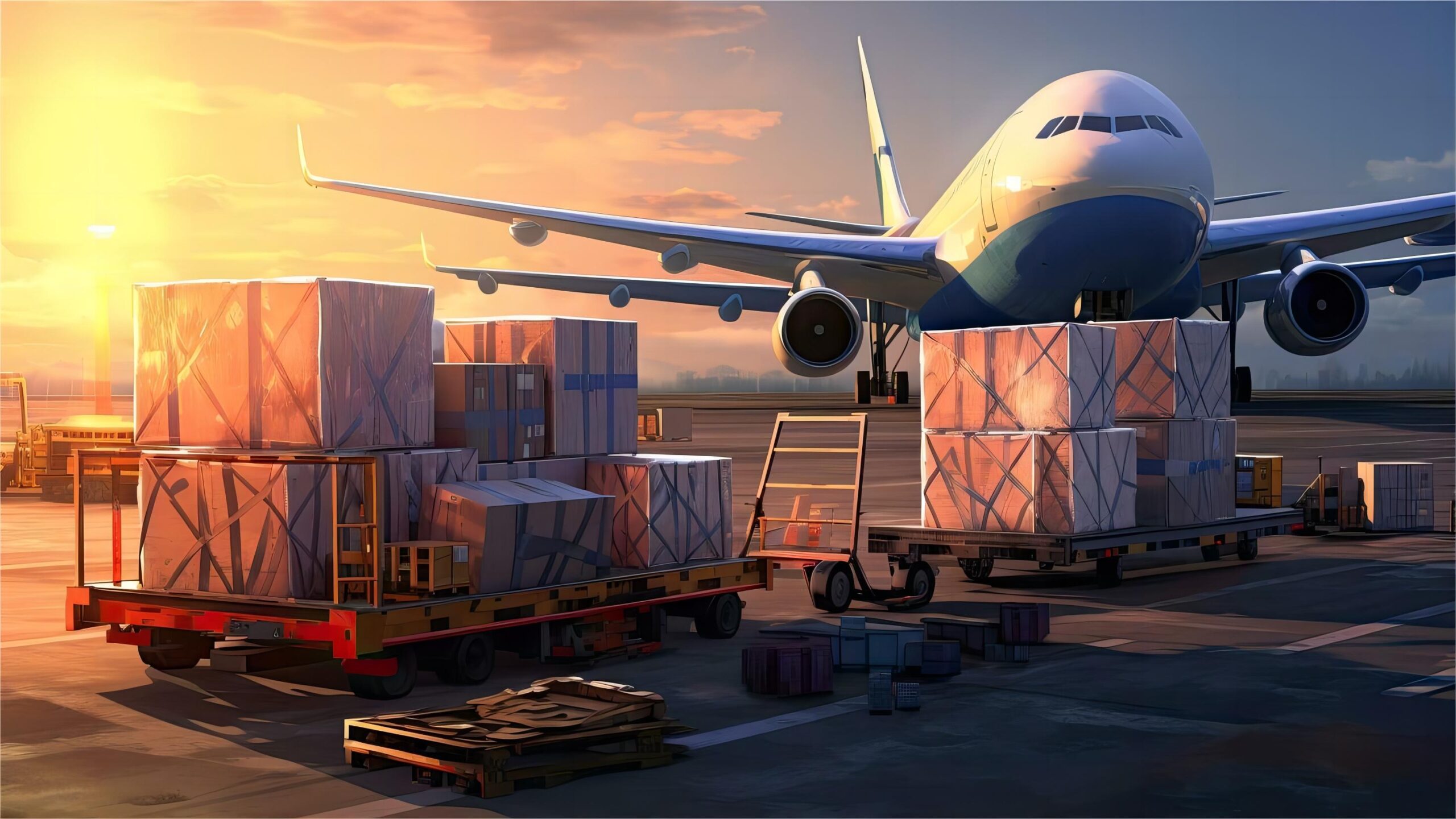
Ready to streamline your logistics?
Ready to optimize your supply chain and reduce your shipping cost from China to USA? Contact our expert team today for a personalized freight quote and professional guidance. Visit Top China Forwarder to start your inquiry now.
Request Quote