

Reefer FCL Transit Time for Auto Parts from China to New York: A 2025 Logistics Guide
Understanding the Reefer FCL transit time for auto parts from China to New York is essential for maintaining a seamless automotive supply chain. Many importers rely on Top China Forwarder to manage these complex temperature-controlled shipments efficiently. This guide explores the nuances of maritime routes, transit durations, and the specific requirements for protecting sensitive automotive components during long-haul ocean voyages.
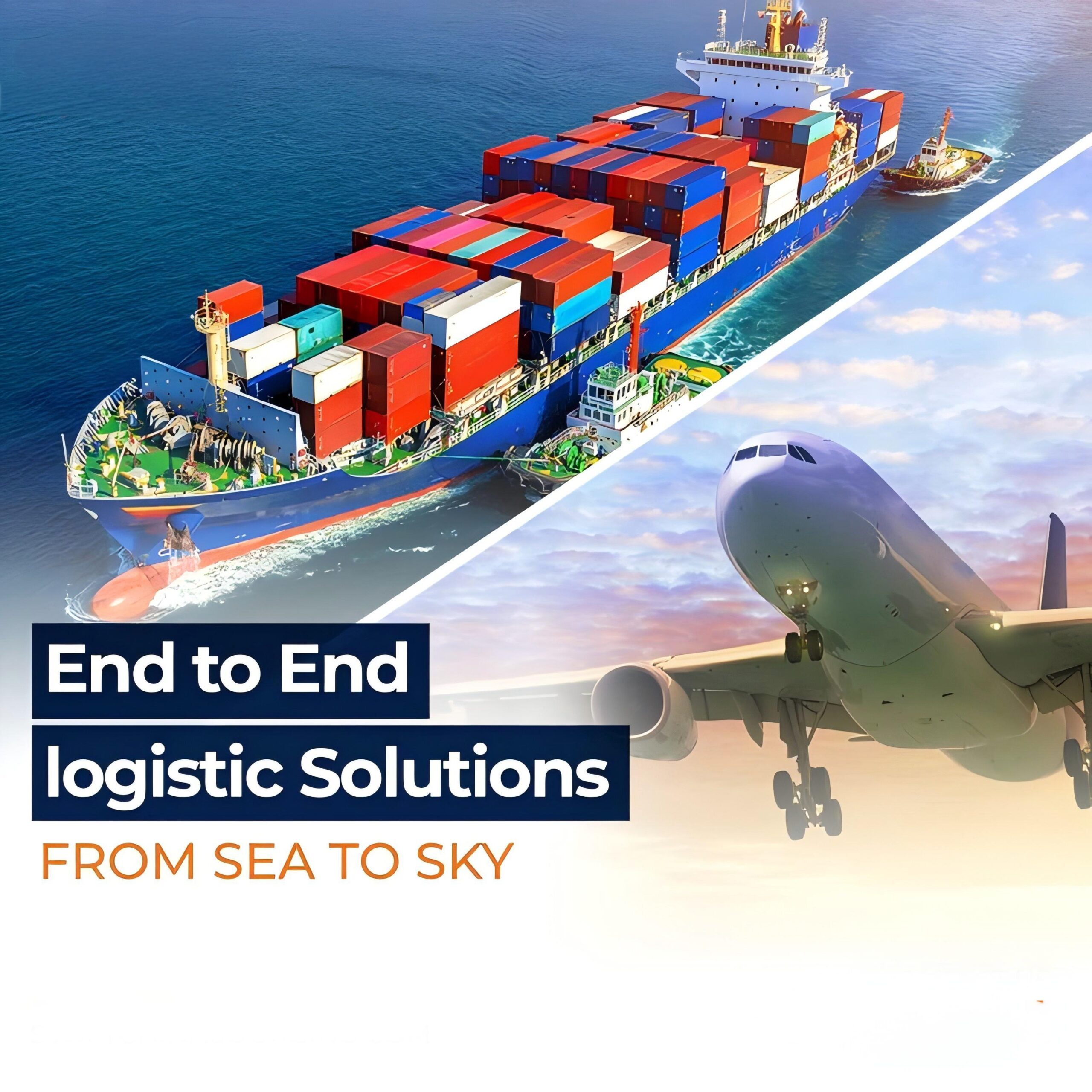
What is the typical Reefer FCL transit time for auto parts from China to New York?
Shipping durations for refrigerated full container loads from major Chinese ports to the East Coast of the United States generally range between 30 and 45 days. This timeline accounts for the long distance through the Panama Canal or around the Cape of Good Hope, depending on current maritime conditions. Consequently, businesses must plan their inventory cycles well in advance to avoid stockouts at the New York destination.
Direct routes from ports like Shanghai or Ningbo to the Port of New York and New Jersey typically offer the fastest service. Meanwhile, shipments involving transshipment in hubs like Busan or Panama may extend the total duration by an additional 5 to 10 days. Therefore, selecting a carrier with a reliable direct service is paramount for time-sensitive automotive components.
Seasonal factors also play a significant role in determining the final delivery date. For instance, during the peak shipping season from August to October, port congestion can lead to delays in berthing and unloading. Additionally, winter weather in the North Atlantic can sometimes force vessels to reduce speed, slightly increasing the total time spent at sea.
Utilizing sea freight services allows for the movement of large volumes of auto parts while maintaining a consistent climate. Furthermore, the use of advanced reefer technology ensures that sensitive electronics or high-end upholstery remain in pristine condition throughout the journey. Indeed, the stability of FCL shipping makes it the preferred choice for major automotive manufacturers.
Why do automotive components require temperature-controlled containers?
Modern vehicles incorporate a vast array of sophisticated electronic sensors and high-tech materials that are sensitive to extreme temperature fluctuations. Moreover, prolonged exposure to high humidity in standard dry containers can lead to corrosion of metallic surfaces or the degradation of adhesives. Accordingly, reefer containers provide a stable environment that mitigates these risks during the month-long transit.
Luxury interior components, such as premium leather seating and wood veneers, are particularly susceptible to mold and warping in humid conditions. Instead of risking damage in a standard box, importers choose refrigerated units to maintain a constant temperature and humidity level. As a result, the parts arrive at the New York assembly plant ready for immediate installation without the need for extensive quality checks.
Batteries for electric vehicles also represent a growing segment of temperature-controlled automotive cargo. Since lithium-ion batteries perform best when stored within a specific temperature range, reefer shipping is often a safety and performance requirement. Consequently, the demand for specialized cold chain logistics in the automotive sector has seen a steady increase over the past few years.
How Does Reefer FCL Compare to Other Shipping Options?
Analyzing the various transport modes is crucial for optimizing your logistics strategy. While air freight offers unparalleled speed, the costs are often prohibitive for heavy automotive components. On the other hand, standard sea freight is more affordable but lacks the climate control necessary for sensitive parts. Therefore, Reefer FCL occupies a unique middle ground, providing protection at a lower cost than air transport.
Comparing these methods helps logistics managers balance the trade-offs between speed, cost, and cargo safety. For example, a shipment of engine control units might justify the cost of temperature control to prevent micro-corrosion. Meanwhile, bulk mechanical parts like brake rotors might be suitable for standard dry containers if they are properly treated with anti-rust coatings.
Hybrid solutions, such as sea-air combinations, are sometimes used to bypass port congestion, though they are less common for heavy reefer cargo. Furthermore, rail freight from China to Europe is a viable alternative for some routes, but it is not an option for shipments destined for New York. Thus, ocean freight remains the dominant mode for transpacific automotive trade.
| Shipping Method | Cost Range | Transit Time | Best For |
|---|---|---|---|
| Reefer FCL | $4,500 – $6,500 | 30-40 Days | Sensitive Auto Parts |
| Standard FCL | $3,000 – $5,000 | 30-40 Days | Durable Components |
| Air Freight | $15,000+ | 5-8 Days | Urgent Spare Parts |
| LCL Shipping | $100 – $200/CBM | 35-45 Days | Small Shipments |
Key factors influencing the delivery schedule from China to the East Coast
Port efficiency at both the origin and destination significantly impacts the overall Reefer FCL transit time for auto parts from China to New York. Specifically, the Port of Shanghai often experiences high volumes, which can lead to delays in container loading. Similarly, the Port of New York and New Jersey may face labor shortages or equipment availability issues that slow down the discharge process.
Carrier routing decisions also play a vital role in determining how quickly a container reaches its destination. Some lines prefer the Panama Canal route, which is generally faster but subject to transit slots and water level restrictions. Alternatively, routing via the Suez Canal or the Cape of Good Hope might be used during periods of canal disruption, adding significant days to the voyage.
Customs procedures represent another critical variable in the logistics timeline. Engaging a professional customs brokerage service can help expedite the clearance process by ensuring all documentation is accurate and compliant. Without a doubt, proactive management of paperwork prevents unnecessary hold-ups at the border.
Infrastructure developments in the United States, such as improvements to rail links and trucking corridors, affect the final leg of the journey. Once the container leaves the vessel, it must be transported to a warehouse or assembly plant. Therefore, the efficiency of local drayage services in New York is just as important as the ocean transit itself.
Case Study 1: High-Value Electronic Sensors from Shenzhen
+———————————————————+
| Route: Shenzhen, China to New York, USA |
| Cargo: Automotive Sensors, 22 CBM, 4,500 kg |
| Container: 40HQ Reefer |
| |
| Shipping Details: |
| – Carrier/Service: Maersk Line |
| – Port of Loading: Yantian |
| – Port of Discharge: New York |
| – Route Type: Direct via Panama Canal |
| |
| Cost Breakdown: |
| – Ocean Freight: $5,200 |
| – Origin Charges: $450 |
| – Destination Charges: $600 |
| – Customs & Duties: $1,200 |
| – Total Landed Cost: $7,450 |
| |
| Timeline: |
| – Booking to Loading: 4 days |
| – Sea Transit: 32 days |
| – Customs Clearance: 2 days |
| – Total Door-to-Door: 38 days |
| |
| Key Insight: Direct routing via the Panama Canal |
| saved 6 days compared to transshipment options. |
+———————————————————+
Note: Freight rates are subject to change based on fuel costs, carrier capacity, and seasonal demand. Contact us for a current quote tailored to your specific shipment.
Case Study 2: Luxury Leather Interior Components from Ningbo
+———————————————————+
| Route: Ningbo, China to New York, USA |
| Cargo: Leather Seats and Trim, 18 CBM, 3,200 kg |
| Container: 20GP Reefer |
| |
| Shipping Details: |
| – Carrier/Service: COSCO |
| – Port of Loading: Ningbo-Zhoushan |
| – Port of Discharge: New York |
| – Route Type: Transshipment via Busan |
| |
| Cost Breakdown: |
| – Ocean Freight: $4,800 |
| – Origin Charges: $400 |
| – Destination Charges: $550 |
| – Customs & Duties: $950 |
| – Total Landed Cost: $6,700 |
| |
| Timeline: |
| – Booking to Loading: 5 days |
| – Sea Transit: 39 days |
| – Customs Clearance: 3 days |
| – Total Door-to-Door: 47 days |
| |
| Key Insight: Using a 20GP reefer was more cost-effective |
| for this volume despite the longer transit time. |
+———————————————————+
Note: Freight rates are subject to change based on fuel costs, carrier capacity, and seasonal demand. Contact us for a current quote tailored to your specific shipment.
Which Option Should You Choose? A Decision Framework
Choosing the right shipping strategy requires a careful evaluation of your specific business needs and cargo characteristics. If your primary goal is budget optimization, standard sea freight might be acceptable for non-sensitive parts like metal brackets. However, when the cargo includes delicate electronics or materials prone to environmental damage, the Reefer FCL transit time for auto parts from China to New York becomes a secondary concern compared to cargo integrity.
Priority for speed often dictates the use of air freight, especially for emergency repairs or production line stoppages. Conversely, for regular replenishment of inventory, ocean freight offers the best balance of volume and cost. Consequently, many large-scale importers use a tiered approach, shipping the bulk of their goods via sea while keeping a small buffer of air-shipped parts for emergencies.
Volume thresholds also influence the choice between FCL and LCL. For shipments exceeding 15 cubic meters, booking a full container is usually more economical and provides better security. Furthermore, door to door services can simplify the entire process by managing every step from the Chinese factory to the New York warehouse.
Consider the following criteria when making your decision: Is the cargo sensitive to humidity? What is the required delivery date? Does the total volume justify a full container? Indeed, answering these questions will lead you to the most efficient logistics solution for your automotive business.

Navigating customs clearance at the Port of New York and New Jersey
Importing automotive parts into North America requires strict adherence to federal regulations and safety standards. Specifically, the Department of Transportation (DOT) and the Environmental Protection Agency (EPA) have specific requirements for various vehicle components. Therefore, ensuring that all parts are properly labeled and documented is essential for a smooth customs entry.
Documentation such as the commercial invoice, packing list, and bill of lading must be perfectly aligned to avoid audits or inspections. Moreover, the Harmonized System (HS) codes used for auto parts must be accurate to ensure the correct duties are applied. For instance, using the wrong code for a transmission sensor could lead to significant fines or lengthy delays at the port.
Advanced filing of the Importer Security Filing (ISF) is a mandatory requirement for all ocean shipments entering the United States. Failure to file this information at least 24 hours before the vessel departs China can result in heavy penalties. Consequently, working with an experienced forwarder is the best way to ensure all regulatory milestones are met on time.
Utilizing express service options for original paper documents can also help speed up the process. While many carriers now accept digital copies, some specific customs scenarios still require physical paperwork. In conclusion, preparation and expertise are the keys to navigating the complexities of New York customs.
Final Thoughts on Shipping Auto Parts from China to New York
Managing the Reefer FCL transit time for auto parts from China to New York requires a deep understanding of maritime logistics and temperature-controlled technology. While the journey typically takes 30 to 45 days, the protection offered by refrigerated containers is invaluable for high-tech and luxury components. By selecting the right carrier, optimizing routes, and ensuring meticulous documentation, businesses can maintain a reliable and efficient supply chain. As global trade continues to evolve, staying informed about logistics trends and market rates will remain a competitive advantage for automotive importers everywhere.

Ready to streamline your logistics?
Are you looking to optimize your automotive supply chain? Our team specializes in managing Reefer FCL transit time for auto parts from China to New York with precision and care. Contact us today to receive a customized quote and ensure your sensitive cargo arrives in perfect condition. Visit our website to learn more about our specialized shipping solutions. Send Inquiry:
Request Quote