

Open Top FCL Booking Process for Medical Equipment from China to Norway
Navigating the Open Top FCL booking process for medical equipment from China to Norway requires precision and deep industry knowledge. High-value diagnostic machines often exceed the dimensions of standard containers, making specialized equipment a necessity. Top China Forwarder provides the expertise needed to manage these complex logistics efficiently. Consequently, importers can ensure their sensitive medical devices arrive safely at Norwegian facilities without unnecessary delays. This guide explores every step of the specialized shipping journey for heavy medical machinery.
What is the Open Top FCL Booking Process for Medical Equipment from China to Norway?
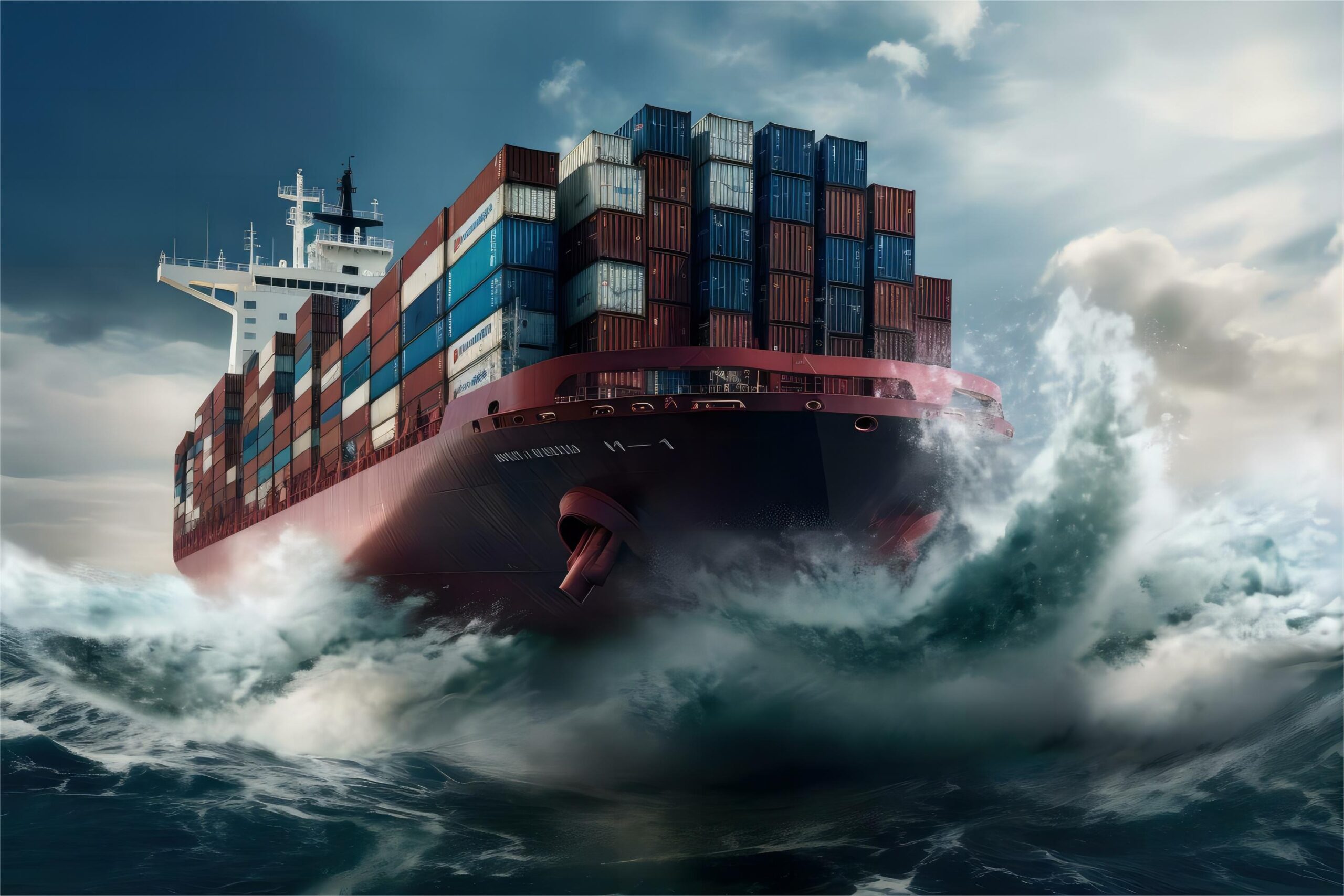
The Open Top FCL booking process for medical equipment from China to Norway begins with a detailed assessment of the cargo dimensions. Open top containers are specifically designed for items that are too tall to fit in standard dry vans or must be loaded via crane. Medical equipment like MRI scanners, CT systems, and large laboratory centrifuges typically fall into this category.
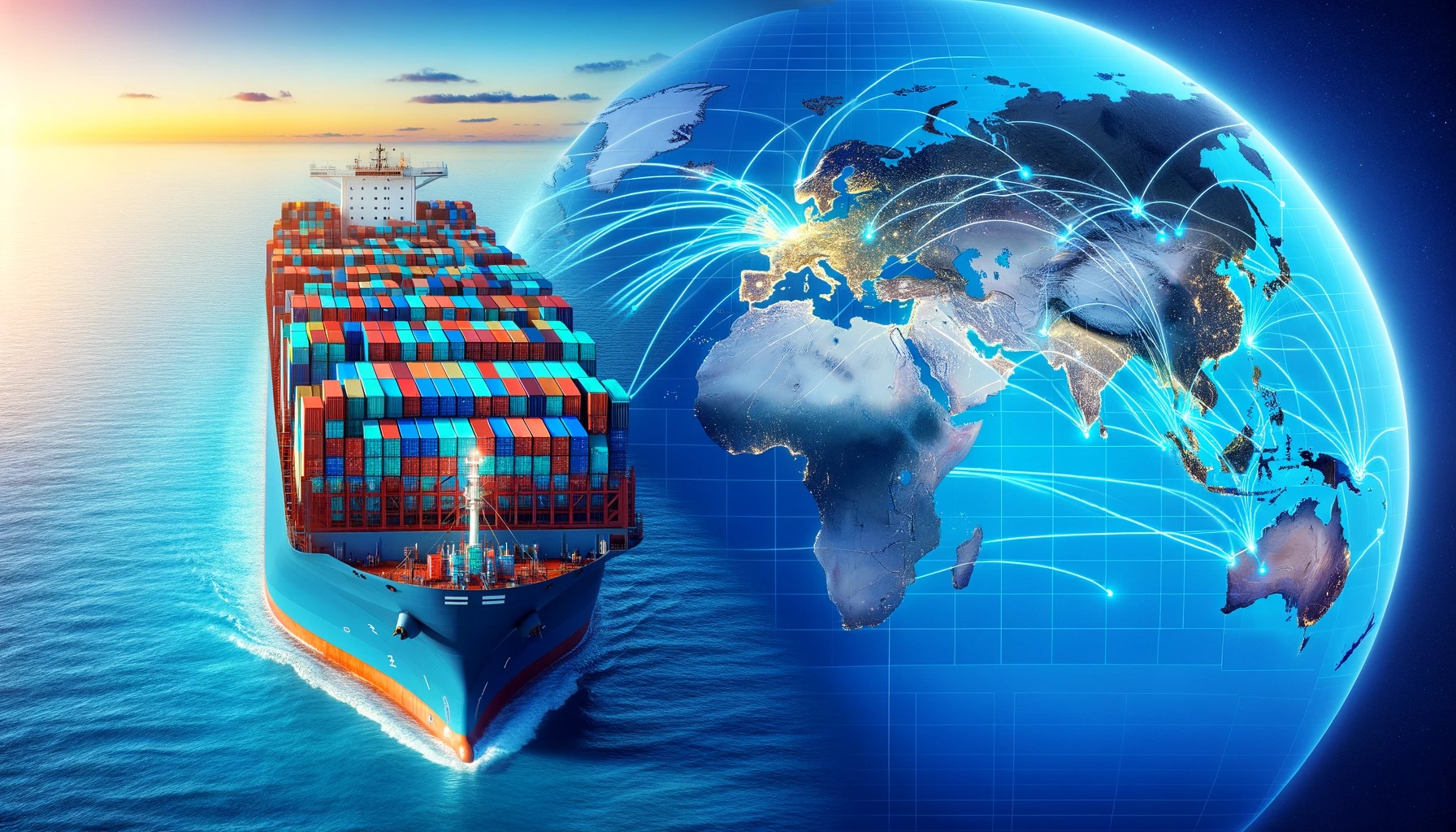
Selecting the right equipment is the first critical step in the logistics chain. You must determine if a 20-foot or 40-foot open top container is required based on the weight and height of the machinery. Furthermore, checking for over-height (OH) or over-width (OW) status is essential for accurate freight quoting.
Booking involves coordinating with a carrier that offers specialized equipment on the China-to-Norway route. Most major lines provide these services, yet availability can be limited during peak seasons. Therefore, securing space at least three to four weeks in advance is highly recommended for medical exporters.
How Does Open Top FCL Compare to Other Shipping Options?
Choosing between Open Top FCL and other methods depends largely on the physical characteristics of your medical devices. Standard sea freight is more economical but only works if the equipment fits inside a regular 8-foot 6-inch high container. In contrast, open top containers offer the flexibility of top-loading for bulky items.
Air transport remains an alternative for urgent medical shipments, although it is significantly more expensive. While air freight reduces transit time to days, the cost for heavy machinery can be prohibitive. Consequently, sea-based open top solutions are the industry standard for large-scale hospital installations.
Rail options have gained popularity for shipments across Eurasia. Using rail freight can be faster than sea but may lack the specialized open-top equipment needed for very tall medical units. As a result, shippers must weigh the speed of rail against the equipment availability of ocean carriers.
| Shipping Method | Cost Range | Transit Time | Best For | Limitations |
|---|---|---|---|---|
| Open Top Sea FCL | $3,500 – $5,500 | 35-45 Days | Oversized Machines | Equipment availability |
| Standard Sea FCL | $2,000 – $3,800 | 35-42 Days | Standard sized units | Fixed height limits |
| Air Freight | $15,000 – $30,000 | 5-9 Days | Urgent/Small units | Very high cost |
| Rail Freight | $4,500 – $6,500 | 22-28 Days | Mid-size equipment | Limited OT containers |
Step-by-Step Guide to Booking Your Shipment
Initial inquiry requires providing precise technical drawings and packing lists to the forwarder. These documents allow the carrier to calculate the exact space required and the necessary lashing points. Additionally, you should specify if the equipment requires a hard-top or soft-top open container.
Price negotiation follows the technical assessment. Rates for open top containers include a premium over standard FCL due to the specialized nature of the equipment and the potential loss of slot space on the vessel. Indeed, carriers often charge for ‘lost slots’ if the cargo is over-height.
Documentation preparation is the next vital phase. You must ensure all medical certifications and export licenses are in order before the container arrives at the port. Utilizing a professional customs brokerage service can prevent costly delays during this transition.
Which Option Should You Choose for Medical Cargo?
Budget priority dictates choosing sea freight for non-urgent hospital rollouts. If your project timeline allows for a 40-day window, the Open Top FCL booking process for medical equipment from China to Norway offers the best balance of safety and cost. However, always factor in the inland drayage costs in both China and Norway.
Speed priority necessitates a shift toward air or express solutions. For smaller medical components or emergency replacement parts, express service is the most efficient choice. Nevertheless, for a full MRI suite, the physical size usually makes sea freight the only viable engineering solution.
Cargo type considerations are paramount. Sensitive electronics in medical devices require climate-controlled environments or specialized moisture-barrier packaging when using open top containers. Shippers should invest in high-quality tarpaulins and heavy-duty lashing to protect the equipment from the North Sea elements.
Case Study 1: MRI Scanner Transport to Oslo
Origin: Shanghai, China -> Destination: Oslo, Norway. Cargo: High-field MRI Scanner, 18 CBM, 6,500 kg. Container: 40ft Open Top (Soft Top).
Shipping Details: Major carrier via transshipment in Hamburg. Port of Loading: Shanghai. Port of Discharge: Oslo. Route Type: Transshipment. Cost Breakdown: Ocean Freight: $4,850. Origin Charges: $450. Destination Charges: $600. Customs and Duties: $1,200. Total Landed Cost: $7,100.
Timeline: Booking to Loading: 10 days. Sea Transit: 38 days. Customs Clearance: 2 days. Total Door-to-Door: 52 days. Key Insight: Early booking of the 40ft OT container was crucial as equipment was scarce in Shanghai during Q3.
Case Study 2: Industrial Sterilization Units to Bergen
Origin: Shenzhen, China -> Destination: Bergen, Norway. Cargo: 3 Large Hospital Sterilizers, 12 CBM total. Container: 20ft Open Top.
Shipping Details: Direct service to Northern Europe. Port of Loading: Shenzhen. Port of Discharge: Bergen. Route Type: Direct. Cost Breakdown: Ocean Freight: $3,200. Origin Charges: $350. Destination Charges: $550. Customs: $800. Total Landed Cost: $4,900.
Timeline: Booking to Loading: 7 days. Sea Transit: 42 days. Customs Clearance: 3 days. Total Door-to-Door: 55 days. Key Insight: Proper lashing prevented any movement during heavy seas in the Atlantic, ensuring zero damage upon arrival.
Understanding Transit Times and Costs for Norway Routes
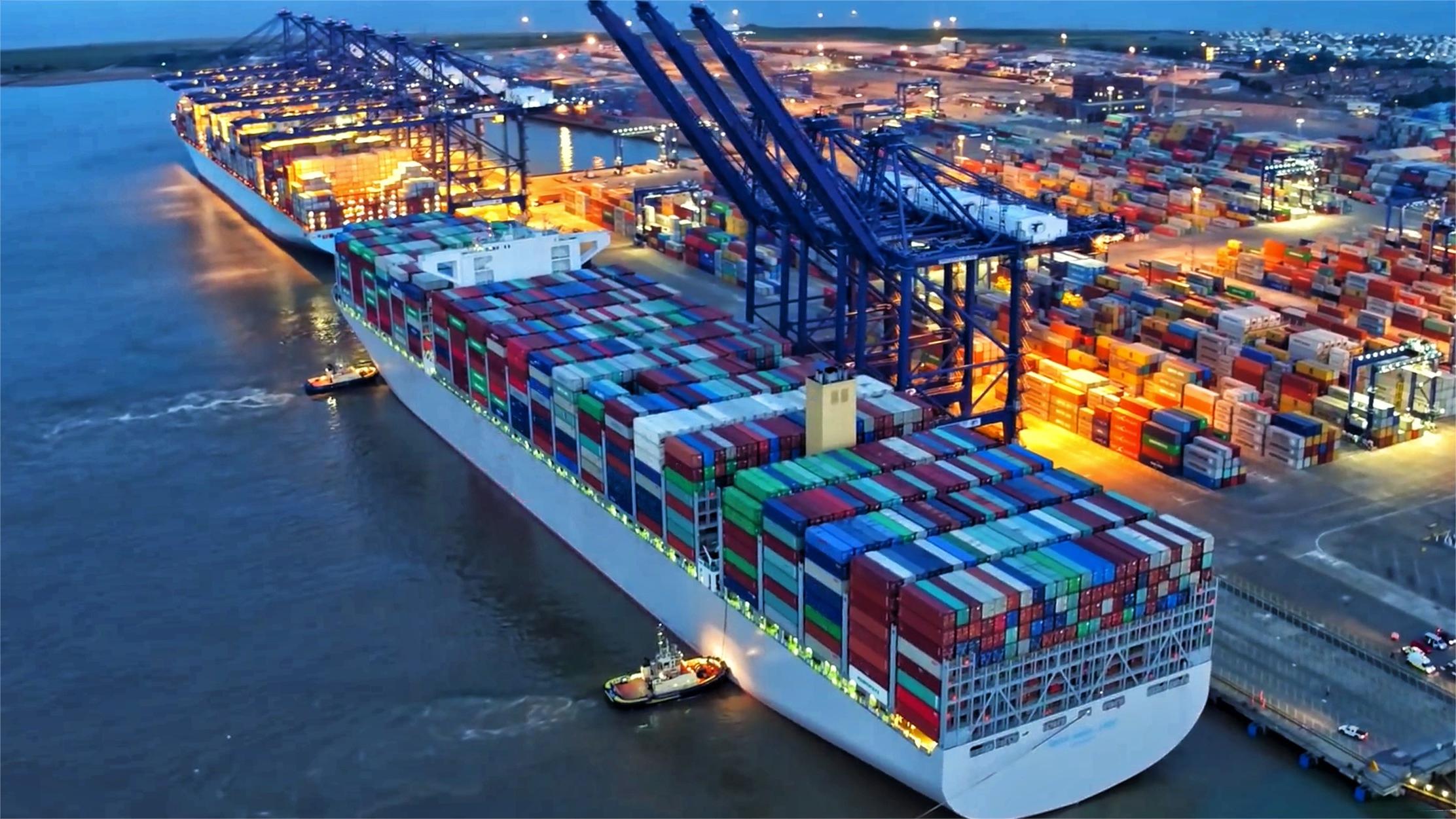
Transit times from China to Norway generally range between 35 and 50 days. Factors such as port congestion in Shanghai or Ningbo and the specific feeder schedule into Norwegian ports like Oslo, Bergen, or Stavanger influence the duration. Moreover, winter weather in the North Sea can occasionally add 3-5 days to the final leg.
Costs are influenced by fuel surcharges and seasonal demand. During the peak season from August to October, rates typically increase by 15-25%. As of early 2025, market data suggests that Open Top FCL rates have stabilized, though they remain higher than standard dry containers.
Inland transportation in Norway represents a significant portion of the total cost. Since medical equipment is often heavy, specialized heavy-lift trucks are required for door to door delivery. Consequently, importers should request a comprehensive quote that includes the final mile delivery to the hospital or clinic.
| Route | Container Type | Est. Transit | Avg. Freight Cost |
|---|---|---|---|
| Shanghai to Oslo | 20ft Open Top | 38-42 Days | $3,100 – $3,800 |
| Ningbo to Bergen | 40ft Open Top | 40-45 Days | $4,500 – $5,600 |
| Shenzhen to Stavanger | 40ft Open Top | 42-48 Days | $4,700 – $5,800 |
| Tianjin to Oslo | 20ft Open Top | 45-50 Days | $3,300 – $4,000 |
Customs and Compliance for Medical Equipment in Norway
Importing medical devices into Norway requires strict adherence to European Economic Area (EEA) regulations. All equipment must bear the CE mark to demonstrate compliance with safety and environmental standards. Furthermore, the Norwegian Medicines Agency (Statens legemiddelverk) may require registration for certain classes of medical devices.
Documentation must be meticulous to avoid customs hold-ups. Essential papers include the Commercial Invoice, Packing List, Bill of Lading, and the Certificate of Origin. In addition, a detailed technical description of the equipment helps customs officers classify the goods correctly under the Harmonized System (HS) codes.
Value Added Tax (VAT) in Norway is generally 25% of the landed cost. While medical equipment might be eligible for certain exemptions or reduced rates depending on the end-user, most commercial imports will incur this tax. Therefore, preparing the necessary funds for VAT and duties is a critical part of the financial planning process.
| Document Name | Purpose | Required By | Source |
|---|---|---|---|
| Commercial Invoice | Valuation of goods | Customs | Exporter |
| Packing List | Cargo details | Port Authority | Exporter |
| CE Certificate | Safety compliance | Health Agency | Manufacturer |
| Bill of Lading | Title of goods | Carrier | Forwarder |
Final Thoughts on Shipping Medical Equipment to Norway
Successfully managing the Open Top FCL booking process for medical equipment from China to Norway requires a blend of technical expertise and logistical foresight. By understanding the nuances of specialized container shipping, importers can protect their high-value investments and ensure timely delivery to healthcare providers. Transitioning from standard freight to open top solutions is often the only way to handle the physical demands of modern medical technology.
Working with an experienced forwarder simplifies the complexities of international trade and Norwegian customs. Whether you are shipping a single MRI machine or outfitting an entire hospital, planning for equipment availability and documentation compliance is the key to success. Note: Freight rates are subject to change based on fuel costs, carrier capacity, and seasonal demand. Contact us for a current quote tailored to your specific shipment.
Ready to streamline your logistics?
Streamline your Open Top FCL booking process for medical equipment from China to Norway today. Our team of logistics experts is ready to provide you with a tailored quote and a secure shipping plan. Visit our inquiry page to get started: Send Inquiry
Request Quote