

Open Top FCL Best Route for Auto Parts from China to New York: A Complete Guide
Finding the Open Top FCL best route for auto parts from China to New York is essential for businesses dealing with oversized components like engines, chassis, or heavy-duty machinery. Many importers struggle with the complexities of specialized equipment and the fluctuating costs of transpacific logistics. By choosing a professional partner like Top China Forwarder, you can streamline your supply chain and ensure that your high-value cargo arrives safely at the Port of New York and New Jersey. This guide explores the most efficient shipping lanes, cost-saving strategies, and technical requirements for transporting automotive parts using open-top containers.
Why Choose Open Top FCL for Auto Parts Shipping?
Open top containers are specifically designed for cargo that is too tall to fit in a standard dry van or requires loading via a crane from the top. Consequently, they are the preferred choice for heavy automotive components such as industrial engines, large stamping dies, and pre-assembled chassis segments. Using a Full Container Load (FCL) ensures that your parts are not co-mingled with other shippers’ goods, reducing the risk of damage during transit.
Moreover, specialized equipment like open tops allows for much easier handling at the port of loading in China. For example, when shipping from manufacturing hubs like Shanghai or Ningbo, crane loading significantly reduces the labor hours required compared to manual stuffing of a standard unit. Therefore, while the freight rate might be higher, the operational efficiency often justifies the investment for large-scale automotive imports.
Additionally, sea freight remains the most cost-effective method for moving high volumes of heavy parts over long distances. In contrast to air freight, which is prohibitively expensive for heavy steel components, ocean transport provides the necessary capacity and stability for the transpacific journey to New York.
Identifying the Open Top FCL Best Route for Auto Parts from China to New York
The primary route for shipping from China to the US East Coast involves the All-Water route via the Panama Canal. This route typically starts at major ports such as Shanghai, Ningbo, or Shenzhen and ends at the Port of New York and New Jersey. Indeed, this is often considered the Open Top FCL best route for auto parts from China to New York because it avoids the need for transloading cargo onto trucks or rail in the US West Coast.
On the other hand, some logistics managers opt for the Mini Land Bridge (MLB) route, where cargo is discharged at Los Angeles or Long Beach and moved by rail to New York. However, for open-top containers, the MLB route can be challenging due to height restrictions on certain rail lines and the increased risk of exposure to the elements during the cross-country transfer. Consequently, the direct water route via the Panama or Suez Canal is generally safer for specialized equipment.
Transit times for the all-water route usually range between 30 to 38 days, depending on the carrier and the specific port rotation. For instance, a direct service from Ningbo to New York might take 32 days, while a route with multiple transshipment points could extend to 40 days. Nevertheless, the consistency of all-water services makes them the most reliable choice for maintaining a steady automotive supply chain.
| Departure Port | Route Type | Average Transit Time | Best For |
|---|---|---|---|
| Shanghai | Direct All-Water | 30-34 Days | High Volume Parts |
| Ningbo | Direct All-Water | 32-36 Days | Heavy Machinery |
| Shenzhen | Via Panama Canal | 35-38 Days | Southern Suppliers |
| Qingdao | Transshipment | 38-42 Days | Northern Manufacturers |
How Does Open Top FCL Compare to Other Shipping Options?
When evaluating the Open Top FCL best route for auto parts from China to New York, it is vital to compare it with alternatives like Flat Rack containers or standard dry containers. Flat racks are suitable for cargo that is both over-height and over-width, whereas open tops are specifically for over-height items that still fit within the standard width of a container. Furthermore, standard dry containers are much cheaper but cannot accommodate the vertical dimensions of many industrial auto parts.
For smaller shipments, North America bound cargo might be sent via LCL (Less than Container Load), but this is rarely an option for oversized parts that require open-top loading. In such cases, the cost per cubic meter for LCL would be astronomical compared to the flat rate of an FCL unit. Therefore, FCL remains the dominant choice for the automotive sector.
As a result of these factors, shippers must weigh the speed of air freight against the capacity of ocean freight. While air freight can deliver parts in 5-7 days, the cost for an equivalent 40-foot open top’s worth of cargo could exceed fifty thousand dollars. In contrast, ocean freight for the same volume typically costs between four and six thousand dollars, depending on the season.
| Method | Cost Range | Transit Time | Limitations |
|---|---|---|---|
| Open Top FCL | $4,500 – $6,500 | 30-38 Days | Equipment Availability |
| Flat Rack | $5,500 – $8,000 | 30-38 Days | Higher Cost |
| Standard FCL | $3,000 – $4,500 | 30-38 Days | Height Constraints |
| Air Freight | $20,000+ | 5-7 Days | Extreme Cost |
Managing Customs and Documentation for Auto Parts
Navigating the regulatory landscape is a critical component of finding the Open Top FCL best route for auto parts from China to New York. Automotive parts are subject to specific HTS codes, which determine the duty rates and potential Section 301 tariffs. Consequently, working with a specialist in customs brokerage is highly recommended to avoid costly delays at the Port of New York.
Without a doubt, proper documentation is the backbone of a successful shipment. You must provide an accurate commercial invoice, packing list, and bill of lading that clearly describes the cargo and its dimensions. For instance, if you are shipping engines, you may also need to provide EPA declarations to prove compliance with US environmental standards. Failure to do so can result in the cargo being held for examination, leading to significant demurrage and detention fees.
Moreover, the US Customs and Border Protection (CBP) has strict rules regarding wood packaging materials. All pallets or bracing used within the open-top container must be heat-treated and stamped with the ISPM 15 logo. If your Chinese supplier fails to comply with these regulations, the entire container could be refused entry or required to undergo expensive on-site treatment.
Real-World Case Studies: Shipping Auto Parts to New York
Case Study 1: Industrial Engine Blocks from Shanghai. Route: Shanghai to New York via Panama Canal. Cargo: 12 Heavy-duty diesel engines, 22 CBM, 18,000 kg. Container: 40ft Open Top. Shipping Details: Carrier: COSCO. Port of Loading: Shanghai. Port of Discharge: New York. Route Type: Direct. Cost Breakdown: Ocean Freight: $5,200. Origin Charges: $450. Destination Charges: $600. Customs and Duties: $1,200. Total Landed Cost: $7,450. Timeline: Booking to Loading: 5 days. Sea Transit: 32 days. Customs Clearance: 2 days. Total Door-to-Door: 39 days. Key Insight: Early booking ensured equipment availability during the Q3 peak season.
Case Study 2: Stamping Dies from Shenzhen. Route: Shenzhen to New York. Cargo: Automotive stamping dies, 15 CBM, 24,000 kg. Container: 20ft Open Top. Shipping Details: Carrier: Maersk. Port of Loading: Yantian. Port of Discharge: Newark. Route Type: Direct. Cost Breakdown: Ocean Freight: $3,800. Origin Charges: $400. Destination Charges: $550. Customs and Duties: $950. Total Landed Cost: $5,700. Timeline: Booking to Loading: 4 days. Sea Transit: 35 days. Customs Clearance: 3 days. Total Door-to-Door: 42 days. Key Insight: Using a 20ft unit saved costs as the cargo was dense but not voluminous.
Note: Freight rates are subject to change based on fuel costs, carrier capacity, and seasonal demand. Contact us for a current quote tailored to your specific shipment.
Cost-Saving Strategies for Open Top FCL Shipments
To optimize your budget, consider a door to door service that includes all trucking and handling fees in one transparent price. This approach prevents hidden costs from arising during the transition from the port to your warehouse in New York or New Jersey. Furthermore, consolidating multiple orders into a single open-top container can significantly lower the freight cost per unit.
Another effective strategy is to monitor seasonal trends in the transpacific market. For example, freight rates typically spike before the Chinese New Year and during the late summer months. By scheduling your shipments during the slack season (usually March to May), you can often secure better rates for specialized equipment. Additionally, signing a long-term contract with a freight forwarder can provide price stability amidst market volatility.
Meanwhile, always double-check the dimensions of your cargo before booking. If your parts can be slightly disassembled to fit into a standard High Cube container, you could save over a thousand dollars per shipment. However, if the labor cost of disassembly and reassembly exceeds the shipping savings, the Open Top FCL best route for auto parts from China to New York remains the superior choice.
Which Option Should You Choose for Your Auto Parts?
Choosing the right shipping method depends on your specific priorities regarding budget, speed, and cargo safety. If your primary concern is cost and the cargo is over-height, then the All-Water Open Top FCL route is the standard industry solution. It provides a balance of reasonable transit times and secure handling for the New York market.
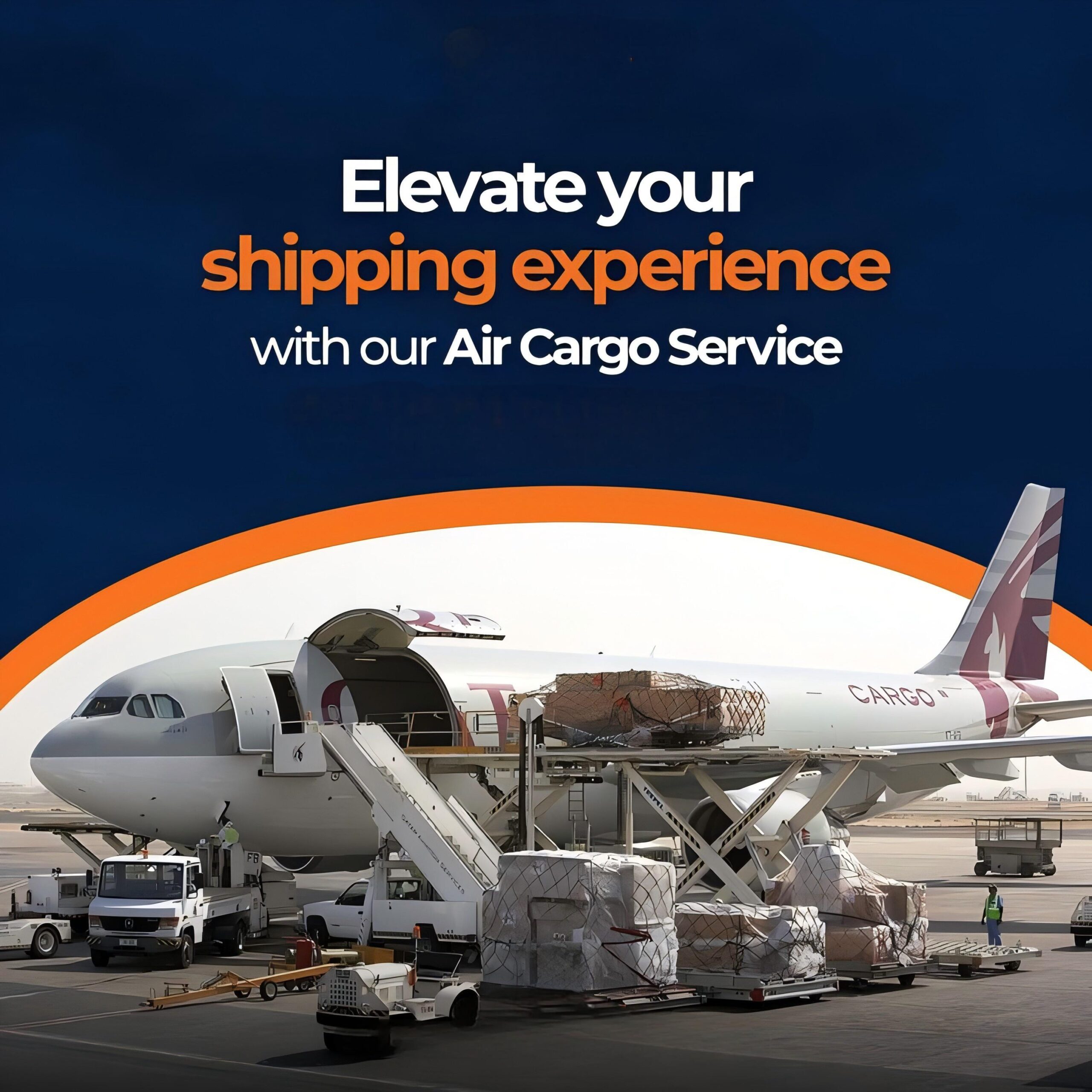
For urgent shipments where a production line might stop without the parts, air freight is the only viable alternative despite the high cost. Conversely, if your cargo is also over-width, you must upgrade to a Flat Rack or even a Breakbulk service for extremely large components. Understanding these thresholds is essential for effective logistics planning.
Indeed, for most automotive importers, the 40ft Open Top container via the Panama Canal offers the best ROI. It accommodates large volumes, protects the goods with a heavy-duty tarpaulin, and benefits from the frequent sailing schedules between China’s eastern seaboard and the US East Coast.
Summary of the Best Shipping Route for Auto Parts
In summary, the Open Top FCL best route for auto parts from China to New York is the all-water path through the Panama Canal, departing from major ports like Shanghai or Ningbo. This route offers the most secure and efficient way to transport oversized automotive components while avoiding the risks of domestic transloading. By leveraging specialized equipment and professional customs handling, importers can maintain a reliable flow of parts to the US market.
Furthermore, understanding the cost structures and transit times allows businesses to make informed decisions that support their bottom line. Whether you are shipping engines, chassis, or stamping dies, selecting the right container type and route is the key to logistics success. Partnering with an experienced forwarder ensures that your Open Top FCL best route for auto parts from China to New York is managed with precision and expertise.
Ready to streamline your logistics?
Are you ready to optimize your automotive supply chain? Contact Top China Forwarder today to secure the Open Top FCL best route for auto parts from China to New York and receive a competitive quote tailored to your oversized cargo needs. Visit our website to learn more about our specialized shipping solutions. Send Inquiry: https://topchinaforwarder.com
Request Quote