Mastering China Cargo Shipping for Amazon Sellers: A 2025 Guide
Navigating the complexities of china cargo shipping for amazon sellers requires a strategic approach to ensure inventory arrives safely and on time. Many entrepreneurs struggle with rising costs and transit delays that eat into profit margins. Working with an experienced partner like Top China Forwarder allows you to streamline your supply chain and focus on scaling your business. This comprehensive guide provides the latest market insights and actionable strategies for your logistics needs.
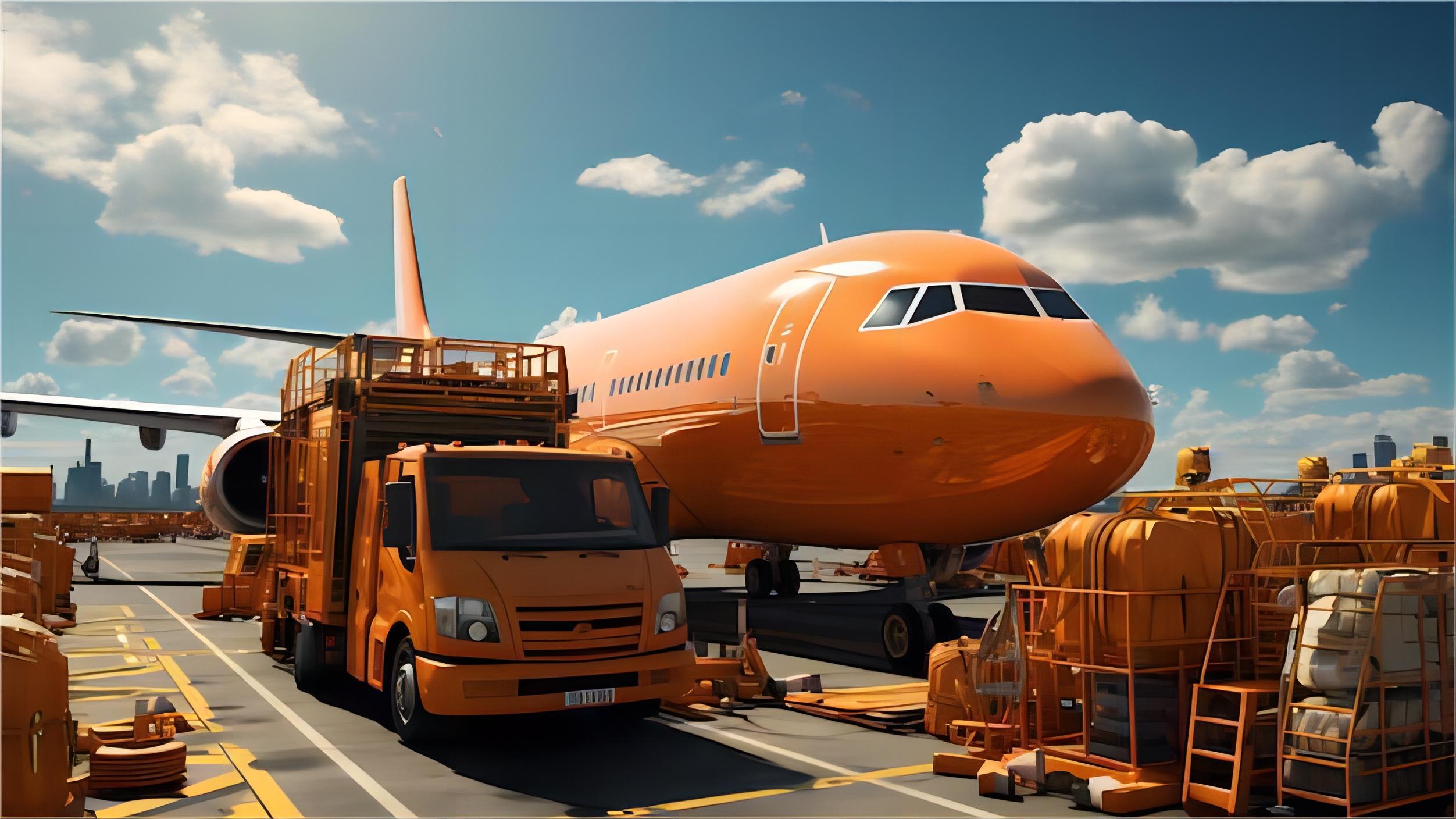
What Are the Main Methods for China Cargo Shipping for Amazon Sellers?
Choosing the right transportation mode is the first critical decision for any e-commerce business. Most sellers rely on four primary methods: sea freight, air freight, rail freight, and express courier services. Each option offers unique advantages depending on your budget, cargo volume, and urgency.
Furthermore, understanding the nuances of these methods helps in managing Amazon FBA shipping costs effectively. While express shipping is fastest, it is rarely cost-effective for heavy or bulky inventory. Conversely, ocean transport offers the lowest unit cost but requires careful planning due to longer lead times.
Consequently, many successful sellers employ a multi-modal strategy to balance speed and expense. For instance, they might send a small batch via air to maintain stock levels while the bulk of the order travels by sea. This approach minimizes the risk of stockouts during peak seasons like Q4.
| Express | Highest | 3-5 Days | Small samples |
| Air Freight | High | 5-10 Days | Urgent restocks |
| Sea Freight | Lowest | 20-45 Days | Bulk inventory |
| Rail Freight | Medium | 18-25 Days | Europe shipments |
Ocean Freight: The Backbone of Global Trade
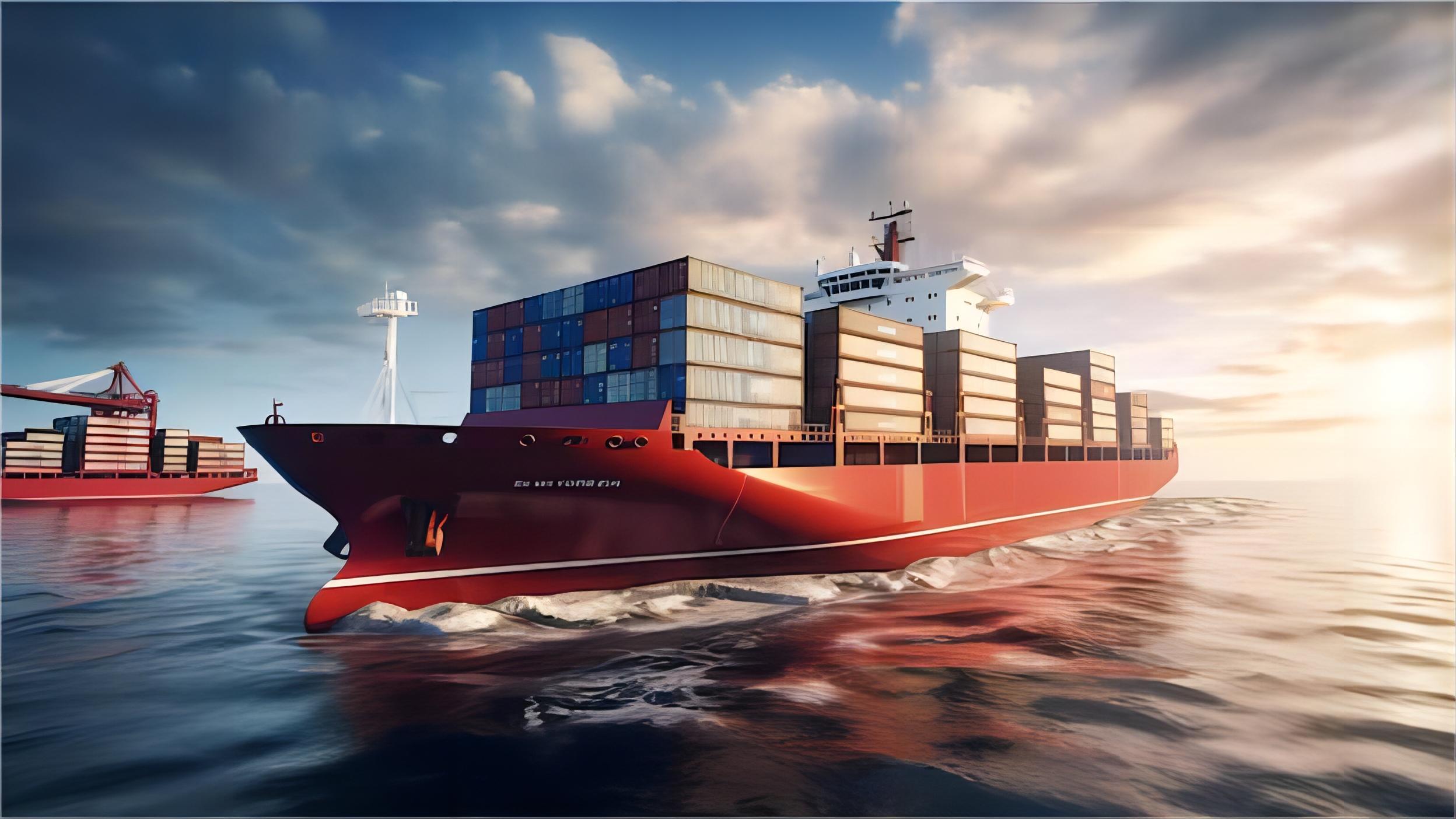
Ocean transport remains the most popular choice for sea freight due to its immense capacity and low rates. Sellers can choose between Full Container Load (FCL) or Less than Container Load (LCL) based on their shipment size. FCL is typically safer and faster as the container is dedicated to your goods alone.
Moreover, sea freight transit times have stabilized in early 2025 following previous global disruptions. Typical routes from China to the US West Coast take approximately 14 to 20 days. However, shipping to the US East Coast or Europe can take 30 to 45 days depending on the carrier and route.
Air Freight: Speed for High-Value Goods
Utilizing air freight is essential when dealing with high-value electronics or time-sensitive product launches. Although the cost per kilogram is significantly higher than sea transport, the transit time is reduced to just 5 to 10 days. This speed allows for faster capital turnover and more responsive inventory management.
Additionally, air transport reduces the risk of damage or theft compared to longer sea voyages. Many sellers find that the premium price is justified for products with high profit margins. It also serves as a reliable emergency backup when manufacturing delays threaten your Amazon delivery schedule.
How Does Sea Freight Compare to Other Shipping Options?
Analyzing the trade-offs between different logistics paths is vital for maintaining a healthy bottom line. While sea freight is the most economical, it lacks the flexibility of air or express services. Therefore, you must weigh the savings against the potential for lost sales if your inventory is stuck at sea.
Indeed, the price gap between sea and air is often vast. For a standard 40HQ container, you might pay 4,000 dollars for sea transit, whereas the same volume by air could exceed 30,000 dollars. This difference highlights why ocean transport is the preferred method for the majority of Amazon cargo.
| Sea (FCL) | $1,500 – $5,000 | 15-40 Days | Port congestion |
| Air Freight | $5 – $12 / kg | 5-10 Days | Weight limits |
| Rail Freight | $120 – $200/CBM | 18-25 Days | Fixed routes |
| Express | $8 – $15 / kg | 3-5 Days | Very expensive |
Which Option Should You Choose for Your Business?
Determining the best shipping strategy depends on your specific business priorities and product characteristics. If your primary goal is budget optimization, sea freight is the clear winner for shipments over 2 cubic meters. However, if speed is your priority to catch a seasonal trend, air freight becomes the necessary choice.
Specifically, many sellers find success with door to door services. This comprehensive solution handles everything from the factory floor to the Amazon fulfillment center. It simplifies the supply chain by removing the need for sellers to coordinate multiple logistics providers.
Volume Thresholds for Method Switching
Typically, shipments under 100 kilograms are most cost-effective via express courier. Once you exceed 100 kilograms, air freight usually offers better rates per unit. For shipments larger than 2 cubic meters, LCL sea freight becomes the most viable economic option.
Furthermore, when your volume reaches 15 to 20 cubic meters, upgrading to a 20-foot FCL container is often cheaper than LCL. This is because FCL avoids the consolidation fees and handling risks associated with shared containers. Always calculate your total landed cost before making a final decision.
Managing Customs and Documentation for China Cargo Shipping
Navigating international regulations is often the most daunting aspect of china cargo shipping for amazon sellers. Proper documentation is essential to avoid costly delays and potential fines at the border. You must ensure that all commercial invoices, packing lists, and bills of lading are accurate and complete.
Additionally, hiring a professional customs brokerage can save you significant time and stress. These experts understand the specific HTS codes and duty rates for your products. They also stay updated on changing trade policies and import requirements between China and your target market.
| Commercial Invoice | Value declaration | Supplier | Critical |
| Packing List | Cargo details | Supplier | Critical |
| Bill of Lading | Title to goods | Forwarder | Mandatory |
| CO Certificate | Origin proof | Supplier | Recommended |
Real-World Case Studies in China Logistics
Reviewing actual shipping scenarios provides valuable context for your own logistics planning. These examples reflect market conditions from late 2024 and early 2025. They highlight the costs and timelines you can expect when shipping to major North America destinations or European hubs.
Case Study 1: Electronics to USA West Coast
Box Case Study 1: High-Volume Electronics Restock Route: Shenzhen, China to Los Angeles, USA Cargo: Consumer Electronics, 25 CBM, 4,500 kg Container: 40GP Shipping Details: – Carrier: COSCO – Port of Loading: Shenzhen – Port of Discharge: Los Angeles – Route Type: Direct Cost Breakdown: – Ocean Freight: $2,800 – Origin Charges: $450 – Destination Charges: $600 – Customs and Duties: $1,200 – Total Landed Cost: $5,050 Timeline: – Booking to Loading: 4 days – Sea Transit: 16 days – Customs Clearance: 3 days – Total Door-to-Door: 23 days Key Insight: Using a direct route to the West Coast saved 12 days compared to shipping via the Panama Canal to the East Coast.
Case Study 2: Apparel to Germany via Rail
Box Case Study 2: Seasonal Apparel for European Market Route: Ningbo, China to Hamburg, Germany Cargo: Clothing, 12 CBM, 2,200 kg Container: LCL Shipping Details: – Service: China-Europe Railway Express – Port of Loading: Ningbo (via Xi’an hub) – Port of Discharge: Hamburg – Route Type: Trans-Eurasia Rail Cost Breakdown: – Rail Freight: $2,100 – Origin Charges: $300 – Destination Charges: $400 – Customs and Duties: $850 – Total Landed Cost: $3,650 Timeline: – Booking to Loading: 5 days – Rail Transit: 22 days – Customs Clearance: 4 days – Total Door-to-Door: 31 days Key Insight: Rail freight provided a perfect middle ground between the high cost of air and the slow speed of sea transport.
What Are the Alternative Strategies for Cost Saving?
Implementing smart alternative strategies can significantly reduce your overall shipping expenditure. One effective method is the sea-air hybrid solution, where goods are shipped by sea to a hub like Dubai and then flown to the final destination. This often cuts transit time in half compared to sea freight while remaining much cheaper than pure air freight.
Moreover, optimizing your packaging is a simple yet powerful way to lower costs. By reducing the dimensions of your product boxes, you can fit more units into a single container. Consequently, your freight cost per unit drops, directly increasing your profit margins on the Amazon platform.
Another strategy involves consolidating shipments from multiple suppliers into a single FCL container. Instead of paying for several LCL shipments, you pay for one full container, which is generally more secure and economical. This requires a forwarder with strong warehouse capabilities in China to manage the consolidation process.
Current Market Trends and 2025 Outlook
Staying informed about industry shifts is crucial for long-term success in e-commerce logistics. As of Q1 2025, freight rates from China have largely stabilized after the volatility seen in previous years. However, seasonal spikes remain a factor, particularly during the lead-up to Chinese New Year and the Q4 holiday rush.
Additionally, there is an increasing focus on sustainable shipping practices within the logistics sector. Many carriers are introducing greener fuels and carbon-offset programs to meet new environmental regulations. Sellers who adopt these practices early may find marketing advantages with eco-conscious consumers on Amazon.
Note: Freight rates are subject to change based on fuel costs, carrier capacity, and seasonal demand. Contact us for a current quote tailored to your specific shipment.
Final Thoughts on China Cargo Shipping
To summarize, mastering china cargo shipping for amazon sellers is a continuous process of balancing cost, speed, and reliability. By understanding the different shipping methods and staying informed about market trends, you can make data-driven decisions that protect your margins.
Remember that the cheapest option is not always the best if it leads to stockouts or damaged goods. Focus on building a resilient supply chain that utilizes the strengths of sea, air, and rail freight where appropriate. Partnering with a reliable freight forwarder will ultimately provide the stability your Amazon business needs to thrive in a competitive marketplace.
Ready to streamline your logistics?
Streamline your supply chain today by choosing the right partner for china cargo shipping for amazon sellers. Our team offers tailored logistics solutions to ensure your inventory arrives on time and within budget. Visit Top China Forwarder to request a professional quote and optimize your Amazon business logistics. Send Inquiry: https://topchinaforwarder.com/contact/
Request Quote