

Get a Precise Shipping Quote China to Canada for 2026
Finding a competitive shipping quote china to canada is essential for businesses looking to maintain healthy profit margins in the current global market. Navigating the complexities of international logistics requires a clear understanding of freight rates, transit times, and customs requirements. Therefore, partnering with a professional Top China Forwarder ensures that your supply chain remains efficient and cost-effective throughout 2026.
Understanding the Logistics Landscape in 2026
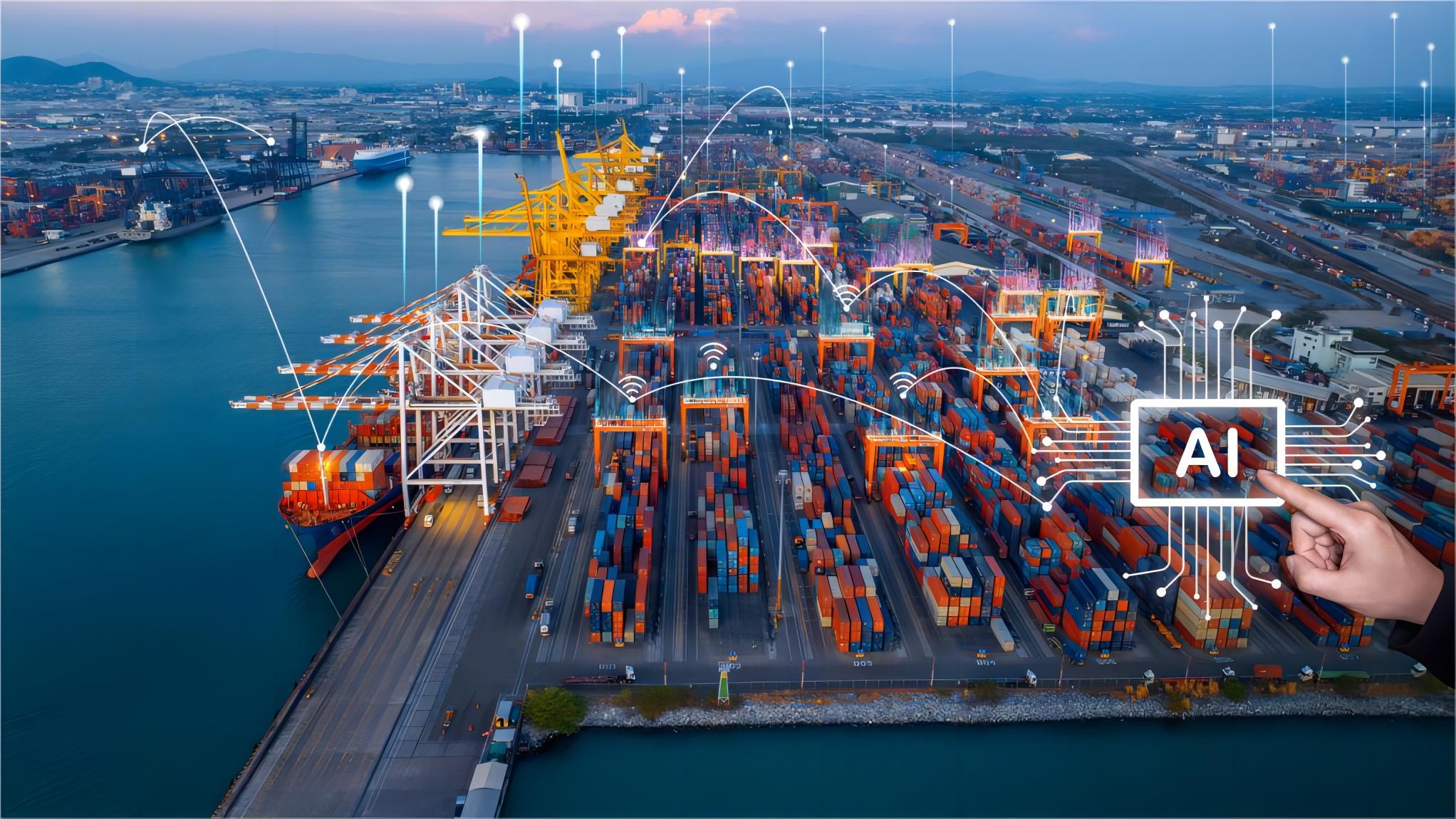
Current market conditions in early 2026 indicate that freight rates have stabilized following the volatility of previous years. However, several factors still influence the final cost of your shipping quote china to canada, including fuel surcharges and seasonal demand shifts. Consequently, shippers must stay informed about industry trends to secure the best possible pricing.
Moreover, the demand for Canadian imports from Chinese manufacturing hubs remains strong across sectors like electronics and industrial machinery. Businesses are increasingly looking for transparent pricing models that account for all landed costs. Indeed, a detailed quote should include more than just the base freight rate to avoid unexpected expenses at the destination port.
Additionally, environmental regulations in 2026 have led to new sustainability surcharges for certain ocean carriers. Shippers should inquire about these fees when requesting their initial estimates. Furthermore, choosing the right port of entry in Canada, such as Vancouver or Prince Rupert, can significantly impact the total transit time and inland haulage costs.
Choosing Between Sea Freight and Air Freight
Selecting the most appropriate transportation mode is the first step in obtaining an accurate shipping quote china to canada. For large volumes of cargo, sea freight offers the most economical solution for businesses prioritizing cost over speed. Meanwhile, companies dealing with high-value or time-sensitive goods often prefer the speed of air transport.
Specifically, air freight provides a rapid delivery schedule that can reduce inventory holding costs. While the price per kilogram is higher, the reduced transit time allows for quicker market responsiveness. In contrast, ocean shipping remains the backbone of heavy industrial trade due to its massive capacity and lower carbon footprint per ton.
Notably, the choice between these methods depends on your specific cargo volume and budget constraints. For instance, shipments exceeding 15 cubic meters are almost always more cost-effective when sent via full container load (FCL). On the other hand, smaller consignments may benefit from less than container load (LCL) pricing structures.
How Does Sea Freight Compare to Other Shipping Options?
Analyzing all viable alternatives is crucial for optimizing your logistics budget in 2026. While sea freight is the standard, hybrid solutions and express services offer different balances of cost and speed. Therefore, a comprehensive comparison helps identify the most efficient route for your specific business needs.
Consequently, many importers are exploring sea-air combinations to bypass port congestion during peak seasons. This alternative strategy provides a middle ground that is faster than pure ocean freight but cheaper than direct air transport. Additionally, the emergence of dedicated e-commerce lanes has streamlined the process for smaller parcel shipments.
| Shipping Method | Cost Range | Transit Time | Best For |
|---|---|---|---|
| Sea Freight (FCL) | $2,800 – $5,500 | 18 – 35 Days | Bulk Goods |
| Air Freight | $5 – $12 per kg | 3 – 7 Days | High Value |
| Express Service | $8 – $15 per kg | 2 – 5 Days | Samples |
| Sea-Air Hybrid | $3 – $6 per kg | 12 – 20 Days | Urgent Bulk |
Navigating Customs and Documentation Requirements
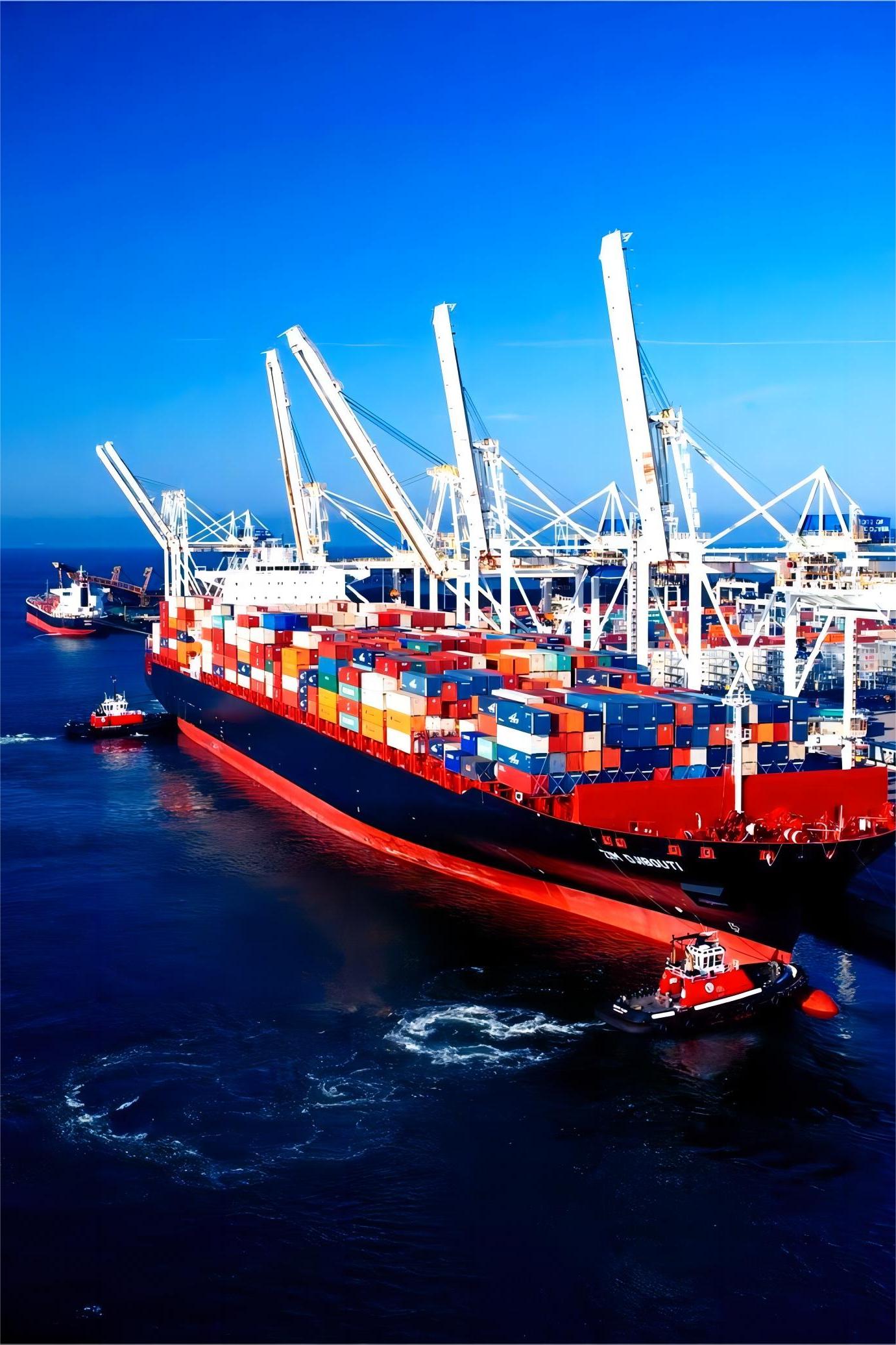
Ensuring that your paperwork is in order is vital to preventing delays at the Canadian border. A professional customs brokerage service can help you navigate the complexities of the Canada Border Services Agency (CBSA) regulations. Without a doubt, accurate documentation is the key to a smooth customs clearance process.
Furthermore, you must provide a commercial invoice, a packing list, and a bill of lading for every shipment. In addition, certain products may require specific permits or certificates of origin to qualify for preferential tariff treatments. Consequently, failing to include these documents can result in costly storage fees and delivery delays.
Meanwhile, the implementation of the CARM (CBSA Assessment and Revenue Management) system in 2026 has changed how duties are collected. Importers must now be registered within the CARM portal to manage their financial security and duty payments effectively. Therefore, your shipping quote should reflect any service fees related to these digital compliance requirements.
Door to Door Shipping Solutions for 2026
Many businesses now prefer door to door services to simplify their logistics operations. This comprehensive approach covers every step from the factory floor in China to the final warehouse destination in Canada. As a result, shippers can focus on their core business activities while the forwarder handles the technical details.
Additionally, DDP (Delivered Duty Paid) options are becoming increasingly popular for Amazon FBA sellers and e-commerce entrepreneurs. Under this agreement, the seller assumes all responsibility for shipping costs, duties, and taxes. Consequently, the buyer receives the goods without having to manage the import process themselves.
Moreover, this method provides a predictable total landed cost, which is essential for accurate product pricing. For example, knowing the exact cost per unit delivered to your door allows for better financial planning. Indeed, most modern shipping quotes for small to medium enterprises now include these all-in service options.
Real Case Studies: Logistics Success in 2026
Case Study 1: Shanghai to Vancouver. Route: Shanghai Port to Port of Vancouver. Cargo: Industrial Machinery, 28 CBM. Container: 40GP. Shipping Details: Direct sea transit via major carrier. Ocean Freight: $3,400. Origin Charges: $450. Destination Charges: $600. Customs and Duties: $1,200. Total Landed Cost: $5,650. Timeline: 22 days door-to-door. Key Insight: Early booking during the Q1 slack season saved the client 15 percent on freight costs.
Case Study 2: Shenzhen to Toronto. Route: Shenzhen Port to Toronto via Prince Rupert. Cargo: Consumer Electronics, 4 CBM. Method: LCL Sea Freight. Shipping Details: Transshipment via rail from the West Coast. Ocean Freight: $850. Origin Charges: $200. Destination Charges: $350. Customs and Duties: $2,100. Total Landed Cost: $3,500. Timeline: 34 days door-to-door. Key Insight: Using the rail link from Prince Rupert avoided heavy congestion at the Vancouver truck gates.
Case Study 3: Guangzhou to Montreal. Route: Guangzhou Airport to Montreal Trudeau. Cargo: Fashion Apparel, 250 kg. Method: Air Freight. Shipping Details: Direct flight service. Air Freight: $2,250. Origin Charges: $150. Destination Charges: $200. Customs and Duties: $400. Total Landed Cost: $3,000. Timeline: 6 days door-to-door. Key Insight: Rapid transit allowed the retailer to restock a popular line before the holiday peak.

Which Option Should You Choose?
Budget Priority
If your primary goal is to minimize expenses, sea freight is the recommended option. For shipments over 500 kilograms, the cost savings compared to air freight are substantial. However, you must plan your inventory at least two months in advance to account for the longer transit times.
Speed Priority
When deadlines are tight, express service or standard air freight is the only viable choice. These methods ensure your goods arrive in Canada within a week. Consequently, this is ideal for seasonal product launches or urgent replacement parts.
Volume Thresholds
For shipments between 1 and 10 cubic meters, LCL sea freight offers a balanced approach. Once you exceed 15 cubic meters, switching to a 20-foot FCL container usually becomes more economical. Therefore, always ask your forwarder to compare LCL and FCL rates if your volume is near the threshold.
Transit Time Estimates by Destination
Understanding the transit time is just as important as the shipping quote china to canada itself. Transit times vary significantly depending on whether you are shipping to the West Coast or the East Coast. For instance, shipping to Vancouver is much faster than shipping to Toronto or Montreal due to the geographic proximity to China.
Specifically, ocean transit to Vancouver typically takes 14 to 20 days. In contrast, shipping to Toronto via the Panama Canal or by rail from the West Coast can take 30 to 40 days. Consequently, businesses must factor these timelines into their supply chain schedules to avoid stockouts.
| Origin City | Destination City | Method | Est. Days |
|---|---|---|---|
| Ningbo | Vancouver | Sea (Direct) | 16 – 18 |
| Shenzhen | Toronto | Sea + Rail | 28 – 32 |
| Shanghai | Montreal | Sea (All Water) | 35 – 42 |
| Beijing | Calgary | Air Freight | 4 – 6 |
Strategies to Reduce Your Shipping Costs
Implementing cost-saving strategies can significantly lower your annual logistics spend. For example, consolidating multiple small orders into a single LCL or FCL shipment reduces documentation fees and handling charges. Furthermore, optimizing your packaging to reduce dead space can lower both air and sea freight costs.
Additionally, negotiating rates during the off-peak season can lead to better deals. Typically, rates are lower in the months following the Lunar New Year and before the autumn peak. Meanwhile, maintaining a consistent shipping schedule allows you to build a relationship with your forwarder, often resulting in more favorable terms.
Finally, always verify the Incoterms used in your shipping quote china to canada. Understanding whether you are responsible for freight, insurance, or local delivery helps you compare quotes accurately. Indeed, a quote that seems cheap at first might become expensive if it excludes necessary destination services.
Final Thoughts on Canadian Freight
Securing an accurate shipping quote china to canada is the foundation of a successful import business in 2026. By understanding the differences between sea and air freight, you can make informed decisions that balance cost and speed. Moreover, staying compliant with the latest customs regulations ensures your goods move through the border without unnecessary delays.
To summarize, logistics success requires a combination of careful planning, the right shipping method, and a reliable partner. Whether you choose FCL, LCL, or express services, always prioritize transparency and efficiency. Start your journey today by requesting a detailed quote tailored to your specific cargo needs.

Get Your Shipping Quote Today
Ready to optimize your supply chain for 2026? Contact our team today for a comprehensive shipping quote china to canada and discover how we can streamline your imports. Visit our inquiry page to get started: Send Inquiry
Request Quote