Vietnam is one of China’s fastest-growing trade partners, importing everything from textiles and electronics to industrial machinery. However, businesses often struggle with rising logistics costs, customs challenges, and delays. This guide will help you navigate freight from China to Vietnam, explaining transport options, costs, documents, and best practices to ensure smooth delivery.
What Shipping Methods Are Available from China to Vietnam?
Due to close geographical proximity, you have multiple shipping options: sea freight, air freight, and cross-border trucking.
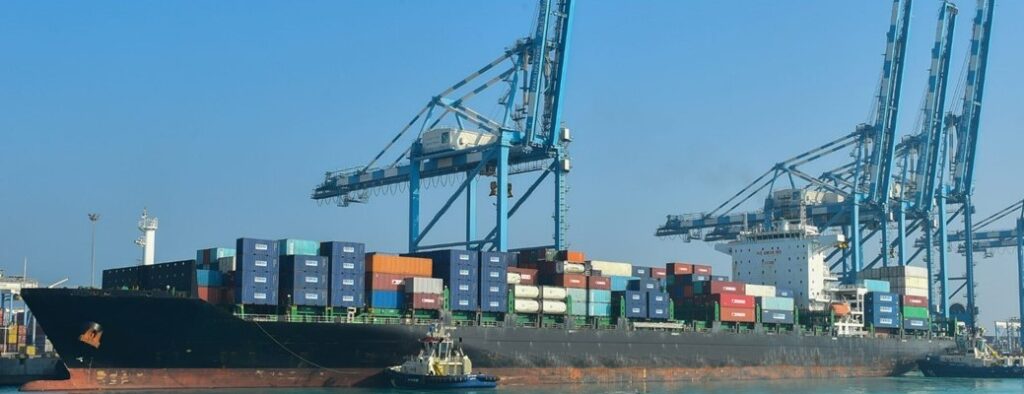
Hai Phong Port: Northern Vietnam’s busiest container hub.
Da Nang Port: Central Vietnam, ideal for regional imports.
Ho Chi Minh City (Cat Lai): Handles the majority of southern trade.
Why Choose Sea Freight for China–Vietnam Trade?
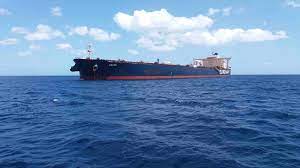
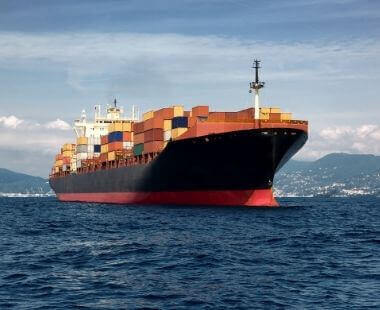
Sea freight is the most cost-effective choice for large shipments.
FCL (Full Container Load): Best for businesses moving big volumes with predictable costs.
LCL (Less than Container Load): Ideal for smaller importers who share container space.
Advantages: Lower cost per unit, strong port infrastructure, and stable carrier schedules.
When Should You Use Air Freight for China–Vietnam Shipments?
Air freight is suitable if:
You need urgent or seasonal goods delivered quickly.
Your products are high-value but lightweight (e.g., electronics, apparel).
Your supply chain requires reliable, short lead times.
Although more expensive, air freight offers speed and reduced risk of damage.
How Does Cross-Border Trucking Benefit Importers?
Trucking is one of the most practical options because of the shared border.
Transit Time: 2–6 days depending on customs checkpoints.
Cost: Cheaper than air, faster than sea.
Advantage: Direct door-to-door service, especially to inland cities in northern Vietnam.
What Documents Are Required for Importing into Vietnam?
Accurate paperwork ensures faster customs clearance.
Document
Purpose
Bill of Lading / Airway Bill
Proof of shipment
Commercial Invoice
Declares value of goods
Packing List
Details contents
Import License
Required for regulated goods
Certificate of Origin (Form E)
For preferential tariffs under China–ASEAN FTA
Customs Declaration
Mandatory entry filing
How Long Does Freight from China to Vietnam Take?
Sea Freight: 5–12 days depending on route and port.
Air Freight: 2–5 days.
Cross-Border Trucking: 2–6 days.
Express Courier: 2–4 days.
Transit times vary depending on congestion and customs clearance.
Pros and Cons of Different Shipping Methods
Method
Pros
Cons
Sea Freight
Cheapest, large capacity
Slower than other options
Air Freight
Fast, secure, reliable
Expensive
Cross-Border Trucking
Flexible, door-to-door
Limited volume capacity
Express Courier
Fastest, simplest
Not economical for bulk cargo
How Can You Reduce Shipping Costs from China to Vietnam?
Consolidate LCL shipments when volume is low.
Use FCL when cargo is sufficient for a full container.
Take advantage of Form E certificate under ASEAN–China FTA to reduce tariffs.
Book early during peak seasons to avoid rate surges.
Work with experienced freight forwarders to avoid costly delays.
Conclusion
Managing freight from China to Vietnam requires balancing cost, transit times, and customs compliance. Sea freight remains the cheapest for large shipments, air freight is best for urgent cargo, and trucking provides a fast, flexible middle option. By choosing the right method and working with a professional forwarder, businesses can secure lower rates, smooth customs clearance, and timely delivery.
With Top China Forwarder, your freight from China to Vietnam is managed with efficiency, competitive pricing, and reliable service. Whether you need FCL, LCL, air freight, or trucking, we provide end-to-end logistics solutions tailored to your business. Contact us today for a personalized shipping quote.