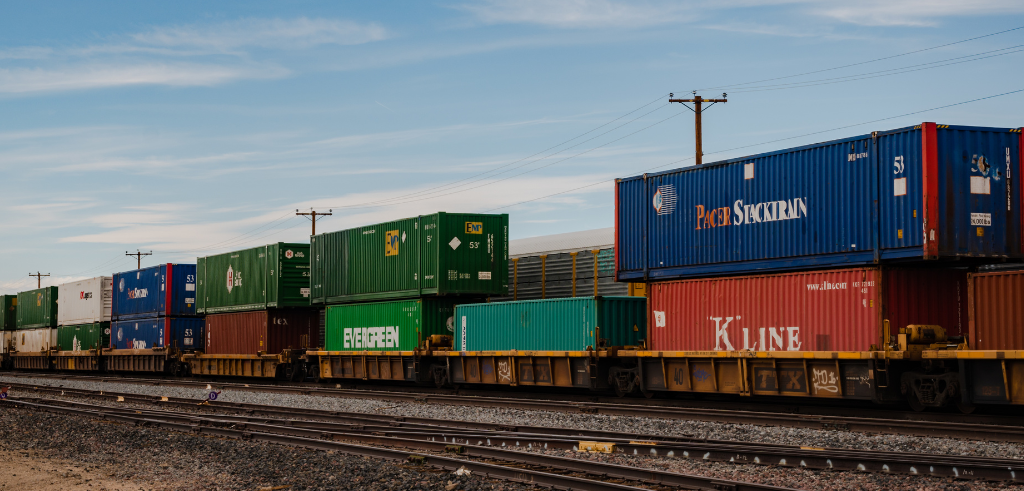
The first freight train from China to UK marked a turning point in global logistics, connecting Asia and Europe faster than sea and cheaper than air. For importers, this rail route offers balanced shipping costs, reliable transit times, and a sustainable alternative to traditional modes.
What Was the Significance of the First Freight Train from China to UK?
The first freight train from China to UK, launched in 2017, symbolized a new era of Belt and Road connectivity. It shortened delivery schedules significantly, enabling businesses to cut supply chain risks and diversify logistics strategies beyond ocean freight.
How Does Rail Freight Compare to Sea and Air Transport?
When comparing shipping costs and delivery times, rail sits between sea and air. While air offers speed, it comes with higher prices. Sea freight is cheaper but much slower. Rail provides a middle ground for importers looking for affordability and reliability.
Why Should Businesses Consider Rail Freight from China to UK?
Businesses should consider rail freight because it reduces supply chain exposure. It is not only cost-efficient but also environmentally friendly, emitting less CO₂ compared to air. Moreover, inland delivery to UK hubs makes rail a practical solution for e-commerce and wholesale traders.
What Are the Key Customs Documents for Rail Freight?
To avoid clearance delays, importers must prepare standard documents. Each shipment must comply with UK and EU trade rules.
Document Type
Purpose
Commercial Invoice
Details shipment value & goods
Packing List
Specifies package contents
Bill of Lading (Rail)
Confirms carrier receipt
Certificate of Origin
Identifies product origin
Import Declaration
Filed with UK customs
How Much Does the First Freight Train from China to UK Save in Transit Time?
Compared to sea freight, the first rail shipments saved around 15–20 days. This efficiency benefits industries such as automotive parts, electronics, and fashion retail that demand rapid market replenishment without paying for expensive air freight.
Can Small Businesses Use Rail Freight Services?
Yes, small businesses can consolidate cargo using LCL (Less than Container Load) services. This makes rail accessible even for importers shipping smaller volumes, ensuring competitive freight rates without needing to book full containers.
Container Type
Typical Cargo Volume
Rail Cost Estimate
FCL (40HQ)
67–76 cubic meters
$6,500 – $7,500
LCL
1–15 cubic meters
$150 – $220 per CBM
What Is the Typical Transit Time by Destination in the UK?
Transit times vary depending on the final inland delivery location. Trains arrive at London, Birmingham, and other hubs before distribution by truck.
Destination
Transit Time (Days)
Notes
London
16–18
Fastest, direct hub
Birmingham
17–19
Major distribution center
Manchester
18–20
Truck transfer required
Glasgow
19–21
Longest route inland
Should Importers Choose Rail Over Air or Sea?
The choice depends on your cargo priorities. If time-sensitive, air is best. For bulk cargo with low urgency, sea remains cheapest. However, rail offers a unique middle ground—ideal for balancing delivery schedules, costs, and sustainability.
Pros and Cons of Shipping by Rail vs Sea vs Air
Factor
Sea Freight
Rail Freight
Air Freight
Speed
Slow
Medium
Fast
Cost
Low
Medium
High
Reliability
Medium
High
High
Capacity
Very High
Medium
Low
Sustainability
Moderate
Good
Poor
Conclusion
The first freight train from China to UK opened a new chapter for global logistics. Offering balanced shipping costs, faster transit times than sea, and greener performance than air, rail freight is an ideal option for many industries. For importers, it provides cost savings, delivery reliability, and flexibility within complex supply chains.
Thinking of using the first freight train from China to UK for your next shipment? Top China Forwarder can help you compare sea, air, and rail solutions, ensuring the best rates and smooth customs clearance. Get in touch today for a tailored shipping plan.