

FCL Shipping for Medical Equipment from China to Denmark Guide
Shipping sensitive healthcare technology requires precision and reliability. Choosing FCL shipping for medical equipment from China to Denmark offers the security and space needed for high-value devices. Partnering with a Top China Forwarder ensures your life-saving equipment arrives safely and on schedule. This comprehensive guide explores the logistics involved in moving medical cargo across continents efficiently.
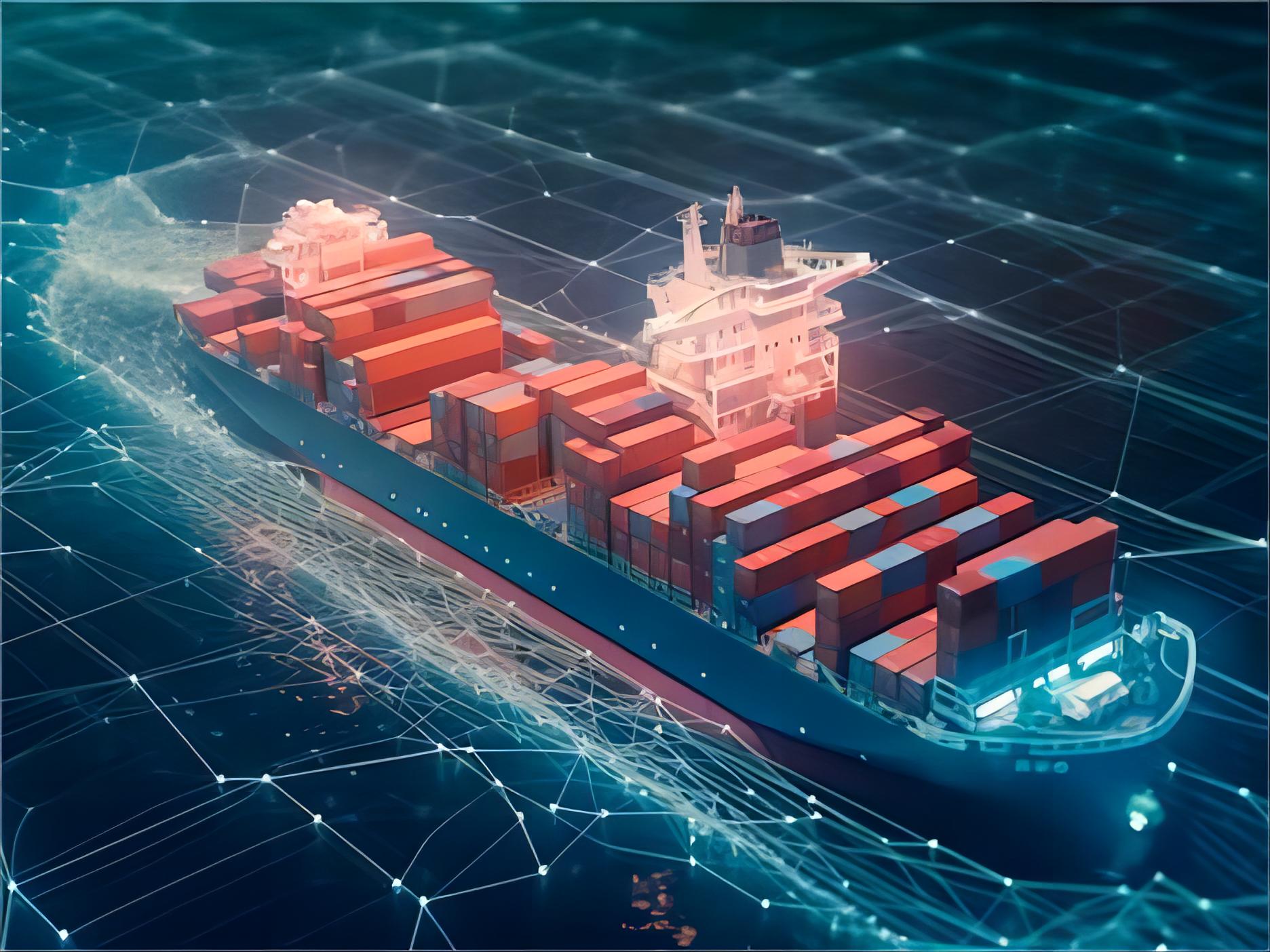
Why Choose FCL Shipping for Medical Equipment from China to Denmark?
Full Container Load (FCL) provides an exclusive environment for sensitive healthcare products. Since your cargo occupies the entire container, the risk of damage from other goods is significantly reduced. This is particularly vital for delicate imaging machines or precision surgical tools.
Moreover, FCL shipping for medical equipment from China to Denmark offers better control over the shipping environment. You can opt for specialized containers, such as refrigerated units, if your equipment is temperature-sensitive. This level of isolation ensures that the integrity of the medical devices is maintained throughout the journey.
Furthermore, FCL shipments generally face fewer handling stages compared to Less than Container Load (LCL) options. Direct loading and unloading at the ports minimize the chances of mechanical shock or contamination. Consequently, medical manufacturers often prefer this method for high-volume or high-value orders.
Additionally, the predictability of FCL schedules helps in maintaining a stable supply chain. When you book a full container, you are not waiting for other shippers to fill the space. This lead time reliability is essential for hospitals and clinics in Denmark awaiting critical equipment.
How Does FCL Compare to Other Shipping Options?
Evaluating different transport methods is crucial for optimizing your logistics budget. While FCL is the standard for large volumes, alternatives like air freight or LCL might be suitable for specific scenarios. Each method has distinct trade-offs regarding speed, cost, and safety.
For instance, air freight is significantly faster but comes at a much higher price point. It is usually reserved for urgent replacements or small, high-value components. In contrast, sea-based FCL remains the most cost-effective solution for bulk medical supplies.
| Shipping Method | Cost Range | Transit Time | Best For |
|---|---|---|---|
| FCL Sea Freight | $2,500 – $4,500 | 30-40 Days | Bulk equipment |
| LCL Sea Freight | $100 – $300/CBM | 35-45 Days | Small batches |
| Air Freight | $5 – $12/kg | 5-8 Days | Urgent needs |
| Rail Freight | $1,500 – $3,000 | 18-25 Days | Mid-range speed |
Key Regulatory Requirements for Medical Devices in Denmark
Importing medical devices into the Danish market requires strict adherence to European Union regulations. All equipment must carry the CE mark to demonstrate compliance with safety and performance standards. Without this certification, your FCL shipping for medical equipment from China to Denmark will face immediate rejection at customs.
Specifically, the Danish Medicines Agency oversees the registration of medical devices. Importers must ensure that all documentation, including the Declaration of Conformity and technical files, is readily available. Professional customs brokerage services can help navigate these complex legal requirements.
Additionally, the labeling must be clear and often requires translation into Danish for end-users. Proper classification of the medical device (Class I, IIa, IIb, or III) determines the level of scrutiny during the inspection. Failure to provide accurate classifications can lead to costly delays and storage fees at the port of Aarhus or Copenhagen.
Estimated Transit Times from China to Danish Ports
Shipping from major Chinese hubs like Shanghai, Ningbo, or Shenzhen to Denmark involves several weeks of ocean travel. Most vessels transit through the Suez Canal before reaching Northern Europe. The average sea transit time ranges from 30 to 40 days depending on the specific port of call.
For example, a direct route from Shenzhen to Copenhagen might take approximately 32 days under optimal conditions. However, seasonal weather patterns or port congestion in transshipment hubs like Singapore can add several days to the schedule. It is always wise to build a buffer into your delivery timeline.
Meanwhile, the total door-to-door time must account for inland transport and customs processing. Once the ship arrives at the Danish port, unloading and clearance typically take 3 to 5 business days. Efficient logistics planning ensures that the final delivery to the healthcare facility is synchronized with the installation team.

Cost Analysis of FCL Shipping for Medical Equipment from China to Denmark
Freight rates for FCL shipping for medical equipment from China to Denmark are influenced by container size and seasonal demand. A 20-foot container (20GP) is often sufficient for smaller diagnostic machines, while 40-foot high cube (40HQ) containers are better for bulky hospital beds or MRI units. Pricing fluctuates based on fuel surcharges and carrier capacity.
As of early 2025, market data suggests that rates have stabilized compared to previous years. However, peak seasons in late Q3 can see price increases of up to 20%. It is important to request a current quote to account for the latest market intelligence and local port fees.
| Container Type | Average Rate | Capacity (CBM) | Typical Cargo |
|---|---|---|---|
| 20GP Container | $1,800 – $2,600 | 33 CBM | Dental chairs |
| 40GP Container | $3,000 – $4,000 | 67 CBM | Hospital furniture |
| 40HQ Container | $3,500 – $4,800 | 76 CBM | Imaging systems |
Which Option Should You Choose? Decision Framework
Selecting the right shipping strategy depends on your budget, timeline, and cargo volume. If your priority is cost-efficiency and you have a large volume of goods, FCL sea freight is the clear winner. It offers the lowest price per unit for large-scale medical supply distributions.
On the other hand, if you are dealing with a critical shortage of medical supplies, air freight is the only viable choice despite the cost. For shipments that fall between these extremes, sea freight remains the backbone of the medical device trade. Consider LCL only if your shipment is less than 15 cubic meters and not highly sensitive to handling.
Industry benchmarks suggest that for high-value medical electronics, the security of a dedicated FCL container outweighs the minor savings of LCL. Always prioritize the safety of the equipment to avoid the massive costs of replacement and clinical downtime.
Steps to Prepare Your Medical Cargo for FCL Shipping
Preparation begins with high-quality packaging designed for long-distance maritime transport. Use moisture-resistant barriers and shock-absorbing materials to protect internal components. Since the container will face various temperatures and humidity levels, desiccant packs are often recommended.
Moreover, ensure that all items are securely palletized and braced within the container. Movement during transit is a leading cause of damage for FCL shipping for medical equipment from China to Denmark. Proper weight distribution within the 20GP or 40HQ container prevents shifting during heavy seas.
Finally, verify that all external markings match the packing list and commercial invoice. Clear labeling helps customs officials identify the cargo quickly, reducing the likelihood of physical inspections. Accurate documentation is the foundation of a smooth import process into Denmark.
Real-World Case Studies of Medical Shipments
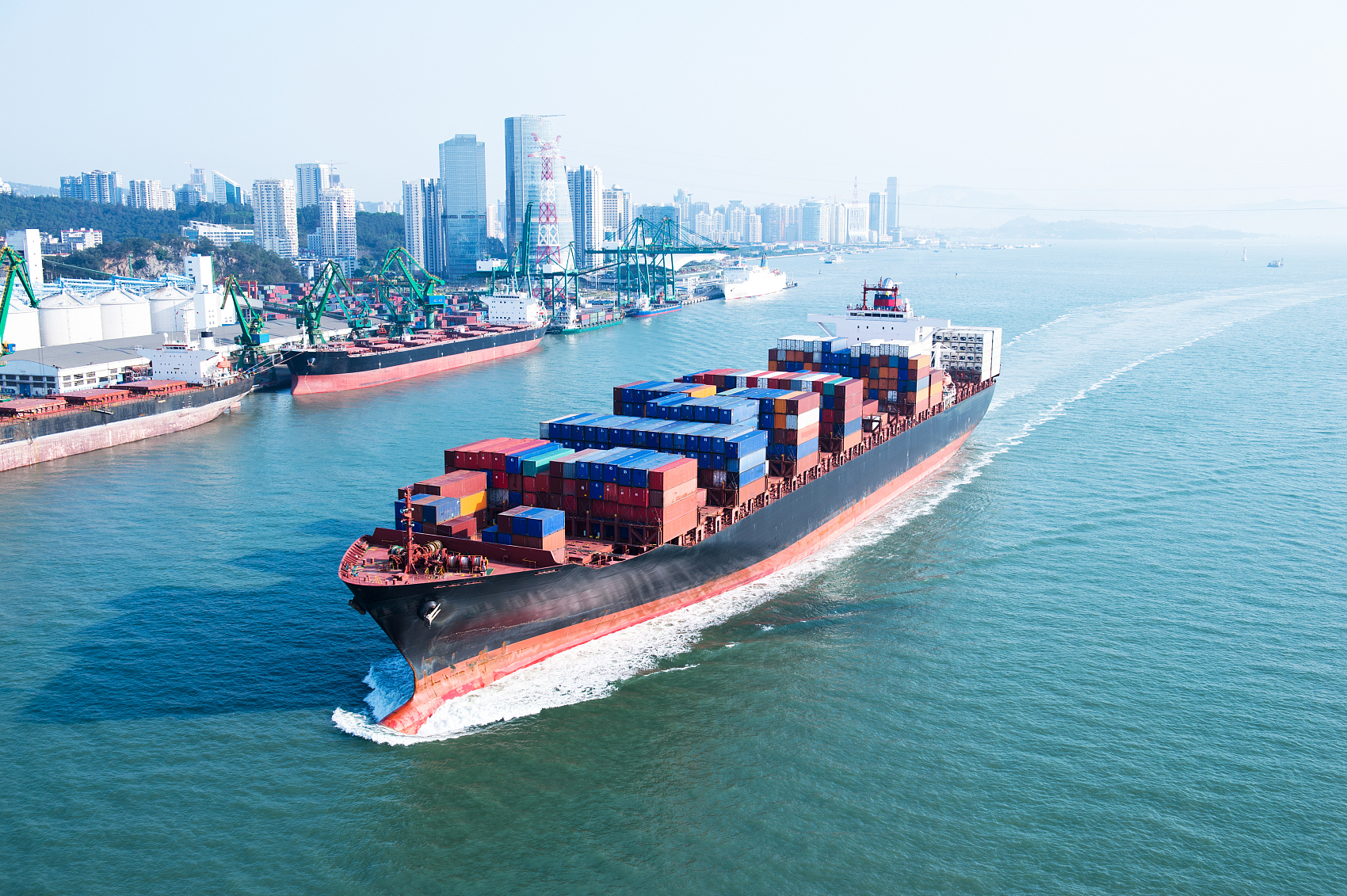
Reviewing actual shipping scenarios provides valuable insights into the logistics process. These examples reflect typical costs and timelines for FCL shipping for medical equipment from China to Denmark. They highlight the importance of planning and professional management.
Note: Freight rates are subject to change based on fuel costs, carrier capacity, and seasonal demand. Contact us for a current quote tailored to your specific shipment.
Case Study 1: MRI Machine Distribution
Route: Shanghai, China to Aarhus, Denmark. Cargo: 2 MRI Units, 65 CBM. Container: 1 x 40HQ. Carrier: Maersk. Port of Loading: Shanghai. Port of Discharge: Aarhus. Route Type: Direct.
Cost Breakdown: Ocean Freight: $4,200. Origin Charges: $450. Destination Charges: $600. Customs and Duties: $1,200. Total Landed Cost: $6,450. Timeline: Booking to Loading: 5 days. Sea Transit: 34 days. Customs Clearance: 3 days. Total Door-to-Door: 42 days.
Key Insight: Using a 40HQ container allowed for extra height required by the MRI frames, ensuring a safe fit without disassembly.
Case Study 2: Dental Clinic Equipment
Route: Ningbo, China to Copenhagen, Denmark. Cargo: 15 Dental Chairs and tools, 28 CBM. Container: 1 x 20GP. Carrier: COSCO. Port of Loading: Ningbo. Port of Discharge: Copenhagen. Route Type: Transshipment via Singapore.
Cost Breakdown: Ocean Freight: $2,100. Origin Charges: $380. Destination Charges: $520. Customs and Duties: $800. Total Landed Cost: $3,800. Timeline: Booking to Loading: 4 days. Sea Transit: 38 days. Customs Clearance: 2 days. Total Door-to-Door: 44 days.
Key Insight: Transshipment was chosen to reduce freight costs by 15 percent, accepting a slightly longer transit time.
Door to Door Solutions for Healthcare Providers
A comprehensive door to door service simplifies the entire logistics chain. This approach covers everything from factory pickup in China to final delivery at the Danish hospital. It removes the burden of coordinating multiple vendors and managing port logistics.
Consequently, healthcare providers can focus on patient care while logistics experts handle the complexities of international trade. This service includes inland trucking, sea freight, and the final mile delivery in Denmark. It is the most efficient way to manage FCL shipping for medical equipment from China to Denmark.
Furthermore, integrated tracking allows you to monitor your shipment in real-time. Knowing exactly when your medical devices will arrive allows for better resource allocation and staff scheduling. Reliable logistics partners provide the peace of mind necessary when handling life-saving technology.
Final Thoughts on Medical Logistics to Denmark
Successfully managing FCL shipping for medical equipment from China to Denmark requires a blend of regulatory knowledge and logistical expertise. By choosing the right container size and ensuring all CE certifications are in order, you can minimize risks and costs. Sea freight remains the most reliable method for transporting large volumes of healthcare technology across the globe.
Indeed, the stability provided by a dedicated container is unmatched for sensitive medical instruments. As you plan your next shipment, remember that documentation accuracy and proper packaging are just as important as the freight rate itself. Partnering with experienced professionals will ensure your medical equipment reaches its destination safely, supporting the vital work of healthcare providers in Denmark.
Ready to streamline your logistics?
Streamline your healthcare supply chain with our expert FCL shipping for medical equipment from China to Denmark. Our team provides end-to-end support to ensure your sensitive cargo arrives on time and in perfect condition. Contact us today for a personalized freight quote and professional logistics advice. Visit https://topchinaforwarder.com to get started.
Request Quote