Customs Broker China Export: The 2026 Guide for Global Businesses
“Navigating the complexities of international trade requires precision, especially when dealing with a customs broker China export. Consequently, businesses often struggle to manage the intricate regulations and documentation required for seamless cargo movement. If you want to streamline your logistics, visiting Top China Forwarder provides the expertise needed to manage global supply chains effectively. Therefore, this guide explores how professional brokerage services can transform your export operations in 2026.”
What is the Role of a Customs Broker China Export?
❖Professional customs brokers act as essential intermediaries between exporters and government authorities to ensure legal compliance. Consequently, they handle the preparation and submission of documents required to clear goods through customs. Furthermore, they calculate and facilitate the payment of taxes, duties, and other government fees associated with the export process.
Moreover, a customs brokerage specialist stays updated on the latest international trade laws and Harmonized System codes. This expertise prevents costly delays and ensures that your cargo meets all safety and security standards. Indeed, their involvement significantly reduces the risk of penalties or seizures by customs officials.
Additionally, these experts provide strategic advice on trade agreements and duty drawback programs. By optimizing your export strategy, they help you capitalize on tax incentives and reduce overall shipping costs. Specifically, in 2026, the integration of digital customs platforms has made their role even more critical for real-time compliance.

Why is Customs Brokerage Essential for International Trade?
❖Understanding the nuances of Chinese export regulations is a significant challenge for many international businesses. Therefore, partnering with a local expert ensures that your supply chain remains resilient against shifting geopolitical landscapes. Historically, documentation errors have been the leading cause of transit delays in major Chinese ports like Shanghai and Ningbo.
Additionally, a broker manages the communication with various government agencies, such as the General Administration of Customs of China. This direct line of communication speeds up the approval process for specialized cargo, including hazardous materials or high-value electronics. Consequently, your delivery schedule remains predictable, which is vital for maintaining customer satisfaction.
Furthermore, they assist in obtaining necessary export licenses that vary depending on the product category. Without these licenses, your cargo handling could be halted indefinitely at the border. Notably, the 2026 logistics trends emphasize the importance of automated filing systems, which professional brokers manage on your behalf.
How Does Sea Freight Compare to Other Shipping Options?
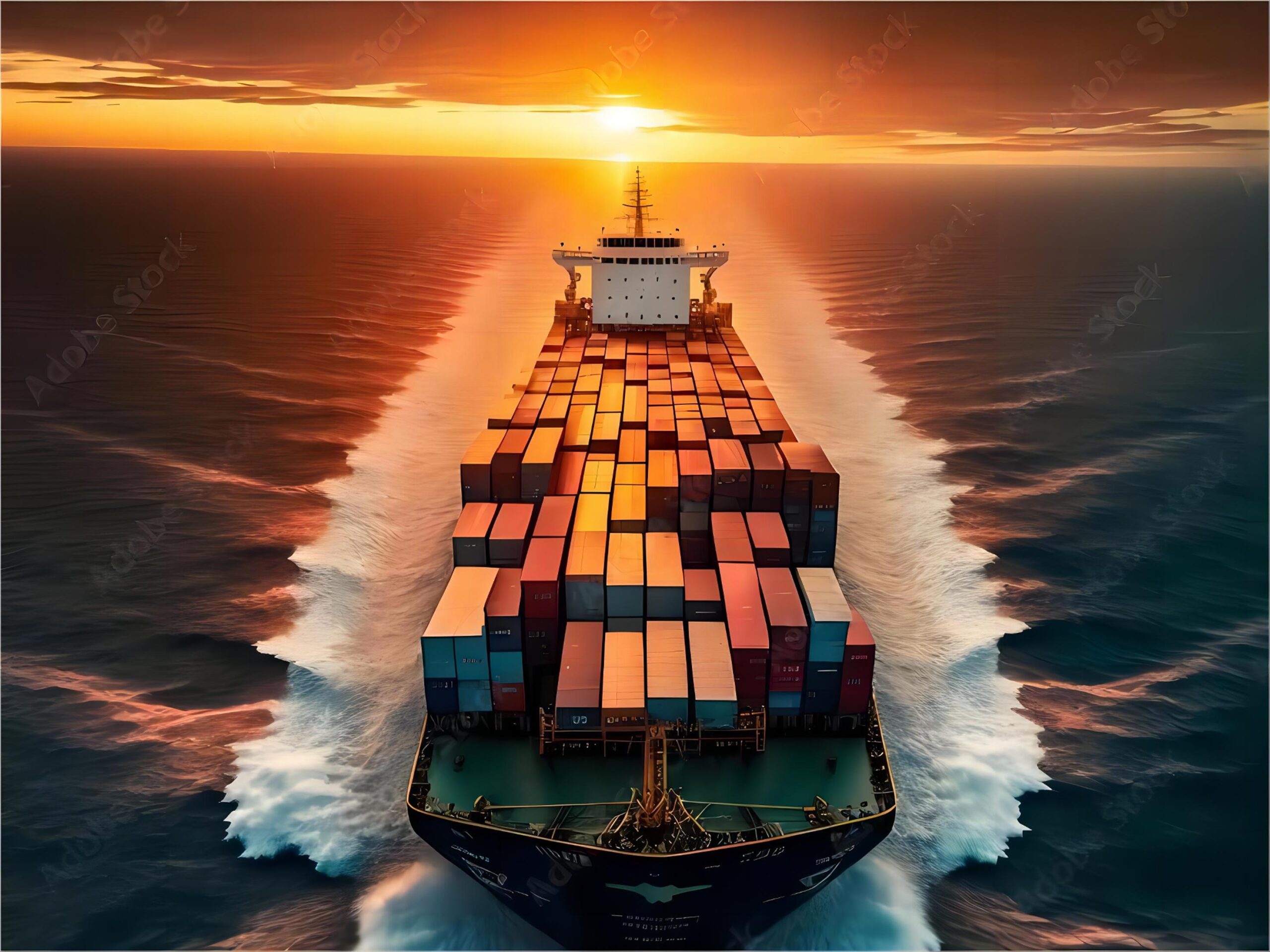
❖Comparing different transportation modes is essential for balancing budget constraints and transit time requirements. Specifically, sea freight remains the most popular choice for large-scale shipments due to its cost-effectiveness. In contrast, air freight offers unparalleled speed for urgent or perishable goods but at a much higher price point.
Nevertheless, rail freight has emerged as a viable middle ground for shipments destined for Europe, offering faster times than sea and lower costs than air. However, businesses must evaluate the specific needs of their cargo before committing to a method. For example, heavy machinery is almost always better suited for ocean transport.
Strategically, many companies now utilize hybrid solutions like sea-air combinations to optimize their logistics. This approach allows for flexibility when traditional routes face congestion or disruptions. By analyzing current market data, you can choose the strategy that best aligns with your 2026 business goals.
| Shipping Method | Cost Range | Transit Time | Best For |
|---|---|---|---|
| Sea Freight | $1,500 – $4,500 | 15 – 40 Days | Bulk and Large Cargo |
| Air Freight | $5.00 – $12.00/kg | 3 – 7 Days | Urgent and High Value |
| Rail Freight | $2,000 – $6,000 | 18 – 25 Days | Mid-sized Europe Cargo |
| Express | $8.00 – $20.00/kg | 2 – 5 Days | Small Parcels |
Essential Documentation for China Export Clearance
❖Documentation serves as the backbone of the customs clearance process, and any discrepancy can lead to severe consequences. Specifically, the Commercial Invoice and Packing List must accurately reflect the quantity, value, and description of the goods. Furthermore, the Bill of Lading acts as a contract of carriage and a document of title for the shipment.
In addition, certain products require a Certificate of Origin to qualify for preferential tariff rates under free trade agreements. Moreover, an export license is mandatory for restricted items, and failure to provide one can result in heavy fines. Consequently, your customs broker China export partner will verify every document before submission to ensure accuracy.
Notably, the transition to electronic data interchange systems in 2026 has streamlined document verification. However, physical copies are still occasionally required for specific inspections or audits. Therefore, maintaining a well-organized digital and physical archive of all trade documents is a best practice for modern exporters.
| Document Type | Description | Required By | Importance |
|---|---|---|---|
| Commercial Invoice | Detailed bill of sale | Customs / Bank | Critical for Valuation |
| Packing List | Inventory of items | Customs / Carrier | Essential for Inspection |
| Bill of Lading | Title to the goods | Carrier / Consignee | Mandatory for Release |
| Export License | Permission to export | GACC | Required for Restricted |
Understanding 2026 Freight Rates and Market Trends
❖Market data suggests that freight rates from China have stabilized in early 2026 following the disruptions of previous years. Specifically, ocean freight for a 40HQ container to the USA West Coast currently ranges between $2,800 and $3,800. In contrast, rates to European ports like Rotterdam are slightly higher, averaging $3,000 to $4,200 due to longer transit distances.
Significantly, seasonal patterns still play a major role in pricing, with rates typically increasing by 15-25% during the peak season from August to October. Furthermore, fuel surcharges and carrier capacity adjustments can cause weekly fluctuations in shipping costs. Therefore, it is advisable to secure bookings at least three weeks in advance to lock in favorable rates.
Note: Freight rates are subject to change based on fuel costs, carrier capacity, and seasonal demand. Contact us for a current quote tailored to your specific shipment. Industry average for this route suggests that proactive planning is the most effective way to manage your logistics budget.
Choosing Between FCL and LCL for Your Cargo
❖Evaluating the volume of your shipment is the first step in deciding between Full Container Load (FCL) and Less than Container Load (LCL). Specifically, FCL is more economical for shipments exceeding 15 cubic meters, as you pay for the entire container space. Moreover, FCL offers better security and faster transit times since the container is not opened until it reaches the destination.
On the other hand, LCL is an excellent option for smaller shipments, allowing multiple exporters to share space in a single container. Although LCL has a lower entry cost, the price per cubic meter is generally higher than FCL. Additionally, LCL shipments may experience longer transit times due to the consolidation and deconsolidation processes at the ports.
Efficiency in your supply chain depends on selecting the method that balances cost and speed. For businesses utilizing door to door services, the choice between FCL and LCL will also impact the final delivery logistics. Ultimately, your broker can provide a cost-benefit analysis to help you make the most informed decision.
Which Option Should You Choose? Decision Framework
❖Selecting the right shipping strategy requires a clear understanding of your business priorities and cargo characteristics. If your primary goal is budget optimization, sea freight LCL or FCL is the most logical choice for non-urgent goods. Conversely, if speed is the priority for high-demand products, air freight provides the necessary agility to meet market needs.
Analyzing volume thresholds is also critical; once your shipment reaches 15-20 CBM, switching from LCL to a 20GP container often results in lower total landed costs. Furthermore, consider the nature of your cargo, as hazardous materials or fragile items may require specialized handling that only certain carriers provide. Specifically, rail freight offers a unique advantage for heavy goods moving to landlocked regions in Central Europe.
Reliability of the carrier and the expertise of your customs broker China export partner should also influence your decision. In 2026, many exporters are choosing direct routes over transshipment to minimize the risk of damage and delays. Ultimately, a balanced approach that utilizes multiple shipping modes can create a more resilient and flexible supply chain.
Real-World Case Studies: Successful Export Operations
❖Analyzing real-world scenarios provides valuable insights into the practical application of logistics strategies. Specifically, these cases highlight how professional brokerage and strategic planning lead to successful international trade outcomes.
Case Study 1: Electronics Export to Germany. Route: Shenzhen to Hamburg. Cargo: Consumer electronics, 15 CBM, 4500 kg. Container: LCL. Shipping Details: Major carrier, Port of Loading: Shenzhen, Port of Discharge: Hamburg, Route Type: Direct. Cost Breakdown: Ocean Freight: $1200, Origin Charges: $300, Destination Charges: $400, Customs: $200, Total Landed Cost: $2100. Timeline: Booking to Loading: 4 days, Sea Transit: 32 days, Customs: 2 days, Total Door-to-Door: 38 days. Key Insight: Consolidating LCL shipments reduced costs by 30% compared to air freight.
Case Study 2: Furniture Export to USA. Route: Ningbo to Los Angeles. Cargo: Home furniture, 65 CBM, 12000 kg. Container: 40HQ. Shipping Details: Carrier: COSCO, Port of Loading: Ningbo, Port of Discharge: Los Angeles, Route Type: Direct. Cost Breakdown: Ocean Freight: $3400, Origin Charges: $450, Destination Charges: $600, Customs: $500, Total Landed Cost: $4950. Timeline: Booking to Loading: 5 days, Sea Transit: 16 days, Customs: 3 days, Total Door-to-Door: 24 days. Key Insight: Early booking during Q1 2026 avoided the 20% price hike seen in peak season.
Summary of Export Success with a Customs Broker China Export
To summarize, navigating the global market requires a deep understanding of customs regulations and logistics trends. By employing a professional customs broker China export, you can mitigate risks and ensure that your cargo reaches its destination without unnecessary delays. Indeed, the right partnership allows you to focus on your core business while experts handle the complexities of international trade.
Without a doubt, the 2026 shipping landscape offers both challenges and opportunities for savvy exporters. Implementing a robust strategy that includes accurate documentation, proper shipping mode selection, and proactive market analysis is the key to long-term success. Ultimately, your commitment to logistics excellence will drive your business growth in the competitive global economy.
Ready to streamline your logistics?
Ensure your international trade operations are efficient and compliant by partnering with an expert customs broker China export today. Contact Top China Forwarder to receive a personalized quote and optimize your 2026 shipping strategy. Visit our website to learn more about our comprehensive logistics solutions and start your journey toward a seamless supply chain.