

Cargo Consolidation Service China: Save 50% on Shipping Costs in 2026
Managing international shipments often involves high costs when dealing with smaller volumes from multiple suppliers. A reliable cargo consolidation service China provides the perfect solution for businesses looking to optimize their supply chain in 2026. This approach allows you to combine multiple smaller shipments into a single container, significantly reducing your overall logistics expenses while maintaining high delivery standards.
What is a Cargo Consolidation Service China?
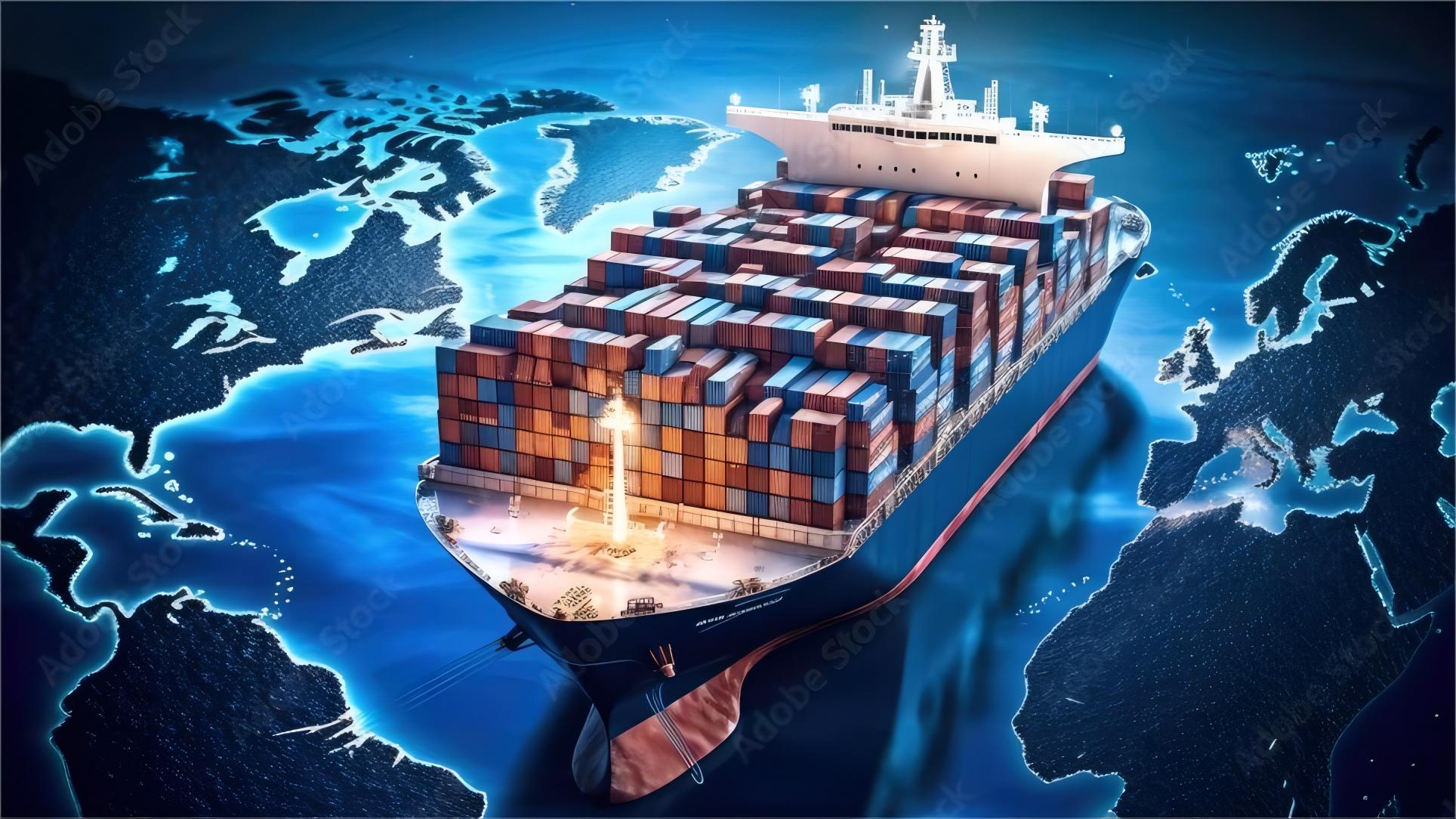
Cargo consolidation is a logistics strategy where several small shipments are grouped together to fill a single shipping container. This method is particularly effective for importers who buy smaller quantities from various Chinese manufacturers. Instead of paying for multiple half-empty containers, you pay only for the space your goods actually occupy.
Furthermore, this service helps bridge the gap between expensive express couriers and full container loads. By utilizing sea freight consolidation, businesses can achieve economies of scale that were previously reserved for large-scale corporations. Consequently, small and medium enterprises can compete more effectively in the global market.
The process typically involves a freight forwarder receiving goods at a centralized warehouse in a major hub like Shenzhen or Shanghai. Once enough volume is gathered, the forwarder loads the goods into a shared container. This strategy ensures that every cubic meter of space is utilized efficiently, lowering the cost per unit for every participant.
How Does Cargo Consolidation Compare to Other Shipping Options?
Understanding the differences between shipping methods is crucial for making informed logistics decisions in 2026. While air freight offers the fastest transit times, it remains the most expensive choice for heavy or bulky items. In contrast, consolidation provides a middle ground that balances cost and speed.
Moreover, full container load (FCL) shipping is ideal for large volumes but becomes inefficient if you cannot fill the space. Consolidation, often referred to as Less than Container Load (LCL), allows you to share the financial burden of the container with other shippers. This results in significant savings for those moving between 1 and 15 cubic meters of cargo.
Market data from early 2026 suggests that consolidation remains the most resilient method against fluctuating fuel prices. Because the costs are distributed across multiple shipments, individual price spikes are less impactful. Therefore, many businesses are shifting their strategy toward consolidated models to ensure budget stability.
| Method | Cost Range | Transit Time | Best For |
|---|---|---|---|
| Consolidation (LCL) | $50 – $150 per CBM | 25 – 40 Days | Small to Medium Volumes |
| Full Container (FCL) | $2,500 – $5,500 per Unit | 20 – 35 Days | Large Bulk Shipments |
| Air Freight | $4.50 – $9.00 per KG | 3 – 7 Days | Urgent High-Value Goods |
| Rail Freight | $120 – $220 per CBM | 15 – 22 Days | Mid-range Speed/Cost |
Top Benefits of Using a Cargo Consolidation Service China
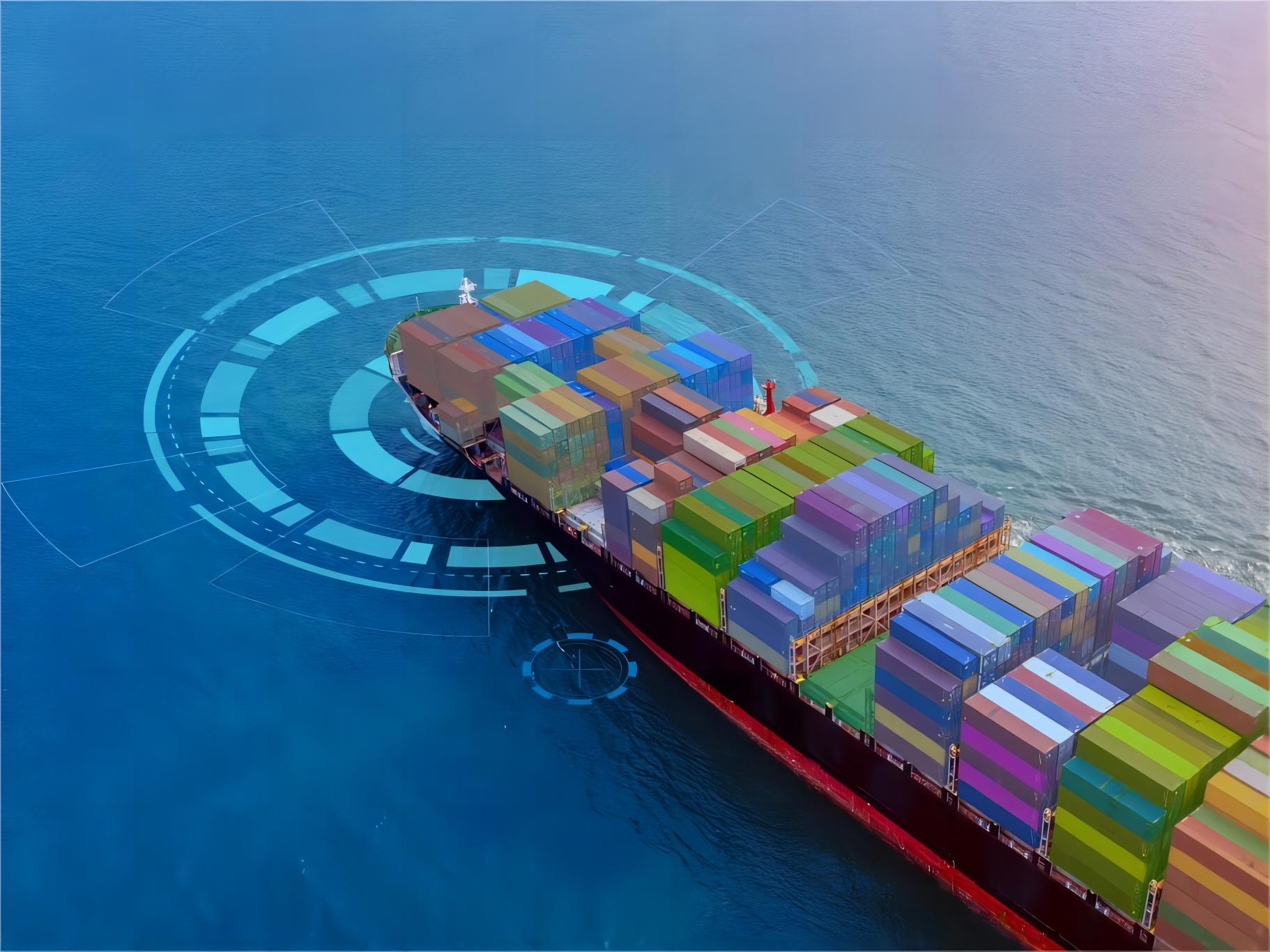
One of the most immediate benefits is the drastic reduction in shipping costs per unit. By sharing a container, you avoid the high minimum charges associated with individual small shipments. Additionally, consolidating goods from multiple suppliers into one shipment simplifies your customs clearance process significantly.
Security is another major advantage that many importers overlook. Professional forwarders use specialized warehouses to handle consolidated goods, ensuring that items are packed and braced correctly for long-haul journeys. This reduces the risk of damage during transit compared to multiple individual handlings.
Meanwhile, rail freight consolidation has become a popular alternative for shipments to Europe. It offers a faster transit time than sea freight while remaining much cheaper than air transport. This flexibility allows businesses to tailor their shipping strategy to specific inventory needs and seasonal demands.
Inventory management also becomes more streamlined through consolidation. Instead of receiving dozens of small packages at different times, you receive one larger shipment. This predictability allows your warehouse team to plan more effectively and reduces the administrative burden on your logistics department.
The Logistics Process: From Supplier to Destination
The journey begins when your various suppliers deliver goods to a designated consolidation warehouse in China. Each shipment is inspected, labeled, and measured to ensure accuracy before being entered into the tracking system. This initial stage is critical for preventing errors during the final delivery phase.
Once the forwarder has enough volume to fill a container, the physical consolidation begins. Skilled loaders arrange the cargo to maximize space while protecting fragile items from heavier boxes. Consequently, the container is sealed and transported to the port of loading for its international voyage.
After the ship or train departs, you receive a single bill of lading that covers all your consolidated items. This document is essential for tracking and serves as proof of shipment for your financial records. Modern tracking technology in 2026 allows you to monitor the container’s progress in real-time across the ocean.
Finally, upon arrival at the destination port, the container is moved to a de-consolidation warehouse. Here, the individual shipments are separated and prepared for the final leg of the journey. The forwarder then coordinates the local delivery to your door or warehouse facility.
Case Studies: Real-World Consolidation Success in 2026
Case Study 1: Electronics Distribution to Los Angeles. Route: Shenzhen, China to Los Angeles, USA. Cargo: Consumer electronics, 8 CBM, 1,200 kg. Container: LCL part of 40HQ. Shipping Details: Carrier: COSCO. Port of Loading: Shenzhen. Port of Discharge: Los Angeles. Cost Breakdown: Ocean Freight: $850. Origin Charges: $200. Destination Charges: $350. Customs: $150. Total Landed Cost: $1,550. Timeline: Sea Transit: 16 days. Total Door-to-Door: 24 days. Key Insight: Consolidating from three different suppliers saved the client 40% compared to three separate LCL bookings.
Case Study 2: Textile Import to Hamburg. Route: Ningbo, China to Hamburg, Germany. Cargo: Organic cotton apparel, 12 CBM, 2,500 kg. Container: LCL part of 40GP. Shipping Details: Carrier: Maersk. Port of Loading: Ningbo. Port of Discharge: Hamburg. Cost Breakdown: Ocean Freight: $1,400. Origin Charges: $250. Destination Charges: $400. Customs: $200. Total Landed Cost: $2,250. Timeline: Sea Transit: 32 days. Total Door-to-Door: 41 days. Key Insight: Using a consolidated service allowed the brand to maintain monthly inventory cycles without the cost of FCL.
Note: Freight rates are subject to change based on fuel costs, carrier capacity, and seasonal demand. Contact us for a current quote tailored to your specific shipment.
Which Option Should You Choose for Your Business?
Choosing the right shipping method depends on several factors, including your budget, urgency, and the nature of your cargo. If your priority is cost-saving and you have a flexible timeline, a cargo consolidation service China is almost always the best choice. However, if you are shipping perishable or high-value items that require extreme speed, air freight might be necessary.
Volume thresholds also play a significant role in your decision. Generally, if your shipment is under 15 cubic meters, consolidation is the most economical path. Once you exceed 15-18 CBM, it often becomes more cost-effective to book a 20-foot full container (FCL) even if it is not completely full.
Consider the complexity of your supply chain as well. If you are sourcing from ten different suppliers across China, a consolidation service provides a single point of contact. This reduces communication errors and ensures that all your goods arrive at the same time rather than in fragmented pieces.
Customs and Documentation for Consolidated Shipments
Navigating customs can be one of the most challenging aspects of international trade. In a consolidated shipment, each individual consignee must have their documentation in perfect order to avoid delays for the entire container. Therefore, working with an expert in customs brokerage is highly recommended.
Required documents typically include a commercial invoice, packing list, and the bill of lading. Additionally, certain products may require specific certificates of origin or safety compliance documents. Ensuring these are prepared in advance prevents costly storage fees at the destination port.
Indeed, 2026 regulations have become stricter regarding environmental standards and digital documentation. Most Chinese ports now require electronic data interchange (EDI) filings before the container is even loaded. A professional forwarder manages these digital requirements on your behalf to ensure a smooth transition through customs.
Alternative Strategies and Cost-Saving Tips
Beyond standard consolidation, businesses can explore hybrid solutions like sea-air services. This involves shipping goods by sea from China to a hub like Dubai or Singapore, followed by air transport to the final destination. This method offers a 50% time saving over sea freight at a fraction of the cost of pure air freight.
Another effective strategy is to utilize door to door services. This comprehensive approach includes consolidation, international transport, customs clearance, and final delivery in one package. It eliminates the need to coordinate with multiple local truckers and warehouse providers at the destination.
To further reduce costs, try to schedule your shipments during off-peak windows. Rates typically increase by 15-25% during the peak season from August to October. By planning your inventory cycles to avoid these periods, you can secure lower rates and more reliable vessel space.
Mastering Your Logistics with Cargo Consolidation
Implementing a cargo consolidation service China is a strategic move for any business looking to thrive in the competitive market of 2026. This method provides the perfect balance of cost efficiency, security, and logistical simplicity for small to medium-sized shipments. By grouping your goods with others, you unlock shipping rates that were previously out of reach.
Ultimately, the success of your consolidation strategy depends on choosing a partner with a robust network and deep expertise in Chinese logistics. Whether you are shipping electronics, textiles, or industrial parts, the right forwarder ensures your goods move seamlessly from the factory floor to your warehouse. Start optimizing your supply chain today to enjoy more predictable costs and faster growth.
Start Your Shipment
Streamline your international logistics today with a professional cargo consolidation service China. Our team at Top China Forwarder is ready to help you reduce costs and improve your delivery schedules with tailored shipping solutions. Contact us now to receive a customized quote and see how much you can save on your next shipment. Send Inquiry: https://topchinaforwarder.com/contact/
Request Quote