

When importing bulk goods like handbags, backpacks, travel bags, and luggage, cost control and safe delivery are key. Using bags sea freight China to USA allows importers to move large quantities at the lowest possible rate while ensuring compliance with customs and import regulations.
With Top China Forwarder, you get affordable rates, reliable vessel schedules, and full customs support — from factory pickup in China to warehouse delivery in the United States.

Why Choose Sea Freight for Bags from China to the USA
Sea freight remains the most economical and scalable method for international shipping. Bags — whether made of fabric, leather, or plastic — are light in weight but take up space, making sea shipping ideal.
Moreover, sea freight offers flexibility for both large and small orders through FCL (Full Container Load) and LCL (Less than Container Load) options. It’s the most practical choice for importers dealing with seasonal orders, e-commerce inventory, or wholesale supply chains.
Shipping Methods for Bags: FCL vs. LCL vs. Express
Different bag businesses have different needs. Choosing the right transport mode helps balance time, cost, and efficiency.
| Shipping Method | Transit Time | Cost Level | Suitable For | Main Advantage |
|---|---|---|---|---|
| FCL (Full Container Load) | 25–35 days | Lowest per unit | Large orders (≥15 CBM) | Cost-effective, private use |
| LCL (Less than Container Load) | 30–40 days | Medium | Small or mixed orders | Flexible and shared container |
| Express Courier | 5–8 days | Highest | Samples or urgent orders | Fast and door-to-door |
| Air Freight | 7–10 days | High | Lightweight, premium bags | Reliable and faster |
Therefore, for most importers, sea freight is the best long-term option — especially for large orders or warehouse replenishment.
How Much Does It Cost to Ship Bags by Sea Freight?
The total cost depends on the shipping method, destination port, and cargo volume.
| Type of Shipment | Average Cost (USD/CBM) | Volume Range | Transit Time |
|---|---|---|---|
| LCL Shipment | 80 – 150 | 1–15 CBM | 30–40 days |
| 20ft FCL Container | 1500 – 2200 | Up to 28 CBM | 28–35 days |
| 40ft FCL Container | 2500 – 3800 | Up to 58 CBM | 28–35 days |
| Door-to-Door DDP | 3000 – 4200 (40HQ) | All-inclusive | 30–40 days |
These prices include ocean freight but exclude local delivery, import duties, and insurance. Working with a reliable forwarder helps optimize both shipping rates and delivery routes.
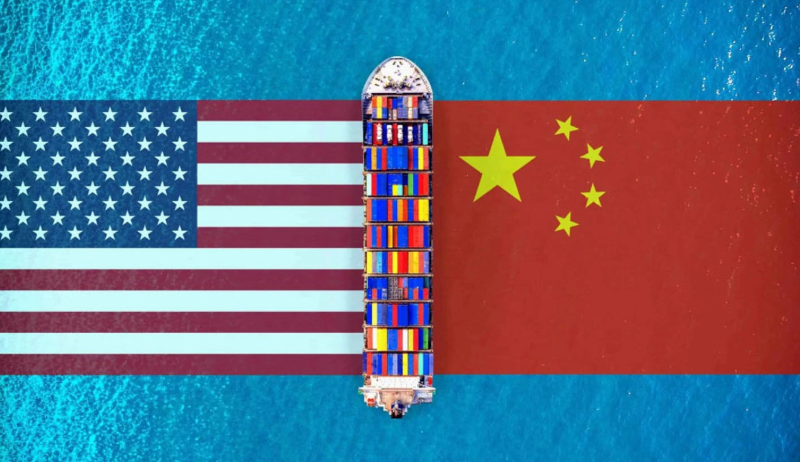
Estimated Transit Time from China to Major U.S. Ports
Shipping duration varies by departure port and destination.
| Route | Average Transit Time | Main U.S. Port |
|---|---|---|
| Shenzhen → Los Angeles | 25–30 days | Los Angeles Port |
| Ningbo → New York | 33–38 days | New York / New Jersey Port |
| Shanghai → Houston | 30–35 days | Houston Port |
| Guangzhou → Seattle | 26–32 days | Seattle / Tacoma Port |
Delays may occur due to weather, port congestion, or customs clearance. To avoid disruption, Top China Forwarder provides real-time shipment tracking and flexible re-routing.
What Documents Are Required for Bag Imports to the USA?
Preparing accurate documentation ensures smooth customs clearance and prevents shipment holds.
| Document | Purpose | Issued By |
|---|---|---|
| Commercial Invoice | Declares item value and details | Exporter |
| Packing List | Lists items and dimensions | Exporter |
| Bill of Lading | Confirms shipment ownership | Carrier / Forwarder |
| Import Declaration (CBP Form 3461) | Entry filing with U.S. Customs | Importer / Broker |
| Certificate of Origin | Verifies goods made in China | Exporter |
| Insurance Certificate | Covers loss or damage | Insurer |
In addition, bags made of leather or animal materials may require special permits from the U.S. Fish and Wildlife Service (FWS).
How to Comply with U.S. Customs and Import Regulations
Importing bags requires compliance with both customs and product safety standards. Key points include:
- HS Code Classification: Most bags fall under HS Code 4202.
- Import Duty: Typically 8–20% depending on material type (e.g., leather, fabric, or plastic).
- Labeling: Must indicate country of origin (e.g., “Made in China”).
- CPSC Compliance: Bags for children must meet U.S. product safety standards.
Top China Forwarder’s Customs Brokerage team handles all documentation, tariff classification, and import declarations to ensure complete compliance.
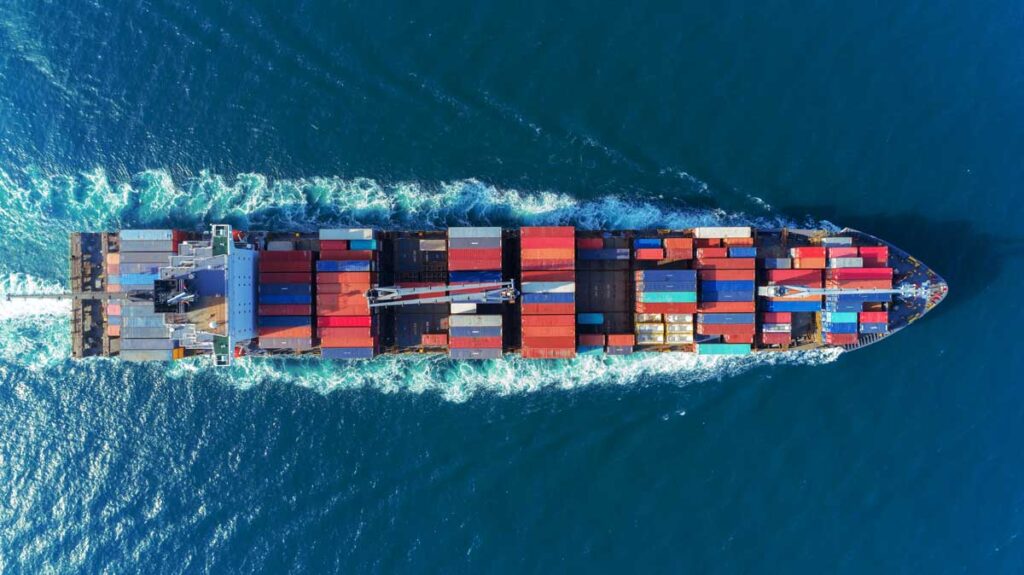
Tips to Reduce Sea Freight Costs When Shipping Bags
Even with international shipping, importers can save money by planning strategically:
- Consolidate shipments from multiple suppliers into one container.
- Book early to avoid peak season surcharges.
- Use LCL for small orders instead of paying for unused FCL space.
- Opt for door-to-door services (DDP) to simplify logistics and reduce unexpected costs.
- Work with professional freight forwarders like Top China Forwarder for negotiated carrier discounts.
Therefore, optimizing shipping and packaging saves both time and cost across your supply chain.
How Are Bags Packed and Loaded for Sea Freight?
Proper packaging is essential to protect bags from moisture, pressure, or shape deformation during the sea voyage.
- Use cartons lined with waterproof plastic for protection.
- Stack boxes evenly to distribute weight.
- Seal all containers tightly to prevent humidity damage.
- Label cartons with item descriptions and HS codes.
- For high-value or branded bags, add insurance and tracking tags.
Top China Forwarder offers inspection and packaging services at major ports like Shenzhen, Ningbo, and Qingdao to ensure cargo safety before loading.
Comparing Sea Freight with Air Freight for Bag Imports
While both methods are common, they differ greatly in speed and pricing.
| Feature | Sea Freight | Air Freight |
|---|---|---|
| Cost | Low (best for large volumes) | High (best for urgent items) |
| Speed | 25–40 days | 5–10 days |
| Cargo Limit | Large and heavy loads | Limited by weight/size |
| Environmental Impact | Lower per unit | Higher CO₂ output |
| Common Use | Bulk shipments | Luxury or seasonal stock |
Hence, sea freight remains the best value option for most bag importers, while air freight is better for small, time-sensitive orders.
Why Work with Top China Forwarder
With years of experience in bags sea freight China to USA, Top China Forwarder helps brands, distributors, and e-commerce sellers manage every logistics stage seamlessly.
We provide:
- Sea Freight and Air Freight solutions tailored to bag products
- Customs Brokerage and U.S. import clearance support
- Cargo insurance and tracking from China to final destination
- Door-to-door delivery (DDP) including duties and taxes
- Warehouse consolidation for multi-supplier orders
Our expertise ensures every shipment is affordable, compliant, and delivered on schedule.
Conclusion
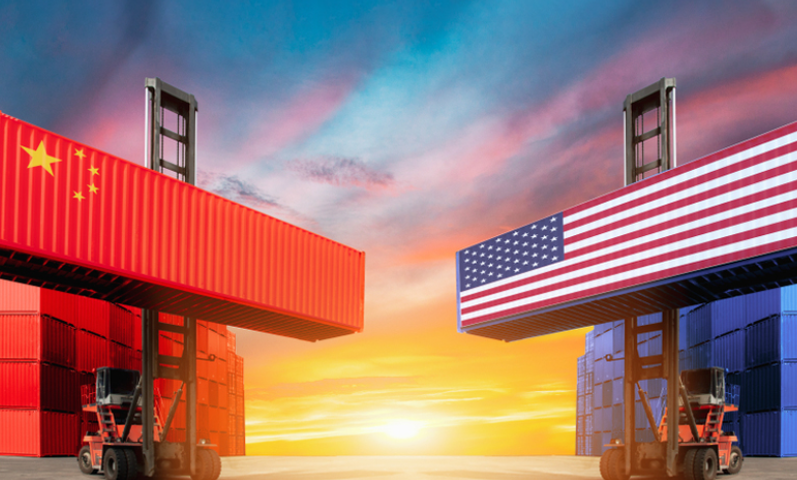
Shipping bags by sea from China to the USA offers importers a cost-effective, scalable, and reliable logistics solution. Whether you deal in handbags, travel bags, or promotional totes, sea freight ensures high-volume transport at competitive prices.
By partnering with Top China Forwarder, you benefit from professional logistics management, customs expertise, and transparent pricing — making your international bag shipping simple, safe, and affordable.
Need a quote?
Ready to get started? Contact us now to request a free shipping quote.
Frequently Asked Questions (FAQ)
What is the cheapest way to ship bags from China to the USA?
Sea freight via FCL or LCL is the most affordable option for bulk orders, while DDP shipping includes all customs and taxes.
How are import duties calculated for bags?
Duties depend on HS code and material — typically 8–20% of the CIF (Cost + Insurance + Freight) value.
Can I ship small bag orders by sea?
Yes. LCL (Less than Container Load) is ideal for smaller or mixed shipments.
What’s the best port to ship to in the USA?
Los Angeles and New York are major entry ports, but Houston and Seattle offer good alternatives with less congestion.
How can I avoid damage during shipping?
Use waterproof packaging, reinforced cartons, and avoid overstacking. Inspection before loading is recommended.