

Amazon FBA Shipping From China: The Ultimate 2026 Logistics Guide
“Navigating the complexities of amazon fba shipping from china requires a strategic approach to ensure your inventory reaches fulfillment centers efficiently. As a leading partner in global logistics, Top China Forwarder provides end-to-end solutions that streamline your supply chain. This guide explores the latest 2026 trends, costs, and methods to help you maximize your Amazon business profitability through smart logistics planning.”
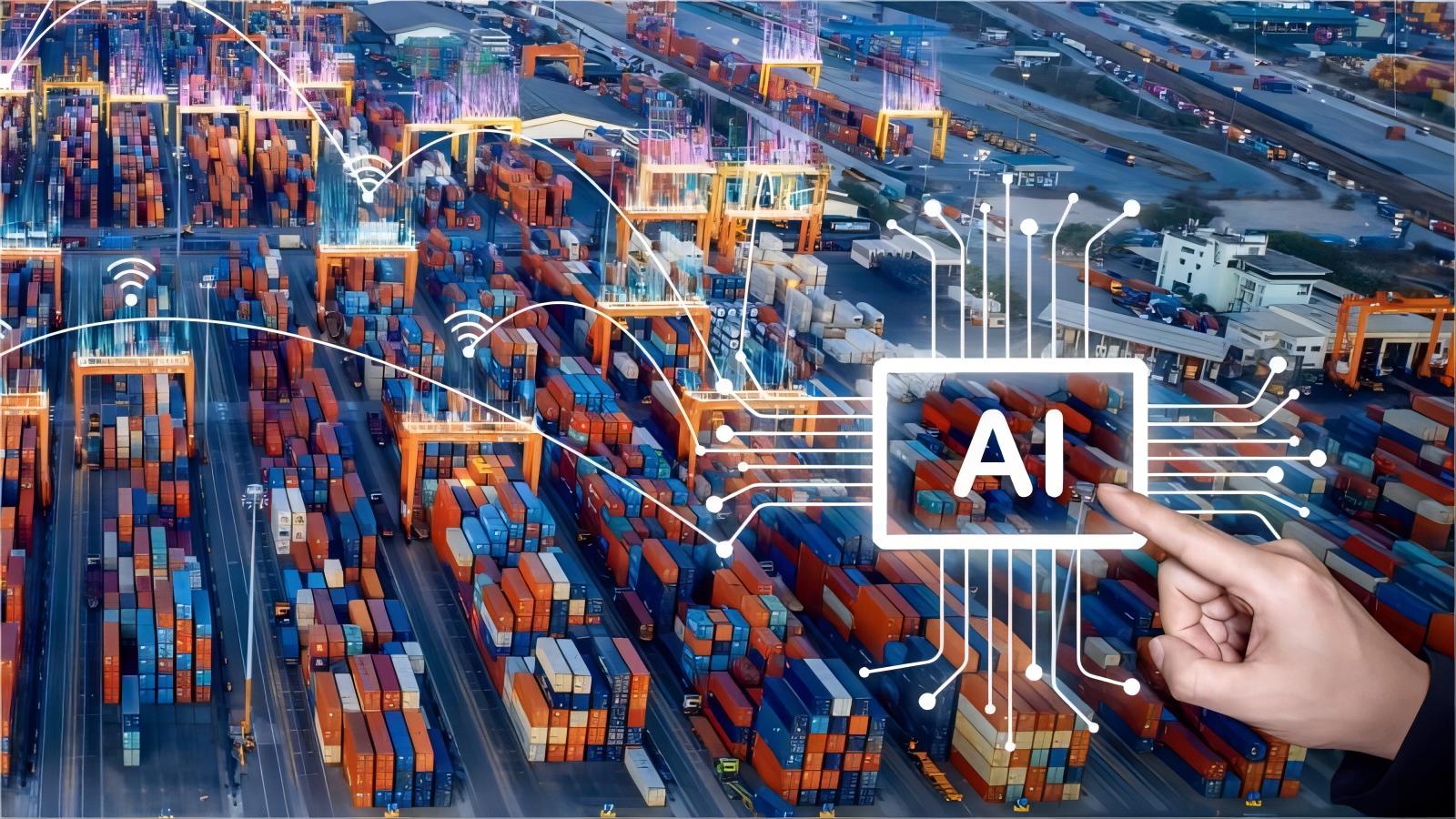
Why Amazon FBA Shipping From China is Critical for Your Business
❖Sourcing products from Chinese manufacturers remains the most cost-effective strategy for global e-commerce sellers in 2026. However, the success of your business depends heavily on how you manage the logistics of moving those goods to Amazon warehouses.
Consequently, understanding the nuances of international freight is essential for maintaining healthy profit margins. Specifically, sellers must account for varying transit times and shifting freight rates that characterize the current market landscape.
Moreover, a well-optimized shipping strategy allows you to avoid stockouts during peak seasons like Prime Day or the Q4 holidays. Therefore, choosing the right logistics partner is just as important as choosing the right product to sell.
The 2026 Market Context for Amazon Sellers
As of early 2026, the global shipping industry has stabilized significantly after the disruptions seen in previous years. Indeed, freight rates from China to major Western markets have returned to predictable patterns, though fuel surcharges remain a variable factor.
Additionally, new environmental regulations in the maritime industry have led to more efficient, albeit slightly slower, steaming routes. Nevertheless, technological advancements in tracking and cargo handling have improved overall transparency for small to medium-sized Amazon sellers.
What Are the Primary Shipping Methods for Amazon FBA?
❖Choosing the right transportation mode is the most significant decision you will make in your supply chain planning. Each method offers a different balance of speed, cost, and reliability that suits different types of inventory.
Furthermore, your choice might change depending on the season or the urgency of your restock requirements. For example, many sellers utilize a hybrid approach, sending a small portion of goods via air and the bulk via sea.
| Method | Transit Time | Cost Level | Best For |
|---|---|---|---|
| Air Freight | 5-9 Days | High | High-value / Urgent |
| Sea Freight | 30-45 Days | Low | Bulk / Heavy Items |
| Rail Freight | 18-25 Days | Medium | European Destinations |
| Express | 3-5 Days | Very High | Small Samples / Emergency |
How Sea Freight and Air Freight Impact Your FBA Strategy
❖Most high-volume sellers rely on sea freight to keep their landed costs as low as possible. This method is particularly effective for large shipments where volume and weight would make other options prohibitively expensive.
In contrast, air freight provides the speed necessary to capitalize on sudden market trends or unexpected sales spikes. Although the per-kilogram cost is higher, the reduced transit time can save your seller ranking by preventing inventory depletion.
Notably, the choice between Full Container Load (FCL) and Less than Container Load (LCL) further refines your sea shipping strategy. FCL is generally faster and more secure, while LCL allows for smaller, more frequent shipments from multiple suppliers.
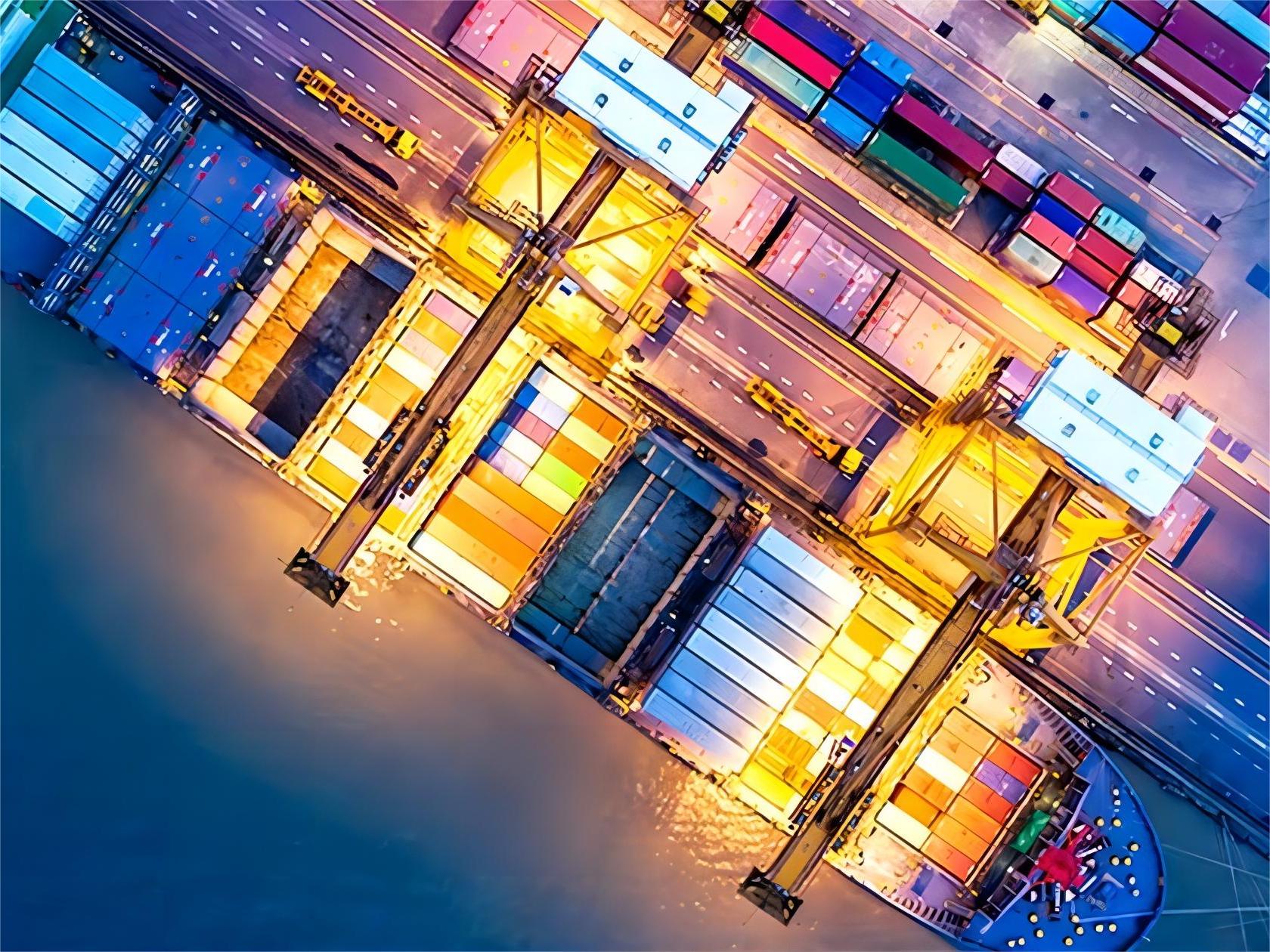
Utilizing Express Services and Rail Freight for Efficiency
❖For those who need the fastest possible delivery, express service offers a courier-style solution that bypasses many traditional freight hurdles. This is often the preferred choice for new product launches where speed to market is the top priority.
Meanwhile, sellers targeting the UK or mainland Europe can take advantage of rail freight as a middle-ground alternative. It is faster than the ocean and significantly cheaper than the air, providing a balanced logistical solution for trans-Eurasian trade.
Consequently, rail options have grown in popularity throughout 2025 and 2026 due to their lower carbon footprint compared to traditional air transport. Sellers should evaluate these options based on their specific destination and budget constraints.
Navigating Customs Brokerage and Compliance Requirements
❖The most common cause of delays in the amazon fba shipping from china process is improper documentation or customs issues. Working with a professional customs brokerage service ensures that all duties are calculated correctly and paperwork is filed on time.
Specifically, you must ensure that your products comply with the safety standards of the destination country to avoid seizure or fines. Documentation such as the Commercial Invoice, Packing List, and Bill of Lading must be meticulously prepared and cross-checked.
Furthermore, understanding the difference between DDP (Delivered Duty Paid) and DAP (Delivered at Place) is vital for managing your financial liabilities. Most Amazon sellers prefer DDP terms because the forwarder handles all taxes and duties before delivery.
| Document | Purpose | Required By | Critical Detail |
|---|---|---|---|
| Commercial Invoice | Value Declaration | Customs | HS Code Accuracy |
| Packing List | Cargo Details | Warehouse | Accurate Weight/Dims |
| Bill of Lading | Title of Goods | Carrier | Consignee Info |
| FBA Labels | Amazon Tracking | FBA Center | Scannable Quality |
The Benefits of Door to Door Logistics for Amazon Sellers
❖Managing multiple entities in a supply chain can be overwhelming, which is why door to door services are highly recommended. This comprehensive approach covers everything from the factory pickup in China to the final delivery at the Amazon fulfillment center.
By consolidating these steps, you reduce the risk of communication breakdowns between different service providers. Additionally, a single point of contact makes it much easier to track your shipment’s progress and resolve any issues that may arise during transit.
Indeed, this streamlined model is particularly beneficial for sellers who do not have their own warehouse facilities. The forwarder acts as your logistics department, allowing you to focus on marketing and product development.
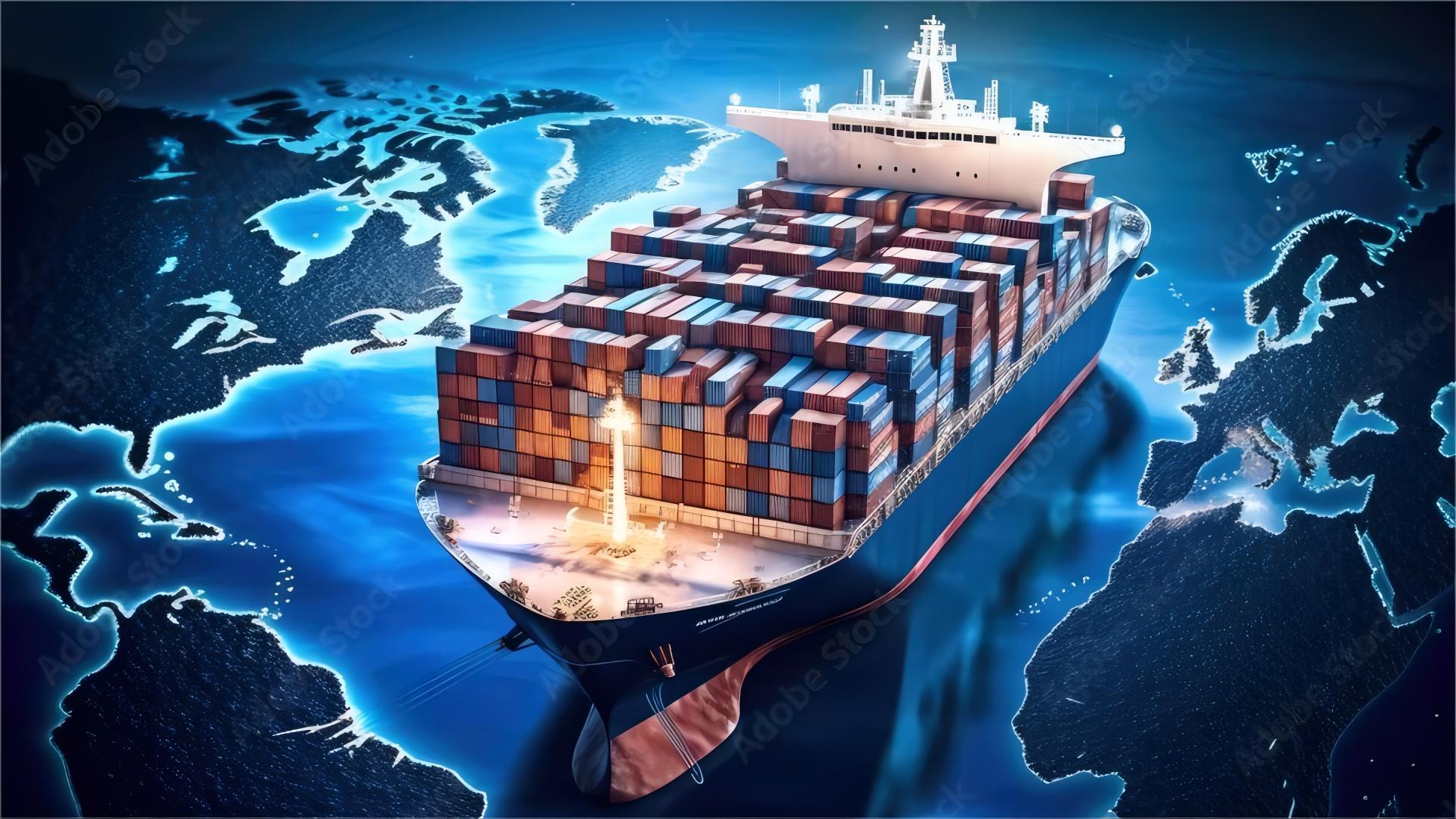
How Does Amazon FBA Shipping From China Compare to Other Options?
❖While shipping directly to FBA centers is common, some sellers consider alternative strategies like using a third-party logistics (3PL) provider as a buffer. This comparison helps determine if the direct-to-FBA route is truly the best fit for your current business scale.
In addition, comparing direct shipping with local warehousing options can reveal hidden costs or potential savings. For instance, storing bulk inventory in a local 3PL warehouse and drip-feeding it to Amazon can sometimes reduce long-term storage fees.
| Shipping Strategy | Cost Range | Transit Time | Best For |
|---|---|---|---|
| Direct to FBA | $2,500 – $4,500 | 14-35 Days | Standard Inventory |
| 3PL Pre-Storage | $2,800 – $5,000 | 20-40 Days | Oversized / Seasonal |
| Direct Express | $5,000 – $8,000 | 3-7 Days | New Launches |
| Drop-shipping | Variable | 7-15 Days | Low Volume Testing |
Decision Framework: Which Option Should You Choose?
❖Determining the best shipping path depends on your specific priorities regarding budget, speed, and cargo type. If your primary goal is to minimize costs, sea freight is the undisputed winner for shipments larger than 2 cubic meters.
However, if you are launching a product with a short shelf life or high seasonal demand, air freight or express services are necessary. You should also consider the volume thresholds; for example, once you exceed 15 CBM, FCL becomes significantly more economical than LCL.
Finally, always factor in the ‘landed cost’ rather than just the shipping rate. This includes duties, taxes, and Amazon’s own receiving fees, which can vary based on the fulfillment center location.
Real Case Studies for Amazon FBA Shipping From China
❖Examining real-world scenarios provides clarity on what to expect during the shipping process. These examples reflect typical 2025 and 2026 market conditions and common challenges faced by sellers.
Case Study 1: Electronics from Shenzhen to California. Route: Shenzhen to Los Angeles. Cargo: 500kg of consumer electronics, 3 CBM. Method: Air Freight. Total Landed Cost: $3,200. Transit Time: 8 days. Key Insight: Choosing air freight allowed the seller to restock before a major holiday sale, preserving their top-tier organic ranking.
Case Study 2: Home Decor from Ningbo to UK. Route: Ningbo to Felixstowe. Cargo: 20GP container of wooden furniture. Method: Sea Freight. Total Landed Cost: $4,100. Transit Time: 34 days. Key Insight: Utilizing a full container reduced the per-unit shipping cost by 30% compared to previous LCL shipments.
Case Study 3: Kitchenware from Guangzhou to New York. Route: Guangzhou to NY (East Coast). Cargo: 12 CBM of stainless steel sets. Method: Sea Freight (LCL). Total Landed Cost: $2,800. Transit Time: 38 days. Key Insight: Despite port congestion in early 2026, the use of a premium ‘fast sea’ service saved 10 days compared to standard routes.
Final Thoughts on Amazon FBA Shipping From China
Mastering amazon fba shipping from china is a continuous process of balancing speed, cost, and reliability. By staying informed about 2026 market trends and utilizing professional freight services, you can build a resilient supply chain that supports long-term growth.
Furthermore, the integration of technology and professional customs brokerage will further reduce the risks associated with international trade. Whether you choose sea, air, or rail, the key is to plan ahead and maintain flexibility in your logistics strategy.

Ready to streamline your logistics?
Optimizing your amazon fba shipping from china is the fastest way to improve your bottom line in 2026. Contact our expert team today to receive a customized quote and streamline your global supply chain. Visit our website to start your inquiry. Send Inquiry: Visit topchinaforwarder.com
Request Quote