

FCL Shipping for Medical Equipment from China to Los Angeles Guide
Navigating the complexities of FCL shipping for medical equipment from China to Los Angeles requires precision and deep industry knowledge. Importers often face significant hurdles regarding regulatory compliance, specialized handling, and unpredictable freight market fluctuations. This comprehensive guide provides actionable solutions to streamline your healthcare logistics through Top China Forwarder services.
Understanding FCL Shipping for Medical Equipment from China to Los Angeles
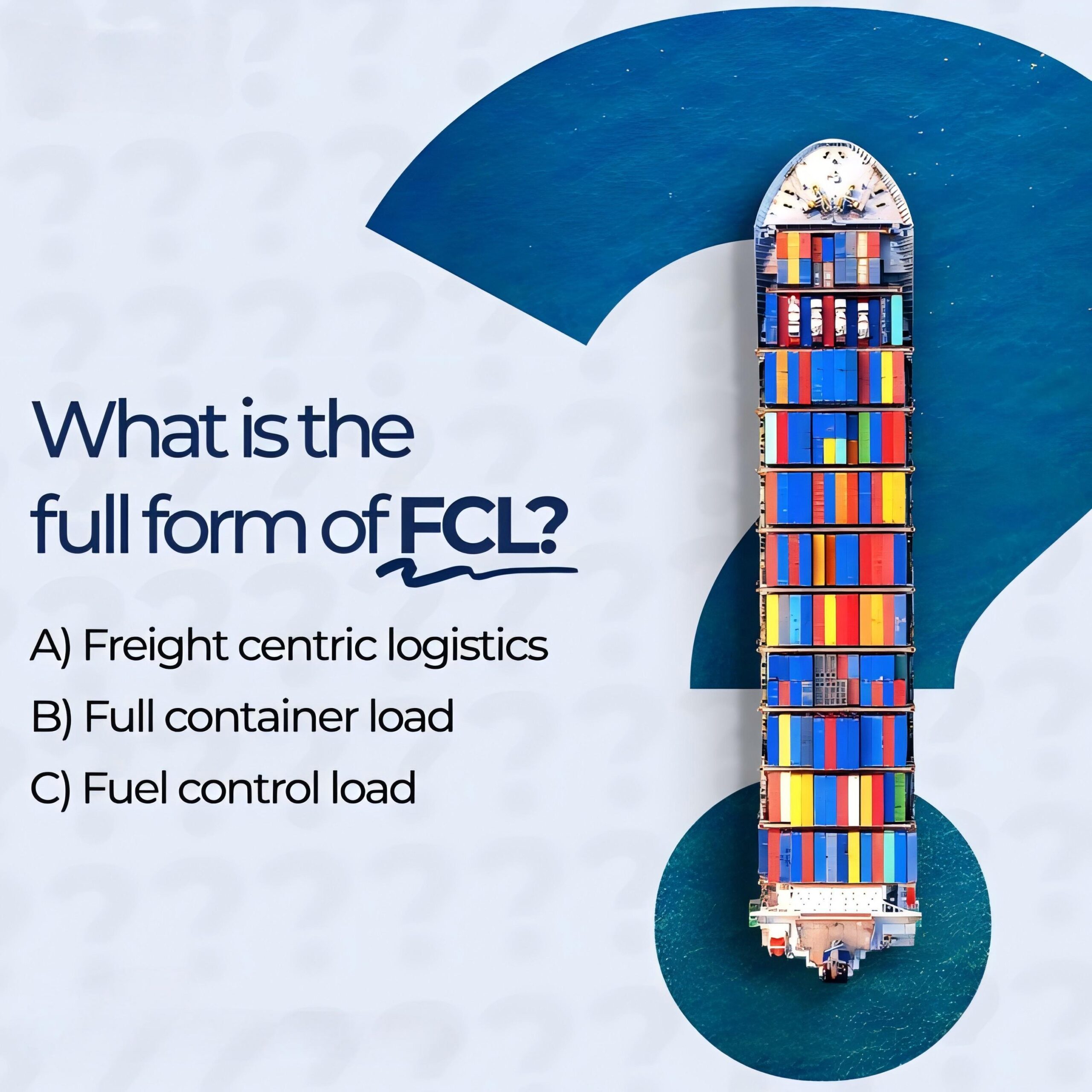
Full Container Load (FCL) remains the preferred method for transporting sensitive medical devices because it offers superior security and exclusive use of space. Consequently, your cargo avoids the risks associated with co-loading, such as contamination or physical damage from other goods.
Furthermore, choosing FCL shipping for medical equipment from China to Los Angeles allows for more predictable scheduling compared to consolidated shipments. This stability is vital for maintaining a consistent healthcare supply chain and meeting hospital delivery deadlines.
However, shippers must meticulously plan the loading process to ensure that heavy diagnostic machinery or fragile laboratory instruments remain stable during the Pacific crossing. Additionally, utilizing the right container type, such as a high cube or refrigerated unit, can make a significant difference in product integrity.
How Does FCL Shipping Compare to Other Shipping Options?
Evaluating different logistics methods is essential for optimizing your medical equipment import budget and timeline. While sea freight is the most cost-effective for high-volume orders, it lacks the extreme speed of air transport.
Specifically, air freight might take only five days, but the costs can be five to ten times higher than ocean freight. Therefore, FCL serves as the middle ground, offering a balance of high capacity and manageable costs for large medical device distributors.
Moreover, Less than Container Load (LCL) might seem cheaper for small quantities, but it increases the handling frequency, which elevates the risk of damage to delicate medical sensors. Indeed, direct FCL routes to the Port of Los Angeles minimize these touchpoints significantly.
| Shipping Method | Cost Range | Transit Time | Best For | Limitations |
|---|---|---|---|---|
| Sea FCL | $2,500 – $3,800 | 14-18 Days | Bulk Equipment | Longer lead time |
| Sea LCL | $50 – $120/CBM | 18-25 Days | Small Batches | Higher damage risk |
| Air Freight | $5.00 – $9.00/kg | 3-7 Days | Urgent Spare Parts | Very expensive |
| Sea-Air Hybrid | Moderate | 10-14 Days | Mid-range urgency | Complex tracking |
Key Regulations and FDA Compliance for Medical Imports
Importing medical devices into the United States requires strict adherence to Food and Drug Administration (FDA) regulations. Specifically, every shipment must include accurate manufacturer registration and product listing numbers to avoid lengthy port delays.
Consequently, working with a professional customs brokerage partner ensures that your documentation meets all federal requirements before the ship reaches California. They will verify that your ISF filing and customs bonds are in perfect order.
Meanwhile, failure to comply with labeling requirements or medical device reporting standards can lead to cargo seizures or expensive fines. Notably, the Port of Los Angeles is one of the most scrutinized entry points in North America for healthcare products.
Current Cost Factors for FCL Shipping for Medical Equipment from China to Los Angeles
Freight rates for the trans-Pacific route fluctuate based on fuel surcharges, seasonal demand, and port congestion levels. During the peak season from August to October, prices typically rise as retailers rush to stock up for the end of the year.
Ultimately, the size of the container you choose, whether a 20GP, 40GP, or 40HQ, will be the primary driver of your base ocean freight cost. Resultantly, optimizing your packing configuration to fit a single 40HQ container often yields the best value per cubic meter.
Note: Freight rates are subject to change based on fuel costs, carrier capacity, and seasonal demand. Contact us for a current quote tailored to your specific shipment.
| Container Type | Ocean Freight | Origin Charges | Total Est. Cost |
|---|---|---|---|
| 20GP Container | $1,500 – $2,200 | $300 – $500 | $1,800 – $2,700 |
| 40GP Container | $2,500 – $3,500 | $400 – $600 | $2,900 – $4,100 |
| 40HQ Container | $2,800 – $3,800 | $450 – $650 | $3,250 – $4,450 |
Transit Times and Route Efficiency to Los Angeles
Direct shipping routes from major Chinese ports like Shanghai or Shenzhen to Los Angeles usually take between 14 and 18 days. Correspondingly, choosing a carrier with a direct service rather than one involving transshipment can save you nearly a week of transit time.
Simultaneously, you must account for the time required for container loading at the factory and the final door to door delivery once the vessel arrives. Efficient drayage services in Los Angeles are critical for moving the container from the terminal to your warehouse quickly.
Conversely, port congestion or labor disputes can occasionally extend these timelines by several days or even weeks. Therefore, maintaining a buffer in your inventory planning is a wise strategy for critical medical supplies.
| Origin Port | Destination Port | Direct Transit | Total Lead Time |
|---|---|---|---|
| Shanghai | Los Angeles | 14-16 Days | 22-25 Days |
| Shenzhen | Los Angeles | 15-18 Days | 23-27 Days |
| Ningbo | Los Angeles | 15-17 Days | 23-26 Days |
| Qingdao | Los Angeles | 18-21 Days | 26-30 Days |
Case Study 1: Shipping High-Value MRI Components
A major California imaging center needed to transport MRI components from Shenzhen to Los Angeles with zero vibration damage. They opted for a 40HQ FCL shipment to ensure exclusive control over the container environment and loading patterns.
Specifically, the route utilized a direct Maersk service from Shenzhen Port to the APM Terminal in Los Angeles. The total ocean freight cost was $3,450, with an additional $1,200 for specialized crating and moisture protection.
Ultimately, the cargo arrived in 16 days, and the customs clearance process took only 48 hours due to pre-filed FDA documentation. This success demonstrated the importance of choosing high-quality air freight alternatives like FCL for heavy but sensitive equipment.
Case Study 2: Bulk PPE Distribution During Peak Season
During the Q4 peak season, a medical supply distributor moved three 40HQ containers of surgical masks and gowns from Ningbo to Los Angeles. Despite the market rate surge, they locked in a contract rate of $3,100 per container through their forwarder.
Interestingly, the shipment faced a three-day delay at the Port of Ningbo due to terminal congestion. However, the use of a pier-pass program in Los Angeles allowed for rapid container pickup upon arrival, keeping the project on schedule.
Resultantly, the total landed cost per unit remained within budget, allowing the distributor to fulfill their hospital contracts without price increases. This case highlights how proactive planning can mitigate seasonal logistics risks.
Which Option Should You Choose for Your Medical Cargo?
Budget priority dictates that you should almost always choose sea FCL for shipments exceeding 15 cubic meters. Alternatively, if you are shipping a single pallet of urgent replacement parts, air freight is the only logical choice despite the cost.
Speed priority requires selecting carriers with the fastest ‘string’ or route to the West Coast, such as Matson’s expedited service. This premium sea service can rival air freight timelines when you consider the time saved during ground handling.
Cargo type considerations are equally important, as temperature-sensitive reagents or vaccines must travel in active reefer containers. Particularly for medical equipment, the physical dimensions of the machinery often make FCL the only viable option due to the size of the crates.
Packaging and Safety Protocols for Medical Devices
Proper packaging is the first line of defense against the rigors of international ocean transit. Utilizing medical-grade pallets and shock-absorbent materials prevents internal component shifts during heavy sea swells.
Primarily, shippers should use desiccants to manage humidity levels inside the container, especially for electronic diagnostic tools. Secondly, clear labeling in both English and Chinese helps prevent handling errors at both the origin and destination ports.
Finally, obtaining comprehensive cargo insurance is a non-negotiable step for high-value medical shipments. While FCL is secure, insurance provides peace of mind against rare but possible maritime accidents or port-side theft.
Final Thoughts on Medical Logistics to Los Angeles
Successfully managing FCL shipping for medical equipment from China to Los Angeles requires a blend of regulatory expertise and strategic carrier selection. By prioritizing FCL for its security and cost-efficiency, you can ensure your healthcare products reach their destination in optimal condition.
Always remember to stay updated on the latest FDA requirements and market freight trends to maintain a competitive edge. Partnering with an experienced forwarder will help you navigate these challenges and keep your medical equipment moving smoothly across the Pacific.
Ready to streamline your logistics?
Streamline your healthcare supply chain today by requesting a custom quote for FCL shipping for medical equipment from China to Los Angeles. Our expert team at Top China Forwarder is ready to handle your complex logistics requirements with precision. Visit our website to start your inquiry: https://topchinaforwarder.com
Request Quote