

China FCL CIF shipping to Texas: A Complete Guide for 2025
Navigating China FCL CIF shipping to Texas involves understanding complex logistics and international trade regulations. However, choosing the right Top China Forwarder simplifies the entire process significantly. This guide provides actionable insights for businesses looking to optimize their Texas-bound supply chains through efficient ocean freight strategies. Consequently, you can reduce overhead while ensuring your cargo arrives safely at its destination.

What is China FCL CIF shipping to Texas?
Full Container Load (FCL) refers to a shipping mode where one importer occupies an entire container. This method is ideal for large volumes of goods because it offers better security and faster handling. When you choose China FCL CIF shipping to Texas, you are selecting a specific Incoterm that defines responsibilities.
Cost, Insurance, and Freight (CIF) means the seller handles the costs and freight to bring the goods to the port of destination. Furthermore, the seller must provide marine insurance against the buyer’s risk of loss or damage. In this scenario, the destination port is usually Houston or another major Texas gateway.
Texas serves as a massive logistics hub for the Southern United States. Therefore, understanding how to manage FCL shipments under CIF terms is vital for maintaining a healthy supply chain. Moreover, this arrangement allows buyers to focus on local distribution while the seller manages the international leg.
How Does China FCL CIF shipping to Texas Compare to Other Shipping Options?
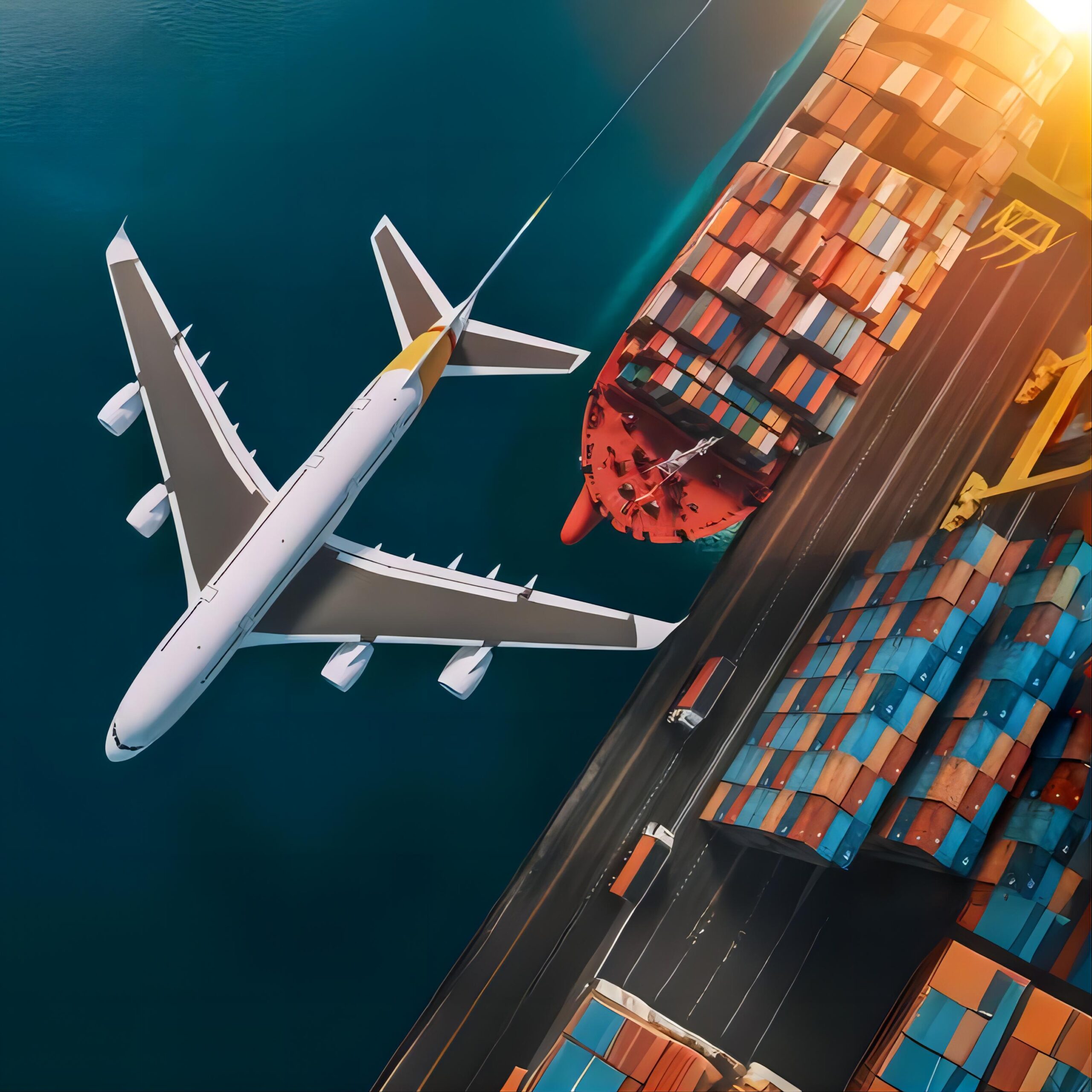
Evaluating different transport modes is essential for choosing the most cost-effective solution. While sea freight is the standard for Texas imports, other options exist depending on your urgency. For example, some businesses might consider air or rail alternatives.
Air freight offers the fastest transit but comes with significantly higher costs. In contrast, sea freight remains the most economical choice for bulk commodities and heavy machinery. Additionally, FCL is often more efficient than Less than Container Load (LCL) for shipments exceeding 15 cubic meters.
The following table provides a clear comparison of the primary shipping methods available for this route. Use this data to determine which strategy aligns best with your current budget and delivery schedule.
| Shipping Method | Cost Range | Transit Time | Best For |
|---|---|---|---|
| FCL Sea Freight | $3,500 – $5,500 | 30-45 Days | Bulk goods and large volume |
| LCL Sea Freight | $150 – $300/CBM | 35-50 Days | Small shipments under 15CBM |
| Air Freight | $5 – $12/kg | 5-10 Days | Urgent or high-value items |
| Express Service | $8 – $15/kg | 3-6 Days | Samples and documents |
Which Option Should You Choose?
Selecting the right method depends on your specific business priorities. If budget is your main concern, China FCL CIF shipping to Texas via sea is generally the winner. However, you must account for the longer transit times associated with ocean travel.
Speed priority dictates a shift toward air freight or express courier options. These methods bypass the long ocean voyage but will eat into your profit margins quickly. Therefore, air is usually reserved for seasonal peaks or emergency stock replacements.
Volume thresholds also play a critical role in your decision. For instance, once your shipment reaches 15-20 CBM, the cost of FCL often becomes lower than LCL. Additionally, FCL minimizes the risk of damage since the container is not opened until it reaches your warehouse.
Understanding the CIF Incoterm for Texas Shipments
Under CIF terms, the seller is responsible for all costs until the goods reach the port of discharge. This includes export clearance, ocean freight, and insurance. Nevertheless, the risk transfers from the seller to the buyer once the goods are loaded onto the vessel in China.
Texas importers must be aware that they are responsible for all costs after the ship arrives. These costs include customs brokerage fees, import duties, and local trucking. Consequently, failing to budget for these destination charges can lead to unexpected financial strain.
Moreover, the insurance provided under CIF is typically the minimum coverage. If your cargo is highly valuable, you might consider purchasing additional insurance. Indeed, protecting your investment is a key part of successful international trade.
Key Ports and Transit Times for Texas Cargo
Most China FCL CIF shipping to Texas cargo arrives through the Port of Houston. As the largest port on the Gulf Coast, Houston handles the majority of containerized traffic for the region. Furthermore, other entry points like Freeport or Galveston may be used for specific cargo types.
Transit times vary based on the port of origin in China and the specific shipping lane. For example, ships departing from Shenzhen usually arrive faster than those from Northern ports like Tianjin. Meanwhile, weather conditions and port congestion can influence the final delivery schedule.
Below is a breakdown of typical transit times from major Chinese hubs to Texas ports. These estimates are based on current market averages for early 2025.
| Origin Port | Destination Port | Avg. Transit Time | Service Type |
|---|---|---|---|
| Shanghai | Houston | 32-38 Days | Direct/Transshipment |
| Shenzhen | Houston | 30-35 Days | Direct |
| Ningbo | Houston | 33-40 Days | Transshipment |
| Qingdao | Houston | 35-42 Days | Transshipment |
Cost Breakdown for China FCL CIF shipping to Texas
The total landed cost of your shipment involves several layers of pricing. While the CIF price covers the main transport, you must factor in the US-side expenses. For instance, the ocean freight for a 40HQ container typically ranges between $4,500 and $6,000 depending on the season.
Origin charges in China include terminal handling, documentation fees, and export customs clearance. These are usually bundled into your CIF quote. However, you should always verify what is included to avoid hidden fees later.
Destination charges in Texas can include port fees, ISF filing, and door to door delivery if requested. Additionally, customs duties are calculated based on the HS code of your products. Therefore, accurate classification is essential for precise budgeting.
Note: Freight rates are subject to change based on fuel costs, carrier capacity, and seasonal demand. Contact us for a current quote tailored to your specific shipment.

Essential Customs Documents for Texas Imports
Proper documentation is the backbone of smooth China FCL CIF shipping to Texas. Without the correct paperwork, your cargo could face lengthy delays or expensive fines at the border. Consequently, working with an experienced broker is highly recommended.
The primary documents required include the Bill of Lading, Commercial Invoice, and Packing List. Additionally, you must file the Importer Security Filing (ISF) at least 24 hours before the vessel departs China. Failure to do so results in automatic penalties from US Customs and Border Protection.
Furthermore, specific products may require additional certificates, such as an FDA release or an EPA form. Always check the requirements for your specific goods before the ship leaves the loading port. Indeed, being proactive prevents most common customs hurdles.
| Document Name | Purpose | Required By | Timing |
|---|---|---|---|
| Bill of Lading | Title to goods | Carrier/Customs | At Departure |
| Commercial Invoice | Value declaration | Customs | At Filing |
| ISF (10+2) | Security screening | CBP | 24hrs Pre-load |
| Packing List | Cargo details | Warehouse/Customs | At Filing |
Case Study 1: Electronics from Shenzhen to Houston
Route: Shenzhen, China to Houston, Texas. Cargo: Consumer Electronics, 65 CBM, 12,000 kg. Container: 40HQ. Shipping Details: Direct service via major carrier. Port of Loading: Shenzhen. Port of Discharge: Houston.
Cost Breakdown: Ocean Freight: $4,800. Origin Charges: $450. Destination Charges: $1,200. Customs and Duties: $3,500. Total Landed Cost: $9,950.
Timeline: Booking to Loading: 4 days. Sea Transit: 32 days. Customs Clearance: 3 days. Total Door-to-Door: 45 days. Key Insight: Using a direct route from Shenzhen saved 5 days compared to transshipment via Busan, ensuring the client met their Q4 retail launch.
Case Study 2: Industrial Machinery from Ningbo to Dallas
Route: Ningbo, China to Dallas, Texas (via Houston). Cargo: CNC Machinery, 28 CBM, 8,500 kg. Container: 20GP. Shipping Details: Transshipment via Panama Canal. Port of Loading: Ningbo. Port of Discharge: Houston.
Cost Breakdown: Ocean Freight: $3,200. Origin Charges: $400. Destination Charges: $1,500 (including rail to Dallas). Customs and Duties: $2,100. Total Landed Cost: $7,200.
Timeline: Booking to Loading: 6 days. Sea Transit: 38 days. Customs Clearance: 4 days. Total Door-to-Door: 52 days. Key Insight: Choosing North America intermodal rail from Houston to Dallas was 30% cheaper than direct trucking for this heavy machinery.

Alternative Strategies for Cost Savings
To save money on China FCL CIF shipping to Texas, consider shipping during the off-peak season. Generally, rates are lower from March to May compared to the August-October peak. Additionally, booking your space at least 3-4 weeks in advance can secure better pricing.
Another strategy involves optimizing your packaging to maximize container utilization. If you can fit more goods into a single 40HQ, your per-unit shipping cost drops significantly. Moreover, choosing a slower transit route with transshipment can sometimes save $500-$800 per container.
Hybrid solutions like sea-air are less common for Texas but can be used for urgent mid-transit changes. However, most cost-conscious shippers stick to pure ocean freight. Consequently, careful planning remains the most effective way to manage your logistics budget.
Final Thoughts on Texas Shipping Success
Successfully managing China FCL CIF shipping to Texas requires a blend of strategic planning and expert execution. By understanding the nuances of CIF terms and choosing the right container size, you can significantly improve your bottom line. Furthermore, staying informed about market trends and port conditions allows you to navigate potential disruptions with ease.
Remember that the lowest price is not always the best value if it leads to delays or damaged goods. Partnering with a professional forwarder ensures that your cargo is handled with care from the factory floor to the Texas warehouse. Start optimizing your route today to gain a competitive edge in the American market.
Ready to streamline your logistics?
Ready to streamline your China FCL CIF shipping to Texas? Contact our expert team today for a transparent, competitive quote that meets your specific logistics needs. Visit our contact page to start your inquiry: https://topchinaforwarder.com/contact-us/
Request Quote