

40HQ FCL shipping cost for machinery from China to Germany: 2025 Guide
Navigating the complexities of international logistics requires a clear understanding of the 40HQ FCL shipping cost for machinery from China to Germany. Businesses often struggle with fluctuating freight rates and hidden surcharges when importing heavy industrial equipment into Europe. By partnering with a professional like Top China Forwarder, you can streamline your supply chain and ensure your cargo arrives safely and cost-effectively.
Understanding the 40HQ FCL shipping cost for machinery from China to Germany
Determining the exact 40HQ FCL shipping cost for machinery from China to Germany involves analyzing several variables including ocean freight, fuel surcharges, and port handling fees. A 40-foot High Cube (40HQ) container is the industry standard for machinery because it offers extra height for tall equipment. Choosing sea freight remains the most popular method due to its balance of capacity and price.
Furthermore, machinery often requires specialized blocking and bracing to prevent movement during transit. These additional labor costs and materials are essential for protecting high-value industrial assets. Consequently, the total landed cost is always higher than the base ocean freight rate quoted by carriers.
Market conditions in early 2025 suggest that rates have stabilized despite previous disruptions. However, shippers must remain vigilant about seasonal peaks such as the pre-Lunar New Year rush. During these times, container availability tightens and prices typically surge by twenty to thirty percent.
Key Factors Influencing Your Shipping Expenses
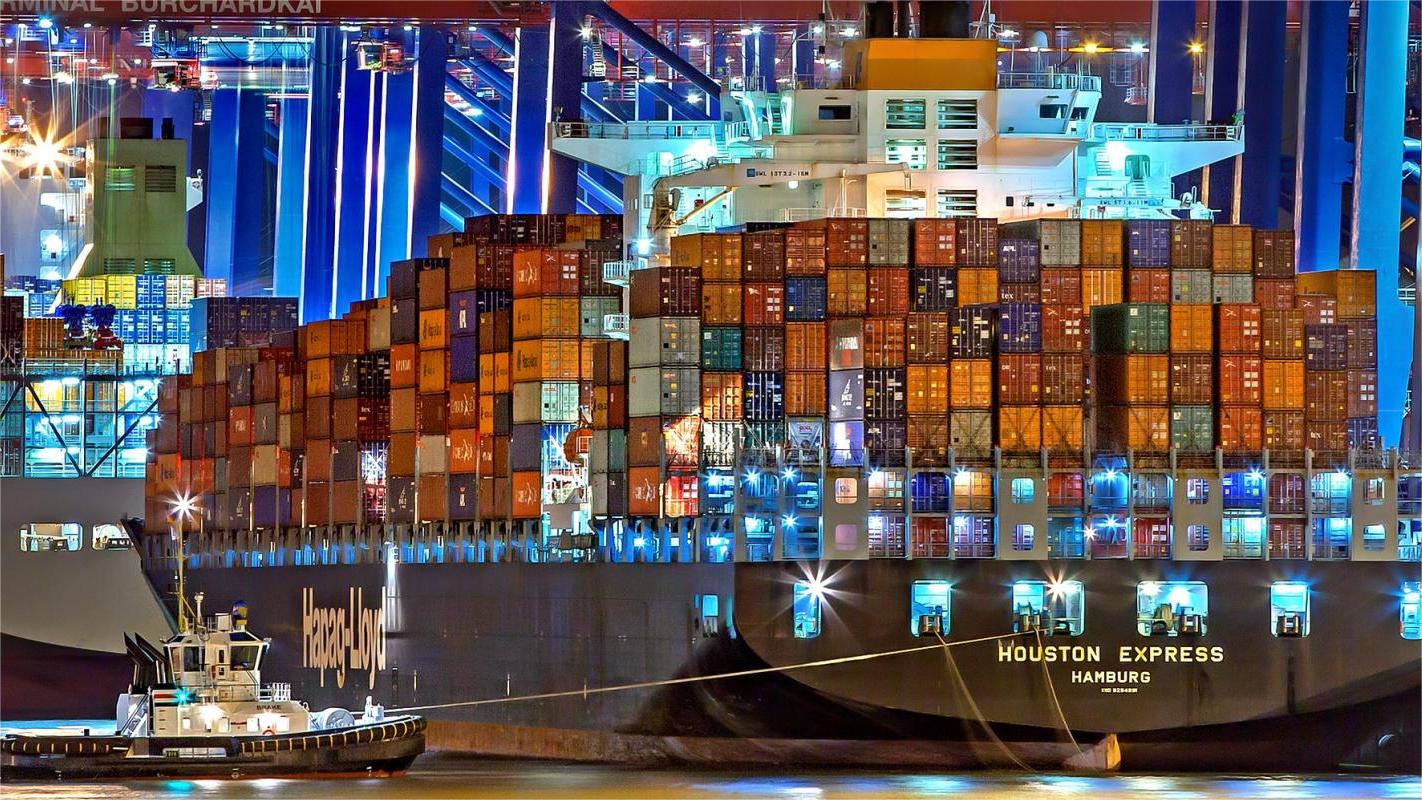
Fuel prices, often referred to as the Bunker Adjustment Factor (BAF), represent a significant portion of your total invoice. When global oil prices fluctuate, carriers adjust these surcharges monthly, directly impacting your budget. Additionally, currency exchange rates between the US Dollar, Chinese Yuan, and Euro can alter the final price significantly.
Port congestion also plays a critical role in determining transit costs. If major hubs like Shanghai or Hamburg experience delays, shipping lines may impose congestion surcharges. Moreover, the type of machinery you are shipping determines whether you need standard FCL or specialized equipment like flat racks, though 40HQ containers cover most standard industrial needs.
Seasonal demand is another unavoidable factor in the logistics world. For instance, the Golden Week holiday in China often leads to a shortage of equipment and space. Shippers who plan their 40HQ FCL shipping cost for machinery from China to Germany well in advance can often secure lower contract rates rather than relying on the volatile spot market.
How Does Sea Freight Compare to Other Shipping Options?
While sea freight is the primary choice, rail freight offers a compelling middle ground for machinery shipments. Rail transit is faster than sea but significantly cheaper than air freight. This makes it an excellent alternative for urgent industrial projects that cannot wait six weeks for a container ship.
Specifically, the Iron Silk Road connects major Chinese industrial hubs like Xi’an and Chengdu directly to Duisburg or Hamburg. Meanwhile, air freight is generally reserved for small components or emergency repairs due to the extreme cost of shipping heavy machinery by plane. In contrast, sea freight provides the necessary volume for large-scale production lines.
To summarize, sea freight is best for budget-conscious shippers, while rail serves those needing a balance of speed and cost. Air freight remains a last resort for machinery due to weight-based pricing models that make it prohibitively expensive for most full-scale equipment.
| Shipping Method | Cost Range (40HQ) | Transit Time | Best For |
|---|---|---|---|
| Sea Freight | $3,000 – $4,500 | 30 – 45 Days | Bulk Machinery |
| Rail Freight | $6,000 – $8,500 | 15 – 22 Days | Urgent Equipment |
| Air Freight | $25,000+ | 3 – 7 Days | Spare Parts |
Detailed Breakdown of 40HQ Container Costs
When calculating the 40HQ FCL shipping cost for machinery from China to Germany, you must look beyond the ocean freight quote. Origin charges in China include the Terminal Handling Charge (THC), documentation fees, and export customs clearance. These usually range from $300 to $600 depending on the port of loading.
Destination charges in Germany are equally important to consider. Upon arrival in Hamburg or Bremerhaven, you will face unloading fees, port security charges, and import handling costs. Additionally, the cost of trucking the container from the port to your final warehouse in cities like Munich or Berlin can add another $500 to $1,500 to your bill.
Note: Freight rates are subject to change based on fuel costs, carrier capacity, and seasonal demand. Contact us for a current quote tailored to your specific shipment.
| Cost Component | Estimated Price (USD) | Responsibility | Notes |
|---|---|---|---|
| Ocean Freight | $3,200 | Shipper/Buyer | Varies by carrier |
| Origin THC | $250 | Shipper | Paid at loading port |
| Customs Export | $100 | Shipper | Documentation fee |
| Destination Port | $450 | Buyer | Unloading/Handling |
Transit Times and Route Optimization
Direct shipping routes from Shanghai to Hamburg typically take between 32 and 38 days. However, choosing a transshipment route through Singapore or Colombo can extend this time to 45 days or more. While transshipment is often cheaper, the risk of cargo damage increases every time the machinery is handled.
Indeed, selecting the right port of discharge can save both time and money. If your factory is located in Southern Germany, discharging at a Mediterranean port like Trieste and using rail transport north might be faster than going around to Hamburg. Nevertheless, the majority of machinery importers prefer the northern German ports for their superior heavy-lift infrastructure.
Consequently, working with an experienced logistics provider helps you identify the most efficient route. They can compare different carriers like COSCO, Maersk, or MSC to find the best schedule that matches your production timeline. Always account for a buffer of 5 to 7 days for potential customs delays or port congestion.
Customs and Documentation for German Machinery Imports
Importing machinery into Germany requires strict adherence to European Union regulations. You must provide a detailed commercial invoice, a packing list, and a Bill of Lading. Furthermore, most industrial equipment requires a CE certificate to prove compliance with safety and environmental standards.
Utilizing a professional customs brokerage service is highly recommended to avoid costly delays. German customs are known for their precision, and any discrepancy in your HS Code classification can lead to significant fines. Correct classification also ensures you pay the right amount of import duty and VAT.
In addition, you should check if your machinery falls under any specific environmental or energy-efficiency categories. Some green technologies may qualify for reduced duties or faster processing. Without a doubt, having your paperwork in order before the ship docks is the best way to minimize storage fees at the terminal.
Realistic Case Studies for Machinery Shipping
To provide a clearer picture, let us examine two real-world scenarios based on Q3 2024 market rates. These examples illustrate how variables like origin and cargo type affect the final 40HQ FCL shipping cost for machinery from China to Germany.
Case Study 1: CNC Milling Machines from Ningbo to Hamburg. The shipment involved three large CNC units packed into a 40HQ container. The ocean freight was $3,850, with origin charges of $420 and destination charges of $550. The total transit time from factory to warehouse was 42 days, including 5 days for customs clearance.
Case Study 2: Injection Molding Equipment from Shenzhen to Bremerhaven. This project required door to door service. The total landed cost reached $5,200, which included inland trucking in both China and Germany. The sea transit took 35 days, and the client successfully avoided peak season surcharges by booking four weeks in advance.

Which Option Should You Choose?
Deciding on the best shipping method depends on your specific business priorities. If your primary goal is cost reduction and you have a flexible timeline, sea freight is the clear winner. This method allows you to maximize the volume of a 40HQ container while keeping the unit cost per machine at its lowest.
On the other hand, if you are facing a production deadline or a contractual penalty for late delivery, rail freight is worth the extra investment. It cuts the transit time in half compared to sea freight. For those shipping to Europe, the rail connection is particularly robust and reliable.
Finally, consider the total value of the cargo. For high-precision machinery worth hundreds of thousands of dollars, the difference in shipping costs becomes less significant compared to the security and speed of the delivery. Always request a comprehensive quote that includes insurance to protect your investment during the long journey.
Cost-Saving Strategies for Machinery Importers
One effective way to reduce your 40HQ FCL shipping cost for machinery from China to Germany is through cargo consolidation if you do not fill a whole container. However, for machinery, FCL is usually safer as it prevents co-loading with incompatible goods. Another strategy is to negotiate Incoterms that favor your control over the logistics chain.
For example, buying on FOB (Free on Board) terms allows you to choose your own forwarder and negotiate better ocean freight rates. In contrast, CIF (Cost, Insurance, and Freight) terms often hide markups from the supplier’s chosen agent. Additionally, shipping during the off-peak months of March through May can result in significant savings.
Furthermore, ensure your packaging is as compact as possible without compromising safety. Reducing the dimensions of crates can sometimes allow you to fit more units into a single 40HQ container. Ultimately, consistent communication with your logistics partner is the most reliable way to find hidden efficiencies in your shipping process.
Final Thoughts on Shipping Machinery to Germany
In conclusion, managing the 40HQ FCL shipping cost for machinery from China to Germany requires a strategic approach to logistics. By understanding the various cost components, from ocean freight to destination handling, you can better predict your total landed costs. Whether you choose the economy of sea freight or the speed of rail, planning ahead is the key to success.
Remember that the cheapest quote is not always the best value if it leads to delays or damaged equipment. Prioritize reliability and clear communication when selecting a freight forwarder. With the right partner, importing machinery from China to Germany becomes a streamlined and predictable part of your business operations.
Ready to streamline your logistics?
Ready to optimize your supply chain? Contact us today to get a precise quote on the 40HQ FCL shipping cost for machinery from China to Germany. Our experts are standing by to help you navigate customs and secure the best freight rates for your industrial equipment. Visit Top China Forwarder to start your inquiry.
Request Quote