

40HQ FCL Shipping from China to Savannah: 2025 Logistics Guide
Navigating the complexities of international trade requires a strategic approach and a reliable partner like Top China Forwarder. If you are currently planning 40HQ FCL shipping from China to Savannah, you are utilizing one of the most efficient gateways for the United States East Coast. This guide provides comprehensive insights into container specifications, current market rates, and the transit timelines necessary for optimizing your supply chain operations. Understanding the nuances of this specific route will help you reduce costs and ensure your cargo arrives safely at the Garden City Terminal.
What is 40HQ FCL Shipping from China to Savannah?
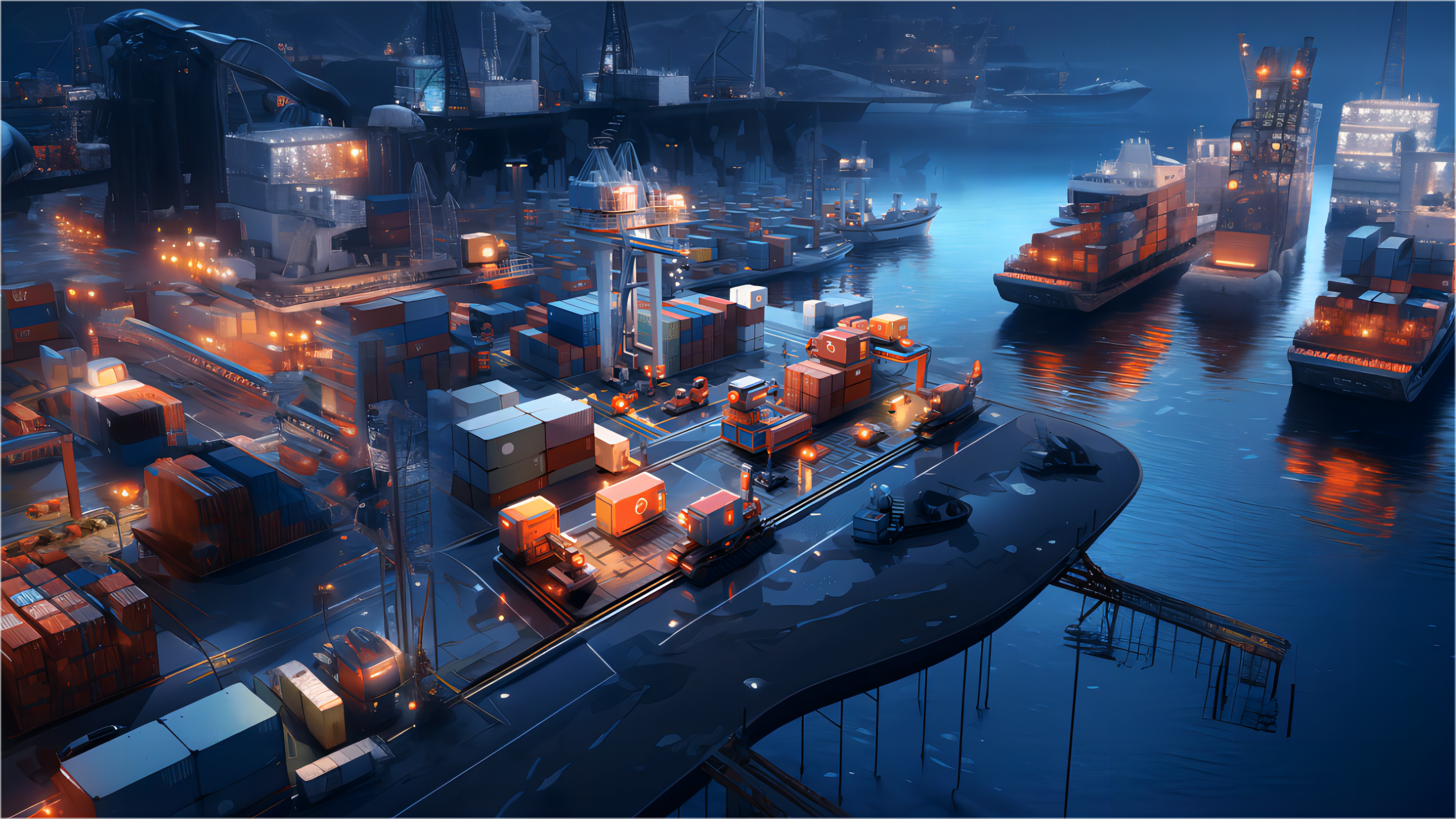
Full Container Load (FCL) shipping refers to a shipment that occupies an entire container for a single consignee. Specifically, the 40HQ or 40-foot High Cube container is the preferred choice for many importers due to its increased vertical capacity. This container type offers an extra foot of height compared to standard 40-foot units, providing approximately 76 cubic meters of total volume. Choosing sea freight for your FCL needs is generally the most economical way to move large quantities of goods across the Pacific.
Importers often select the 40HQ for lightweight but bulky items such as furniture, textiles, or electronics. Moreover, using a dedicated container reduces the risk of damage since the goods are not mixed with other shippers’ cargo. Consequently, the handling process is streamlined, as the container remains sealed from the point of origin in China to the final destination in Savannah. This method also simplifies the tracking process, allowing businesses to monitor their inventory with greater precision throughout the journey.
Managing the weight distribution within a 40HQ is essential to comply with US road weight limits after the container leaves the port. While the container can hold significant volume, exceeding weight thresholds can lead to expensive fines or the requirement for specialized tri-axle chassis. Therefore, shippers must balance the volume of the cargo with the legal weight limits of Georgia’s transport infrastructure. Working with an experienced logistics provider ensures that your packing list aligns with both safety standards and cost-efficiency goals.
Why the Port of Savannah is Ideal for China Shipments
Savannah serves as a critical entry point for the Southeastern United States, boasting the largest single-terminal container facility in North America. The Port of Savannah, specifically the Garden City Terminal, offers direct access to major interstate highways and extensive rail networks. Additionally, the port has undergone significant deepening projects to accommodate the massive Neo-Panamax vessels that travel from China. These infrastructure improvements mean that even the largest 40HQ FCL shipments can be processed quickly and efficiently.
Notably, the port’s proximity to major distribution centers makes it a strategic choice for e-commerce and retail businesses. Many companies have established warehouses within a few miles of the terminal to minimize drayage costs and improve delivery speed. Furthermore, Savannah’s reputation for high productivity and low congestion provides a reliable alternative to the often-crowded West Coast ports. By directing your 40HQ FCL shipping from China to Savannah, you can often avoid the long truck queues and labor disputes that occasionally plague other US gateways.
The Georgia Ports Authority continues to invest in technology that speeds up the clearing and movement of containers. This proactive management style results in faster turn times for truck drivers and quicker availability of cargo for importers. Indeed, the integration of on-dock rail services allows for seamless transport to inland hubs like Atlanta, Charlotte, and beyond. This interconnectedness ensures that your supply chain remains fluid and responsive to market demands.
How Does 40HQ FCL Compare to Other Shipping Options?
Evaluating different transport modes is a fundamental step in designing an effective logistics strategy. While 40HQ FCL is excellent for high-volume orders, smaller shipments might find better value in Less than Container Load (LCL) options. On the other hand, urgent cargo might necessitate the speed of air transport, despite the significantly higher costs involved. For many businesses, door to door services provide a comprehensive solution that manages every step of the process.
Specifically, the cost-per-unit for a 40HQ container is typically much lower than LCL when the shipment exceeds 15 to 20 cubic meters. Furthermore, FCL shipments generally experience faster transit times because they do not require the consolidation and deconsolidation steps inherent in LCL logistics. In contrast, air freight is reserved for high-value or time-sensitive goods where the cost of delay exceeds the premium price of flight. The table below illustrates the key differences between these common shipping methods.
| Shipping Method | Cost Range | Transit Time | Best For |
|---|---|---|---|
| 40HQ FCL Sea | $4,500 – $6,000 | 30-40 Days | Bulk goods and high volume |
| LCL Sea Freight | $150 – $300/CBM | 35-45 Days | Small shipments under 15CBM |
| Air Freight | $8 – $15 per kg | 5-10 Days | Urgent or high-value items |
| Express Service | $12 – $20 per kg | 3-6 Days | Samples and small parcels |
Transit Times and Routes: From China to Savannah
Shipping from China to the US East Coast primarily involves the all-water route through the Panama Canal. This route is favored for 40HQ FCL shipping from China to Savannah because it avoids the need for transloading cargo at West Coast ports. Most vessels departing from major hubs like Shanghai, Ningbo, or Shenzhen will reach Savannah within 30 to 38 days. However, seasonal factors and canal congestion can occasionally extend these timelines by several days.
Specifically, the departure port in China plays a significant role in the overall transit duration. Southern ports like Shenzhen often have slightly shorter transit times to the East Coast compared to Northern ports like Qingdao. Additionally, utilizing a customs brokerage early in the process ensures that all paperwork is ready before the ship docks. This proactive approach minimizes the time your 40HQ container spends sitting at the terminal awaiting clearance.
Direct services are generally available from the largest Chinese ports, offering the most reliable schedules for importers. While transshipment through hubs like Busan or Singapore can sometimes offer lower rates, it typically adds 5 to 10 days to the journey. Therefore, businesses must weigh the cost savings against the need for a predictable delivery schedule. The following table provides an estimate of transit times from various Chinese origins to the Port of Savannah.
| Port of Loading | Transit Time (Days) | Route Type | Frequency |
|---|---|---|---|
| Shanghai | 32 – 36 | Direct via Panama | Weekly |
| Ningbo | 33 – 37 | Direct via Panama | Weekly |
| Shenzhen | 30 – 34 | Direct via Panama | Bi-weekly |
| Qingdao | 35 – 40 | Transshipment | Weekly |
Current Market Rates for 40HQ Containers in 2025
Freight rates for the China-to-Savannah route are influenced by global trade demand, fuel surcharges, and carrier capacity. As of early 2025, market data suggests that rates for a 40HQ FCL container have stabilized compared to the volatility of previous years. Typically, you can expect to pay between $4,500 and $6,000 for ocean freight, depending on the specific time of year. Specifically, the peak season from August to October often sees price increases of 15% to 25% due to holiday inventory preparation.
Moreover, importers must consider the ‘landed cost,’ which includes origin charges, destination fees, and customs duties. Origin charges in China usually cover terminal handling (THC), document fees, and export clearance. Meanwhile, destination charges in Savannah include port handling, drayage to your warehouse, and any applicable storage fees. To get an accurate picture of your expenses, it is vital to request a quote that encompasses all these variables rather than just the base ocean freight.
Note: Freight rates are subject to change based on fuel costs, carrier capacity, and seasonal demand. Contact us for a current quote tailored to your specific shipment. Industry benchmarks indicate that booking at least 3-4 weeks in advance can help secure more competitive rates and guaranteed space on the vessel. Additionally, maintaining a flexible shipping schedule can allow you to take advantage of lower-cost sailings during off-peak windows.
| Route Origin | 20GP Rate | 40GP Rate | 40HQ Rate |
|---|---|---|---|
| Shanghai to Savannah | $3,200 – $4,000 | $4,200 – $5,200 | $4,800 – $5,800 |
| Ningbo to Savannah | $3,300 – $4,100 | $4,300 – $5,300 | $4,900 – $5,900 |
| Shenzhen to Savannah | $3,100 – $3,900 | $4,100 – $5,100 | $4,700 – $5,700 |
| Xiamen to Savannah | $3,400 – $4,200 | $4,400 – $5,400 | $5,000 – $6,000 |
Essential Documentation for Customs Clearance in Savannah
Clearing customs in the US requires a meticulous approach to documentation to avoid costly delays and inspections. The most critical document is the Bill of Lading (BOL), which serves as the contract of carriage and proof of ownership. Furthermore, a detailed Commercial Invoice must list the value, origin, and description of the goods for duty assessment. Accuracy in these documents is paramount, as discrepancies can lead to the container being flagged for intensive examination by US Customs and Border Protection.
Specifically, every importer must also file an Importer Security Filing (ISF), also known as ’10+2,’ at least 24 hours before the cargo is loaded onto the ship in China. Failure to submit the ISF on time can result in a $5,000 fine and ‘No Load’ orders from the carrier. Additionally, a Packing List that matches the commercial invoice is required to help customs officials verify the contents of the 40HQ container. For certain products, additional permits or certificates of origin may be necessary to comply with federal regulations.
Working with a professional logistics provider helps ensure that all paperwork is filed correctly and on time. Most experienced shippers use electronic data interchange (EDI) to submit documents, which speeds up the review process. Consequently, many containers are cleared for delivery before the ship even arrives at the Port of Savannah. This efficiency is vital for maintaining a lean supply chain and avoiding the storage fees that accumulate if a container is held at the terminal.
Realistic Case Studies: China to Savannah Route
Examining real-world scenarios provides valuable context for the costs and timelines involved in 40HQ FCL shipping from China to Savannah. These examples reflect typical market conditions and highlight the importance of planning for both freight and local logistics. Specifically, these cases demonstrate how different product types and origin ports can impact the final landed cost and delivery schedule.
Case Study 1: Textiles from Shanghai. A retail client imported 68 CBM of cotton textiles in a 40HQ container. The shipment departed Shanghai and reached Savannah in 38 days. Total ocean freight was $5,200, with an additional $1,650 in origin and destination charges. Key Insight: Early ISF filing allowed for immediate clearance upon arrival, enabling the goods to reach the warehouse within 48 hours of docking.
Case Study 2: Electronics from Shenzhen. A tech distributor moved 70 CBM of consumer electronics. This direct route took 35 days from Shenzhen to the Garden City Terminal. The total landed cost was $7,400, including customs duties. Key Insight: Using a 40HQ instead of two 20GP containers saved the client over $1,200 in base freight and terminal fees. These savings directly improved the profit margin on the imported units.
Case Study 1: Furniture Import Success
Case Study 1: Furniture from Ningbo to Savannah
Route: Ningbo, China to Savannah, USA
Cargo: Flat-pack wooden furniture, 72 CBM, 15,000 kg
Container: 40HQ FCL
Shipping Details:
– Carrier: COSCO Shipping
– Port of Loading: Ningbo-Zhoushan
– Port of Discharge: Savannah Garden City Terminal
– Route Type: Direct via Panama Canal
Cost Breakdown:
– Ocean Freight: $5,400
– Origin Charges: $450
– Destination Charges: $850
– Customs Duties: $1,200
– Total Landed Cost: $7,900
Timeline:
– Booking to Loading: 5 days
– Sea Transit: 36 days
– Customs Clearance: 2 days
– Total Door-to-Door: 43 days
Key Insight: Based on Q3 2024 market rates, the client maximized container volume to keep shipping costs below 10% of the total cargo value.
Case Study 2: Industrial Parts Logistics
Case Study 2: Auto Parts from Shenzhen to Savannah
Route: Shenzhen, China to Savannah, USA
Cargo: Metal automotive components, 65 CBM, 22,000 kg
Container: 40HQ FCL
Shipping Details:
– Carrier: Maersk Line
– Port of Loading: Yantian (Shenzhen)
– Port of Discharge: Savannah
– Route Type: Direct
Cost Breakdown:
– Ocean Freight: $5,100
– Origin Charges: $500
– Destination Charges: $900
– Customs Duties: $2,500
– Total Landed Cost: $9,000
Timeline:
– Booking to Loading: 7 days
– Sea Transit: 33 days
– Customs Clearance: 3 days
– Total Door-to-Door: 43 days
Key Insight: Typical rates as of early 2025 show that heavy cargo requires careful drayage planning in Savannah to avoid weight violations on Georgia highways.
Alternative Strategies for China to Savannah Logistics
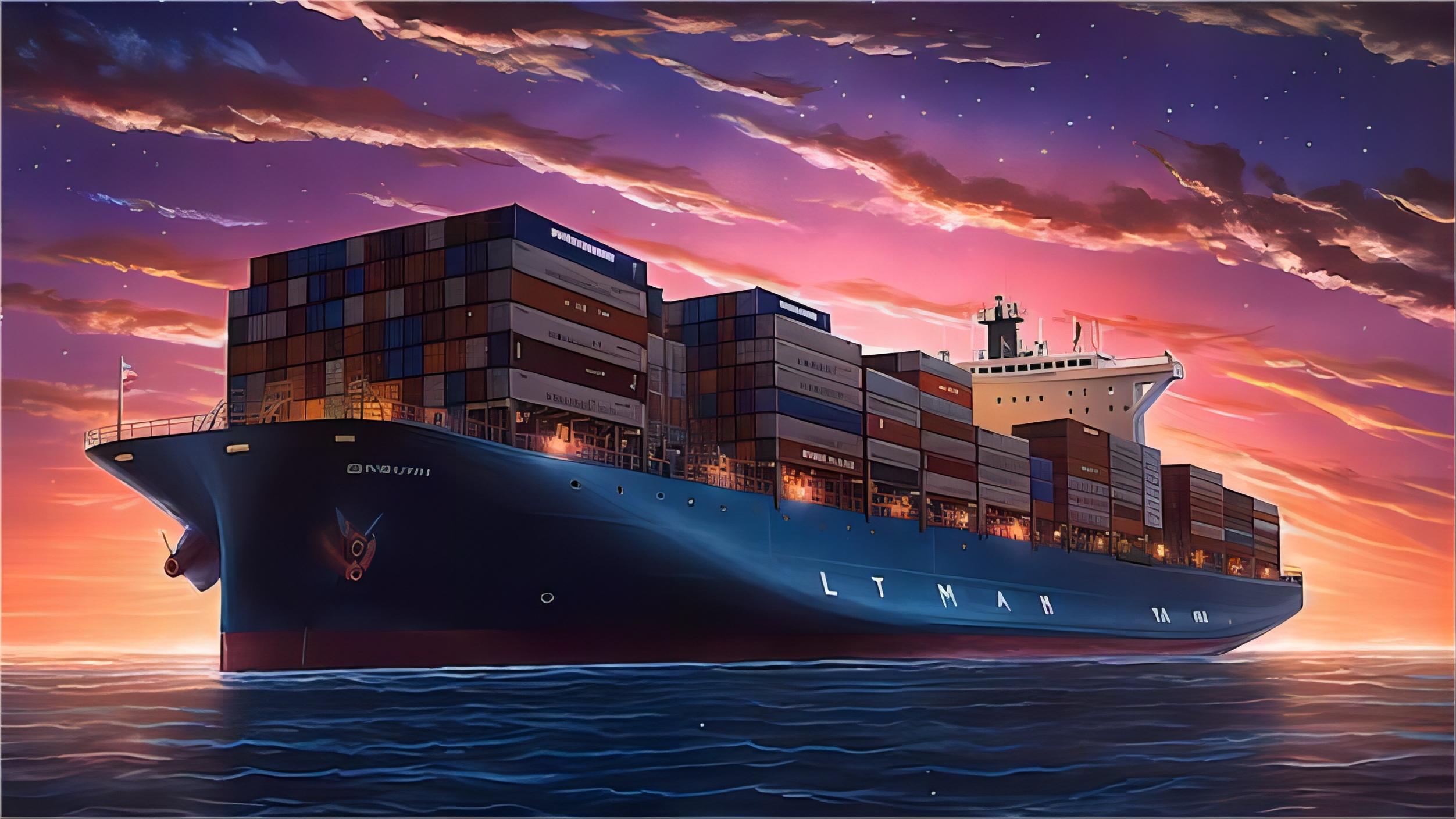
While the all-water route to Savannah is popular, some importers utilize alternative strategies to balance speed and cost. One common approach involves shipping to a West Coast port like Los Angeles and then moving the container via rail to Georgia. This ‘Mini Land Bridge’ can save 5 to 10 days of transit time but often comes with higher freight costs and more handling risks. Furthermore, navigating the logistics of North America requires a deep understanding of both ocean and rail schedules.
Another option is the sea-air hybrid solution, where cargo is shipped by sea to a hub like Dubai or Los Angeles and then flown to its final destination. This is particularly useful for shipments that are running behind schedule but cannot afford the full price of air freight from China. Additionally, some shippers choose to use transshipment ports in the Caribbean to consolidate cargo before the final leg to Savannah. Each of these alternatives offers specific benefits depending on your current inventory levels and budget constraints.
Choosing the right strategy depends on your specific business priorities. If your primary goal is cost reduction, the direct all-water route for 40HQ FCL shipping from China to Savannah remains the best choice. However, if market demand shifts suddenly, having a secondary logistics plan involving West Coast ports can provide the agility needed to stay competitive. Discussing these options with your freight forwarder will help you determine the most resilient path for your supply chain.
Final Thoughts on 40HQ FCL Shipping to Savannah
Successfully executing 40HQ FCL shipping from China to Savannah requires a combination of early planning, accurate documentation, and market intelligence. By leveraging the high-capacity 40HQ container, businesses can significantly reduce their per-unit shipping costs while enjoying the reliability of the Port of Savannah’s infrastructure. Moreover, staying informed about transit times and current market rates allows you to make data-driven decisions that protect your profit margins.
As global trade continues to evolve, the Savannah gateway will remain a vital link for importers targeting the Southeastern United States. Whether you are moving textiles, electronics, or industrial parts, the strategies outlined in this guide will help you navigate the process with confidence. Remember to work closely with your logistics provider to adapt to seasonal changes and ensure your documentation is always in order for a smooth customs experience.
Ready to streamline your logistics?
Streamline your supply chain today by partnering with experts who understand the intricacies of 40HQ FCL shipping from China to Savannah. Our team provides tailored quotes and comprehensive support to ensure your cargo moves efficiently through every stage of the journey. Contact us now to optimize your logistics strategy and secure the best market rates for your next container shipment. Visit our inquiry page to get started: See: https://topchinaforwarder.com
Request Quote