

20GP FCL Shipping from China to Belgium: 2025 Rates and Logistics Guide
Choosing 20GP FCL shipping from China to Belgium is a strategic decision for businesses seeking a balance between cost-efficiency and security. As global trade routes evolve, understanding the nuances of full container load logistics becomes essential for maintaining a competitive supply chain. Top China Forwarder provides comprehensive solutions to navigate these complexities, ensuring your cargo reaches European markets safely and on time. Whether you are importing electronics, machinery, or textiles, this guide will detail everything you need to know about the current shipping landscape.
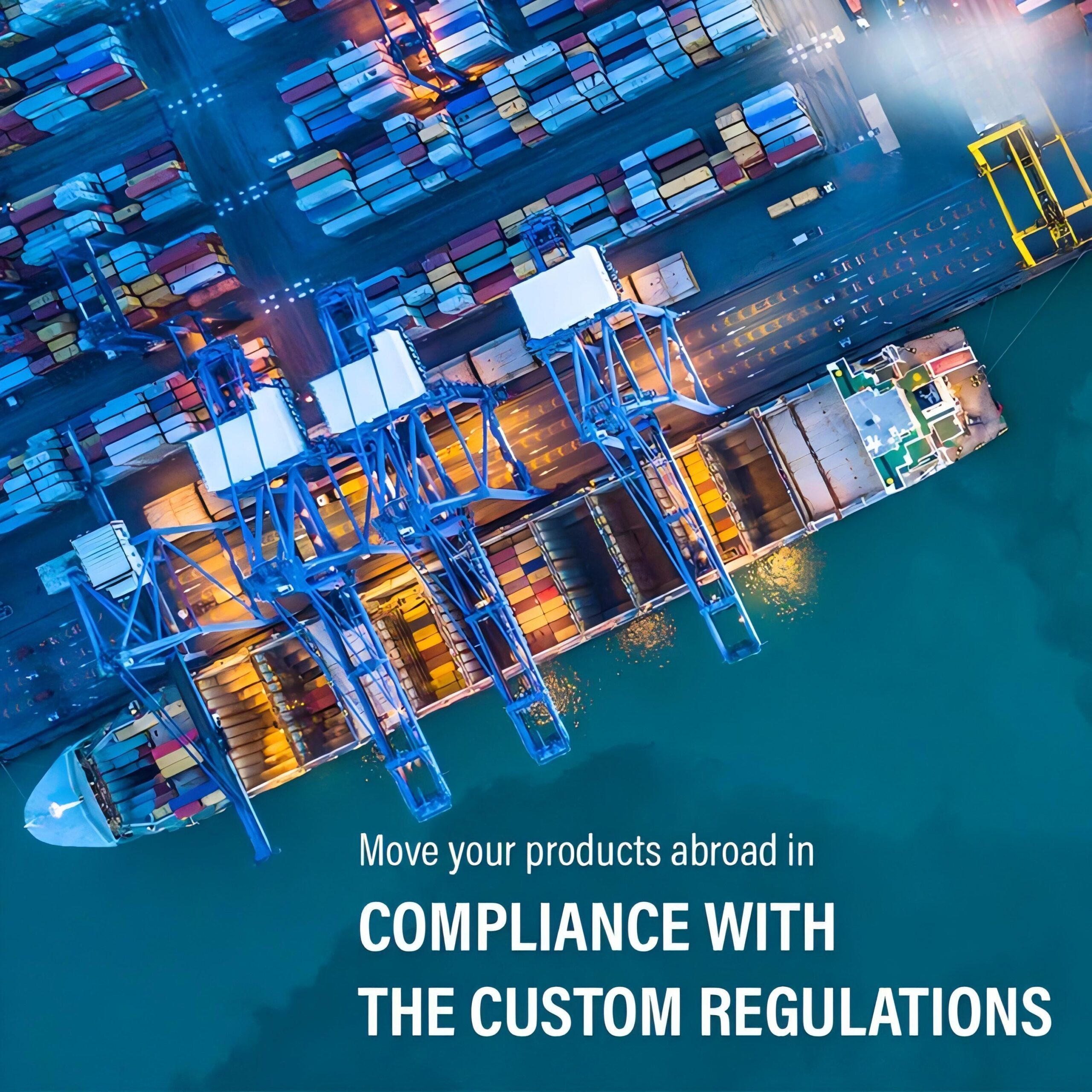
Understanding 20GP FCL Shipping from China to Belgium
A 20GP container, also known as a 20-foot General Purpose container, is the industry standard for transporting heavy or dense goods. Utilizing sea freight for these shipments allows importers to benefit from lower per-unit costs compared to air or rail options.
Furthermore, FCL or Full Container Load means that your goods occupy the entire container space, providing enhanced security and reducing the risk of damage. This method is particularly effective for shipments that are too large for LCL but do not require the massive volume of a 40HQ container.
Standard dimensions for a 20GP container typically offer about 33 cubic meters of space, though practical loading usually caps at 28 to 30 cubic meters. Consequently, businesses must plan their palletization carefully to maximize this available volume while staying within weight limits.
Moreover, shipping to Belgium specifically involves targeting major hubs like Antwerp or Zeebrugge, which serve as gateways to the rest of the European Union. Consequently, selecting the right container type is the first step in a successful international logistics strategy.
How Does 20GP FCL Compare to Other Shipping Options?
Evaluating different transport modes is vital for optimizing your logistics budget and meeting delivery deadlines. While 20GP FCL is a popular choice, alternatives like rail freight or air transport might suit specific urgent needs.
On the other hand, sea freight remains the most economical choice for non-urgent, high-volume cargo moving between China and Europe. To help you decide, we have compiled a comparison of the most common shipping methods used for this route.
In addition to sea and rail, some shippers consider sea-air hybrid solutions to balance speed and cost. However, for most standard industrial and consumer goods, the 20GP FCL remains the gold standard for reliability and cost-control.
| Shipping Method | Cost Range (USD) | Transit Time | Best For |
|---|---|---|---|
| 20GP FCL Sea | $1,800 – $2,500 | 30-40 Days | Heavy, dense goods |
| 40HQ FCL Sea | $3,000 – $4,200 | 30-40 Days | High volume cargo |
| Rail Freight | $4,000 – $6,000 | 18-22 Days | Urgent industrial parts |
| Air Freight | $15,000+ | 5-7 Days | High-value electronics |
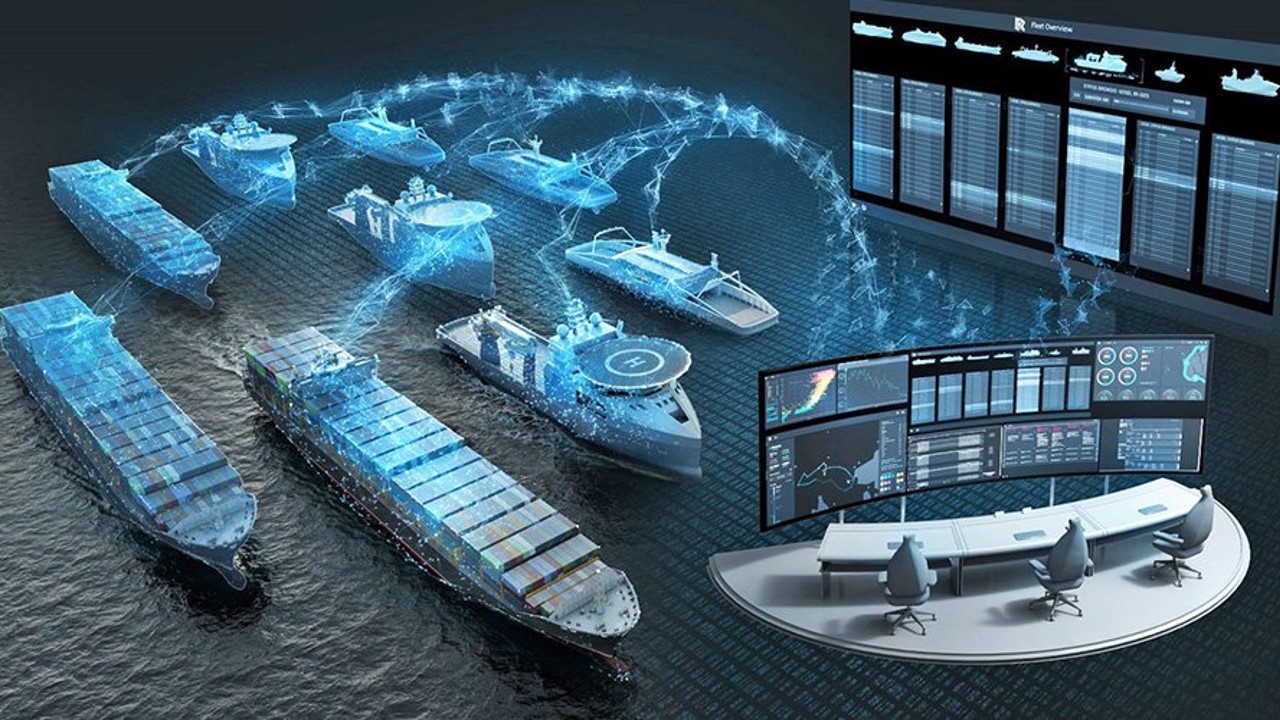
Current Freight Rates for 20GP FCL Shipping from China to Belgium
Freight rates for a 20GP container are highly dynamic and influenced by several global economic factors. As of early 2025, market data suggests that rates have stabilized following the disruptions seen in previous years.
Typically, ocean freight rates from major Chinese ports like Shanghai or Ningbo to Antwerp range between $1,800 and $2,500 for a 20GP unit. Nevertheless, these prices can fluctuate based on fuel surcharges, seasonal demand, and carrier availability.
For instance, the peak season from August to October often sees a 15-25% increase in pricing due to the holiday rush. Shippers should also account for local charges such as Terminal Handling Charges (THC) and documentation fees at both origin and destination.
Note: Freight rates are subject to change based on fuel costs, carrier capacity, and seasonal demand. Contact us for a current quote tailored to your specific shipment.
Transit Times and Major Shipping Routes
The transit time for 20GP FCL shipping from China to Belgium depends largely on the port of origin and the specific shipping line used. Direct routes from Shenzhen or Shanghai to Antwerp are generally the fastest options available for sea transport.
Most vessels traveling to Belgium will pass through the Suez Canal, which is the primary artery for Asia-Europe trade. Without a doubt, any disruptions in this region can add 10-15 days to the total transit time if ships are rerouted around the Cape of Good Hope.
Standard port-to-port transit times usually fall within the 30 to 35-day range. However, when you factor in container loading, customs clearance, and final delivery, the total door-to-door time often reaches 40 to 45 days.
If speed is a priority, consider utilizing air freight for smaller components while the main bulk of your inventory travels via sea. This multi-modal approach ensures you have stock available while waiting for the main container to arrive.
Essential Customs Documentation for Belgium
Navigating the customs process in Belgium requires precise documentation to avoid costly delays or fines. As a member of the European Union, Belgium follows strict import regulations regarding safety, environmental standards, and tax compliance.
Indeed, hiring a professional for customs brokerage is often the most effective way to ensure all paperwork is in order. Missing a single certificate can result in your 20GP container being held at the Port of Antwerp for weeks.
Moreover, you must ensure that your EORI number is active and that all commercial invoices clearly state the HS codes for your products. Below is a checklist of the primary documents you will need for your shipment.
| Document Name | Purpose | Required By |
|---|---|---|
| Commercial Invoice | Value declaration | Customs Authority |
| Packing List | Cargo verification | Port Authorities |
| Bill of Lading | Title of goods | Shipping Line |
| Certificate of Origin | Duty determination | Customs Authority |
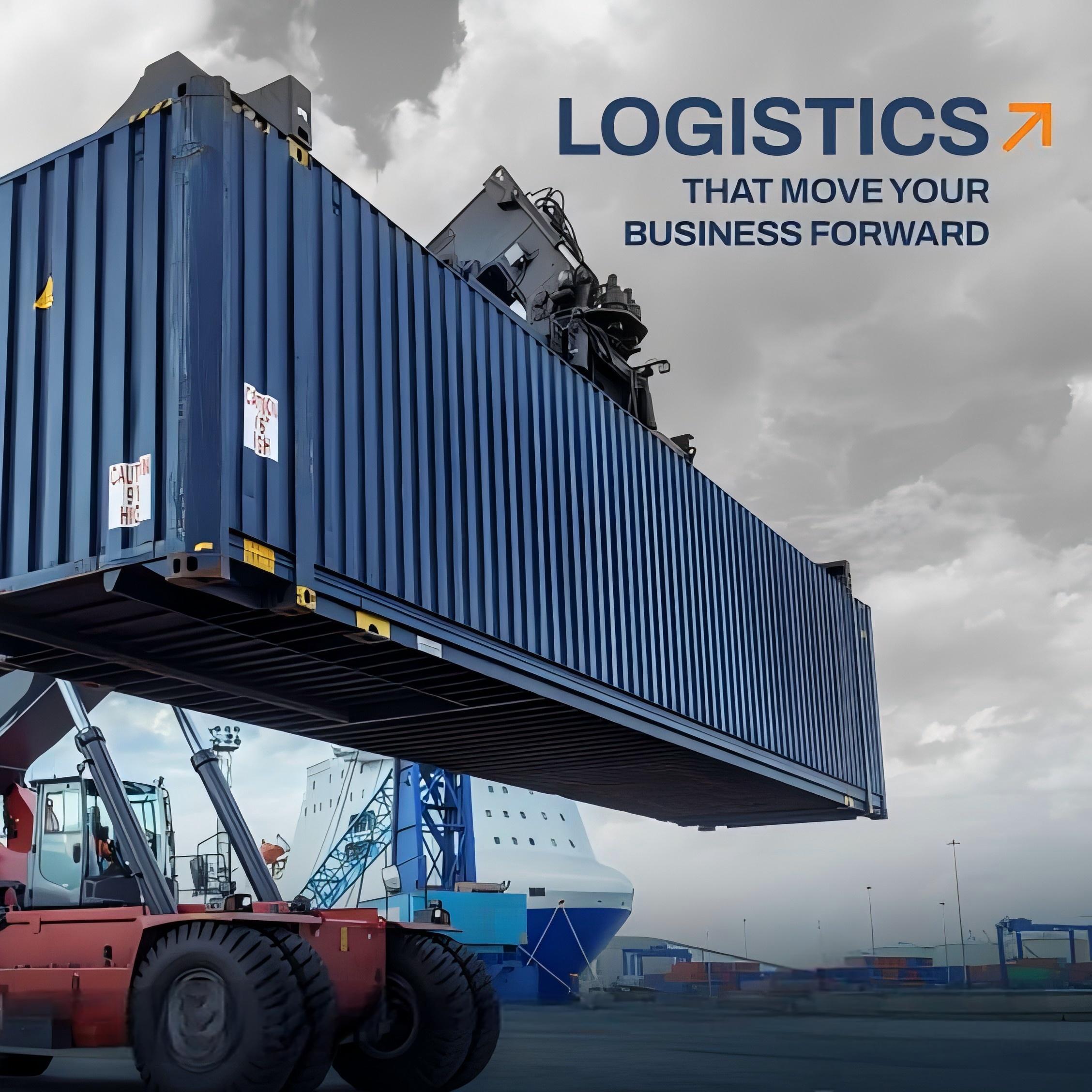
Case Studies: Real-World 20GP FCL Scenarios
Case Study 1: Electronics Distribution. A Shenzhen-based manufacturer shipped a 20GP container of consumer electronics to a distributor in Brussels. Route: Shenzhen to Antwerp. Cargo: 25 CBM of tablets and accessories. Shipping Method: FCL Sea Freight. Total Landed Cost: $2,850. Transit Time: 34 days. Key Insight: Early booking during the off-peak season saved the client 15% on ocean freight.
Case Study 2: Industrial Machinery. A factory in Ningbo required the transport of heavy steel components to a plant in Liege. Route: Ningbo to Zeebrugge. Cargo: 18 tons of industrial parts in a 20GP. Shipping Method: FCL Sea Freight. Total Landed Cost: $3,100 (including heavy weight surcharges). Transit Time: 38 days. Key Insight: Proper weight distribution within the container prevented damage and extra handling fees.
Case Study 3: Furniture Import. A Belgian retailer ordered custom furniture from Foshan. Route: Guangzhou to Antwerp. Cargo: 28 CBM of wooden chairs. Shipping Method: FCL Sea Freight with door to door delivery. Total Landed Cost: $3,400. Transit Time: 42 days. Key Insight: Utilizing a door-to-door service simplified the final mile logistics and reduced local warehouse costs.
Which Option Should You Choose?
Choosing the right shipping method requires a careful analysis of your budget, cargo volume, and time constraints. If your shipment volume is between 15 and 30 cubic meters, 20GP FCL is almost always the most logical choice.
Budget priority: If your main goal is minimizing costs, stick with sea freight and book at least 3-4 weeks in advance. For those with a slightly higher budget who need goods faster, rail freight offers a significant time saving of nearly two weeks.
Speed priority: When deadlines are tight, air freight is the only viable option, though it comes at a premium. Alternatively, consider a split shipment where 10% of the goods go via air and 90% go via 20GP FCL sea freight.
Cargo type considerations: Heavy items like tiles, machinery, or liquids are best suited for 20GP containers due to weight limits on larger 40ft units. Always consult with your forwarder to ensure your cargo weight does not exceed the legal limits for Belgian road transport.

Final Thoughts on Shipping to Belgium
To summarize, 20GP FCL shipping from China to Belgium remains a vital link for international trade, offering a secure and predictable way to move goods. By understanding the costs, transit times, and documentation requirements, you can significantly reduce the risks associated with global logistics.
Additionally, staying informed about market trends and seasonal fluctuations will allow you to make better procurement decisions. Whether you are a small business or a large enterprise, the right freight forwarding partner can make all the difference in your shipping success.
Indeed, planning ahead and choosing the right container size like the 20GP is the key to a healthy and efficient supply chain.
Ready to streamline your logistics?
Streamline your supply chain today with expert 20GP FCL shipping from China to Belgium. Contact our team at Top China Forwarder for a personalized quote and professional guidance on your next shipment. Visit our website to get started: https://topchinaforwarder.com
Request Quote