

40HQ FCL freight rate for lighting from China to Denmark: 2025 Guide
Understanding the current 40HQ FCL freight rate for lighting from China to Denmark is essential for maintaining a healthy profit margin in the competitive lighting industry. Importers often face challenges with volatile pricing and complex logistics schedules during the peak season. However, partnering with an expert like Top China Forwarder allows businesses to navigate these hurdles with ease and efficiency.

What is the current 40HQ FCL freight rate for lighting from China to Denmark?
Determining the exact cost of shipping requires looking at several market variables that shift weekly. Currently, the 40HQ FCL freight rate for lighting from China to Denmark reflects the stability of the early 2025 market following previous disruptions.
Moreover, lighting products are ideal for 40HQ containers because they often involve high-volume, low-weight packaging. Consequently, maximizing the 76 cubic meter capacity of a High Cube container is the most cost-effective strategy for large-scale distributors.
Typically, sea freight remains the primary choice for these shipments due to its balance of cost and capacity. Indeed, most lighting manufacturers in hubs like Guzhen or Ningbo prefer this method for European exports.
Additionally, businesses should account for local charges at both the origin and destination ports. These fees include terminal handling, documentation, and security surcharges that are often overlooked in initial estimates.
| Origin Port | Destination Port | Container Type | Estimated Rate |
|---|---|---|---|
| Shenzhen | Copenhagen | 40HQ FCL | $3,200 – $4,100 |
| Ningbo | Aarhus | 40HQ FCL | $3,350 – $4,250 |
| Shanghai | Copenhagen | 40HQ FCL | $3,400 – $4,300 |
| Qingdao | Aarhus | 40HQ FCL | $3,500 – $4,400 |
How Does Sea Freight Compare to Other Shipping Options?
While ocean transport is the standard, comparing it to other modes is vital for urgent inventory needs. For instance, air freight offers unmatched speed but comes at a significantly higher premium that can erode margins on low-cost LED fixtures.
Furthermore, businesses must weigh the trade-offs between speed and expense when selecting their logistics strategy. In contrast to sea transport, express services are usually reserved for small samples or critical replacement parts.
Therefore, most lighting importers stick to 40HQ containers to ensure the lowest per-unit shipping cost possible. Meanwhile, hybrid solutions like sea-air are gaining traction for those needing a middle ground.
| Shipping Method | Cost Range | Transit Time | Best For |
|---|---|---|---|
| Sea Freight (40HQ) | $3,200 – $4,500 | 30-40 Days | Bulk Lighting Orders |
| Rail Freight | $4,000 – $5,500 | 18-24 Days | Mid-range Urgency |
| Air Freight | $15,000 – $25,000 | 5-8 Days | High-value Samples |
| Express Service | $20,000+ | 3-5 Days | Urgent Prototypes |
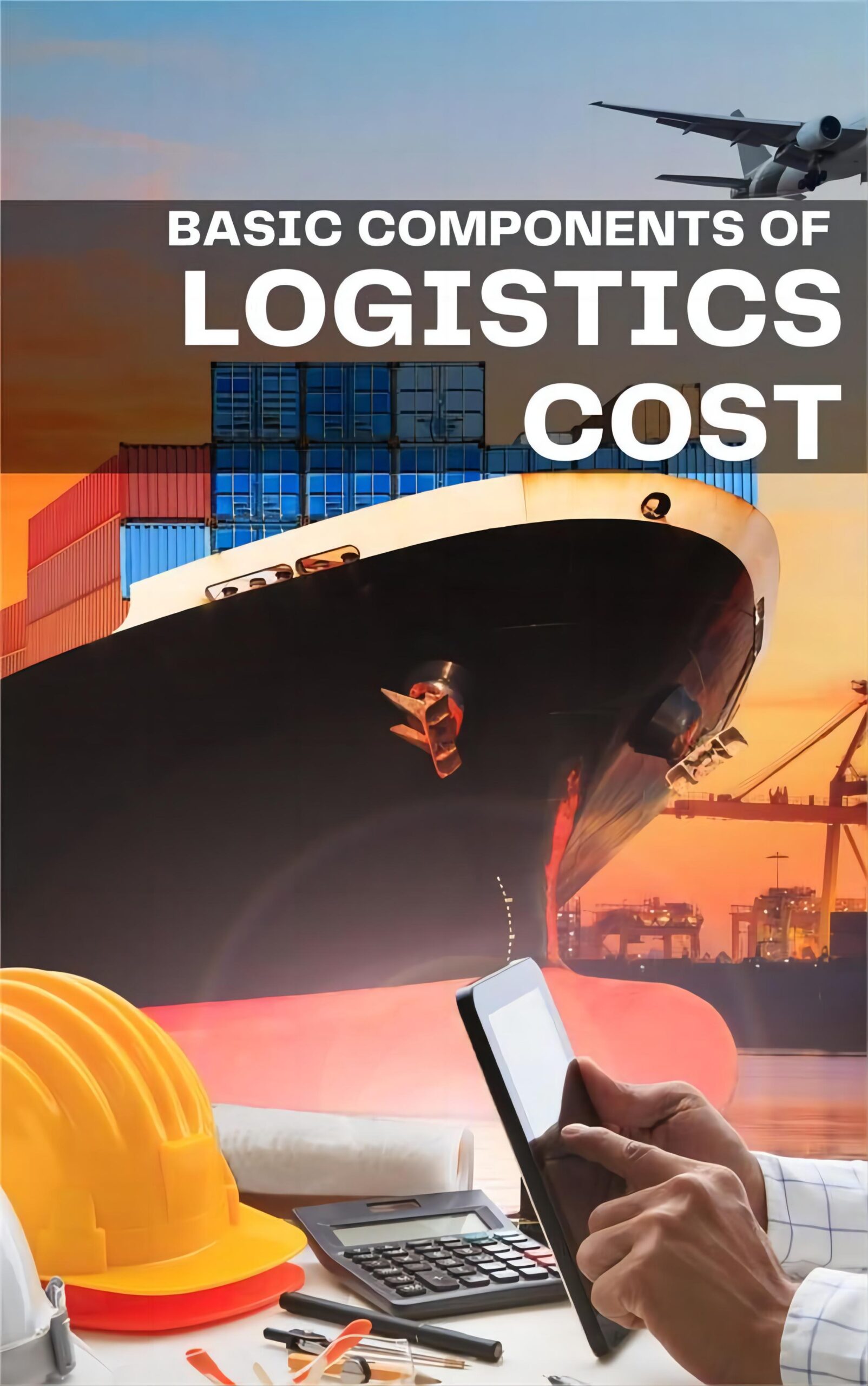
Why choose a 40HQ container for lighting products to Europe?
Shipping to Europe requires strict adherence to volume optimization to remain competitive. Because lighting fixtures like chandeliers and commercial LED panels are often bulky, the extra foot of height in a 40HQ container is invaluable.
Specifically, a 40HQ container provides approximately 12 percent more volume than a standard 40GP container for a very similar price. As a result, the cost per cubic meter drops significantly, making it the preferred choice for the lighting industry.
Nevertheless, importers must ensure their suppliers pack the goods efficiently to prevent damage during the long ocean voyage. Proper palletization and bracing are essential when dealing with fragile glass or sensitive electronic components.
Factors influencing the 40HQ FCL freight rate for lighting from China to Denmark
Several external factors contribute to the fluctuation of shipping prices throughout the year. For example, fuel surcharges, known as the Bunker Adjustment Factor (BAF), can rise or fall based on global oil market trends.
Additionally, seasonal demand plays a massive role in pricing. During the peak season from August to October, rates typically increase by 15-25 percent as retailers prepare for the winter holidays.
Port congestion and container availability also impact the final quote you receive from a forwarder. Consequently, booking at least 3-4 weeks in advance is recommended to secure both a container and a favorable rate.
Which Option Should You Choose? Decision Framework
Choosing the right method depends on your specific business priorities and the nature of your cargo. If your primary goal is budget optimization, then the 40HQ FCL freight rate for lighting from China to Denmark via sea is your best bet.
On the other hand, if you are facing a stock-out situation, rail freight offers a faster alternative through the New Silk Road. While it costs roughly 20-30 percent more than sea, it saves nearly two weeks in transit time.
High-value designer lighting might even justify the cost of air transport if the retail price is high enough to absorb the freight expense. To summarize, always calculate your landed cost before making a final decision.
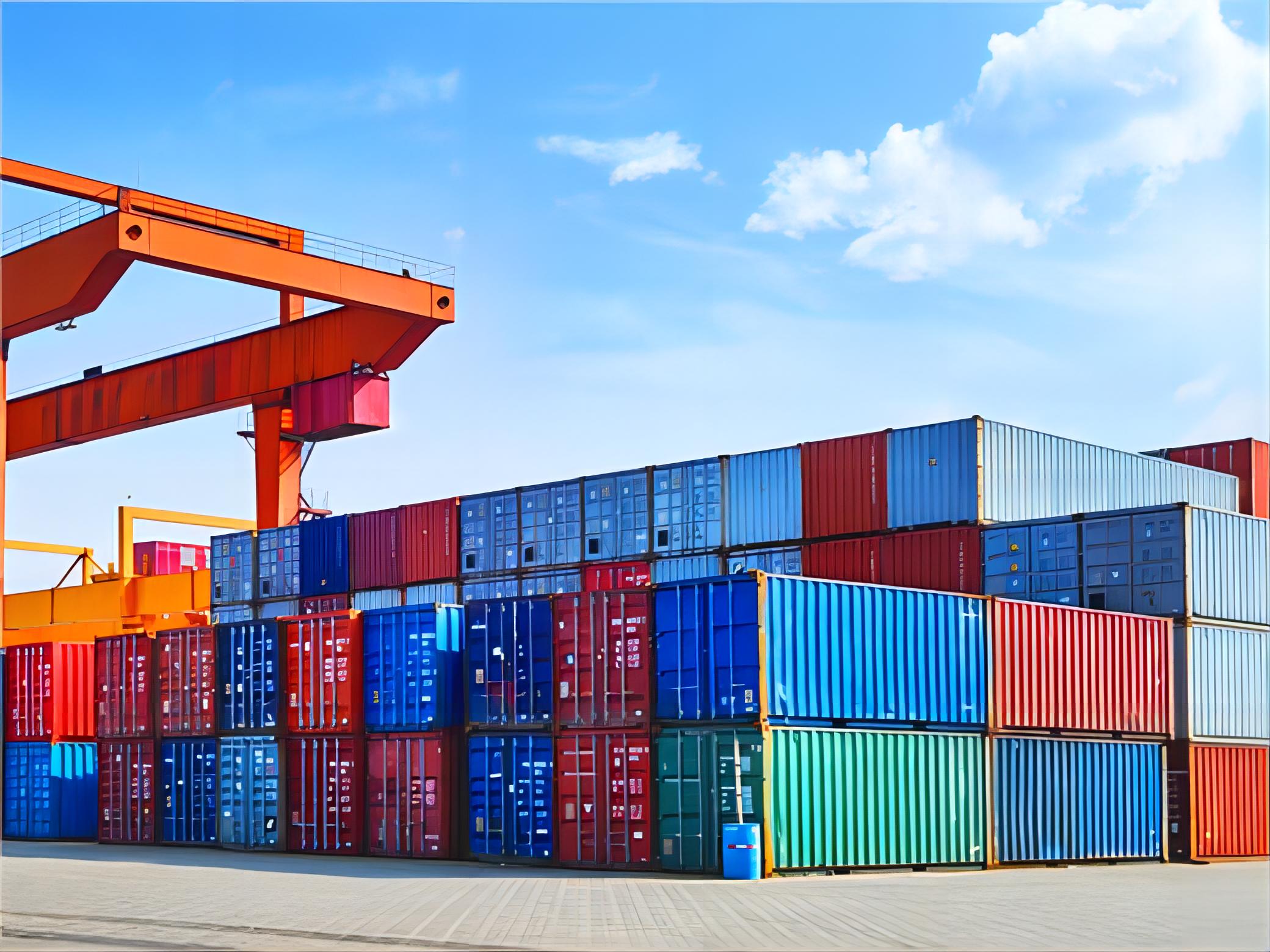
Transit times and Door to Door delivery expectations
Shipping from major Chinese ports like Shanghai or Shenzhen to Copenhagen usually takes between 30 and 40 days. However, this timeline only covers the port-to-port leg of the journey.
Opting for door to door service adds another 5-7 days for inland haulage and customs processing. Indeed, this comprehensive service is often the most convenient for Danish businesses without their own logistics departments.
Meanwhile, direct routes are faster but more expensive than transshipment routes that stop in Singapore or Colombo. Consequently, you must decide if saving five days is worth the 10 percent price premium.
Customs brokerage and documentation for lighting imports
Navigating Danish customs requires precise documentation to avoid costly delays and fines. Because lighting products must meet EU safety standards like CE and RoHS, having the correct certifications is mandatory.
Utilizing a professional customs brokerage service ensures that your HS codes are correctly classified. Incorrect classification can lead to overpaying duties or, worse, the seizure of your cargo by authorities.
Required documents typically include the Bill of Lading, Commercial Invoice, Packing List, and Certificate of Origin. Furthermore, ensure your supplier provides a detailed breakdown of the materials used in the lighting fixtures.
| Document Name | Purpose | Responsible Party | Importance |
|---|---|---|---|
| Bill of Lading | Title of Goods | Carrier | Critical |
| Commercial Invoice | Value Declaration | Exporter | Critical |
| CE Certificate | Safety Compliance | Manufacturer | Mandatory |
| Packing List | Cargo Details | Exporter | Essential |
Real Case Studies: Shipping Lighting to Denmark
Case Study 1: A Copenhagen-based wholesaler imported 2,500 LED streetlights from Shenzhen. By using a 40HQ container, they achieved a total landed cost of $4,900 per container. The transit time was 35 days, and the shipment arrived during the Q1 slack season, securing a lower rate.
Case Study 2: A luxury lighting boutique in Aarhus required a faster solution for a hotel project. They chose rail freight for their 40HQ container of decorative lamps. Although the freight cost was $5,200, the 20-day transit time allowed them to meet their project deadline successfully.
Note: Freight rates are subject to change based on fuel costs, carrier capacity, and seasonal demand. Contact us for a current quote tailored to your specific shipment.
Strategies to reduce your shipping costs
Reducing your logistics spend requires a proactive approach to supply chain management. One effective method is to consolidate shipments from multiple suppliers into a single 40HQ container to avoid LCL fees.
Additionally, negotiating Incoterms like FOB instead of EXW can give you more control over the shipping process and costs. This allows you to choose your own forwarder rather than relying on the manufacturer’s choice.
Finally, always monitor market trends and book during off-peak periods whenever possible. Even a small shift in the shipping date can result in savings of several hundred dollars per container.
Final Thoughts on Shipping Lighting from China to Denmark
Securing a competitive 40HQ FCL freight rate for lighting from China to Denmark is a multi-faceted process that requires careful planning. By understanding the market drivers and choosing the right shipping mode, you can significantly enhance your business efficiency.
Furthermore, leveraging professional logistics services ensures that your cargo arrives safely and in compliance with all Danish regulations. Whether you prioritize speed or cost, there is a solution that fits your specific lighting import needs.
In conclusion, staying informed about the 40HQ FCL freight rate for lighting from China to Denmark will help you make better procurement decisions and maintain a strong presence in the European market.

Ready to streamline your logistics?
Ready to secure the best 40HQ FCL freight rate for lighting from China to Denmark? Contact our expert team today for a customized quote that fits your budget and timeline. See how we can streamline your supply chain and reduce your shipping costs. Send Inquiry link: Visit topchinaforwarder.com
Request Quote