

40HQ FCL container shortage solution for medical equipment from China to Chicago
Securing reliable transport for life-saving devices is increasingly difficult in today’s volatile shipping market. Finding a viable 40HQ FCL container shortage solution for medical equipment from China to Chicago is essential for maintaining healthcare supply chains. By partnering with Top China Forwarder, importers can navigate equipment scarcity while ensuring their cargo arrives safely and on schedule. This guide explores strategic alternatives and professional logistics tactics to overcome current equipment deficits.
What Causes the 40HQ FCL Container Shortage?
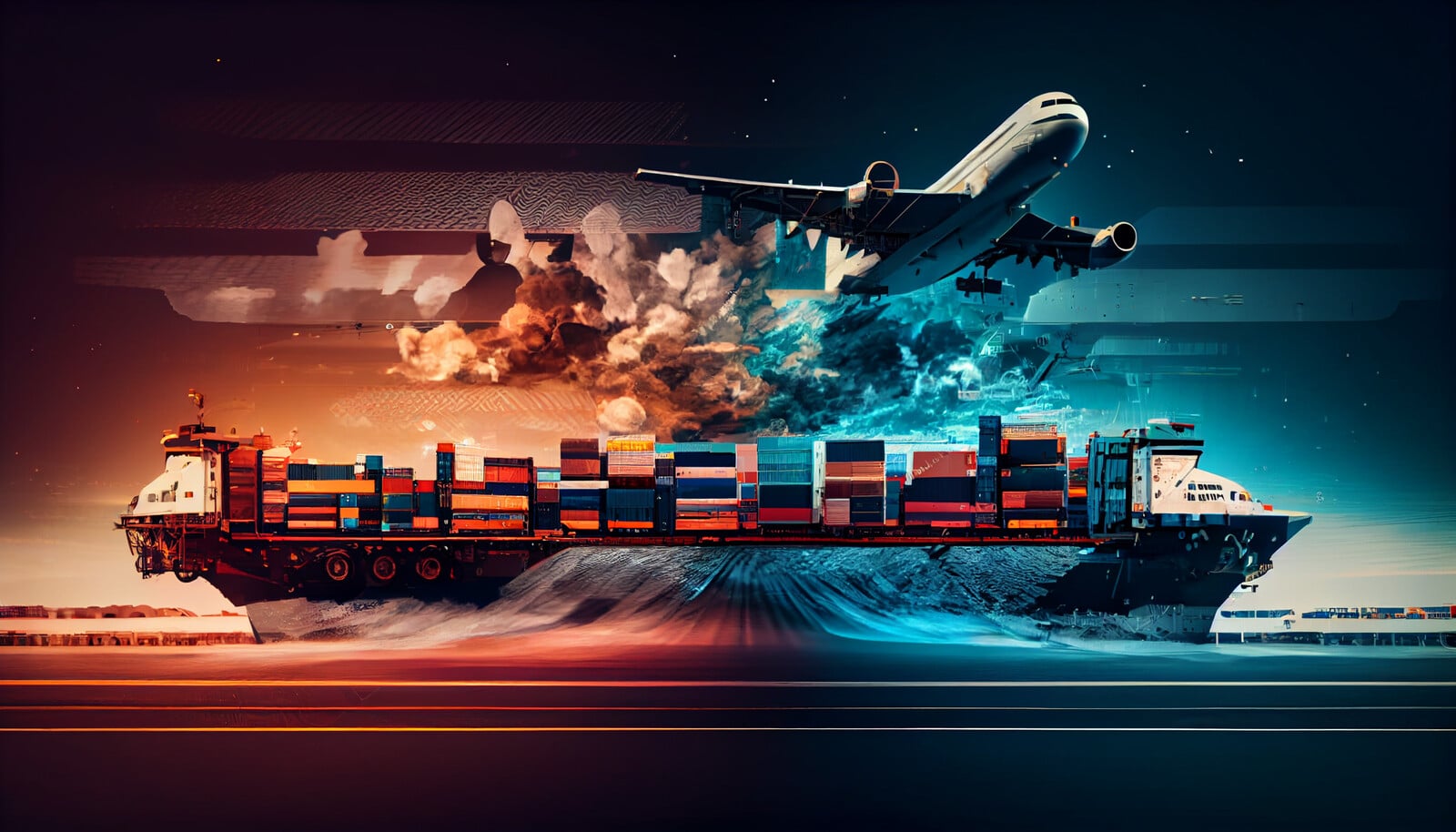
Global trade imbalances often lead to a severe lack of high-cube containers at major Chinese export hubs. Consequently, medical equipment manufacturers in cities like Shanghai and Shenzhen struggle to secure the 40HQ units they require for bulky diagnostic machinery. This scarcity stems from port congestion, delayed vessel schedules, and the slow return of empty containers from inland US locations like Chicago.
Furthermore, seasonal demand spikes and geopolitical shifts frequently disrupt the steady flow of equipment back to Asia. Therefore, businesses must anticipate these fluctuations to avoid prolonged delays in their delivery schedule. Understanding these underlying logistics trends allows importers to implement more resilient procurement strategies before the shortage impacts their bottom line.
How Does FCL Compare to Other Shipping Options?
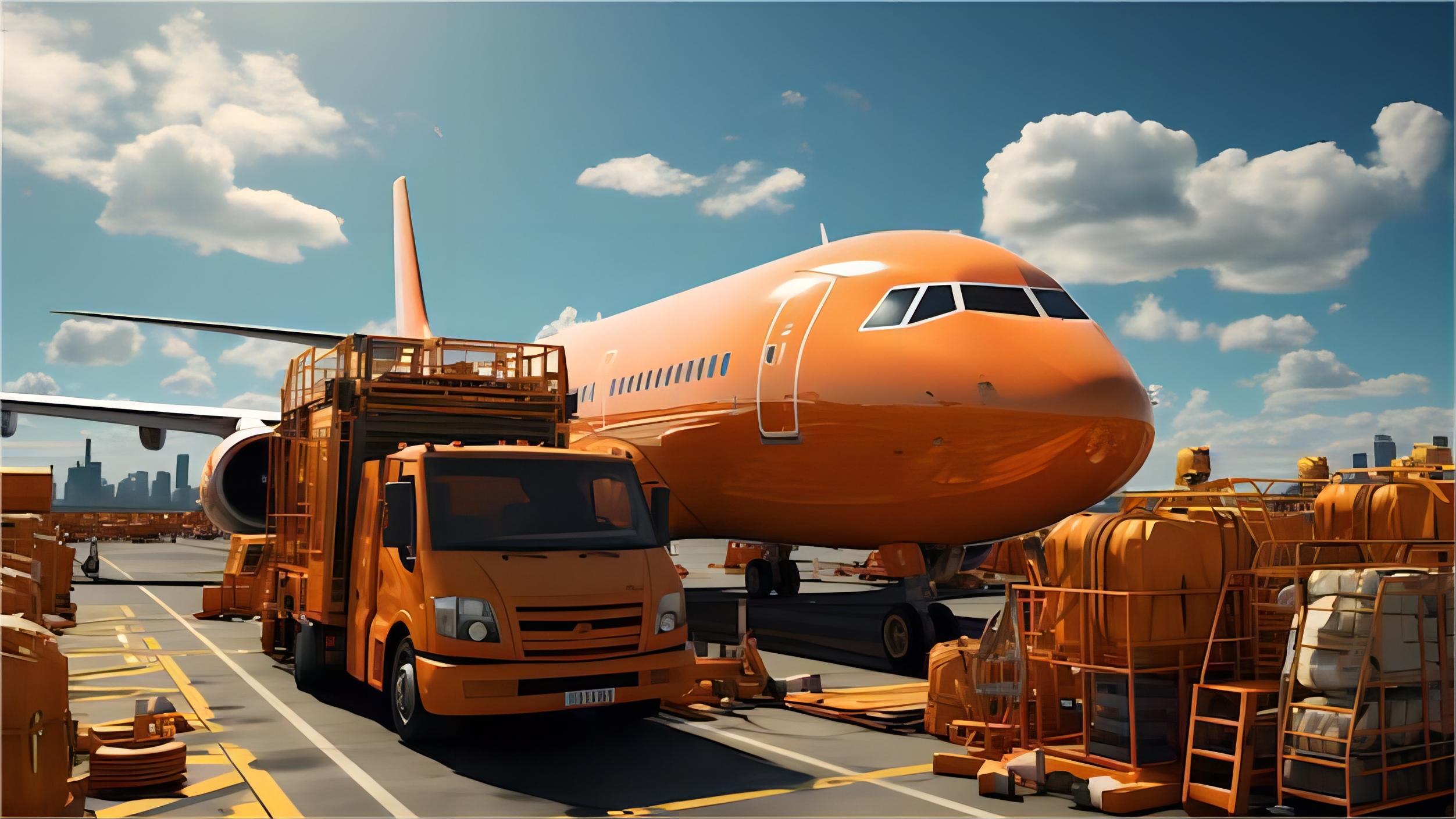
Evaluating the efficiency of sea freight involves comparing different container sizes and shipping modes. While the 40HQ container offers the best volume-to-cost ratio for medical devices, it is also the most frequently unavailable unit. Consequently, shippers must weigh the benefits of waiting for a 40HQ against the speed of alternative methods.
Moreover, direct sea routes to the US West Coast combined with rail transit to Chicago offer a balance of cost and speed. However, during peak shortage periods, the transit time for these intermodal routes can increase significantly due to rail ramp congestion. Therefore, an objective analysis of all viable alternatives is necessary for critical medical shipments.
| Shipping Method | Cost Range | Transit Time | Best For |
|---|---|---|---|
| 40HQ FCL | $4,500 – $6,500 | 30 – 40 Days | High volume medical goods |
| LCL Shipping | $80 – $150 per CBM | 35 – 45 Days | Small medical components |
| Air Freight | $8 – $12 per KG | 5 – 8 Days | Urgent medical supplies |
| Sea-Air Hybrid | $4 – $6 per KG | 15 – 20 Days | Time-sensitive cargo |

Why Is Medical Equipment Logistics Unique?
Shipping medical devices requires specialized cargo handling and strict adherence to environmental controls. Additionally, most diagnostic equipment is sensitive to vibrations and temperature changes during long-haul ocean voyages. Consequently, selecting the right container type is not just about space but also about protecting high-value assets.
Furthermore, the regulatory requirements for medical imports into the United States are exceptionally stringent. Indeed, any delay in the supply chain can lead to compliance issues or the expiration of time-sensitive components. Therefore, a robust 40HQ FCL container shortage solution for medical equipment from China to Chicago must prioritize both safety and regulatory speed.
Can LCL Be a Viable Alternative During Shortages?
Utilizing door to door LCL services can bypass the need for a full 40HQ container entirely. Specifically, less-than-container load shipping allows multiple importers to share space within a single unit, which is often easier to source than empty FCL equipment. This strategy ensures that smaller batches of medical supplies continue to move even when full containers are unavailable.
Notably, LCL shipping might involve more frequent handling, which increases the risk of damage for sensitive equipment. However, professional packing and crating can mitigate these risks effectively while maintaining a consistent delivery schedule. Consequently, many Chicago-based distributors are now using LCL as a strategic buffer against FCL equipment shortages.
Should You Consider Air Freight for Urgent Supplies?
When the container shortage becomes critical, switching to air freight is the fastest way to maintain stock levels. Although the freight rates are significantly higher, the reduction in transit time from weeks to days is invaluable for life-saving medical equipment. This method is particularly suitable for high-value electronics or urgent PPE shipments that cannot wait for ocean vessel availability.
Moreover, air transport reduces the total landed cost in scenarios where a factory shutdown or stockout would result in massive financial penalties. Therefore, maintaining a hybrid logistics model that includes air options provides a necessary safety net. Indeed, the ability to pivot between modes is a hallmark of a resilient supply chain.
What Are the Best Port Options for Chicago Delivery?
Routing shipments through North America involves choosing between West Coast ports and East Coast gateways. Specifically, shipping from Shanghai to the Port of Prince Rupert or Los Angeles, followed by rail to Chicago, is the most common route. However, during periods of high congestion, routing via the Port of New York or Savannah can sometimes offer better container availability.
Additionally, the choice of port significantly impacts the final drayage costs and transit time to the Chicago warehouse. Consequently, shippers should remain flexible and monitor port performance metrics regularly. By diversifying entry points, importers can avoid regional bottlenecks that exacerbate the 40HQ FCL container shortage solution for medical equipment from China to Chicago.
How to Navigate Customs Brokerage for Medical Goods?
Expert customs brokerage is essential for clearing complex medical devices through US Customs and Border Protection. Furthermore, the Food and Drug Administration (FDA) requires detailed documentation for all medical imports, including device listings and registration numbers. Consequently, any error in paperwork can lead to costly seizures or storage fees at the Chicago rail ramp.
Additionally, a professional broker can help identify cost-saving opportunities through proper HTS classification and duty drawback programs. Therefore, integrating customs expertise into your shipping strategy ensures that your cargo moves through the port without unnecessary administrative delays. Indeed, fast clearance is just as important as the physical transport of the goods.
| Document Type | Purpose | Required For | Source |
|---|---|---|---|
| Commercial Invoice | Valuation and Duties | All Shipments | Exporter |
| FDA 2891 Form | Device Registration | Medical Equipment | Importer |
| Bill of Lading | Title and Transport | All Ocean Freight | Carrier |
| Packing List | Cargo Verification | Customs Inspection | Exporter |
Case Study 1: Resolving Shortages for MRI Components
Case Study 1: Rapid Equipment Sourcing for MRI Scanners. Route: Shanghai, China to Chicago, USA. Cargo: MRI Components, 28 CBM, 6500 kg. Container: 40HQ. Shipping Details: Carrier: COSCO. Port of Loading: Shanghai. Port of Discharge: Los Angeles. Route Type: Intermodal via Rail to Chicago.
Cost Breakdown: Ocean Freight: $5,200. Origin Charges: $450. Destination Charges: $850. Customs and Duties: $1,200. Total Landed Cost: $7,700. Timeline: Booking to Loading: 5 days. Sea Transit: 16 days. Customs Clearance: 3 days. Total Door-to-Door: 32 days. Key Insight: Early booking and flexible port selection allowed the shipper to secure a 40HQ unit despite a 15 percent market deficit. Rates based on Q4 2024 market data.
Case Study 2: LCL Strategy for Surgical Instruments
Case Study 2: Overcoming 40HQ Scarcity via LCL. Route: Ningbo, China to Chicago, USA. Cargo: Surgical Kits, 12 CBM, 3200 kg. Container: LCL. Shipping Details: Carrier: Major Carrier. Port of Loading: Ningbo. Port of Discharge: New York. Route Type: Direct Sea to East Coast then Trucking.
Cost Breakdown: Ocean Freight: $1,440. Origin Charges: $300. Destination Charges: $600. Customs and Duties: $900. Total Landed Cost: $3,240. Timeline: Booking to Loading: 3 days. Sea Transit: 28 days. Customs Clearance: 4 days. Total Door-to-Door: 45 days. Key Insight: Choosing LCL saved the importer 14 days of waiting for a full 40HQ container to become available. Typical rates as of early 2025.
Which Option Should You Choose?
Determining the best logistics path depends on your specific budget, timeline, and cargo volume. Specifically, if your budget is the priority and your volume exceeds 25 CBM, waiting for a 40HQ FCL container is generally the most economical choice. However, if speed is the priority for urgent medical needs, air freight is the only reliable solution despite the higher cost.
Additionally, cargo type considerations play a major role in the decision-making process. For instance, fragile diagnostic equipment may require the stability of a dedicated FCL container rather than the multiple handling points of LCL. Therefore, we recommend a thorough consultation with a logistics expert to weigh these trade-offs against current market availability. Note: Freight rates are subject to change based on fuel costs, carrier capacity, and seasonal demand.
Summary of Logistics Strategies
Navigating the complexities of international trade requires a proactive approach to equipment management. To summarize, the 40HQ FCL container shortage solution for medical equipment from China to Chicago involves a combination of early booking, mode flexibility, and expert customs handling. By diversifying your shipping routes and considering LCL or air alternatives, you can maintain a steady flow of essential healthcare products.
Moreover, partnering with an experienced freight forwarder provides the market intelligence needed to anticipate shortages before they disrupt your operations. Consequently, staying informed about logistics trends and maintaining a flexible supply chain are the best defenses against market volatility. Focus on long-term partnerships to ensure consistent container access and reliable transit times for your medical cargo.

Ready to streamline your logistics?
Ensure your medical supplies reach Chicago without delay by securing a reliable 40HQ FCL container shortage solution for medical equipment from China to Chicago today. Contact our expert team at Top China Forwarder for a customized quote and priority equipment access. Send Inquiry Visit https://topchinaforwarder.com
Request Quote