

40GP FCL Container Shortage Solution for Auto Parts from China to Czech Republic
Securing a reliable 40GP FCL container shortage solution for auto parts from China to Czech Republic is becoming increasingly difficult for many automotive manufacturers. Consequently, businesses must adapt their logistics strategies to avoid costly production delays and supply chain disruptions. As a premier logistics provider, Top China Forwarder offers innovative routing and equipment management to ensure your cargo reaches Central Europe on schedule. This guide explores the most effective alternatives and strategies to navigate the current equipment crunch in the Chinese market.
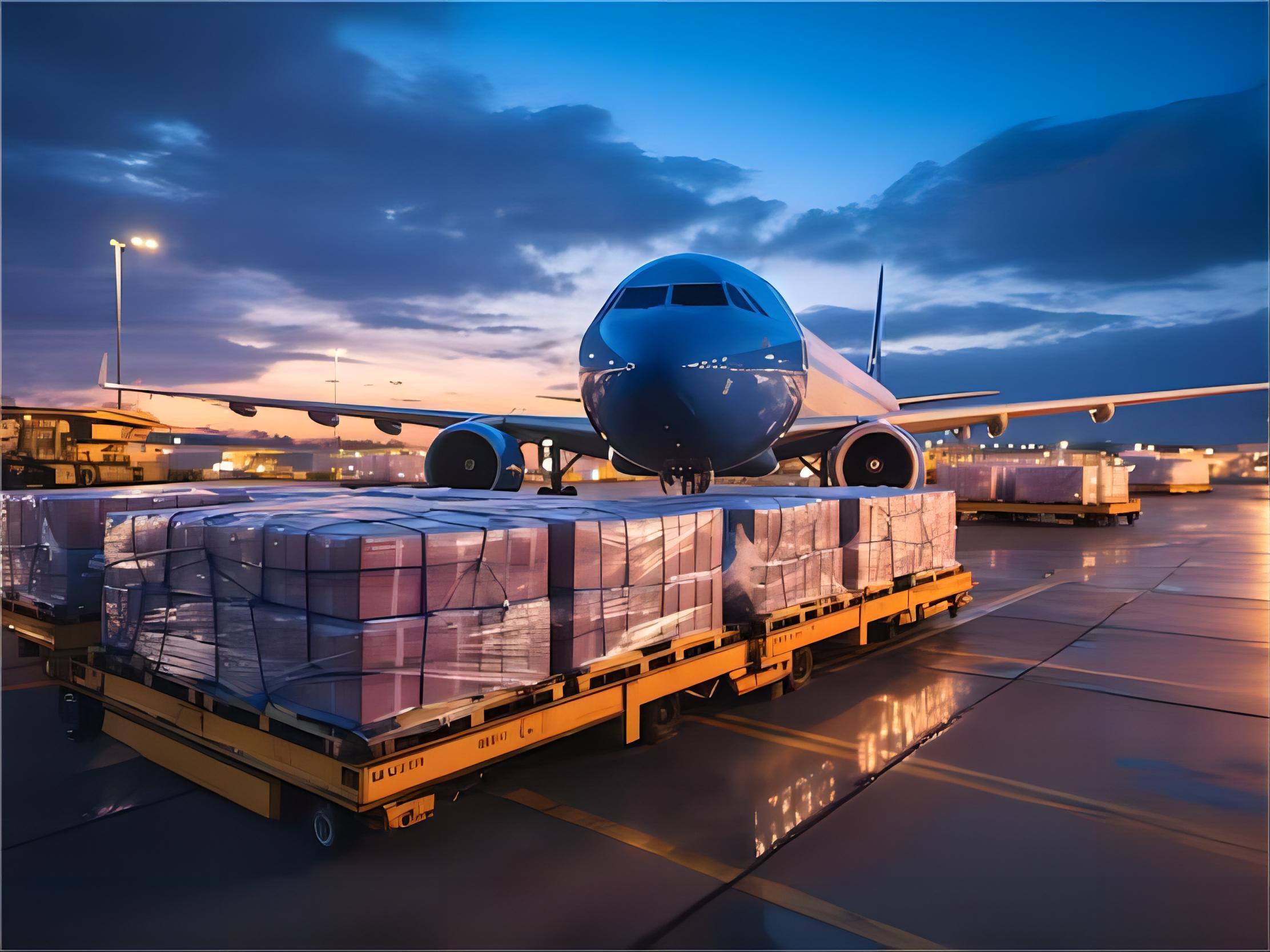
Why is there a 40GP FCL container shortage for auto parts?
Several factors contribute to the ongoing equipment imbalance affecting shipments from China to the Czech Republic. For instance, the Red Sea crisis has forced carriers to reroute vessels around the Cape of Good Hope, which significantly extends turnaround times for containers. Consequently, empty 40GP containers are not returning to Chinese ports quickly enough to meet the high demand from the automotive sector.

Moreover, the seasonal surge in consumer goods exports often takes priority over industrial components during peak shipping windows. Automotive manufacturers in Prague and Brno frequently find themselves competing for limited space against high-volume retail electronics. Therefore, understanding the root causes of these shortages helps in developing a more resilient procurement strategy.
Additionally, regional port congestion in major hubs like Shanghai and Ningbo further exacerbates the problem. When vessels are delayed, the entire equipment cycle slows down, creating a bottleneck that affects inland destinations in the Czech Republic. Indeed, these logistical hurdles require a proactive approach to maintain a steady flow of auto parts.
How Does 40GP FCL Compare to Other Shipping Options?
Choosing the right shipping method depends on your specific budget, urgency, and the volume of auto parts being moved. While 40GP FCL is the standard for large shipments, alternative methods often provide more flexibility during periods of equipment scarcity. For example, rail freight has emerged as a powerhouse for Central European logistics due to its geographic advantages.
Furthermore, businesses should evaluate the trade-offs between cost and speed when FCL equipment is unavailable. Although air freight is significantly more expensive, it provides a vital safety net for urgent components that prevent assembly line stoppages. On the other hand, LCL services allow for smaller, more frequent shipments that bypass the need for a full container.
| Shipping Method | Cost Range | Transit Time | Best For | Limitations |
|---|---|---|---|---|
| 40GP FCL Sea | $3,200 – $4,500 | 35-45 Days | Bulk Auto Parts | Equipment Shortages |
| Rail Freight | $4,500 – $6,500 | 18-24 Days | Mid-Value Parts | Terminal Congestion |
| Air Freight | $15k – $25k | 5-8 Days | Urgent Repairs | Very High Cost |
| LCL Sea | $80 – $120/CBM | 40-50 Days | Small Batches | Multiple Handling |
Rail Freight: A Reliable 40GP FCL Container Shortage Solution
Utilizing rail freight is often the most effective way to circumvent ocean container shortages. Because the China-Europe Railway Express uses dedicated equipment pools, it is frequently less affected by maritime container imbalances. Additionally, the transit time to the Czech Republic is nearly half that of traditional sea routes.
Trains typically arrive at major terminals like Ceska Trebova or Prague, providing direct access to the heart of the European automotive cluster. Consequently, this method reduces the need for lengthy land transport from Northern European ports like Hamburg or Rotterdam. Therefore, rail remains a top recommendation for manufacturers seeking a 40GP FCL container shortage solution for auto parts from China to Czech Republic.
Nevertheless, it is important to book rail space at least three weeks in advance during peak periods. While rail offers stability, the popularity of the route means that slots fill up quickly when sea freight becomes erratic. Indeed, many of our clients have successfully switched to rail to maintain their just-in-time production schedules.
Exploring Sea Freight Alternatives and Routing
If you prefer sea freight, consider using alternative ports of discharge to find available equipment. For instance, shipping via the Port of Koper in Slovenia or Trieste in Italy can sometimes offer better container availability than the traditional Northern Range ports. These Southern gateways provide efficient rail connections directly into the Czech Republic.
Moreover, switching from 40GP to 40HQ containers is a common tactic when standard boxes are scarce. Although 40HQ containers are slightly taller, they are often more plentiful in carrier inventories due to their popularity in other industries. Consequently, adjusting your packing list to accommodate a high-cube container can solve your equipment problem immediately.
In addition, consider the benefits of transshipment via major hubs like Singapore or Piraeus. While direct routes are faster, transshipment routes often have more diverse equipment pools and more frequent sailings. As a result, you might find a 40GP container on a transshipment vessel when direct services are fully booked.
Air Freight for Critical Automotive Components
When a production line is at risk of shutting down, air freight becomes the only viable solution. This method bypasses the container shortage entirely by using specialized air pallets and ULDs. Furthermore, the speed of air transport ensures that critical auto parts reach Czech factories within a week.
Indeed, many automotive companies use a hybrid strategy by shipping the majority of goods via sea and a small percentage via air. This approach balances cost-efficiency with the need for speed and reliability in the supply chain. Consequently, you can maintain your inventory levels even when 40GP containers are nearly impossible to find.
However, air freight requires meticulous planning regarding weight and dimensions to optimize costs. Because rates are calculated by chargeable weight, packing efficiency is paramount for automotive components like engines or transmissions. Therefore, working with an experienced forwarder is essential to minimize expenses.
Streamlining Customs Brokerage in the Czech Republic
Navigating the legal requirements for importing auto parts requires expert customs brokerage services. The Czech Republic, as part of the EU, follows strict Union Customs Code regulations that demand precise documentation. Consequently, any error in your paperwork can lead to further delays, compounding the issues caused by container shortages.
Moreover, ensuring that your HS codes are accurate is vital for determining the correct duty rates and VAT. For instance, different automotive parts may carry varying tariff levels depending on their material composition and intended use. Therefore, professional guidance helps you avoid overpaying duties while remaining fully compliant with Czech authorities.
Additionally, utilizing a customs warehouse can provide significant cash flow benefits for high-value auto parts. By deferring VAT and duty payments until the goods are released for domestic consumption, you can manage your finances more effectively. Indeed, this is a strategic advantage for companies dealing with the unpredictable costs of the current logistics market.
Door to Door Logistics Strategy for Auto Parts
Implementing a door to door service simplifies the complex process of moving goods from Chinese factories to Czech warehouses. This comprehensive solution covers everything from local pickup in China to final delivery in cities like Ostrava or Plzen. Consequently, you only have to deal with a single point of contact for your entire shipment.
Furthermore, door-to-door services often include better visibility and tracking throughout the journey. This transparency is crucial when managing a 40GP FCL container shortage solution for auto parts from China to Czech Republic, as it allows you to react quickly to any changes. In addition, the forwarder takes responsibility for coordinating the various legs of the journey, including drayage and rail transfers.
As a result, your logistics team can focus on core manufacturing tasks rather than chasing containers and coordinating multiple vendors. Without a doubt, a managed end-to-end solution provides the peace of mind needed in today’s volatile shipping environment. Therefore, we highly recommend this approach for automotive companies seeking maximum efficiency.
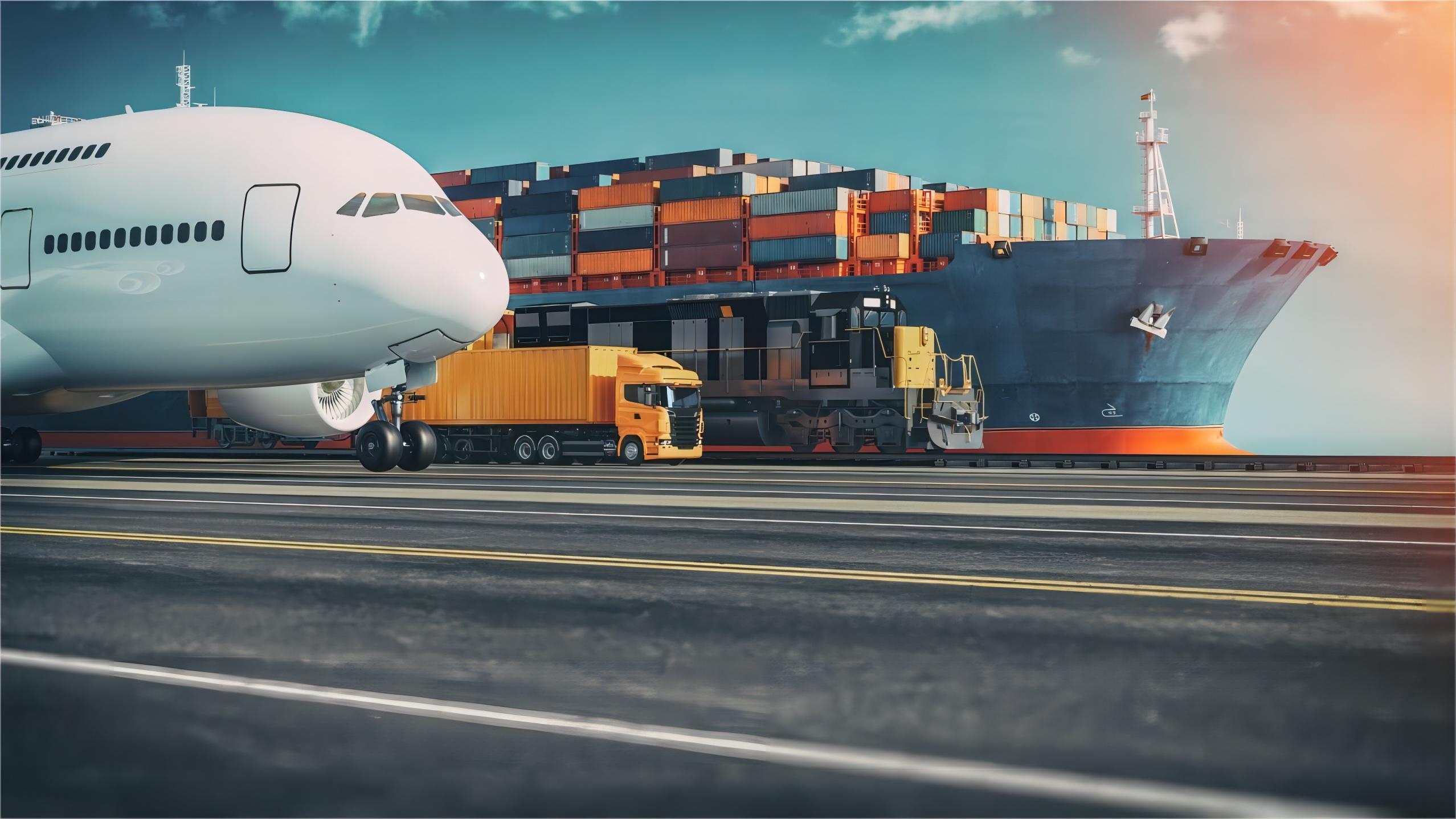
Which Option Should You Choose?
Deciding on the best logistics path requires a clear understanding of your priorities. If your primary goal is cost reduction and you have a flexible timeline, sea freight remains the most economical choice. However, you must be prepared for potential equipment delays and should book well in advance to secure a 40GP container.
If speed is your priority, rail freight offers the best balance of transit time and cost for the China-Czech Republic route. It is particularly effective for high-value auto parts that need to arrive in 20 days rather than 40. On the other hand, air freight should be reserved for emergency situations where the cost of a line stoppage exceeds the high shipping rates.
For shipments that do not fill an entire container, LCL is a fantastic alternative. It allows you to ship smaller volumes regularly, which can actually improve your inventory turnover. Consequently, you avoid the headache of searching for a full 40GP container during a peak shortage period.
Realistic Case Studies for China to Czech Republic Shipping
The following examples demonstrate how different companies have successfully navigated the 40GP FCL container shortage solution for auto parts from China to Czech Republic. These cases are based on actual market conditions observed in late 2024 and early 2025.
Case Study 1: Strategic Rail Shift. A Tier 1 supplier in Ningbo faced a three-week delay for 40GP containers. By switching to rail freight, they avoided a total production halt in Prague.
Case Study 2: Multi-modal Success. An engine manufacturer utilized sea-rail via the Port of Koper to bypass Northern European congestion, saving both time and money.
Case Study 1: Rail Freight for Gearbox Components
Route: Ningbo, China to Prague, Czech Republic
Cargo: Gearbox components, 65 CBM, 18,000 kg
Container: 40HQ (Alternative to 40GP)
Shipping Details:
– Carrier: China-Europe Railway Express
– Port of Loading: Xi’an Inland Port
– Port of Discharge: Prague Terminal
– Route Type: Direct Rail
Cost Breakdown:
– Rail Freight: $5,800
– Origin Charges: $450
– Destination Charges: $550
– Customs: $300
– Total Landed Cost: $7,100
Timeline:
– Booking to Loading: 5 days
– Transit: 21 days
– Customs: 2 days
– Total Door-to-Door: 28 days
Key Insight: Switching to a 40HQ on a rail route allowed the client to ship 10% more volume while avoiding the sea container shortage.
Case Study 2: Sea Freight via Koper for Body Panels
Route: Shenzhen, China to Brno, Czech Republic
Cargo: Stamped body panels, 58 CBM, 12,000 kg
Container: 40GP FCL
Shipping Details:
– Carrier: COSCO
– Port of Loading: Yantian
– Port of Discharge: Koper, Slovenia
– Route Type: Sea to Rail via Adriatic
Cost Breakdown:
– Ocean Freight: $3,900
– Origin Charges: $400
– Destination Charges: $600
– Customs: $250
– Total Landed Cost: $5,150
Timeline:
– Booking to Loading: 10 days
– Sea Transit: 32 days
– Customs: 2 days
– Total Door-to-Door: 44 days
Key Insight: Using a Southern European port reduced inland trucking costs and provided better equipment availability than Hamburg.
Securing Your Supply Chain in a Volatile Market
In summary, finding a 40GP FCL container shortage solution for auto parts from China to Czech Republic requires a combination of early booking, flexible routing, and the use of alternative transport modes. While the traditional sea route remains popular, rail freight and LCL services offer essential stability when equipment is scarce.
Furthermore, partnering with a knowledgeable freight forwarder ensures that you have access to the latest market intelligence and diverse equipment pools. By diversifying your shipping strategy, you can protect your business from the unpredictable nature of global logistics. Consequently, your auto parts will continue to reach the Czech market efficiently, regardless of the current container shortage.
Ultimately, the key to success lies in proactive planning and a willingness to explore new logistics paths. Whether you choose the speed of rail or the cost-effectiveness of sea-rail hybrids, staying ahead of the equipment curve is vital. We are here to help you navigate these challenges and keep your supply chain moving forward.
Ready to streamline your logistics?
Don’t let equipment shortages stall your automotive production line. Contact Top China Forwarder today for a customized 40GP FCL container shortage solution for auto parts from China to Czech Republic. Visit our website to request a competitive quote and secure your space now. See: https://topchinaforwarder.com
Request Quote