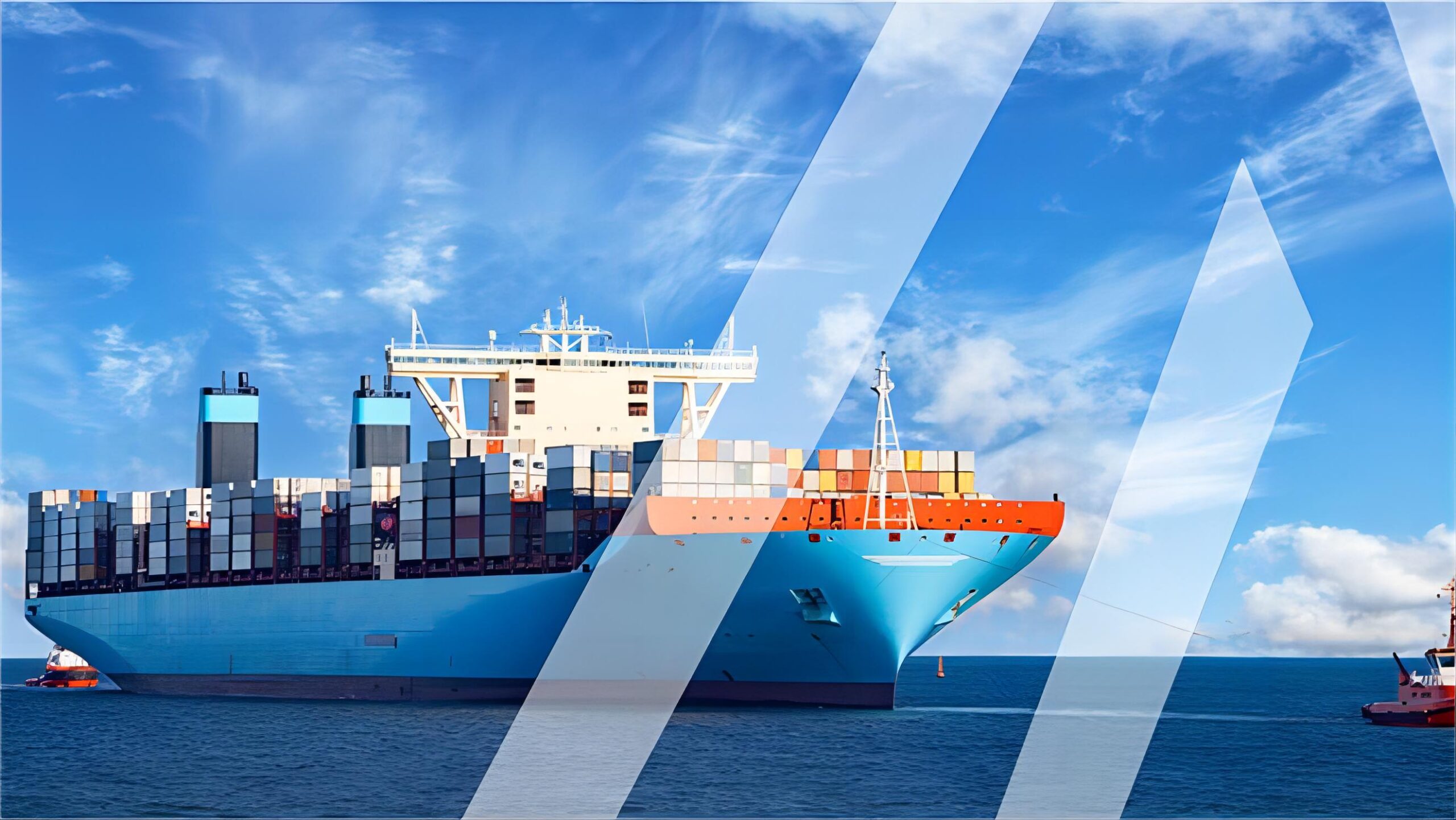
40GP FCL Booking Process for Medical Equipment from China to Long Beach
Navigating the 40GP FCL booking process for medical equipment from China to Long Beach requires meticulous planning to ensure regulatory compliance and timely delivery. Top China Forwarder provides specialized logistics solutions to manage these complex international shipments effectively. Consequently, healthcare providers and distributors can maintain stable supply chains while minimizing the risks associated with transpacific ocean freight.

Understanding the 40GP FCL Booking Process for Medical Equipment from China to Long Beach
Managing a successful 40GP FCL booking process for medical equipment from China to Long Beach involves several critical stages, starting with the initial space reservation. Shippers must prioritize selecting a carrier that understands the sensitive nature of healthcare cargo. Moreover, utilizing sea freight remains the most cost-effective method for transporting large volumes of diagnostic machines or hospital furniture across the Pacific.
Choosing the right equipment is equally vital because a standard 40GP container provides approximately 67 cubic meters of space. This volume allows for efficient palletization of medical devices while ensuring enough room for protective dunnage. Furthermore, the booking must specify the cargo type to ensure the carrier allocates appropriate vessel space away from heat sources or hazardous materials.
Reliability in the delivery schedule becomes the primary concern for most medical importers during the booking phase. Therefore, our team coordinates closely with major steamship lines to secure departures from key hubs like Shanghai, Ningbo, or Shenzhen. Indeed, a well-managed booking acts as the foundation for the entire transpacific logistics journey.
Essential Documentation for Medical Cargo Imports
Proper documentation serves as the gatekeeper for all medical shipments entering the United States through the Port of Long Beach. Shippers must prepare a comprehensive set of papers including the Commercial Invoice, Packing List, and Bill of Lading. Additionally, customs brokerage experts must verify that all FDA registration numbers and device listings are accurate before the vessel departs China.
Regulatory compliance remains a non-negotiable aspect of the 40GP FCL booking process for medical equipment from China to Long Beach. Specifically, the Importer of Record must ensure that the manufacturer is registered with the FDA and that the specific products have the necessary 510(k) clearances. Without a doubt, missing or incorrect paperwork can lead to expensive storage fees and intensive examinations by Customs and Border Protection.
Documentation accuracy also impacts the calculation of duties and taxes under the Harmonized Tariff Schedule. For instance, classifying a digital X-ray machine incorrectly can result in significant overpayments or legal penalties. Consequently, we recommend a thorough pre-shipment audit of all technical specifications and certificates of origin.
How Does 40GP FCL Compare to Other Shipping Options?
Evaluating different transport modes is essential for optimizing your medical device supply chain. While 40GP FCL offers the best balance of volume and cost, other methods might suit urgent or smaller shipments. For example, air freight provides unmatched speed for high-value surgical instruments that require immediate delivery.
In contrast, sea freight remains the preferred choice for bulkier items like hospital beds or large imaging systems. Meanwhile, LCL (Less than Container Load) serves as a viable alternative when the total volume does not justify a full 40-foot container. However, FCL provides better security and reduces cargo handling, which is critical for fragile medical instruments.
To summarize the differences, we have compiled a comparison of the most common shipping methods used for this specific route.
| Shipping Method | Cost Range (USD) | Transit Time | Best For |
|---|---|---|---|
| 40GP FCL Sea | $2,500 – $3,800 | 14-18 Days | Bulk medical supplies |
| 40HQ FCL Sea | $2,800 – $4,200 | 14-18 Days | High-volume lightweight goods |
| LCL Sea Freight | $50 – $120/CBM | 20-25 Days | Small equipment batches |
| Air Freight | $5.00 – $9.00/kg | 3-7 Days | Urgent medical devices |

Step-by-Step Guide to Booking Your Container
Initiating the booking process begins with a detailed quote request that includes the dimensions, weight, and value of the medical equipment. Once the rate is confirmed, the shipper receives a Booking Confirmation (S/O) which outlines the vessel name and cut-off dates. Moreover, coordinating door to door logistics ensures that the equipment is picked up from the factory and delivered directly to the final destination in California.
Container loading requires specialized attention to prevent damage during the ocean transit across the Pacific. Specifically, medical equipment should be braced and cushioned within the 40GP container to withstand the motions of the ship. Furthermore, the container must be sealed with a high-security bolt seal to maintain the integrity of the medical supply chain.
Tracking the shipment becomes the next priority after the vessel leaves the Chinese port. Shippers can use the container number or Bill of Lading to monitor the progress of the vessel in real-time. Accordingly, this visibility allows for better planning of warehouse labor and inland transportation at the Port of Long Beach.
Real-World Case Studies for Medical Shipments
Analyzing real-world scenarios helps importers understand the practical challenges and costs associated with the 40GP FCL booking process for medical equipment from China to Long Beach. These examples reflect actual market conditions observed in late 2024 and early 2025. Indeed, these cases illustrate how professional management can streamline even the most complex medical logistics.
+———————————————————+ | Case Study 1: Diagnostic Imaging Equipment | | Route: Shanghai, China to Long Beach, USA | | Cargo: 12 MRI Components, 58 CBM, 14,000 kg | | Container: 40GP FCL | | | | Shipping Details: | | – Carrier: COSCO Shipping | | – Port of Loading: Shanghai Port | | – Port of Discharge: Long Beach Terminal | | – Route Type: Direct Service | | | | Cost Breakdown: | | – Ocean Freight: $3,150 | | – Origin Charges: $450 | | – Destination Charges: $620 | | – Customs & Duties: $4,200 (Estimated) | | – Total Landed Cost: $8,420 | | | | Timeline: | | – Booking to Loading: 4 days | | – Sea Transit: 15 days | | – Customs Clearance: 2 days | | – Total Door-to-Door: 24 days | | | | Key Insight: Early FDA documentation filing prevented | | any delays during the customs clearance phase. | +———————————————————+
+———————————————————+ | Case Study 2: Hospital Furniture and Beds | | Route: Ningbo, China to Long Beach, USA | | Cargo: 140 Adjustable Beds, 65 CBM, 9,500 kg | | Container: 40GP FCL | | | | Shipping Details: | | – Carrier: Maersk Line | | – Port of Loading: Ningbo-Zhoushan | | – Port of Discharge: Port of Long Beach | | – Route Type: Direct Service | | | | Cost Breakdown: | | – Ocean Freight: $2,900 | | – Origin Charges: $380 | | – Destination Charges: $550 | | – Customs & Duties: $1,800 (Estimated) | | – Total Landed Cost: $5,630 | | | | Timeline: | | – Booking to Loading: 5 days | | – Sea Transit: 16 days | | – Customs Clearance: 3 days | | – Total Door-to-Door: 28 days | | | | Key Insight: Using a 40GP instead of LCL saved the | | importer over $1,200 in total shipping costs. | +———————————————————+

Cost Analysis and Market Intelligence for 2025
Market data suggests that freight rates for the 40GP FCL booking process for medical equipment from China to Long Beach have stabilized in early 2025. However, shippers should remain aware of seasonal fluctuations that typically occur during the pre-Lunar New Year rush. Additionally, shipping to North America involves fluctuating fuel surcharges that can impact the final invoice.
Budgeting for medical logistics requires a comprehensive understanding of both fixed and variable costs. For instance, ocean freight rates usually comprise the largest portion of the expense, but terminal handling charges and chassis fees also contribute significantly. Furthermore, specialized cargo handling for fragile medical devices may incur additional packaging costs at the point of origin.
Note: Freight rates are subject to change based on fuel costs, carrier capacity, and seasonal demand. Contact us for a current quote tailored to your specific shipment.
Which Option Should You Choose?
Selecting the ideal shipping strategy depends on your specific business priorities and cargo characteristics. If budget is your primary concern, 40GP FCL sea freight offers the lowest cost per cubic meter for large shipments. On the other hand, speed-sensitive medical supplies like vaccines or emergency repair parts should always move via air freight despite the higher cost.
Cargo type also plays a significant role in the decision-making process. For example, heavy diagnostic equipment is best suited for 40GP containers due to weight distribution requirements. Conversely, high-volume, lightweight items like surgical masks might benefit from a 40HQ container to maximize vertical space utilization.
Volume thresholds often dictate when to switch from LCL to FCL. Generally, if your medical cargo exceeds 15 cubic meters, booking a full 40GP container becomes more economical and provides better protection for your goods. Nevertheless, always consult with a professional forwarder to analyze the most recent market trends and vessel availability.
Final Thoughts on Medical Equipment Logistics
Successfully navigating the 40GP FCL booking process for medical equipment from China to Long Beach requires a blend of regulatory knowledge and logistical expertise. By understanding the documentation requirements and choosing the right shipping method, importers can significantly reduce their landed costs and transit times. Moreover, maintaining a transparent supply chain ensures that critical medical devices reach the healthcare facilities that need them most.
Ultimately, the complexity of transpacific shipping demands a reliable partner who can manage every detail from the factory floor to the hospital door. Whether you are shipping MRI machines or basic hospital supplies, a well-executed booking process is the key to long-term success in the medical industry.
Ready to streamline your logistics?
Streamline your 40GP FCL booking process for medical equipment from China to Long Beach today by partnering with our logistics experts. Contact us now to receive a customized quote and ensure your sensitive medical cargo arrives safely and on time. Visit: https://topchinaforwarder.com/contact-us/
Request Quote