

40GP FCL Best Route for Textiles from China to Europe: 2025 Guide
Shipping large volumes of fabric and garments requires a strategic approach to logistics and cost management. Finding the 40GP FCL best route for textiles from China to Europe is essential for businesses looking to maintain high margins in a competitive market. Visit Top China Forwarder to explore comprehensive logistics solutions tailored for your textile import needs today.
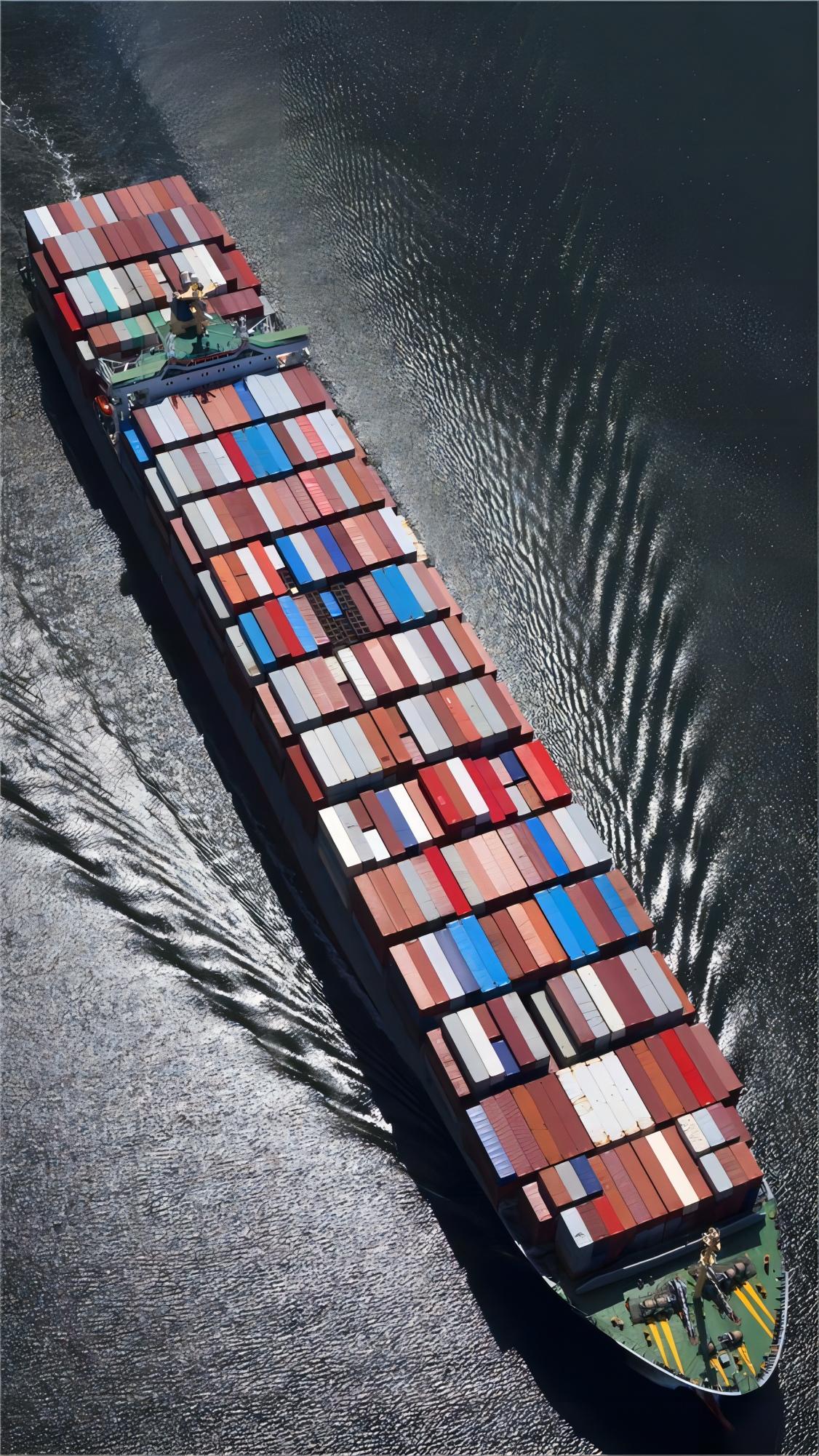
Identifying the 40GP FCL Best Route for Textiles from China to Europe
Textile manufacturers often prefer the 40GP container because it offers a significant volume capacity for lightweight but bulky goods. Consequently, choosing the right path across the ocean or land can drastically impact your landing costs and inventory turnover.
Most shipments originate from major textile hubs like Zhejiang, Jiangsu, and Guangdong provinces before heading to European gateways. Therefore, evaluating the proximity of your factory to the Port of Loading is the first step in optimizing your supply chain.
Furthermore, the current global logistics landscape requires shippers to be flexible with their routing choices. Indeed, selecting a direct service over a transshipment route can save several days of transit time at a marginal cost increase.
How Does Sea Freight Compare to Other Shipping Options?
Sea freight remains the backbone of the textile trade due to its unparalleled capacity and cost-effectiveness for long-distance hauls. However, businesses must weigh the lower price point against the longer transit times associated with maritime transport.
While sea freight is the traditional choice, rail and air options serve different strategic needs depending on the urgency of the season. For instance, high-fashion items often require faster delivery schedules that ocean vessels cannot provide.
Additionally, the stability of sea freight rates has improved in early 2025 compared to the volatility seen in previous years. Nevertheless, seasonal demand shifts still influence the availability of 40GP containers during peak production months.
| Shipping Method | Cost Range (40GP) | Transit Time | Best For |
|---|---|---|---|
| Sea Freight | $2,800 – $3,800 | 30-40 Days | Bulk Textiles |
| Rail Freight | $4,500 – $6,500 | 18-22 Days | Mid-Season Restock |
| Air Freight | $15,000+ | 5-8 Days | Urgent Samples |
| Sea-Air Hybrid | $7,000 – $9,000 | 15-20 Days | Balanced Priority |

Why Rail Freight is an Alternative 40GP FCL Best Route for Textiles
The expansion of the China-Europe Railway Express has revolutionized how textile importers manage their lead times. Rail freight offers a middle ground between the speed of air and the economy of the sea.
Moreover, rail transport is less susceptible to the weather-related delays that frequently plague maritime routes during certain seasons. Accordingly, many fashion brands use rail to bridge the gap between their primary sea shipments and urgent market demands.
To summarize, rail provides a reliable schedule that helps in planning precise marketing campaigns and store launches across Europe. Without a doubt, this method has become a staple for modern supply chain managers.
Navigating Customs and Documentation for Textile Imports
Importing textiles into the European Union involves navigating complex regulations regarding material composition and origin. Consequently, hiring a professional customs brokerage service is vital to avoid costly delays at the border.
Documentation such as the Bill of Lading, Commercial Invoice, and Certificate of Origin must be meticulously prepared. For example, any discrepancy in the HS codes for different fabric types can result in significant fines or cargo seizures.
In addition, many importers find that door to door services simplify the entire process by handling both the international transit and the local customs clearance. This integrated approach reduces the administrative burden on your internal team.
Transit Times for the 40GP FCL Best Route for Textiles from China to Europe
Transit times vary significantly based on whether the vessel takes the Suez Canal or the route around the Cape of Good Hope. As a result, shippers must stay informed about geopolitical situations that might force carriers to alter their delivery schedules.
Direct routes from Shanghai to Rotterdam typically take around 32 to 35 days under normal operating conditions. Meanwhile, shipments from Southern China ports like Shenzhen might arrive slightly faster due to their geographic position.
Market data suggests that transit times have stabilized as of Q1 2025, though port congestion in Europe can still add 3-5 days to the total timeline. Therefore, always factor in a buffer period when planning your inventory arrivals.
Real-World Case Studies for Textile Shipping
Analyzing real-world scenarios helps in understanding the practical application of different shipping strategies. Below are two examples of how textile businesses optimized their routes for 40GP containers.
These cases reflect typical market conditions and pricing observed during the late 2024 and early 2025 period. Note: Freight rates are subject to change based on fuel costs, carrier capacity, and seasonal demand. Contact us for a current quote tailored to your specific shipment.

Case Study 1: Seasonal Apparel Launch
+———————————————————+
| Route: Ningbo, China to Hamburg, Germany |
| Cargo: Cotton T-shirts, 65 CBM, 12,000 kg |
| Container: 40GP FCL |
| |
| Shipping Details: |
| – Carrier/Service: Major Ocean Carrier |
| – Port of Loading: Ningbo |
| – Port of Discharge: Hamburg |
| – Route Type: Direct via Suez Canal |
| |
| Cost Breakdown: |
| – Ocean Freight: $3,150 |
| – Origin Charges: $450 |
| – Destination Charges: $600 |
| – Customs & Duties: $1,200 |
| – Total Landed Cost: $5,400 |
| |
| Timeline: |
| – Booking to Loading: 5 days |
| – Sea Transit: 34 days |
| – Customs Clearance: 2 days |
| – Total Door-to-Door: 41 days |
| |
| Key Insight: Early booking secured a fixed rate. |
+———————————————————+
Case Study 2: Fast-Fashion Restock
+———————————————————+
| Route: Xi’an, China to Warsaw, Poland |
| Cargo: Synthetic Blends, 60 CBM, 10,500 kg |
| Container: 40GP Rail FCL |
| |
| Shipping Details: |
| – Carrier/Service: China-Europe Rail Express |
| – Terminal of Loading: Xi’an |
| – Terminal of Discharge: Warsaw |
| – Route Type: Trans-Kazakhstan Route |
| |
| Cost Breakdown: |
| – Rail Freight: $5,200 |
| – Origin Charges: $300 |
| – Destination Charges: $400 |
| – Customs & Duties: $950 |
| – Total Landed Cost: $6,850 |
| |
| Timeline: |
| – Booking to Loading: 4 days |
| – Rail Transit: 19 days |
| – Customs Clearance: 1 day |
| – Total Door-to-Door: 24 days |
| |
| Key Insight: Rail saved 15 days vs sea freight. |
+———————————————————+
Which Option Should You Choose?
Selecting the ideal shipping method depends on your specific business priorities and the nature of your textile products. If your primary goal is cost minimization for basic, non-seasonal items, sea freight is undoubtedly the most suitable choice.
On the other hand, if you are dealing with trendy items that have a short market lifespan, the speed of rail freight justifies the higher expenditure. For instance, high-value silk or specialized technical fabrics often benefit from the reduced transit time of rail or air-sea hybrids.
Furthermore, consider the volume of your shipment before finalizing your decision. While we focus on the 40GP FCL best route for textiles from China to Europe, smaller batches might be better served by LCL services to avoid paying for unused container space.
Final Thoughts on Textile Shipping Routes
In conclusion, finding the 40GP FCL best route for textiles from China to Europe requires a careful balance of cost, speed, and reliability. By evaluating the benefits of sea and rail freight, and ensuring robust customs compliance, you can significantly enhance your logistics efficiency.
Moreover, staying informed about market trends and maintaining a flexible approach will allow you to adapt to any disruptions in the global supply chain. Indeed, the right freight forwarding partner can make all the difference in navigating these complex international routes successfully.
Ready to streamline your logistics?
Optimizing your 40GP FCL best route for textiles from China to Europe is the key to a successful import business. Contact our logistics experts today to receive a customized quote and streamline your textile supply chain. Send Inquiry: https://topchinaforwarder.com
Request Quote