

20GP FCL Freight Rate for Electronics from China to Savannah
Navigating the complexities of the 20GP FCL freight rate for electronics from China to Savannah requires a deep understanding of the current global logistics landscape. Many importers struggle with fluctuating prices and port congestion, which is why partnering with a reliable partner like Top China Forwarder is essential for business success. This guide provides a comprehensive breakdown of costs, transit times, and strategic advice for shipping your high-value electronic goods across the Pacific.
Understanding the 20GP FCL Freight Rate for Electronics from China to Savannah
Determining the exact 20GP FCL freight rate for electronics from China to Savannah involves analyzing several market variables. Currently, the logistics industry is seeing a stabilization of rates after the disruptions of previous years, though seasonal spikes remain a significant factor. For instance, shipping electronics during the pre-Lunar New Year rush can increase costs by 20 percent or more.
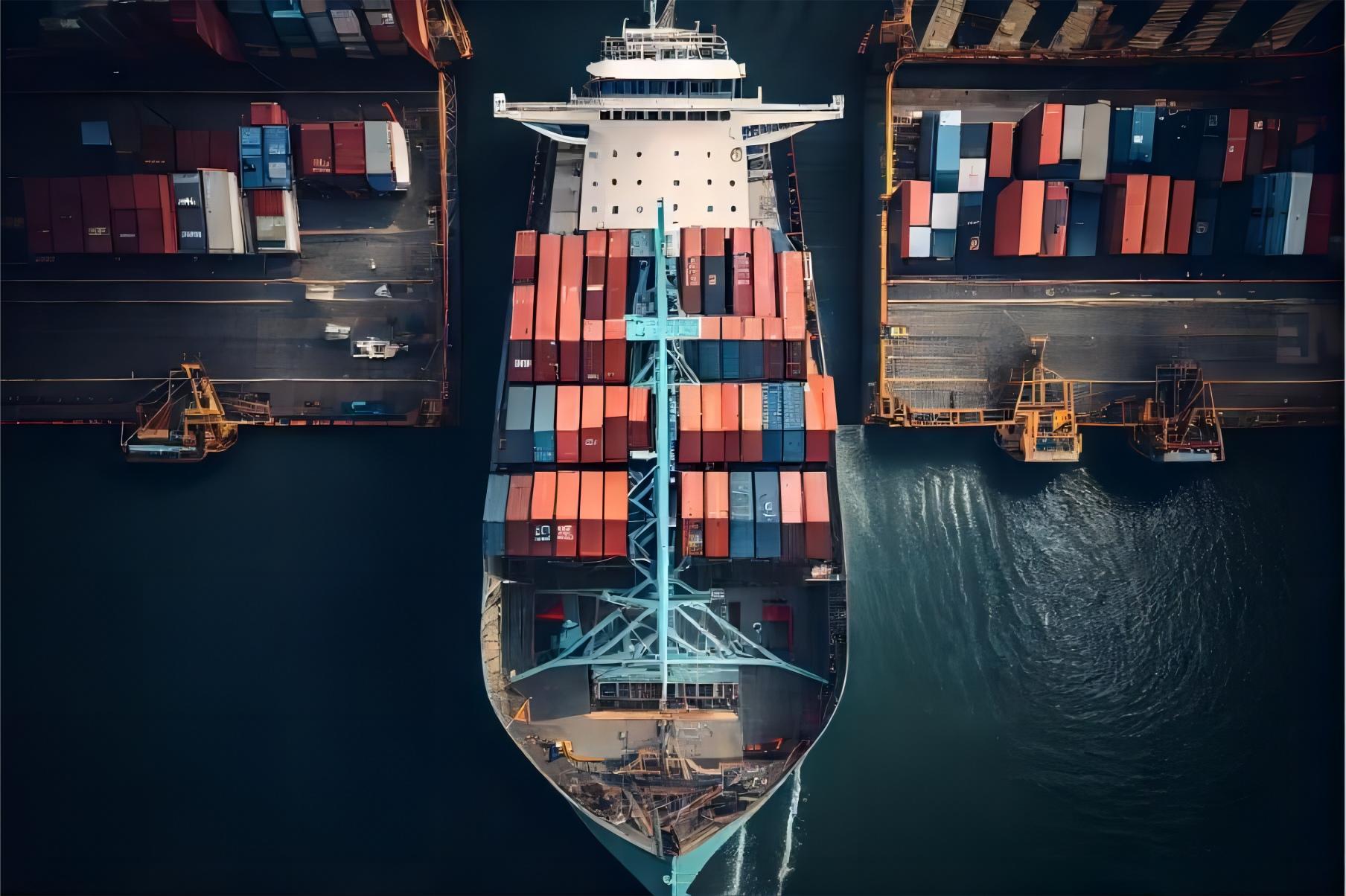
Electronics represent a unique cargo category due to their high value and sensitivity to environmental factors. Consequently, carriers often apply specific handling protocols that can influence the final quote you receive from your freight forwarder. Most shipments originating from major hubs like Shenzhen or Shanghai are subject to varying ocean freight surcharges based on the time of year.
Market data suggests that as of early 2025, a standard 20GP container for this route ranges between 2,800 and 3,800 USD. However, these figures are baseline estimates and do not include destination charges or customs duties. Therefore, businesses must account for the total landed cost to maintain healthy profit margins in the competitive US electronics market.

How Does Sea Freight Compare to Other Shipping Options?
Choosing the right mode of transport is critical for managing your supply chain effectively. While sea freight is the most economical choice for large volumes, it is not always the fastest. You must weigh the benefits of lower costs against the longer transit times inherent in ocean voyages.
Air transport offers a much faster alternative for urgent electronics shipments that cannot wait for a month-long sea journey. Nevertheless, the cost per kilogram for air freight is significantly higher than containerized sea transport. For high-margin items like smartphones or medical devices, the speed of air delivery may justify the additional expense.
Rail freight is another option for certain global routes, but it is not a viable direct solution for the China to Savannah transit. Instead, some shippers utilize hybrid sea-air solutions to balance cost and speed. The following table provides a clear comparison of the primary shipping methods available for this specific trade lane.
| Shipping Method | Cost Range (USD) | Transit Time | Best For |
|---|---|---|---|
| 20GP FCL Sea | 2,800 – 3,800 | 30 – 35 Days | Bulk electronics |
| 40HQ FCL Sea | 4,500 – 6,000 | 30 – 35 Days | High volume goods |
| Air Freight | 12,000 – 20,000 | 5 – 8 Days | Urgent/High value |
| LCL Sea Freight | 80 – 150 per CBM | 35 – 40 Days | Small batches |
Key Factors Influencing Shipping Costs for Electronic Goods
Several variables impact the 20GP FCL freight rate for electronics from China to Savannah beyond the basic ocean freight fee. Fuel surcharges, known as Bunker Adjustment Factors, fluctuate monthly based on global oil prices. Additionally, peak season surcharges are typically applied from August through October as retailers prepare for the holiday shopping season.
Cargo weight and volume also play a role, although FCL shipments are billed per container rather than by weight. Furthermore, the nature of the electronics themselves, such as those containing lithium batteries, requires specialized documentation and potentially higher insurance premiums. Proper classification of your goods is essential to avoid unexpected fines or delays at the port of loading.
Port congestion at the Garden City Terminal in Savannah can occasionally lead to demurrage and detention charges. These costs accrue when containers are not moved out of the port or returned to the carrier within the allotted free time. Indeed, planning for a buffer in your delivery schedule can help mitigate the financial impact of these unforeseen delays.
Which Option Should You Choose?
Budget priority: If your primary goal is cost reduction, sea freight FCL is the gold standard for electronics. It offers the lowest cost per unit when the container is fully utilized. For shipments under 15 CBM, consider LCL as a cost-saving alternative.
Speed priority: When a product launch is imminent, air freight is the only logical choice despite the higher rates. This ensures your electronics hit the shelves exactly when your marketing campaign begins.
Cargo type considerations: Sensitive electronic components may require climate-controlled containers, known as reefers. While more expensive, they protect delicate hardware from the extreme humidity and temperature changes found at sea.
Transit Times and Logistics Schedules for the China to Savannah Route
The voyage from major Chinese ports to the US East Coast is one of the longer trade routes in global commerce. Shipping from Shenzhen or Ningbo to Savannah typically takes between 30 and 38 days depending on the carrier’s rotation. This route often involves transshipment through major hubs or a direct transit through the Panama Canal.
Weather conditions in the Pacific and Atlantic oceans can occasionally disrupt even the most reliable North America shipping schedules. Consequently, it is wise to track your shipment in real-time using modern logistics software provided by your forwarder. Early notification of delays allows you to adjust your local distribution plans accordingly.
Customs clearance in Savannah usually adds another 3 to 5 business days to the total timeline. To ensure a smooth process, all documentation must be accurate and submitted well in advance of the vessel’s arrival. Efficient cargo handling at the destination port is a hallmark of the Savannah logistics hub, which is known for its high productivity.
Essential Documentation for Importing Electronics into Savannah
Successful importation requires a meticulous approach to paperwork to satisfy US Customs and Border Protection requirements. You must provide a Commercial Invoice, a Packing List, and a Bill of Lading for every 20GP container. Moreover, electronics often require specific certifications, such as FCC compliance documents for radio-frequency devices.
Utilizing a professional customs brokerage service can prevent your shipment from being held for inspection. Brokers understand the nuances of the Harmonized Tariff Schedule and can help you classify your electronics correctly to ensure you pay the proper duty rates. Improper classification is a leading cause of costly audits and shipment seizures.
Safety Data Sheets are mandatory for any electronics containing lithium-ion batteries, as these are classified as dangerous goods. Carriers must be informed of such items during the booking process to ensure they are stowed safely on the vessel. Failure to disclose hazardous materials can result in severe legal consequences and massive fines for the importer.
Case Studies: Real-World Examples of Shipping Electronics
Analyzing real-world scenarios provides valuable insight into the actual costs and timelines you can expect. These cases reflect typical market conditions for 2024 and 2025, highlighting the differences between various electronic cargo types. Each example demonstrates the importance of strategic planning in international logistics.
Case Study 1: High-Value LED Display Shipment Route: Shenzhen, China to Savannah, USA Cargo: LED Panels, 25 CBM, 8,500 kg Container: 20GP Shipping Details: – Carrier: Major Ocean Carrier – Port of Loading: Shenzhen – Port of Discharge: Savannah – Route Type: Direct via Panama Canal Cost Breakdown: – Ocean Freight: 3,200 USD – Origin Charges: 450 USD – Destination Charges: 600 USD – Customs and Duties: 1,200 USD – Total Landed Cost: 5,450 USD Timeline: – Booking to Loading: 5 days – Sea Transit: 32 days – Customs Clearance: 3 days – Total Door-to-Door: 40 days Key Insight: Using a direct route saved 5 days compared to transshipment, which was vital for the client’s project deadline.
Case Study 2: Consumer Electronics Components Route: Shanghai, China to Savannah, USA Cargo: Circuit Boards and Sensors, 22 CBM, 6,000 kg Container: 20GP Shipping Details: – Carrier: Tier 1 Carrier – Port of Loading: Shanghai – Port of Discharge: Savannah – Route Type: Transshipment Cost Breakdown: – Ocean Freight: 2,950 USD – Origin Charges: 400 USD – Destination Charges: 550 USD – Customs and Duties: 850 USD – Total Landed Cost: 4,750 USD Timeline: – Booking to Loading: 7 days – Sea Transit: 36 days – Customs Clearance: 4 days – Total Door-to-Door: 47 days Key Insight: Opting for a transshipment route reduced the ocean freight cost by 250 USD, making it suitable for non-urgent inventory replenishment.
Alternative Strategies and Cost-Saving Tips
Reducing your 20GP FCL freight rate for electronics from China to Savannah is possible through several strategic adjustments. One effective method is to consolidate shipments from multiple suppliers into a single container at a Chinese warehouse. This approach maximizes container utilization and spreads fixed costs across a larger volume of goods.
Another strategy involves negotiating long-term contracts with freight forwarders rather than relying on the volatile spot market. While spot rates can be lower during the off-season, contract rates provide budget stability and guaranteed space during peak periods. Additionally, choosing a door to door service can simplify your logistics by consolidating all fees into a single invoice.
Importers should also consider the benefits of shipping to different ports if Savannah is experiencing high congestion. While inland drayage costs may increase, a faster turnaround at a nearby port might save money on inventory holding costs. Always request multiple quotes to compare the total landed cost of different routing options before making a final decision.
Final Thoughts on Shipping Electronics to Savannah
Securing a favorable 20GP FCL freight rate for electronics from China to Savannah requires a combination of market knowledge and strategic planning. By understanding the factors that influence costs and transit times, you can make informed decisions that benefit your bottom line. Remember that while price is important, reliability and communication with your freight forwarder are equally vital for long-term success.
Freight rates are subject to change based on fuel costs, carrier capacity, and seasonal demand. We recommend staying updated on market trends and maintaining a flexible logistics strategy to navigate the ever-changing global trade environment. For the most accurate and current pricing, always reach out to a professional logistics provider for a real-time quote.
Ready to streamline your logistics?
Are you looking for the most competitive 20GP FCL freight rate for electronics from China to Savannah? Our team of logistics experts is ready to help you streamline your supply chain and reduce costs. Contact us today for a customized quote tailored to your specific shipping needs. Visit our website to send an inquiry and start your shipment now.
Request Quote