

20GP FCL Detention Prevention for Lighting from China to Ireland
Shipping fragile lighting equipment from China to Ireland requires meticulous planning to avoid expensive penalties. Implementing 20GP FCL detention prevention for lighting from China to Ireland is essential for maintaining your profit margins. By partnering with a reliable Top China Forwarder, you can navigate the complexities of international logistics and ensure timely delivery of your goods.
What is 20GP FCL Detention and Why Does it Matter?
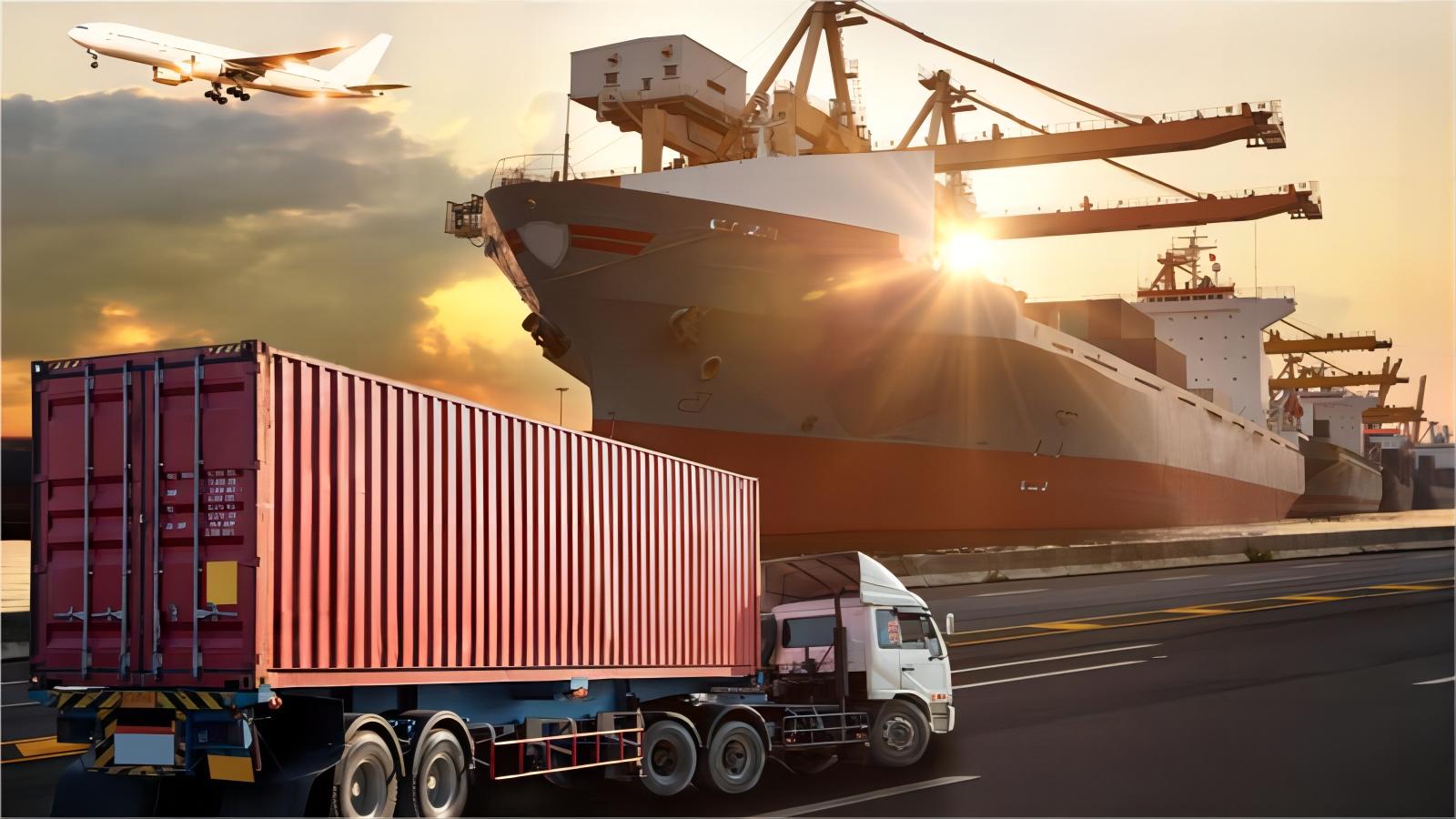
Detention refers to the fees charged by shipping lines when you hold a container outside the port beyond the agreed free time. Consequently, these costs can accumulate quickly, especially if your warehouse is full or transport is delayed. For lighting importers in Ireland, managing these timelines is critical to avoid eroding project budgets.
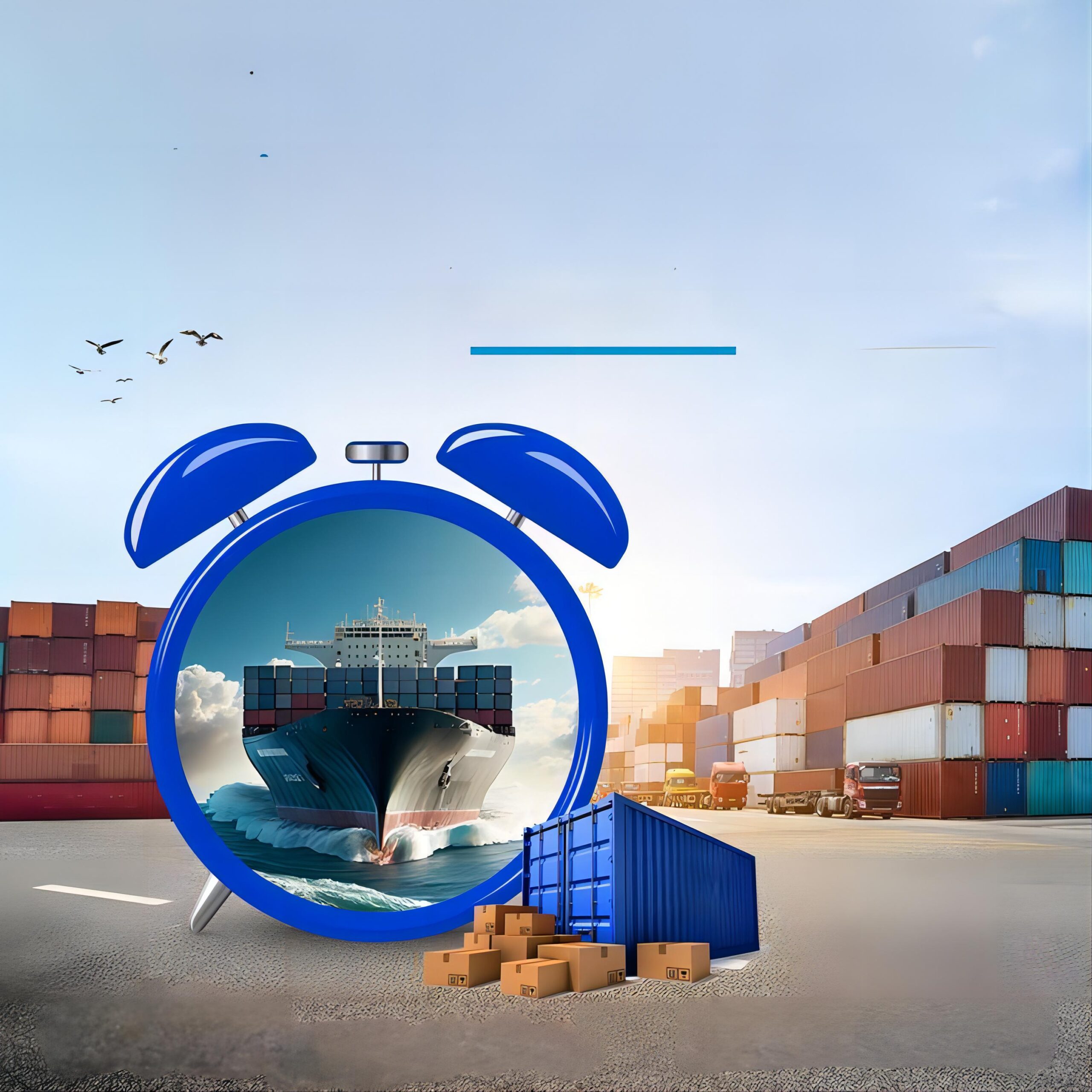
Moreover, the 20GP container is a popular choice for lighting because it offers a secure environment for delicate glass and electronics. However, the specialized nature of these goods often requires extra care during unloading. Therefore, understanding the difference between demurrage and detention is the first step in cost control.

Demurrage occurs when the container stays inside the port for too long. In contrast, detention starts once the container leaves the port and is not returned to the empty depot on time. Indeed, both fees are preventable with the right logistics strategy and proactive communication with your carrier.
Strategies for 20GP FCL Detention Prevention for Lighting
One of the most effective ways to avoid fees is to negotiate extended free time at the point of booking. Furthermore, choosing sea freight services that offer 14 to 21 days of combined free time provides a necessary buffer for unexpected delays. This flexibility is particularly useful when shipping to busy hubs like Dublin or Cork.
Additionally, you must ensure that all commercial invoices and packing lists are 100 percent accurate. Any discrepancy in the lighting specifications can lead to lengthy inspections by Irish Revenue. As a result, your container might sit idle at your facility while paperwork is corrected, triggering high detention charges.
Meanwhile, organizing your local drayage in advance is vital. You should schedule your trucking company to pick up the container as soon as it clears customs. Without a doubt, having a pre-booked transport slot reduces the risk of the container lingering at your warehouse longer than the free period allows.
| Demurrage | Inside Port | Shipping Line | Customs Delays |
| Detention | Outside Port | Shipping Line | Slow Unloading |
| Storage | Inside Port | Port Authority | Space Usage |
How Does Sea Freight Compare to Other Shipping Options?
While sea freight is the standard for 20GP containers, other modes like air freight offer different benefits. For instance, air transport is significantly faster but costs much more per kilogram. Nevertheless, for high-value designer lighting, the speed of air might outweigh the savings of ocean transport.
On the other hand, sea freight remains the most economical choice for bulk orders of commercial LED fixtures. It allows for high-volume cargo handling while keeping the landed cost per unit low. Accordingly, most Irish importers prioritize sea routes for their primary supply chain needs.
To summarize, the choice depends on your specific delivery schedule and budget. While sea freight takes longer, it provides the capacity needed for large-scale construction projects. However, you must account for the transit time to ensure your project stays on track.
| Sea 20GP | $1,800 – $2,500 | 30-38 Days | Bulk Lighting |
| Air Freight | $8,000 – $12,000 | 5-8 Days | Urgent Samples |
| LCL Sea | $150 – $300/CBM | 35-42 Days | Small Orders |
Which Option Should You Choose?
If your priority is budget, sea freight in a 20GP container is the clear winner. This method provides the lowest ocean freight rates for full container loads. Consequently, it is ideal for standard inventory replenishment where speed is not the primary factor.
If your priority is speed, you should consider air or express services. These methods bypass the port congestion issues that often lead to detention. Therefore, they are best for meeting tight deadlines or shipping fragile, high-margin prototypes.
For cargo type considerations, lighting fixtures often require specialized handling. Sea freight provides a stable environment for palletized goods. In addition, using a 20GP ensures that your lighting products are not co-loaded with heavy industrial machinery that could cause damage.
Why 20GP FCL Detention Prevention for Lighting is Essential
Lighting products are often subject to strict safety regulations in Ireland. If your customs brokerage partner does not have the correct CE certifications ready, the container will be held. Consequently, the detention clock starts ticking the moment that container leaves the port gates.
Furthermore, the fragile nature of lighting means that unloading must be done carefully. If your warehouse team is not prepared, the process can take several days. As a result, you may exceed your free time and face daily penalties ranging from $100 to $300 per container.
Indeed, proactive management is the only way to safeguard your investment. By tracking the delivery schedule closely, you can coordinate between the shipping line and your warehouse. This level of oversight ensures that 20GP FCL detention prevention for lighting from China to Ireland is achieved effectively.
Real-World Case Studies: Avoiding Detention Costs
Case Study 1: A Dublin-based retailer imported 18 CBM of LED chandeliers from Shenzhen. By utilizing door to door services, they avoided all detention fees. The container was unloaded within 48 hours of arrival at their warehouse, and the empty box was returned to the depot three days before the free time expired.
Case Study 2: A commercial lighting project in Cork required 22 CBM of outdoor street lights from Ningbo. However, a documentation error initially delayed customs clearance. Because the importer had negotiated 21 days of combined free time, they resolved the issue without incurring any detention or demurrage costs.
These examples highlight the importance of planning for the unexpected. Without a doubt, having a buffer in your schedule and your contract is the best defense against rising logistics costs. Based on current market rates in early 2025, these strategies are more important than ever.
Case Study 1 Details
Route: Shenzhen to Dublin. Cargo: LED Chandeliers, 18 CBM. Container: 20GP. Ocean Freight: $2,100. Total Landed Cost: $3,450. Sea Transit: 34 days. Key Insight: Pre-clearing customs saved 4 days of potential detention time.
Case Study 2 Details
Route: Ningbo to Cork. Cargo: Outdoor Street Lights, 22 CBM. Container: 20GP. Ocean Freight: $2,250. Total Landed Cost: $3,700. Sea Transit: 36 days. Key Insight: Utilizing a local broker with lighting expertise prevented port storage fees.
Market Trends and Customs for Lighting in Ireland
As of Q1 2025, freight rates from China to Europe have stabilized. However, seasonal peaks during the winter months can still lead to port congestion in Ireland. Therefore, importers should stay informed about maritime shipping trends to adjust their lead times accordingly.
In addition, Irish customs authorities are increasingly focused on energy efficiency standards. You must ensure your lighting products comply with the latest EU directives. Consequently, having your technical files ready for inspection is a key part of 20GP FCL detention prevention for lighting from China to Ireland.
Moreover, the use of digital tracking tools is becoming standard in the industry. These platforms allow you to monitor your container in real-time. As a result, you can provide your local transport team with highly accurate arrival estimates, further reducing the risk of detention.
Mastering Your Lighting Logistics
Successfully managing 20GP FCL detention prevention for lighting from China to Ireland requires a combination of early planning and expert partnerships. By understanding the causes of detention and implementing proactive strategies, you can significantly reduce your shipping costs. Remember to negotiate extended free time and ensure your documentation is flawless before the ship leaves China.
Furthermore, staying adaptable to market trends and customs requirements will keep your supply chain resilient. Whether you are shipping high-end decorative pieces or industrial lighting, the principles of efficient container management remain the same. Start optimizing your 20GP FCL detention prevention for lighting from China to Ireland today to secure your business growth.
Note: Freight rates are subject to change based on fuel costs, carrier capacity, and seasonal demand. Contact us for a current quote tailored to your specific shipment.
Ready to streamline your logistics?
Avoid costly delays and optimize your lighting imports today. Contact us for a customized quote on 20GP FCL detention prevention for lighting from China to Ireland and let our experts handle your logistics. Send Inquiry
Request Quote