

20GP FCL Detention Prevention for Electronics from China to Spain
Managing shipping costs effectively is a primary goal for any business importing high-value goods. When you arrange a 20GP FCL detention prevention for electronics from China to Spain, understanding the nuances of container management becomes essential. As a leading Top China Forwarder, we help businesses navigate these complexities to ensure smooth delivery without unexpected expenses. This guide provides actionable strategies to minimize delays and eliminate the risk of detention fees at Spanish ports.

What is 20GP FCL Detention and Why Does it Matter?
Detention occurs when an importer holds a shipping container beyond the agreed free time outside the port terminal. Specifically, this happens after the container has been picked up but before it is returned empty to the carrier yard. For electronics shipments, these costs can accumulate rapidly if the unloading process or inland transport faces disruptions.
Choosing sea freight remains the most popular method for transporting full container loads due to its cost-effectiveness. However, the financial benefits of ocean transport can vanish if you fail to return the equipment on schedule. Carriers typically charge daily rates that increase the longer the container remains in your possession.
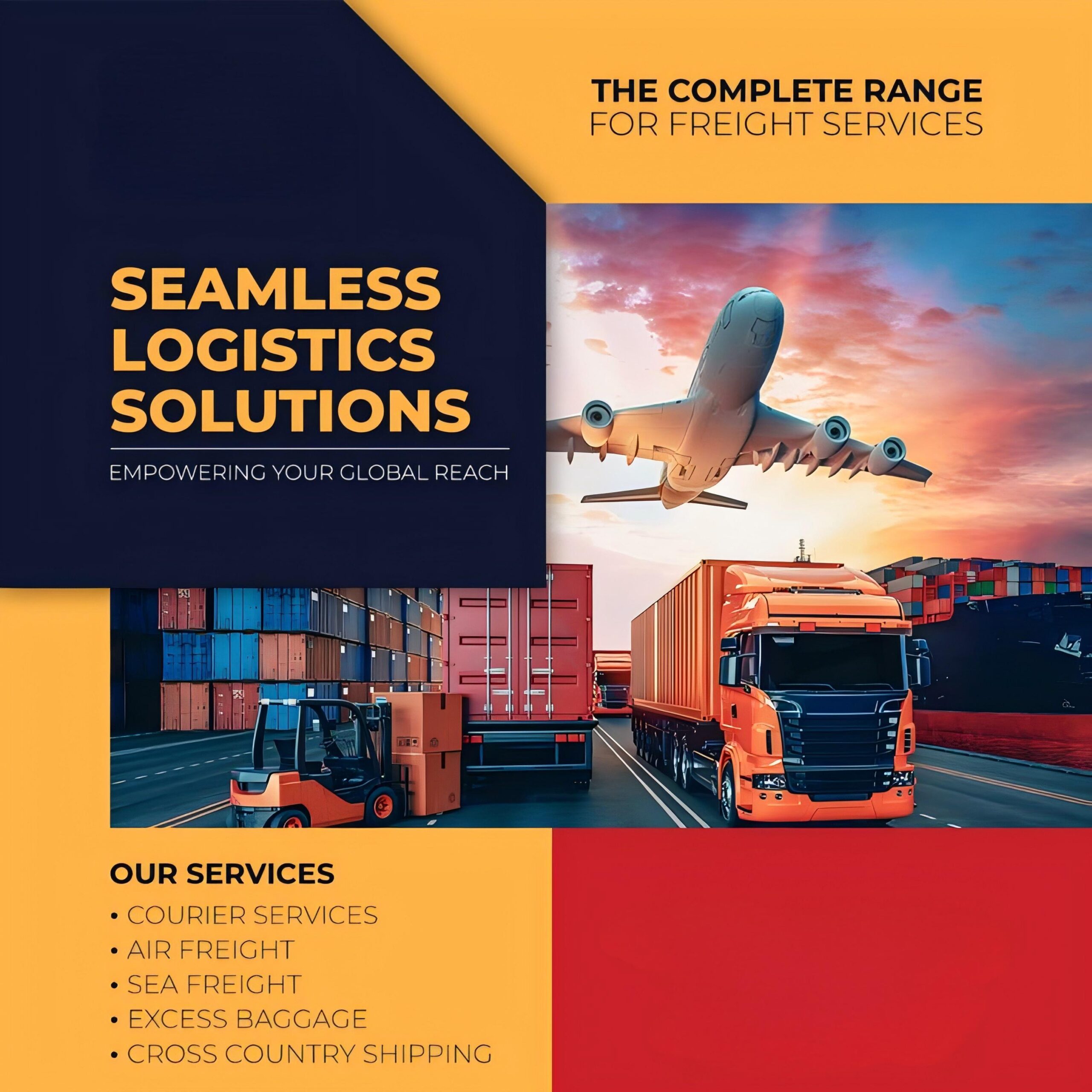
Furthermore, electronics are often sensitive to environmental factors, making timely delivery even more critical. You must coordinate your logistics chain perfectly to avoid these punitive charges. Understanding the difference between demurrage and detention is the first step in protecting your profit margins.
Common Causes of Detention for Electronics Imports
Customs delays often represent the most frequent reason for container detention when importing electronics. Because these goods frequently contain lithium batteries or high-tech components, they require specific certifications and safety data sheets. If your customs brokerage team does not have the paperwork ready, the container sits idle.
Inland transportation bottlenecks also contribute significantly to detention risks in Spain. During peak seasons, finding available truck drivers for the route from Valencia or Barcelona to inland warehouses can be challenging. Consequently, the container remains at your facility longer than anticipated while waiting for a return transport slot.
Warehouse congestion at the destination frequently slows down the unloading of 20GP containers. If your staff cannot process the electronic components quickly, the container cannot be returned to the port. This delay directly triggers the daily detention penalties set by the shipping line.
Strategic Document Preparation for Spanish Customs
Accuracy in documentation is non-negotiable for electronic logistics solutions. You must ensure that the Commercial Invoice, Packing List, and Bill of Lading match perfectly. Any discrepancy in the HS codes for electronic components can lead to an inspection by Spanish customs authorities.
Utilizing a door to door service can simplify this process by centralizing document management. Professional forwarders review your technical specifications and MSDS for batteries before the ship leaves China. This proactive approach ensures that the clearance process begins while the goods are still at sea.
Moreover, the Spanish AEAT (Tax Agency) requires specific declarations for electronics regarding WEEE regulations and energy efficiency. Failing to provide these certificates will result in the container being held at the terminal. Consequently, you will face both demurrage at the port and detention once the container is finally released for delivery.

How Does 20GP FCL Compare to Other Shipping Options?
Selecting the right shipping method depends on your budget, volume, and urgency. While 20GP FCL offers security for electronics, alternative routes might suit specific business needs. Below is a comparison of the primary methods used for the China to Spain route.
Note: Freight rates are subject to change based on fuel costs, carrier capacity, and seasonal demand. Contact us for a current quote tailored to your specific shipment.
| Shipping Method | Cost Range (USD) | Transit Time | Best For |
|---|---|---|---|
| 20GP FCL Sea | 1,800 – 2,500 | 30 – 35 Days | Bulk Electronics |
| LCL Sea Freight | 80 – 150 per CBM | 35 – 40 Days | Small Batches |
| Rail Freight | 4,000 – 6,000 | 18 – 22 Days | Mid-range Urgency |
| Air Freight | 5.00 – 8.00 per kg | 5 – 7 Days | High-Value Tech |
Negotiating Extended Container Free Time
Requesting additional free time at the point of booking is a powerful strategy for 20GP FCL detention prevention for electronics from China to Spain. Most carriers offer a standard 7 days of free time for both demurrage and detention combined. However, experienced forwarders can often negotiate this up to 14 or 21 days for high-volume shippers.
When you ship to shipping from China to Europe, having extra days provides a vital safety net. This buffer accounts for potential strikes at Spanish ports or unexpected delays in the inland haulage Spain network. Always confirm the specific free time terms in your booking confirmation to avoid surprises.
Additionally, consider using carrier-owned containers (COC) versus shipper-owned containers (SOC). While SOCs eliminate detention fees entirely, they require you to manage the equipment purchase and disposal. For most electronics importers, negotiating better COC terms is the more practical and cost-effective solution.
Alternative Shipping Strategies for Electronics
Hybrid solutions like sea-air or rail freight can offer a middle ground between cost and speed. Rail freight via the Silk Road connects Chinese hubs like Xi’an to European terminals, often reaching Spain in under 25 days. This method reduces the time the container is in transit, though it still requires careful detention management at the destination.
For extremely urgent electronic components, air freight remains the only viable option despite the higher cost. If your production line in Spain is at risk of stopping, the $5,000 premium for air transport is cheaper than the lost revenue. However, for standard inventory replenishment, the 20GP FCL container remains the industry standard.
Importers should also evaluate the use of bonded warehouses in Spain. By moving the container to a bonded facility quickly, you can return the empty equipment to the carrier. This allows you to clear customs and pay duties only when the electronics are ready for final distribution, effectively stopping the detention clock.
Real-World Case Studies for Spanish Electronics Imports
Examining real-world scenarios helps illustrate the importance of proactive logistics management. These cases reflect typical market conditions and pricing as of early 2025.
Case Study 1: Smartphone Distribution in Valencia. A Shenzhen-based manufacturer shipped a 20GP FCL of 5,000 smartphones to Valencia. By securing 14 days of free time, they avoided $800 in detention fees when the local warehouse faced a temporary labor shortage.
+———————————————————+ | Route: Shenzhen, China to Valencia, Spain | | Cargo: Smartphones, 28 CBM, 12,000 kg | | Container: 20GP FCL | | Shipping Details: Direct via COSCO | | Total Landed Cost: $3,200 (Excluding Duties) | | Timeline: 32 Days Door-to-Door | | Key Insight: Pre-cleared customs saved 4 days. | +———————————————————+
Case Study 2: LED Display Panels to Barcelona. An importer in Barcelona faced detention charges due to missing lithium battery documentation. The container sat at the warehouse for 10 days, resulting in $1,200 in penalties that could have been avoided with better document review.
+———————————————————+ | Route: Ningbo, China to Barcelona, Spain | | Cargo: LED Displays, 25 CBM, 8,000 kg | | Container: 20GP FCL | | Shipping Details: Transshipment via Singapore | | Total Landed Cost: $4,100 (Including Fees) | | Timeline: 45 Days Door-to-Door | | Key Insight: Documentation error caused the delay. | +———————————————————+
Which Option Should You Choose?
Deciding on the best shipping route requires a balance of three factors: budget, cargo sensitivity, and timing. If your priority is the lowest possible cost, 20GP FCL via sea freight is the clear winner. This method is ideal for large volumes of consumer electronics where the profit margin per unit is relatively slim.
On the other hand, if you are launching a new product and need it in Spanish stores quickly, rail or air freight might be necessary. High-value items like premium laptops or specialized medical electronics often justify the higher freight rates of faster modes. Always calculate the total landed cost, including potential detention risks, before making a final decision.
Lastly, consider the reliability of the carrier and the port of entry. Valencia and Barcelona are highly efficient, but they can become congested during peak seasons like the lead-up to Black Friday. Working with a forwarder who has local assets in Spain can provide the flexibility needed to pivot when delays occur.
Mastering Electronics Logistics to Spain
Successfully managing a 20GP FCL detention prevention for electronics from China to Spain requires a combination of early planning and expert execution. By understanding the causes of detention and preparing your documentation in advance, you can protect your bottom line. Furthermore, negotiating extended free time and choosing the right logistics partner are essential steps for any serious importer.
As market trends evolve in 2025, staying informed about freight rates and customs regulations will remain a competitive advantage. Remember that the cheapest freight rate is not always the most economical if it leads to thousands of dollars in detention fees. Prioritize transparency, communication, and proactive management to ensure your electronics reach the Spanish market on time and within budget.

Ready to streamline your logistics?
Ready to optimize your supply chain and eliminate hidden costs? Our team specializes in 20GP FCL detention prevention for electronics from China to Spain to keep your business moving. Contact us today for a personalized quote and expert guidance on your next shipment. Visit our website to start your inquiry. Send inquiry here: https://topchinaforwarder.com
Request Quote