

Reefer FCL insurance for solar panels from China to Germany
Transporting high-value photovoltaic modules across the globe requires more than just a standard container and a prayer. For many importers, securing Reefer FCL insurance for solar panels from China to Germany is the single most important step in protecting their renewable energy investment. By partnering with a reliable partner like Top China Forwarder, businesses can navigate the complexities of international logistics while ensuring their cargo remains in pristine condition. This guide explores the necessity of temperature-controlled shipping and the specific insurance safeguards required for the China-Germany trade lane.

Why You Need Reefer FCL Insurance for Solar Panels from China to Germany
Solar panels are inherently fragile and sensitive to extreme environmental fluctuations during long-haul maritime voyages. Specifically, the journey from Chinese manufacturing hubs to German ports like Hamburg or Bremerhaven involves crossing multiple climate zones. Without proper temperature regulation, the risk of micro-cracks and delamination increases significantly due to thermal expansion and contraction.
Moreover, standard containers often suffer from container rain, a phenomenon where moisture condenses on the ceiling and drips onto the cargo. Reefer FCL units prevent this by maintaining a consistent humidity level and temperature throughout the transit. Consequently, insurance for these specialized shipments must cover technical failures of the refrigeration unit in addition to standard maritime perils.
Therefore, investing in comprehensive coverage ensures that any financial loss resulting from environmental damage is fully mitigated. Most German buyers now mandate specific insurance clauses that go beyond basic liability to protect the high capital expenditure associated with solar projects.
How Does Reefer FCL Compare to Other Shipping Options?
Choosing the right transport mode depends heavily on your budget, timeline, and the sensitivity of your specific solar technology. While sea freight remains the most common choice, alternatives like rail or air freight offer different advantages. For instance, rail freight via the New Silk Road provides a faster middle-ground option for urgent projects.
On the other hand, air freight is rarely used for bulk solar panel shipments due to the prohibitive cost and volume restrictions. However, for high-efficiency prototypes or urgent replacement parts, it remains a viable strategy. Each method carries unique risks that must be reflected in your insurance policy structure.
Additionally, the comparison below highlights the trade-offs between cost and speed for the China-Germany route. It is essential to evaluate these factors against your project deadlines and risk tolerance.
| Shipping Method | Cost Range (USD) | Transit Time | Best For | Limitations |
|---|---|---|---|---|
| Reefer FCL Sea | $3,500 – $5,500 | 30-40 Days | Sensitive PV Modules | Longer transit time |
| Standard FCL Sea | $2,500 – $4,200 | 30-35 Days | Standard Solar Kits | Temperature risks |
| Rail Freight | $6,000 – $9,000 | 18-22 Days | Mid-sized projects | Limited reefer slots |
| Air Freight | $15,000+ | 5-8 Days | Urgent samples | Extremely high cost |
Understanding Marine Cargo Insurance Clauses for Solar Logistics
Insurance policies for solar panels typically follow the Institute Cargo Clauses (ICC), with ICC (A) being the most comprehensive. This all-risks coverage is vital for solar panels because it includes protection against theft, breakage, and water damage. Specifically, for reefer shipments, you must ensure the policy includes a ‘Reefer Clause’ to cover mechanical breakdown of the cooling system.
Furthermore, many policies require a ‘Pre-Shipment Inspection’ to verify the condition of the panels before they leave the factory in China. This documentation is crucial if you need to file a claim later in Germany. Without it, insurers may argue that the damage occurred during manufacturing rather than transit.
In addition, considering the high value of shipping from China to Europe, many companies opt for a policy that covers 110 percent of the CIF (Cost, Insurance, and Freight) value. This extra 10 percent helps cover the administrative costs and potential loss of profit associated with damaged goods.
Key Risks in the Solar Supply Chain from China to Germany
Physical damage during loading and unloading remains the primary cause of insurance claims in the solar industry. Because solar panels are often stacked in large pallets, improper forklift handling can cause invisible micro-cracks that only appear after installation. Indeed, these cracks can reduce the energy output of the entire array over time.
Secondly, maritime piracy and geopolitical instability can lead to route diversions, which extend transit times. When a reefer container is delayed, the risk of fuel depletion for the generator set (genset) increases. Consequently, your insurance must account for potential delays and the resulting costs of maintaining the temperature-controlled environment.
Finally, moisture ingress during the final mile delivery in Germany can be problematic. Utilizing a professional door to door service ensures that the cargo remains under supervision from the Chinese port to the German installation site, minimizing the hand-over risks.
Customs Documentation and Insurance Requirements in Germany
German customs authorities are known for their stringent documentation requirements regarding imported electronics and renewable energy components. You must provide a valid commercial invoice, a detailed packing list, and the Certificate of Origin to facilitate smooth clearance. Moreover, evidence of adequate insurance is often requested to prove the financial security of the shipment.
Specifically, working with an experienced customs brokerage can prevent costly delays at the Port of Hamburg. They ensure that all technical specifications of the solar panels comply with EU standards, such as the CE marking and TUV certifications. Failure to provide these can lead to cargo being held, which increases the risk of damage even in a reefer unit.
Meanwhile, the insurance certificate must clearly state the coverage terms in a language accepted by German authorities. Having a bilingual policy can significantly speed up the verification process during the import phase. It is also important to note that VAT and import duties in Germany are calculated based on the landed cost, which includes the insurance premium.
Decision Framework: Which Shipping Option Should You Choose?
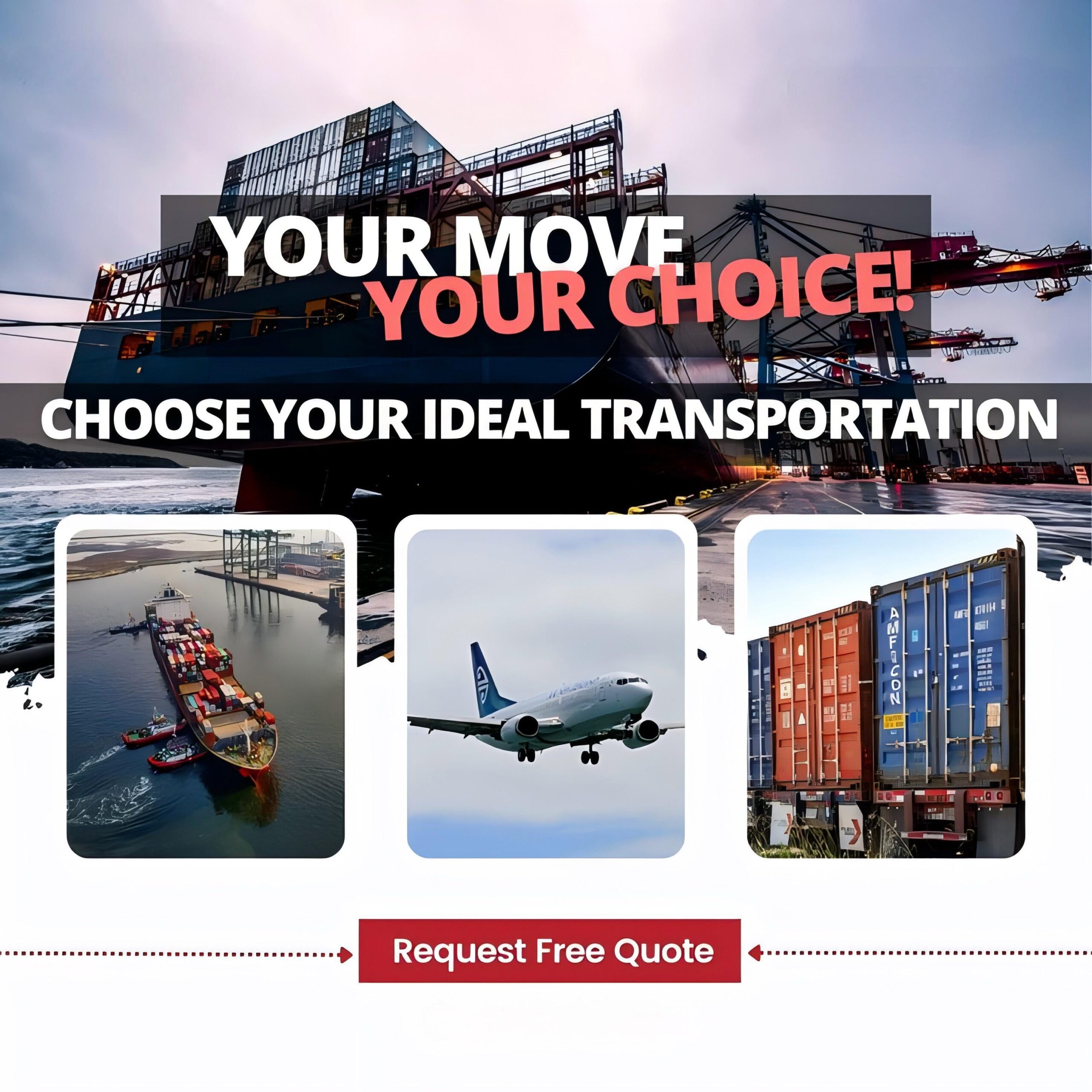
Determining the best logistics strategy requires a balance between cost, safety, and speed. If your budget is the primary priority and the panels are standard grade, a dry FCL container might suffice with extra desiccant packs. However, for high-efficiency N-type or TOPCon modules, the added cost of a reefer container is a necessary investment.
Speed priority often points toward rail freight, especially during peak seasons when sea ports are congested. Nevertheless, you must verify the availability of reefer-capable rail wagons, as these are less common than standard boxes. Cargo type considerations should always dictate the final choice to ensure long-term performance of the solar assets.
Volume thresholds also play a role in your decision. For shipments exceeding 10 containers, negotiating a contract with a carrier for direct sea routes can save 10-15 percent in costs. For smaller volumes, consolidating via a specialized solar logistics provider might offer better protection and insurance rates.
| Priority | Recommended Method | Insurance Focus | Typical Outcome |
|---|---|---|---|
| Lowest Cost | Standard FCL Sea | Basic ICC (B) | Higher risk of micro-cracks |
| Maximum Safety | Reefer FCL Sea | ICC (A) + Reefer Clause | Pristine cargo arrival |
| Fastest Delivery | Rail Freight | All-risks + Theft | 20-day transit to Germany |
| Hybrid Strategy | Sea-Rail | Multi-modal coverage | Balanced cost and speed |
Real Case Study 1: Protecting High-Efficiency Modules
Case Study 1: Precision Solar Logistics. Route: Shanghai, China to Hamburg, Germany. Cargo: 540W Monocrystalline PV Modules, 68 CBM, 18,500 kg. Container: 40HQ Reefer. Shipping Details: Major carrier, Port of Loading: Shanghai (Yangshan), Port of Discharge: Hamburg. Route Type: Direct. Cost Breakdown: Ocean Freight: $4,200; Origin Charges: $450; Destination Charges: $600; Insurance Premium: $350; Total Landed Cost: $5,600. Timeline: Booking to Loading: 4 days; Sea Transit: 33 days; Customs Clearance: 2 days; Total Door-to-Door: 39 days. Key Insight: The use of a reefer container prevented micro-cracks during a heatwave in the Indian Ocean, as verified by post-arrival EL testing.
Based on Q4 2024 market rates, this shipment demonstrates the value of climate control. Although the ocean freight was 30 percent higher than a dry container, the zero-defect arrival saved the client thousands in potential warranty claims.
Real Case Study 2: Urgent Rail Shipment for German Solar Farm
Case Study 2: Mid-Season Project Recovery. Route: Xi’an, China to Duisburg, Germany. Cargo: Solar Inverters and Panels, 60 CBM, 12,000 kg. Container: 40GP Standard (with specialized insulation). Shipping Details: China-Europe Railway Express. Port of Loading: Xi’an Inland Port. Port of Discharge: Duisburg Terminal. Route Type: Direct Rail. Cost Breakdown: Rail Freight: $7,800; Origin Charges: $300; Destination Charges: $550; Insurance: $450; Total Landed Cost: $9,100. Timeline: Booking to Loading: 5 days; Rail Transit: 19 days; Customs Clearance: 3 days; Total Door-to-Door: 27 days. Key Insight: Choosing rail allowed the client to meet a strict grid-connection deadline in Bavaria, despite a 2-week delay in manufacturing.
Typical rates as of early 2025 suggest that rail remains a premium but necessary alternative for time-sensitive renewable energy projects. The insurance policy specifically covered the trans-shipment risks at the border crossings in Kazakhstan and Poland.
Cost-Saving Strategies and Market Trends for 2025
Reducing logistics expenses without compromising cargo safety is a top priority for German importers. One effective strategy is to consolidate shipments during the shoulder seasons, typically in March and April, when freight rates are lower. Additionally, optimizing the pallet layout inside the reefer container can increase the total wattage shipped per box, lowering the unit cost.
Furthermore, as of Q1 2025, freight rates from China to Europe have stabilized after the previous year’s disruptions. This stability allows for better long-term budgeting for insurance and logistics. Industry trends also show an increase in ‘smart containers’ equipped with IoT sensors that provide real-time data on temperature and vibration.
Indeed, providing this real-time data to your insurance provider can sometimes lead to lower premiums. Insurers view the transparency and proactive monitoring as a significant reduction in risk. Therefore, investing in technology-enabled logistics can pay for itself through reduced insurance costs and fewer damaged goods.
Securing Your Solar Future with Reliable Logistics
Successfully managing the transport of solar equipment requires a deep understanding of both technical and financial risks. Securing Reefer FCL insurance for solar panels from China to Germany is not just an administrative hurdle but a strategic necessity. By choosing the right container type and insurance coverage, you protect the long-term efficiency of your solar arrays.
Whether you opt for the speed of rail or the cost-effectiveness of sea freight, the focus must remain on cargo integrity. Transitioning to climate-controlled shipping and all-risks insurance ensures that your business remains resilient against the uncertainties of global trade. Partnering with experienced professionals will help you navigate these challenges and deliver sustainable energy solutions to the German market.

Ready to streamline your logistics?
Ensure your renewable energy project stays on track with expert Reefer FCL insurance for solar panels from China to Germany. Our team provides end-to-end logistics solutions tailored to the delicate needs of PV modules. Contact us today for a comprehensive quote and secure your supply chain. Visit Top China Forwarder to learn more. Send Inquiry link: See: https://topchinaforwarder.com/contact-us/
Request Quote