

Reefer FCL Container Shortage Solution for Medical Equipment
Navigating the complexities of global trade requires a partnership with a reliable Top China Forwarder to maintain supply chain integrity. Currently, finding a reefer FCL container shortage solution for medical equipment from China to Los Angeles is a primary concern for healthcare providers. This article explores actionable strategies to overcome equipment deficits and ensure your temperature-sensitive cargo arrives on schedule.
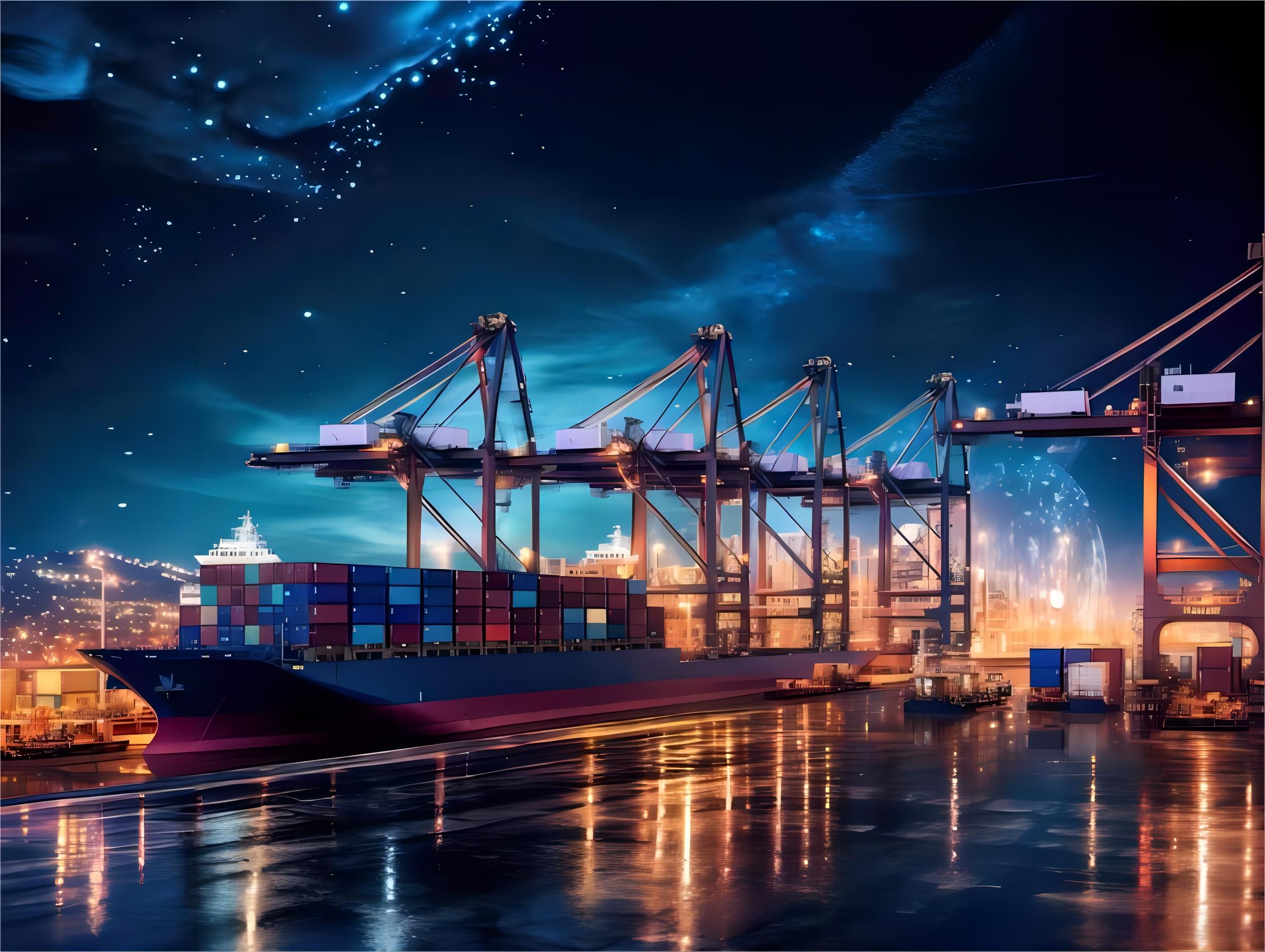
Why is there a Reefer FCL Container Shortage?
Global logistics networks are currently experiencing significant pressure due to uneven equipment distribution across major trade lanes. Specifically, the demand for refrigerated units has outpaced the repositioning of empty containers from North America back to Asian manufacturing hubs. Consequently, importers of medical devices often face delays and increased premiums during peak seasons.
Furthermore, recent port congestions and labor disputes have slowed the turnaround time for specialized equipment. These disruptions mean that reefer units remain at sea or in terminals longer than anticipated. Therefore, companies must look beyond traditional booking methods to secure the necessary capacity for their sensitive goods.
Impact on Medical Equipment Logistics
Maintaining a strict cold chain is non-negotiable when transporting high-value medical instruments and diagnostic reagents. Because these items are sensitive to temperature fluctuations, any delay in securing a refrigerated container can lead to total product loss. Indeed, the stakes are much higher in healthcare logistics compared to general dry cargo.
Moreover, the shortage forces many manufacturers to hold finished inventory in expensive temperature-controlled warehouses near Chinese ports. This scenario increases the total landed cost and creates bottlenecks in the production cycle. Ultimately, a lack of equipment availability threatens the timely delivery of life-saving tools to the Los Angeles market.
Top Strategies for a Reefer FCL Container Shortage Solution
Securing space during a crisis requires a proactive approach and a diversified logistics strategy. For instance, booking your sea freight at least four to six weeks in advance can significantly improve your chances of equipment allocation. Additionally, staying flexible with your departure ports in China allows you to tap into different carrier pools.
Meanwhile, some shippers are turning to non-operating reefers (NORs) for return trips, although this is less common for outbound medical cargo. Another effective reefer FCL container shortage solution for medical equipment from China to Los Angeles involves utilizing premium guaranteed space programs. While these services carry a higher price tag, they offer peace of mind for critical healthcare shipments.
| Strategy | Potential Cost | Implementation Time | Reliability Level |
|---|---|---|---|
| Early Booking (4-6 weeks) | Standard Rates | Long-term planning | Moderate |
| Premium Space Guarantee | High (+20-30%) | Immediate | Very High |
| Port Diversification | Variable | 1-2 weeks | High |
| Carrier Contract Mix | Market Average | Ongoing | Moderate |
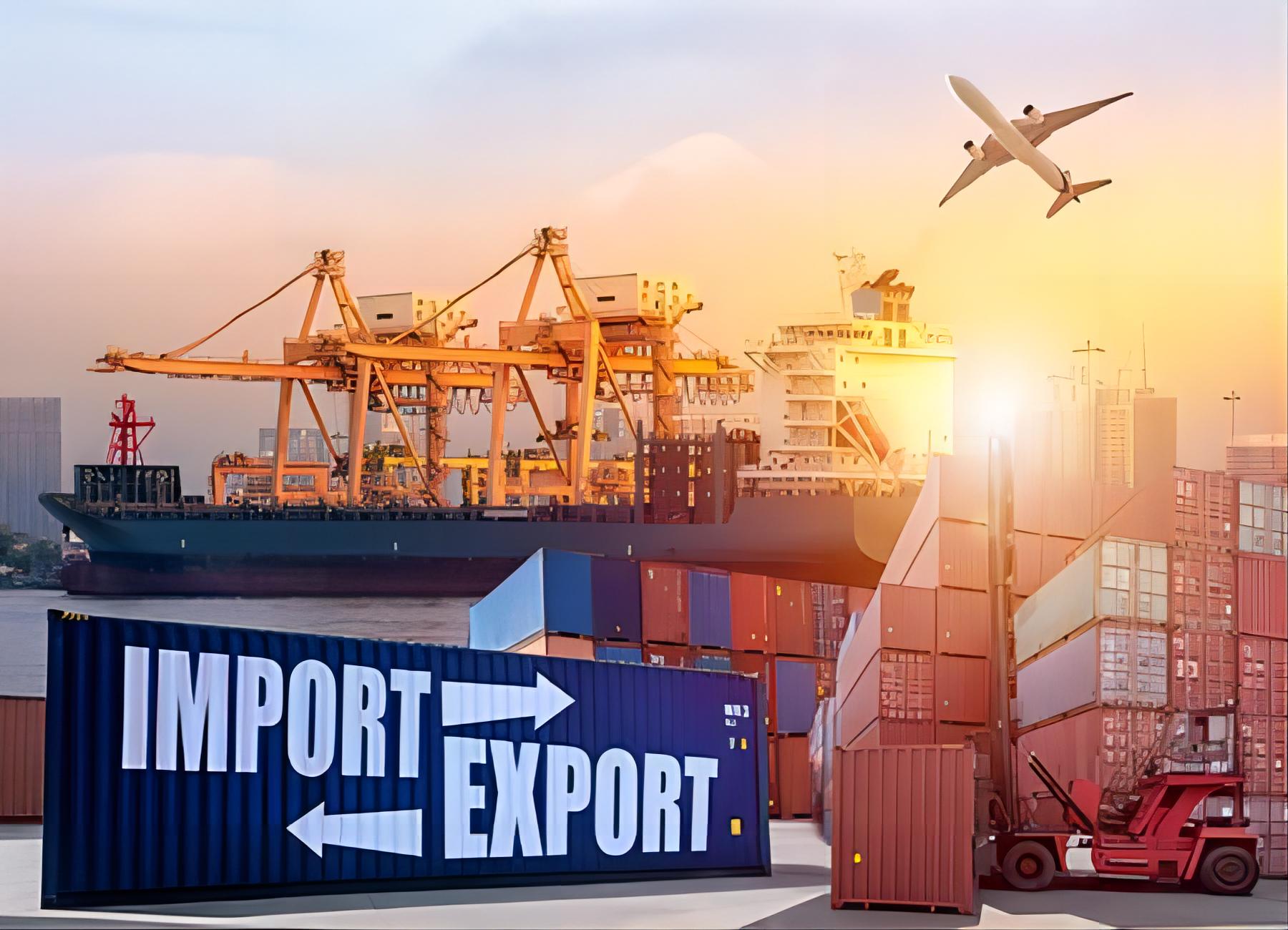
How Does Reefer FCL Compare to Other Shipping Options?
Choosing the right mode of transport depends on your budget, urgency, and the specific requirements of the medical equipment. While FCL offers the best protection and lowest cost per unit for large volumes, air freight remains the fastest alternative during severe equipment shortages. However, the cost difference between sea and air can be substantial, often reaching five to ten times the ocean rate.
Alternatively, shippers might consider Less than Container Load (LCL) reefer services if their volume does not justify a full unit. Nevertheless, finding consolidated refrigerated services is often more difficult than securing a full container. Consequently, most medical importers prioritize FCL to maintain a closed and secure environment for their products.
| Shipping Method | Cost Range | Transit Time | Best For | Limitations |
|---|---|---|---|---|
| Reefer FCL | $4,500 – $7,000 | 18-25 Days | Bulk Medical Gear | Equipment Shortages |
| Air Freight | $15,000 – $30,000 | 3-7 Days | Urgent/High Value | Very High Cost |
| Reefer LCL | $300 – $600/CBM | 22-30 Days | Small Batches | Limited Availability |
| Sea-Air Hybrid | $8,000 – $12,000 | 12-15 Days | Mid-range Urgency | Complex Handling |
Which Option Should You Choose?
Decision-making should start with an assessment of your cargo’s shelf life and the financial impact of a stockout. If your budget is the primary priority and you have flexible lead times, waiting for a reefer FCL unit is generally the most economical path. Conversely, if you are facing contractual penalties for late delivery, switching to air freight is a necessary trade-off.
Cargo type also plays a major role in this selection process. For example, large imaging machines may only fit in a 40HQ reefer, whereas small laboratory reagents can easily be moved via express air services. Always consult with your logistics partner to evaluate the current container availability before making a final commitment.

Essential Customs Brokerage and Compliance
Navigating the regulatory landscape is just as important as securing the physical container. Specifically, medical equipment requires strict adherence to FDA regulations and accurate classification under the Harmonized Tariff Schedule. Utilizing a professional customs brokerage service ensures that all documentation is filed correctly to avoid port delays.
Furthermore, the Port of Los Angeles has specific requirements for refrigerated cargo handling and electrical plug-in services. If your customs paperwork is incomplete, your container may sit in the sun without power, risking the integrity of the medical goods. Therefore, proactive compliance is a core component of any reefer FCL container shortage solution for medical equipment from China to Los Angeles.
| Document Type | Required By | Purpose | Criticality |
|---|---|---|---|
| Commercial Invoice | US Customs | Valuation | Mandatory |
| FDA 510(k) | FDA | Device Clearance | High |
| Packing List | Carrier/Customs | Cargo Verification | Mandatory |
| Temp Logs | Receiver | Quality Control | High |
Door to Door Logistics for Medical Cargo
Managing the final mile is often the most challenging aspect of the entire journey. By choosing a door to door service, you minimize the number of touchpoints and reduce the risk of temperature excursions. This integrated approach ensures that the refrigerated truck is waiting at the terminal as soon as the container is cleared.
Additionally, end-to-end visibility allows you to track the real-time location and temperature of your medical equipment. Such transparency is vital for meeting the rigorous quality standards required by the healthcare industry. Consequently, a comprehensive solution must cover everything from the factory floor in China to the hospital or warehouse in Los Angeles.
Market Intelligence: 2025 Logistics Trends
Recent market data suggests that freight rates for refrigerated containers will remain volatile throughout early 2025. Although new reefer units are entering the market, the aging fleet and environmental regulations are limiting the overall capacity growth. According to industry benchmarks, shippers should expect a 10-15% increase in rates during the traditional peak season from August to October.
Meanwhile, technological advancements are making it easier to manage equipment shortages. For instance, AI-driven demand forecasting helps carriers better position their reefer units in high-demand areas like Shanghai and Ningbo. Staying informed about these logistics trends allows you to adjust your procurement strategy before the market tightens further.
Real-World Case Studies
Case Study 1: Shanghai to Los Angeles Medical Device Shipment. Route: Shanghai, China to Los Angeles, USA. Cargo: Diagnostic Imaging Equipment, 28 CBM, 4,500 kg. Container: 40HQ Reefer. Shipping Details: Direct service via major carrier. Ocean Freight: $5,800. Origin Charges: $450. Destination Charges: $600. Customs and Duties: $1,200. Total Landed Cost: $8,050. Timeline: Booking to Loading: 10 days. Sea Transit: 16 days. Customs Clearance: 2 days. Total Door-to-Door: 28 days. Key Insight: Early booking and premium space guarantee prevented a 3-week delay during the Q4 peak season.
Case Study 2: Shenzhen to Los Angeles Emergency Reagent Supply. Route: Shenzhen, China to Los Angeles, USA. Cargo: Temperature-sensitive reagents, 5 CBM, 800 kg. Container: Air Freight (Alternative to Reefer FCL). Shipping Details: Direct air cargo. Port of Loading: Shenzhen Bao’an. Port of Discharge: LAX. Cost Breakdown: Air Freight: $12,500. Origin Charges: $300. Destination Charges: $400. Customs and Duties: $500. Total Landed Cost: $13,700. Timeline: Booking to Loading: 2 days. Air Transit: 1 day. Customs Clearance: 1 day. Total Door-to-Door: 5 days. Key Insight: When the reefer FCL shortage hit a critical point, the importer switched to air freight to avoid a hospital supply outage. Based on early 2025 market rates.
Final Thoughts on Reefer Shortage Solutions
Successfully managing the reefer FCL container shortage solution for medical equipment from China to Los Angeles involves a blend of early planning and flexible execution. By understanding the root causes of equipment deficits and exploring alternative modes of transport, you can protect your supply chain from costly disruptions. Always remember that the cheapest option is rarely the best when dealing with high-value healthcare products.
Partnering with an experienced freight forwarder provides the market intelligence needed to secure space when others cannot. Whether you choose to stick with ocean freight or pivot to air cargo, maintaining a consistent temperature profile is the ultimate goal. Stay proactive, monitor market trends, and prioritize compliance to keep your medical equipment moving across the Pacific.
Ready to streamline your logistics?
Securing a reefer FCL container shortage solution for medical equipment from China to Los Angeles requires expertise and a vast network of carrier relationships. Our team specializes in temperature-controlled logistics and can help you navigate the most challenging equipment deficits. Contact us today to receive a personalized quote and ensure your medical cargo arrives safely. Visit our inquiry page to get started with your shipment.
Request Quote