

Open Top FCL Transit Time for Machinery from China to Los Angeles: A Complete Guide
Shipping heavy equipment across the Pacific requires meticulous planning and specialized equipment to ensure safety and efficiency. When calculating the Open Top FCL transit time for machinery from China to Los Angeles, importers must account for various logistical variables that impact the delivery schedule. Partnering with a professional team like Top China Forwarder allows businesses to navigate the complexities of oversized cargo logistics with confidence. This guide provides an in-depth analysis of shipping durations, cost factors, and alternative strategies for your industrial machinery imports.
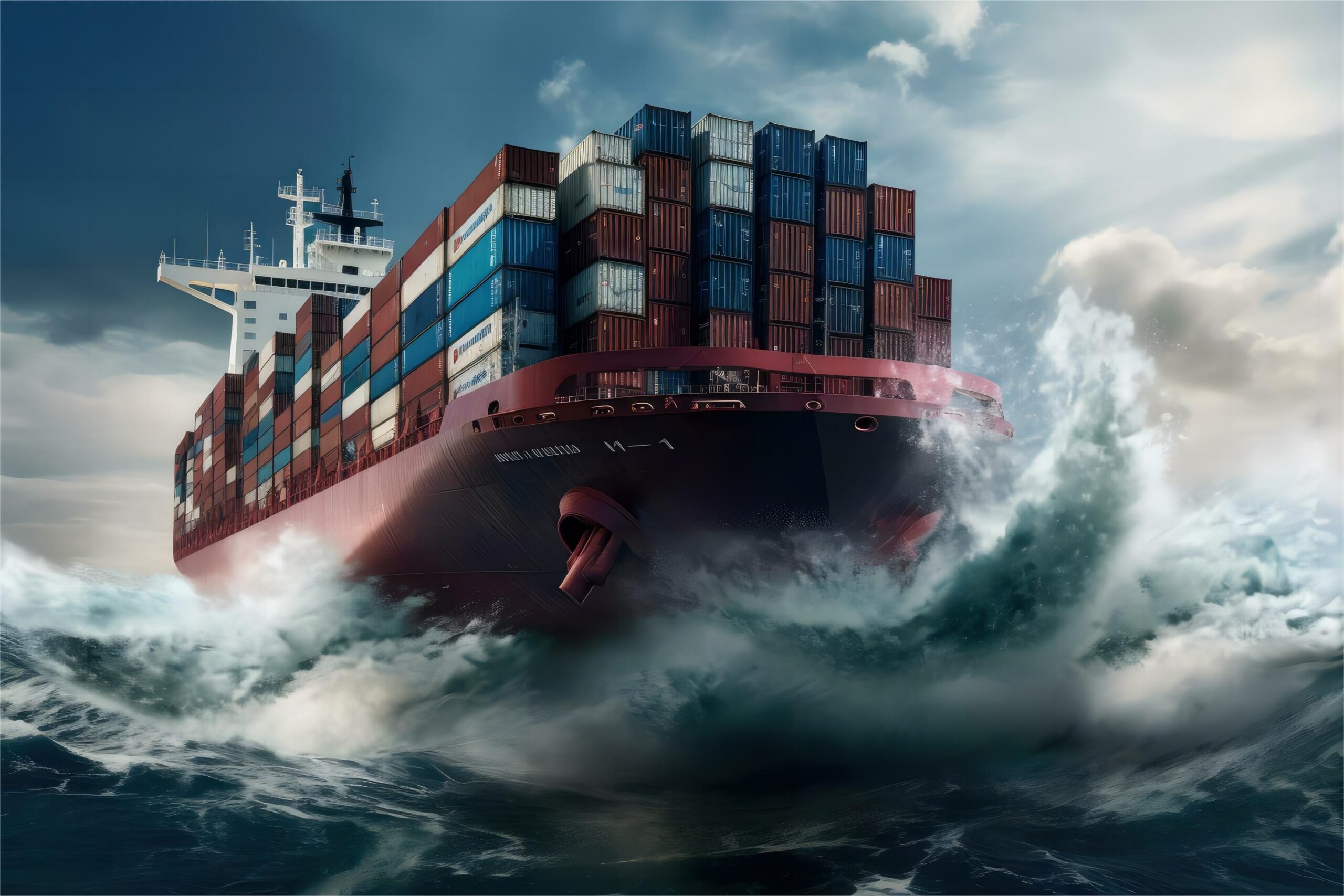
What Influences the Open Top FCL Transit Time for Machinery from China to Los Angeles?
Several critical factors determine the speed at which your specialized containers move across the ocean. Firstly, the choice of departure port in China plays a significant role in the overall timeline. For instance, shipments leaving from Shanghai or Ningbo often benefit from more frequent sailings compared to smaller regional ports. Consequently, choosing a major hub can reduce the waiting time for the next available vessel space.
Carrier selection remains another vital component of the logistics chain. Different shipping lines offer varying service speeds, with some providing direct express routes and others opting for transshipment points. Moreover, the specific handling requirements for Out of Gauge (OOG) cargo can sometimes lead to longer loading times. Workers must carefully secure the machinery using specialized lashings, which requires more precision than standard dry van loading.
Weather conditions and seasonal demand also impact the schedule significantly. During the peak shipping season from August to October, port congestion in Southern California often increases, leading to delays at the berth. Furthermore, transpacific winter storms can force vessels to take longer routes or reduce speed for safety. Therefore, businesses should always build a buffer into their supply chain planning to account for these unpredictable elements.
How Does Open Top FCL Compare to Other Shipping Options?
Understanding the differences between shipping methods is essential for optimizing your budget and timeline. While Open Top containers are ideal for machinery that must be loaded from above, other methods like Flat Rack or RoRo might be more suitable depending on the dimensions. Specifically, sea freight remains the most cost-effective solution for large-scale industrial equipment.
Alternative strategies such as air freight are available for urgent components, though the cost is significantly higher. For example, moving a 10-ton machine via air could cost five to ten times more than ocean transport. In contrast, RoRo (Roll-on/Roll-off) is excellent for self-propelled machinery but offers less protection from the elements than a containerized solution. Choosing the right method depends on your specific priorities regarding speed, safety, and total landed cost.
| Shipping Method | Cost Range | Transit Time | Best For |
|---|---|---|---|
| Open Top FCL | $2,800 – $4,500 | 14 – 22 Days | Tall Machinery |
| Flat Rack | $3,500 – $6,000 | 16 – 25 Days | Wide/Heavy Cargo |
| RoRo | $2,000 – $4,000 | 20 – 30 Days | Wheeled Equipment |
| Air Freight | $15,000+ | 3 – 7 Days | Urgent Spare Parts |
Typical Transit Times from Major Chinese Ports to Los Angeles
The geographic location of your supplier in China dictates the initial leg of the journey. Northern ports like Tianjin might have slightly longer transit times due to the distance to the main transpacific shipping lanes. On the other hand, ports in the Yangtze River Delta and the Pearl River Delta offer some of the fastest connections to the United States West Coast.
Direct services from Shanghai to Los Angeles are among the quickest in the industry. Some premium carriers can complete the ocean crossing in as little as 12 to 14 days under ideal conditions. However, standard services typically range between 16 and 18 days. Meanwhile, shipments from Shenzhen or Guangzhou usually take around 18 to 22 days, depending on whether the vessel makes intermediate stops in Busan or Yokohama.
| Origin Port | Destination | Direct Transit | Transshipment |
|---|---|---|---|
| Shanghai | Los Angeles | 14 Days | 21 Days |
| Ningbo | Los Angeles | 15 Days | 22 Days |
| Shenzhen | Los Angeles | 18 Days | 25 Days |
| Qingdao | Los Angeles | 17 Days | 24 Days |

Handling Urgent Cargo: When to Choose Air Freight
In situations where a production line is down, the standard Open Top FCL transit time for machinery from China to Los Angeles might be too slow. This is where air freight becomes a necessary alternative despite the higher expense. Most industrial importers use air transport for critical replacement parts or smaller, high-value modules that fit within a cargo plane’s fuselage.
Logistics managers must weigh the cost of the freight against the cost of downtime. If a delay in receiving machinery results in thousands of dollars in lost revenue per day, the premium for air transport is easily justified. Additionally, air shipments bypass the potential for port congestion at the Port of Los Angeles, moving instead through LAX with faster customs processing. Nevertheless, for the bulk of heavy machinery, ocean freight remains the primary choice due to volume and weight constraints.
Navigating Customs Brokerage for Heavy Machinery Imports
Clearance procedures in the United States can significantly affect the total door-to-door time. Utilizing a professional customs brokerage service is essential for ensuring all documentation is compliant with U.S. Customs and Border Protection (CBP). Machinery often falls under complex HTS codes that determine the applicable tariffs and duties.
Importers must provide detailed packing lists, commercial invoices, and technical specifications for the equipment. Specifically, for used machinery, there are strict environmental and safety regulations that must be met. If the documentation is incomplete, the cargo may be flagged for an intensive exam, adding 5 to 10 days to the total schedule. Consequently, proactive document preparation is the best way to maintain a smooth delivery timeline.
The Benefits of Door to Door Logistics for Oversized Equipment
Managing the last mile of delivery is often the most challenging part of shipping machinery. A comprehensive door to door service simplifies this process by coordinating the ocean freight, customs clearance, and inland trucking. Since Open Top containers often carry cargo that exceeds standard height limits, specialized trailers like low-boys or drop-decks are required for the final delivery.
Choosing an integrated solution reduces the risk of communication gaps between different service providers. Moreover, it allows for better tracking and visibility throughout the entire journey. For instance, the forwarder can arrange for a crane to be on-site at the final destination exactly when the container arrives. This level of coordination is vital for heavy equipment that cannot be unloaded using standard warehouse docks.

Case Study 1: CNC Milling Machine from Shanghai to Los Angeles
Case Study 1: High-Precision CNC Center. Route: Shanghai, China to Los Angeles, USA. Cargo: CNC Milling Machine, 12 CBM, 8,500 kg. Container: 20ft Open Top (OOG). Shipping Details: Carrier: Major direct carrier. Port of Loading: Shanghai Yangshan. Port of Discharge: Los Angeles (WBCT). Route Type: Direct. Cost Breakdown: Ocean Freight: $3,250. Origin Charges: $450. Destination Charges: $600. Customs and Duties: $1,200. Total Landed Cost: $5,500. Timeline: Booking to Loading: 4 days. Sea Transit: 14 days. Customs Clearance: 2 days. Total Door-to-Door: 20 days. Key Insight: Pre-filing ISF and using a direct service avoided congestion during the Q4 peak season.
Case Study 2: Industrial Excavator from Ningbo to Los Angeles
Case Study 2: Construction Excavator. Route: Ningbo, China to Los Angeles, USA. Cargo: Hydraulic Excavator, 25 CBM, 15,000 kg. Container: 40ft Open Top. Shipping Details: Carrier: Global alliance carrier. Port of Loading: Ningbo-Zhoushan. Port of Discharge: Los Angeles (Trapac). Route Type: Direct. Cost Breakdown: Ocean Freight: $4,100. Origin Charges: $550. Destination Charges: $850. Customs and Duties: $2,400. Total Landed Cost: $7,900. Timeline: Booking to Loading: 6 days. Sea Transit: 16 days. Customs Clearance: 3 days. Total Door-to-Door: 25 days. Key Insight: Heavy lift requirements at the destination required a specialized tri-axle chassis, which was booked 7 days in advance to ensure availability.
Which Option Should You Choose for Your Machinery?
Deciding on the best shipping strategy requires a balance of cost, speed, and cargo safety. If your budget is the primary concern and the machinery is over-height, the Open Top FCL is usually the most economical choice. However, if the machine is also over-width, a Flat Rack might be necessary despite the higher cost. For those needing the fastest possible delivery, our express service options can help expedite the process.
Speed priority dictates choosing direct carriers with guaranteed space, even if the freight rate is 10-15% higher. Conversely, if you have a flexible schedule, you can save money by opting for transshipment routes or booking during the slack season (typically February to April). Always consider the total landed cost, including the specialized trucking required for OOG containers, rather than just the ocean freight rate itself.
Cost-Saving Strategies and Market Trends for 2025
As of early 2025, freight rates have stabilized, but fuel surcharges remain a variable factor. To save on costs, importers should consider consolidating smaller machinery parts into a single 40ft Open Top rather than two 20ft containers. Furthermore, booking at least 3-4 weeks in advance can help secure lower contract rates and ensure equipment availability, as Open Top containers are in shorter supply than standard units.
Market data suggests that digital tracking and automated customs filings are becoming industry standards, reducing the likelihood of administrative delays. Notably, some carriers are introducing ‘green’ shipping lanes with lower carbon footprints, which may offer tax incentives for certain U.S. importers. Note: Freight rates are subject to change based on fuel costs, carrier capacity, and seasonal demand. Contact us for a current quote tailored to your specific shipment.
Final Thoughts on Machinery Logistics
Navigating the Open Top FCL transit time for machinery from China to Los Angeles requires a combination of technical knowledge and strategic planning. By understanding the factors that influence transit times, such as port choice and carrier service levels, importers can better manage their inventory and production schedules. Whether you are moving a single CNC machine or an entire factory line, the right logistics partner makes all the difference.
To summarize, while the average sea transit is 14 to 22 days, the total door-to-door time is often closer to 25 to 35 days when accounting for loading, customs, and final delivery. Staying informed about market trends and utilizing specialized services like customs brokerage and door-to-door transport will ensure your machinery arrives safely and on time. Let us help you streamline your next transpacific shipment.

Ready to streamline your logistics?
Planning your next machinery shipment from China? Ensure a seamless experience by calculating your Open Top FCL transit time for machinery from China to Los Angeles with our expert team. Visit Top China Forwarder today to request a personalized quote and optimize your global supply chain. Send Inquiry link: Visit https://topchinaforwarder.com/contact-us/
Request Quote