

Open Top FCL shipping cost for solar panels from China to Europe: 2025 Guide
Transporting renewable energy equipment requires specialized logistics solutions to ensure safety and efficiency. For businesses seeking reliable transportation, Top China Forwarder offers comprehensive expertise in managing complex global supply chains. Specifically, calculating the Open Top FCL shipping cost for solar panels from China to Europe is a critical step for project managers aiming to maintain profitability in a competitive market. This guide provides a detailed analysis of current market rates and the technical advantages of using specialized equipment for your photovoltaic modules.
Understanding Open Top FCL Shipping Cost for Solar Panels from China to Europe
Open top containers are unique because they allow for loading from the top using cranes, which is often necessary for oversized or heavy solar equipment. Consequently, the pricing for these units differs significantly from standard dry van containers due to equipment scarcity and handling requirements.
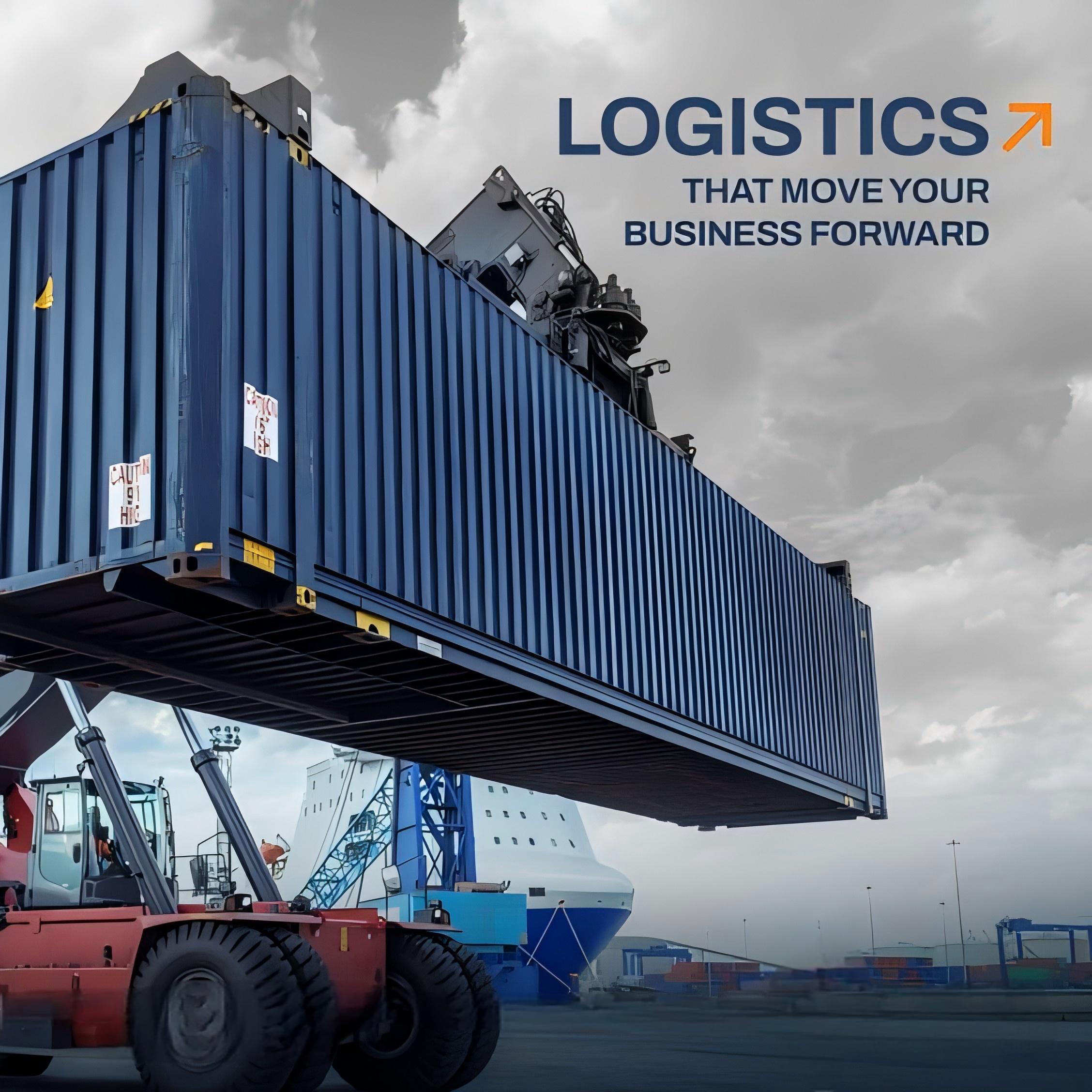
Moreover, the Open Top FCL shipping cost for solar panels from China to Europe is influenced by the specialized nature of the cargo. Because these containers lack a solid roof, they require heavy-duty tarpaulins to protect the sensitive solar cells from environmental damage during the long sea voyage.
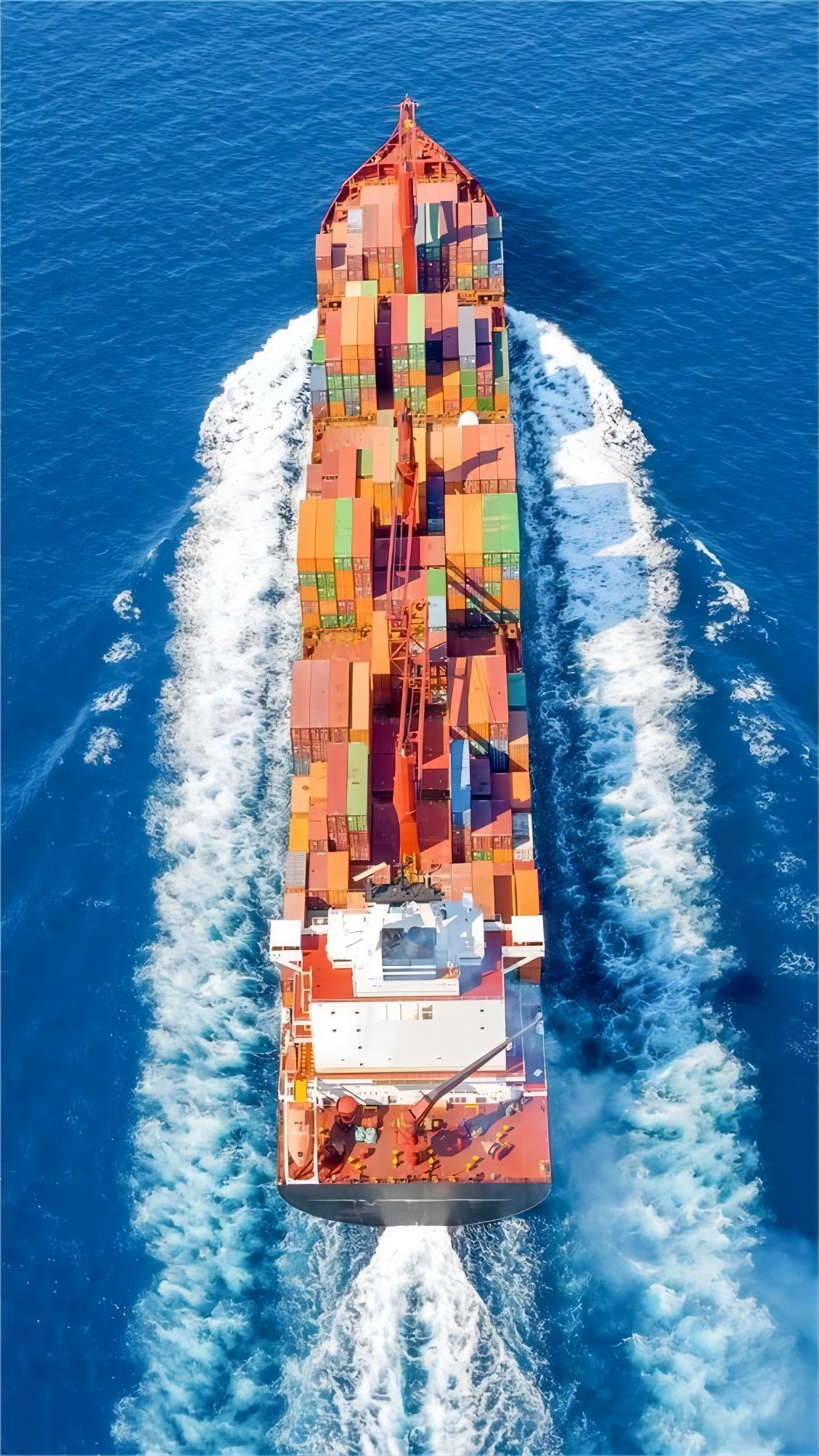
Furthermore, choosing sea freight for these shipments is the most common method for large-scale energy projects. However, importers must account for the additional surcharges often applied to special equipment like open tops.
How Does Open Top FCL Compare to Other Shipping Options?
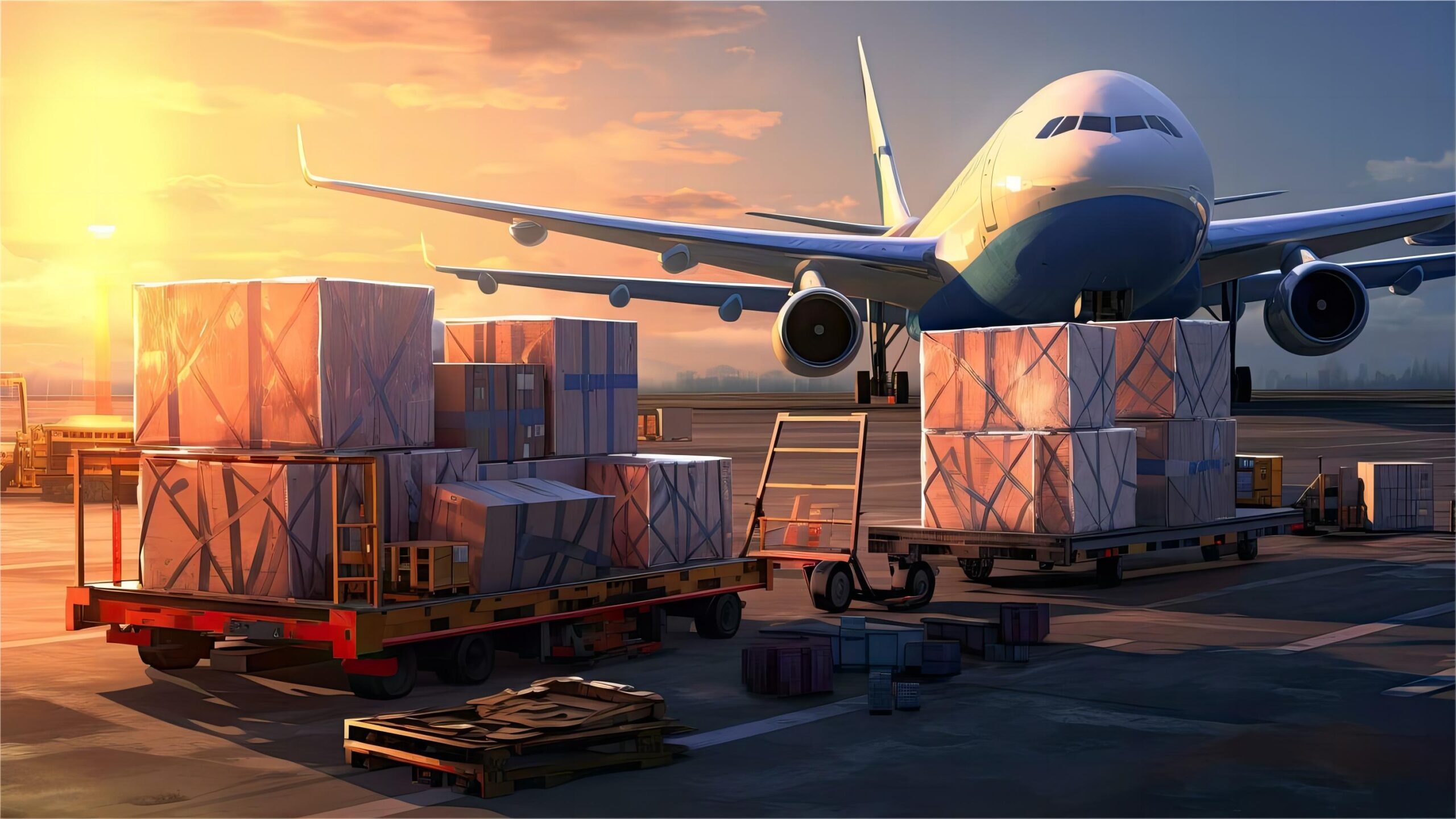
Evaluating different transport modes is essential for optimizing your logistics budget. While open top containers offer ease of loading, they are generally more expensive than standard 40HQ containers.
Additionally, the availability of these containers can fluctuate, especially during peak seasons. Therefore, comparing sea, rail, and air options helps in making an informed decision for your Europe bound shipments.
In contrast, standard containers may be cheaper but might not accommodate the specific dimensions of pre-assembled solar arrays. Consequently, the trade-off between equipment cost and labor efficiency at the port must be carefully weighed.
| Shipping Method | Cost Range (USD) | Transit Time | Best For |
|---|---|---|---|
| Open Top FCL (40OT) | $4,500 – $6,500 | 30 – 40 Days | Oversized/Crane Loading |
| Standard FCL (40HQ) | $3,200 – $4,800 | 30 – 40 Days | Standard Pallets |
| Rail Freight | $6,000 – $8,500 | 18 – 22 Days | Urgent Large Loads |
| Air Freight | $15,000+ | 5 – 8 Days | Emergency Spares |
Key Factors Influencing the Open Top FCL Shipping Cost for Solar Panels from China to Europe
Several variables impact the final invoice you receive from your freight forwarder. Firstly, the current price of low-sulfur fuel directly affects the bunker adjustment factor applied to ocean freight rates.
Secondly, seasonal demand plays a massive role in pricing. For instance, rates typically spike during the months leading up to the Chinese New Year as exporters rush to clear their inventories.
Thirdly, the destination port in Europe significantly changes the land-side costs. Ports like Rotterdam or Hamburg may have different handling fees compared to Mediterranean ports like Piraeus or Valencia.
Finally, the complexity of customs brokerage services can add to the overall expenditure. Ensuring all renewable energy incentives and certifications are in order is vital to avoid costly delays at the border.
Breakdown of Cost Components for Solar Shipments
To accurately estimate the Open Top FCL shipping cost for solar panels from China to Europe, you must look beyond the base ocean freight. Local charges at the port of loading, such as Terminal Handling Charges (THC) and document fees, are unavoidable.
In addition, destination charges in Europe include port dues, unloading fees, and potential storage costs if the cargo is not cleared promptly. Therefore, a transparent breakdown is necessary for effective financial planning.
Moreover, insurance for high-value solar panels is highly recommended. Typically, this adds a small percentage to the total value but provides peace of mind against transit damage or maritime accidents.
| Cost Category | Estimated Amount | Frequency | Notes |
|---|---|---|---|
| Ocean Freight | $4,000 – $5,500 | Per Container | Fluctuates monthly |
| THC (Origin/Dest) | $300 – $600 | Per Container | Port specific |
| Customs Clearance | $150 – $300 | Per Entry | Varies by country |
| Insurance | 0.3% – 0.5% | Per Invoice | Based on CIF value |
Realistic Case Studies for Solar Panel Shipments
Examining real-world scenarios provides clarity on how these costs manifest in actual transactions. Below are two examples based on market data from late 2024 and early 2025.
Case Study 1: Route: Ningbo, China to Rotterdam, Netherlands. Cargo: 400 Photovoltaic Modules, 65 CBM. Container: 40ft Open Top. Ocean Freight: $5,200. Origin Charges: $450. Destination Charges: $550. Customs: $200. Total Landed Cost: $6,400. Sea Transit: 33 days. Key Insight: Using an open top allowed for vertical crane loading, reducing labor costs by 15% compared to manual side-loading.
Case Study 2: Route: Shanghai, China to Hamburg, Germany. Cargo: Solar Inverters and Racking, 45 CBM. Container: 20ft Open Top. Ocean Freight: $3,800. Origin Charges: $380. Destination Charges: $420. Customs: $180. Total Landed Cost: $4,780. Sea Transit: 35 days. Key Insight: Booking 4 weeks in advance secured a lower equipment imbalance surcharge during a period of container shortage.
Note: Freight rates are subject to change based on fuel costs, carrier capacity, and seasonal demand. Contact us for a current quote tailored to your specific shipment.
Transit Times and Route Options to Europe
The time it takes for your cargo to arrive is just as important as the cost. Most direct vessels from major Chinese ports like Shenzhen or Qingdao reach Northern Europe in approximately 30 to 35 days.
However, choosing a transshipment route might lower the Open Top FCL shipping cost for solar panels from China to Europe. While this saves money, it often adds 7 to 10 days to the total transit time due to port stays in Singapore or Colombo.
For those requiring faster arrival, door to door services can streamline the process. This integrated approach ensures that the transition from sea to rail or truck is handled seamlessly, minimizing idle time.
How to Reduce Your Open Top FCL Shipping Cost for Solar Panels from China to Europe
Strategic planning is the most effective way to lower your logistics expenses. One approach is to optimize the packaging of the solar panels to maximize the internal volume of the open top container.
Furthermore, negotiating long-term contracts with carriers can provide price stability against market volatility. If your project has a consistent volume, this strategy is highly beneficial.
Additionally, consider utilizing rail freight if the cost of sea-based open tops becomes prohibitive during peak ocean seasons. Rail can sometimes offer more predictable pricing for inland European destinations.
Finally, ensuring all documentation is accurate prevents demurrage and detention fees. These penalties can quickly escalate, negating any savings achieved on the base freight rate.
Which Option Should You Choose?
Deciding on the best shipping method depends on your specific project priorities. If budget is the primary concern and the panels are standard size, a 40HQ dry container is usually the winner.
However, if your panels are oversized or the installation site requires crane-offloading directly from the container, the open top is indispensable. The extra cost is justified by the reduction in site handling risks and labor time.
For urgent replacements or small-scale pilot projects, air freight or LCL might be considered, though they are rarely cost-effective for full solar arrays. Always consult with a professional logistics partner to analyze the total landed cost of each alternative.
Final Thoughts on Solar Logistics
Managing the Open Top FCL shipping cost for solar panels from China to Europe requires a balance of technical knowledge and market timing. By understanding the various cost components and equipment options, you can ensure your solar project remains financially viable.
In summary, while open top containers carry a premium, their efficiency in handling specialized cargo is often unmatched. Partnering with an experienced forwarder will help you navigate the complexities of international trade and secure the best possible rates for your green energy investments.
Ready to streamline your logistics?
Ready to optimize your renewable energy supply chain? Contact us today to get a precise and competitive Open Top FCL shipping cost for solar panels from China to Europe tailored to your project requirements. Send Inquiry:
Request Quote