

Flat Rack FCL Insurance for Machinery from China to Seattle: 2025 Guide
Shipping heavy machinery across the Pacific demands rigorous safety protocols and financial safeguards. Top China Forwarder specializes in managing these high-stakes logistics operations for global manufacturers. Obtaining robust Flat Rack FCL insurance for machinery from China to Seattle is the most effective way to mitigate financial exposure during the long ocean voyage.
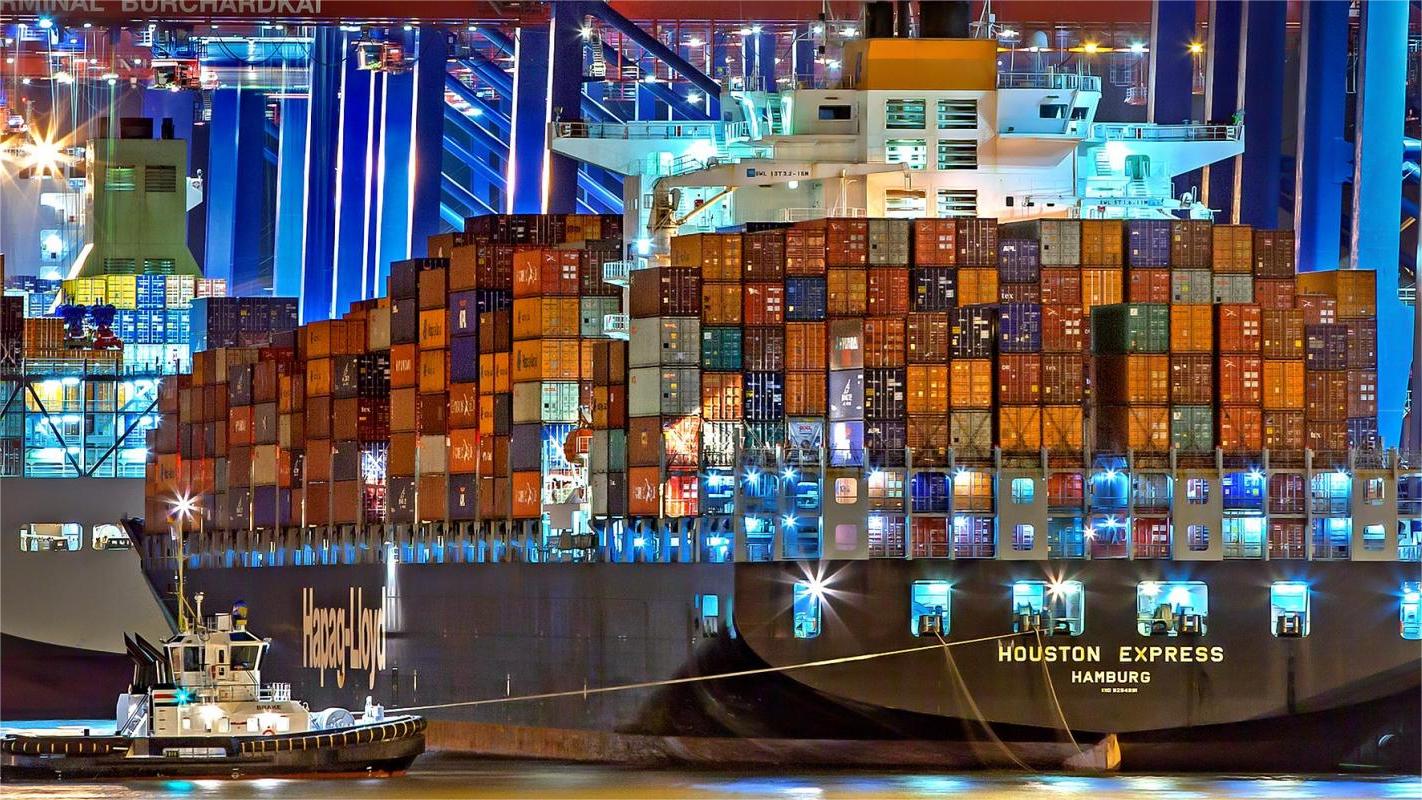
What is Flat Rack FCL Insurance for Machinery from China to Seattle?
Flat rack containers are essential for transporting oversized or heavy equipment that does not fit in standard dry vans. Because these containers lack side walls and a roof, the cargo is more exposed to environmental elements and handling risks. Consequently, specialized insurance becomes a necessity rather than an option for high-value industrial assets.
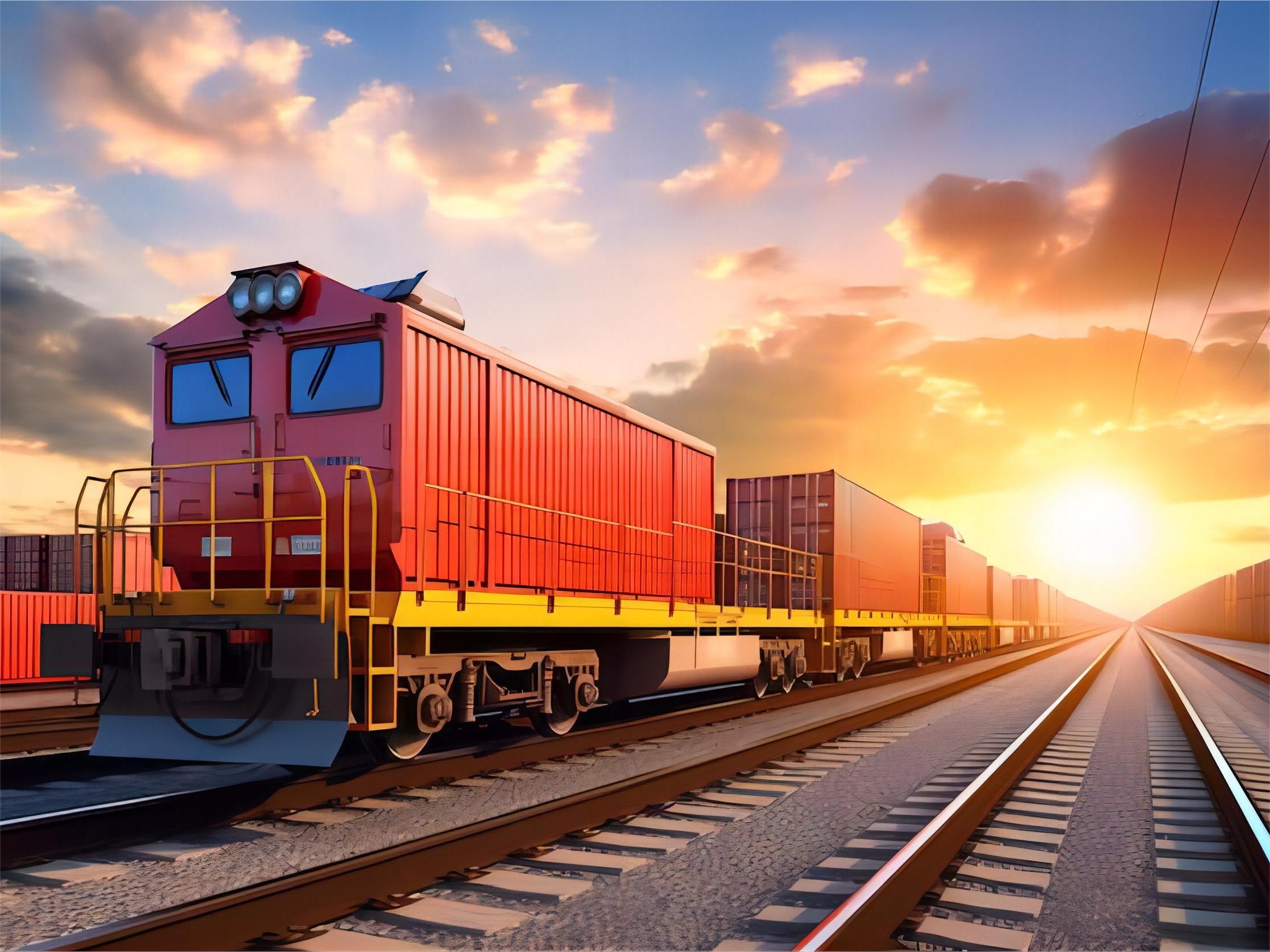
Comprehensive coverage typically protects against physical loss or damage caused by heavy seas, shifting loads, or port accidents. Moreover, Flat Rack FCL insurance for machinery from China to Seattle covers the specific risks associated with out-of-gauge cargo. This includes protection during the loading phase at major Chinese ports like Shanghai or Ningbo.
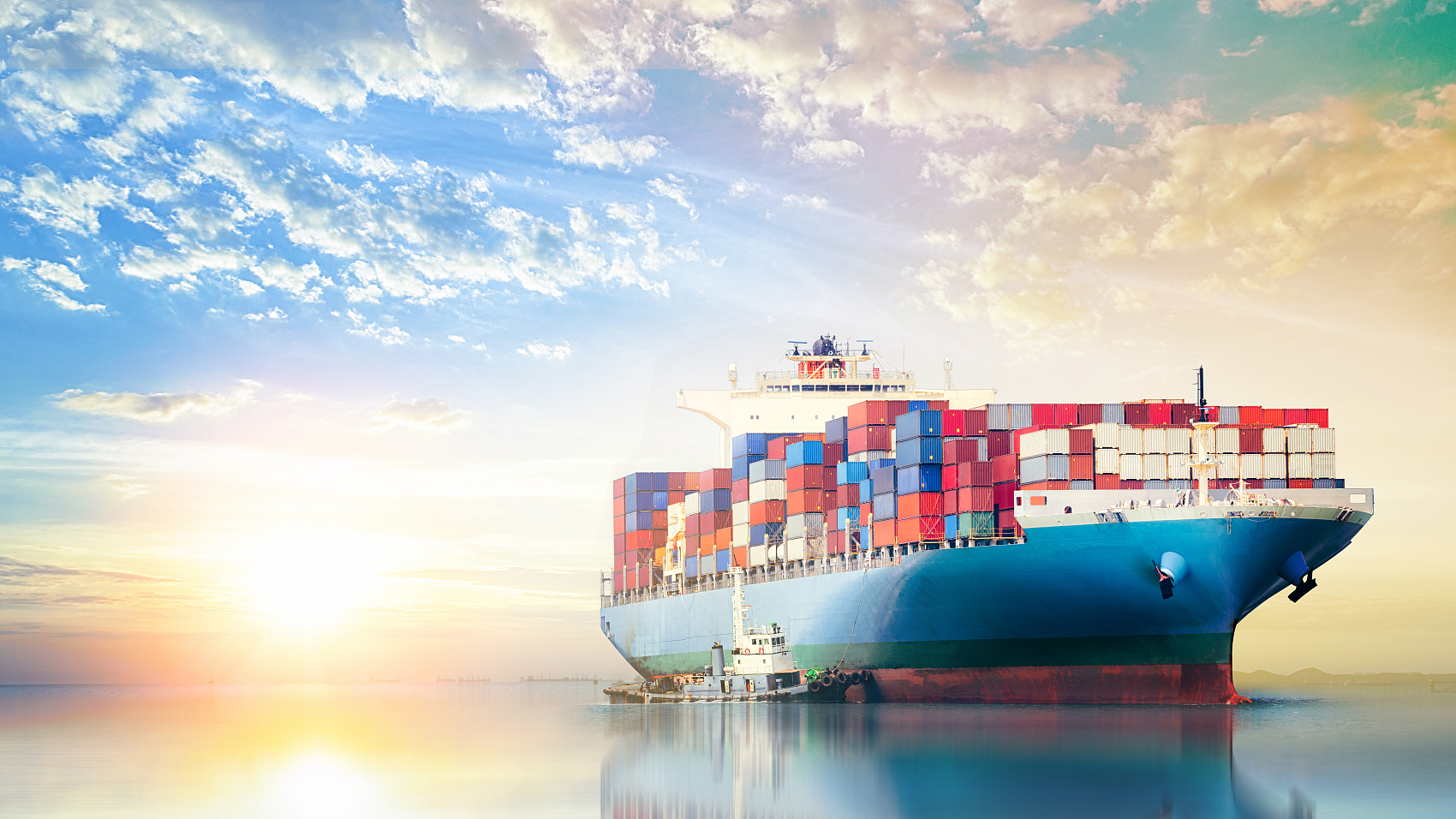
Furthermore, sea freight policies for flat racks often include clauses for lashing and securing failures. If the machinery is not properly fastened, the financial consequences of a transit accident can be devastating without the right policy. Therefore, importers must understand the nuances of marine insurance before booking their space.
How Does Flat Rack FCL Insurance Compare to Other Shipping Options?
Comparing different transport methods is vital for determining the most cost-effective and secure way to move your machinery. While flat racks offer flexibility for wide or tall equipment, other methods like RORO or breakbulk might be applicable. However, FCL flat racks usually provide a better balance of speed and protection for specific machinery types.
Air freight remains an alternative for smaller components, but it is rarely feasible for entire heavy machines. In contrast, sea-based solutions remain the industry standard for transpacific routes due to their massive capacity. Additionally, the insurance premiums for flat racks are generally higher than standard containers because of the increased exposure.
Nevertheless, choosing the right method depends on your budget and the physical dimensions of the cargo. The following table provides a detailed comparison of the primary shipping methods available for the China to Seattle route.
| Flat Rack FCL | $3,500 – $6,500 | 15-20 Days | Oversized Machinery |
| Standard FCL | $2,500 – $4,000 | 14-18 Days | Boxed Equipment |
| RORO Service | $2,000 – $5,000 | 25-35 Days | Self-Propelled Units |
| Air Freight | $15,000+ | 3-7 Days | Urgent Spare Parts |
Key Factors Influencing Machinery Shipping Costs and Insurance Rates
Several variables dictate the final price of your logistics and insurance package. Primarily, the declared value of the machinery is the biggest driver of insurance premiums. Most insurers charge a percentage of the total commercial value, often ranging from 0.3% to 0.7% for international routes.
Additionally, the complexity of the cargo handling affects the overall shipping cost. If your equipment requires specialized cranes or extra lashing materials, the port charges will increase. Using a professional customs brokerage service can help you navigate these costs efficiently while ensuring compliance.
Meanwhile, seasonal demand significantly impacts ocean freight rates from China to the United States. During peak seasons, such as the months leading up to the holidays, carrier capacity tightens and prices rise. Consequently, booking your Flat Rack FCL insurance for machinery from China to Seattle in advance is a wise strategy.
Essential Documentation for Importing Machinery to Seattle
Proper documentation is the backbone of successful international trade and insurance claims. You must provide a detailed commercial invoice, a packing list, and a bill of lading for every shipment. Without these documents, customs clearance in Seattle can become a lengthy and expensive nightmare.
Furthermore, specific certificates of origin may be required to determine duty rates under current trade agreements. For machinery, technical drawings or photos of the lashing points are often requested by insurers to prove the cargo was secured correctly. Indeed, having these records ready simplifies the process of filing a claim if damage occurs.
Moreover, North America trade regulations frequently change, making it essential to stay updated on tariff updates. Working with an experienced forwarder ensures that all paperwork meets the latest US Customs and Border Protection requirements. This proactive approach minimizes the risk of port delays and additional storage fees.
Real-World Case Studies: Machinery Shipments to Seattle
Examining actual shipping scenarios provides valuable insights into the practicalities of transpacific logistics. These examples illustrate how different machinery types are handled and insured during their journey from China. Each case highlights the importance of choosing the right container and coverage level.
Case Study 1: Heavy Industrial Lathe. Origin: Shanghai, China. Destination: Seattle, WA. Cargo: 12-ton CNC Lathe. Container: 40ft Flat Rack. Shipping Details: Direct service via major carrier. Cost Breakdown: Ocean freight $4,500, Insurance $450, Port charges $600. Timeline: 18 days door-to-door. Key Insight: Proper shrink-wrapping prevented salt-water corrosion during transit.
Case Study 2: Construction Excavator. Origin: Ningbo, China. Destination: Seattle, WA. Cargo: Hydraulic Excavator. Container: 20ft Flat Rack. Shipping Details: Transshipment via Busan. Cost Breakdown: Ocean freight $3,200, Insurance $380, Customs duties $1,200. Timeline: 22 days total. Key Insight: Flat Rack FCL insurance for machinery from China to Seattle covered a minor hydraulic leak discovered upon arrival.
Which Option Should You Choose? Decision Framework
Choosing between different shipping and insurance options requires a clear understanding of your priorities. If your primary goal is cost reduction, you might consider longer transit times with transshipment options. However, for high-value machinery, speed and direct routing often provide better safety margins.
Budget priority: For shipments with tight margins, look for LCL options if the machinery can be dismantled. If the unit must stay whole, a 20ft flat rack is generally more economical than a 40ft version. Always ensure the insurance policy covers the full replacement value including freight costs.
Speed priority: If the equipment is needed for a specific project deadline, prioritize direct sailings from Shanghai to Seattle. These routes typically take 14 to 16 days. Additionally, opting for door to door service reduces the time spent coordinating between different logistics providers.
Cargo type considerations: Delicate electronic machinery requires climate-controlled standard containers if possible. Conversely, rugged construction equipment is perfectly suited for flat racks. Regardless of the method, securing Flat Rack FCL insurance for machinery from China to Seattle remains the best way to manage risk.
Alternative Strategies for Machinery Logistics
Beyond standard flat racks, importers can explore hybrid solutions to optimize their supply chain. For instance, shipping to a different West Coast port and trucking the machinery to Seattle might occasionally save money. Nevertheless, the additional handling involved in this strategy increases the risk of damage.
Another alternative is the use of breakbulk shipping for exceptionally large machinery that exceeds flat rack dimensions. While this method is slower, it allows for the transport of massive industrial components. Consequently, you must ensure your insurance policy specifically addresses breakbulk risks, which differ from containerized cargo.
Finally, consider air freight for critical components while shipping the main chassis via sea. This ‘split shipment’ strategy ensures that sensitive parts are not exposed to the ocean environment. While air freight is more expensive, it can save thousands in project delay penalties.
Final Thoughts on Machinery Shipping Security
Navigating the complexities of international machinery transport requires expertise, planning, and the right protection. By securing Flat Rack FCL insurance for machinery from China to Seattle, you safeguard your business against the unpredictable nature of ocean freight. Remember that the cheapest shipping option is rarely the safest when dealing with high-value industrial assets.
Investing in quality insurance and professional logistics services provides peace of mind and financial stability. As market conditions in 2025 continue to evolve, staying informed about shipping trends and insurance requirements is essential. Trust the experts to handle your cargo with the care and precision it deserves.
Ready to streamline your logistics?
Protect your heavy equipment today with a customized logistics plan. Contact Top China Forwarder to get a competitive quote on Flat Rack FCL insurance for machinery from China to Seattle. Visit our website or send an inquiry to start your secure shipment now.
Request Quote