

FCL shipping for machinery from China to New Jersey: The Complete Guide
Transporting heavy industrial equipment across the ocean requires a meticulous approach to logistics and planning. By partnering with Top China Forwarder, you can navigate the complexities of international trade with confidence and ease. FCL shipping for machinery from China to New Jersey represents the most secure and efficient method for moving large-scale assets to the United States East Coast. This guide provides comprehensive insights into the costs, timelines, and documentation necessary for a successful machinery import operation.

Why Choose FCL Shipping for Machinery from China to New Jersey?
Full Container Load (FCL) shipping stands as the gold standard for transporting high-value industrial equipment and heavy hardware. Specifically, when you utilize sea freight, you gain exclusive access to the entire container space, which significantly reduces the risk of damage from other cargo. This exclusivity is paramount for delicate machinery that requires specialized blocking and bracing to withstand the rigors of ocean transit.
Moreover, FCL shipping offers a more streamlined logistics process compared to Less than Container Load (LCL) options. Because your cargo does not need to be consolidated or deconsolidated at various warehouses, the overall handling is minimized. Consequently, you experience fewer delays and a lower probability of mid-transit mishaps. Therefore, for businesses importing large-scale manufacturing units, FCL is the most logical choice.
Additionally, the cost-effectiveness of FCL becomes apparent when shipping volumes exceed 15 cubic meters. Indeed, the flat rate for a container often proves cheaper per unit than paying for individual space in a shared container. Furthermore, New Jersey ports like Newark and Elizabeth are perfectly equipped to handle these large FCL units with high-tech cranes and efficient rail connections.
How Does FCL Compare to Other Shipping Options?
Evaluating different transport modes is essential for optimizing your supply chain and managing your budget effectively. While FCL is the primary choice for machinery, alternatives like LCL and air freight serve specific needs depending on the shipment size and urgency. For instance, extremely urgent replacement parts might justify the high cost of air freight to keep a production line running.
On the other hand, FCL provides the necessary volume for complete assembly lines and oversized components. In contrast to air transport, sea freight allows for the movement of heavy items that exceed the weight limits of cargo planes. Nevertheless, you must account for the longer transit times associated with ocean routes when planning your inventory cycles.
To summarize, your choice should depend on a balance of speed, cost, and cargo volume. For most industrial applications involving heavy machinery, FCL remains the most balanced solution. Below is a detailed comparison of the viable shipping methods for this specific route.
| Shipping Method | Cost Range | Transit Time | Best For |
|---|---|---|---|
| FCL 20GP | $3,500 – $4,800 | 30-35 Days | Small Machinery |
| FCL 40HQ | $5,200 – $6,800 | 32-38 Days | Large Equipment |
| LCL Shipping | $80 – $150/CBM | 40-45 Days | Spare Parts |
| Air Freight | $6 – $12/kg | 5-8 Days | Urgent Components |
Which Option Should You Choose?
Selecting the right container size is the first step in a successful FCL shipment. If your machinery fits within the dimensions of a standard 20-foot container, you can save on freight costs while still enjoying the benefits of a full load. However, for larger projects, a 40-foot High Cube (40HQ) container provides the extra vertical space necessary for tall industrial units.
Budget priority dictates that you should almost always lean toward sea freight for anything over 500 kilograms. If speed is your primary concern, a hybrid sea-air solution might be available, though it is rarely used for heavy machinery due to weight restrictions. Most importers find that door to door service offers the best value by managing every step of the journey.
Volume thresholds are also a critical factor in your decision-making process. Once your cargo volume reaches approximately 13 to 15 cubic meters, the cost of an FCL 20GP container usually becomes more economical than LCL. Accordingly, planning your orders to fill a container can lead to significant long-term savings in your logistics budget.
Key Ports and Transit Times for China to New Jersey
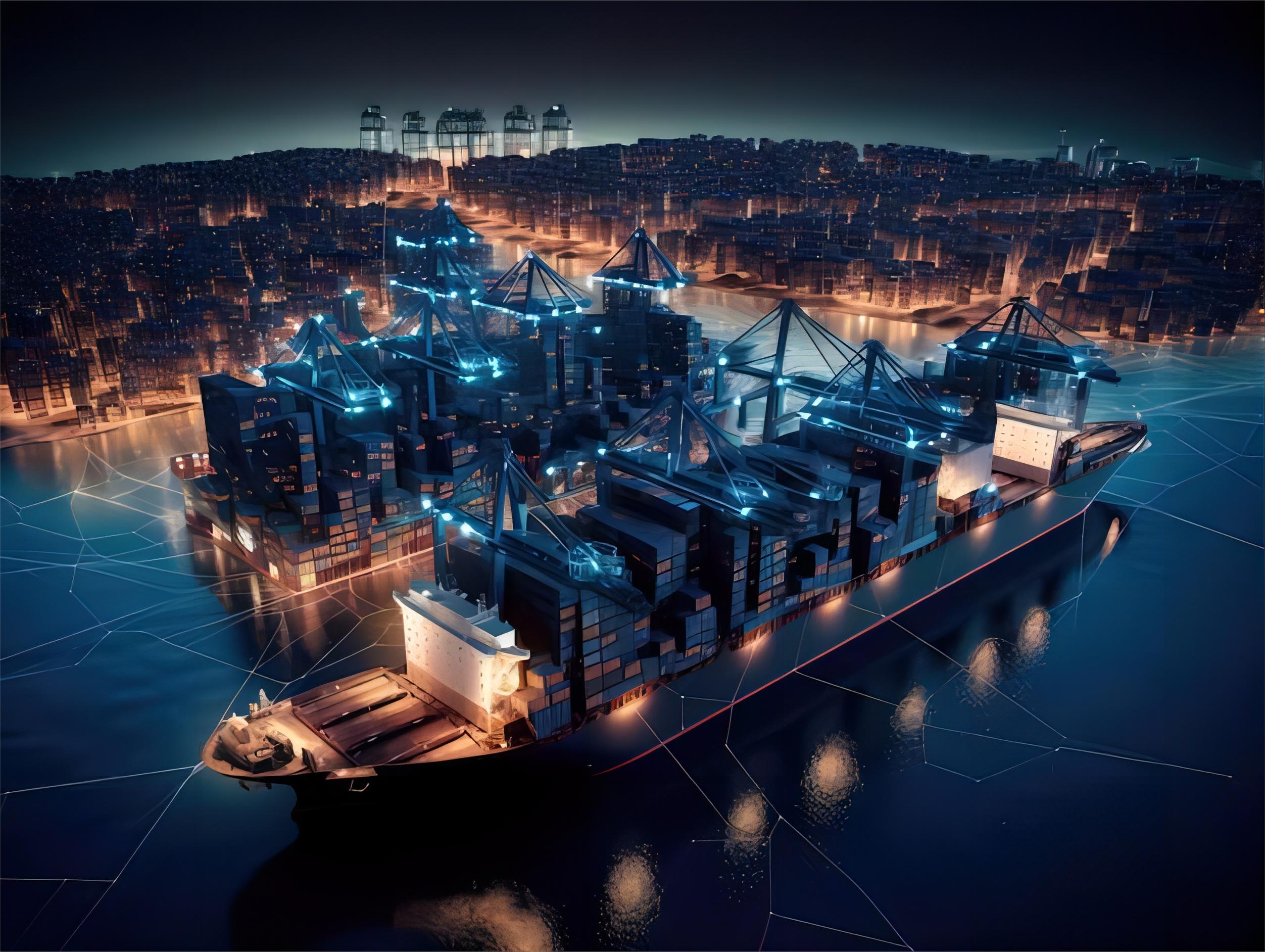
Shipping from China to the East Coast of the United States involves a long journey through either the Suez Canal or the Panama Canal. Most shipments originating from major hubs like Shanghai, Ningbo, or Shenzhen will arrive at the Port of New York and New Jersey. This port complex is the busiest on the East Coast and offers unparalleled access to the tri-state area.
Typically, the transit time for FCL shipping for machinery from China to New Jersey ranges between 30 and 40 days. Factors such as weather conditions, canal congestion, and port productivity can influence these timelines. Meanwhile, choosing a direct service rather than one with multiple transshipments can shave several days off the total delivery schedule.
Furthermore, the destination port in New Jersey is vital for your final delivery strategy. Ports like Elizabeth-Port Authority Marine Terminal and Port Newark are major gateways for North America machinery imports. Consequently, ensuring your forwarder has a strong presence in these locations is essential for smooth cargo handling.
| Origin Port | Destination Port | Carrier | Avg. Transit Time |
|---|---|---|---|
| Shanghai | Newark, NJ | COSCO / MSC | 32 Days |
| Ningbo | Elizabeth, NJ | Maersk | 34 Days |
| Shenzhen | Newark, NJ | ONE / Evergreen | 36 Days |
| Qingdao | Elizabeth, NJ | ZIM | 38 Days |
Navigating Customs Brokerage and Documentation
Importing machinery into the United States requires strict adherence to customs regulations and precise documentation. You must ensure that all commercial invoices, packing lists, and bills of lading accurately describe the machinery and its intended use. Engaging a professional customs brokerage service is highly recommended to avoid costly fines and delays.
Indeed, the Harmonized System (HS) codes for machinery can be complex, and misclassification can lead to significant duty overpayments or legal issues. Additionally, you must be aware of any Section 301 tariffs that may apply to Chinese-origin machinery. Therefore, performing a thorough customs audit before the ship leaves the Chinese port is a proactive way to safeguard your investment.
Moreover, the Environmental Protection Agency (EPA) and other federal bodies may have specific requirements for engines or industrial components. Without a doubt, having your paperwork in order before the cargo arrives in New Jersey is the best way to ensure rapid clearance. As a result, many successful importers start their documentation process weeks in advance of the actual shipping date.
Realistic Case Studies for Machinery Shipping
Case Study 1: CNC Machine from Shanghai to Newark. Route: Shanghai, China to Newark, New Jersey. Cargo: High-precision CNC Milling Machine, 18 CBM, 4,500 kg. Container: 40HQ. Shipping Details: Ocean Freight via COSCO, Direct Route. Cost Breakdown: Ocean Freight $5,400, Origin Charges $450, Destination Charges $600, Customs Duties $1,200. Total Landed Cost: $7,650. Timeline: Booking to Loading 5 days, Sea Transit 32 days, Customs Clearance 3 days. Total Door-to-Door: 40 days. Key Insight: Using a 40HQ allowed for extra padding and protection, ensuring the machine arrived in perfect calibration.
Case Study 2: Industrial Injection Molds from Ningbo to Elizabeth. Route: Ningbo, China to Elizabeth, New Jersey. Cargo: Steel Injection Molds, 12 CBM, 8,000 kg. Container: 20GP. Shipping Details: Ocean Freight via Maersk, Transshipment via Panama Canal. Cost Breakdown: Ocean Freight $3,800, Origin Charges $400, Destination Charges $550, Customs Duties $900. Total Landed Cost: $5,650. Timeline: Booking to Loading 4 days, Sea Transit 35 days, Customs Clearance 2 days. Total Door-to-Door: 41 days. Key Insight: Despite the heavy weight, the 20GP container was the most economical choice for this dense cargo.
Note: Freight rates are subject to change based on fuel costs, carrier capacity, and seasonal demand. Contact us for a current quote tailored to your specific shipment.
Cost-Saving Strategies for Machinery Importers
Reducing your total landed cost requires a combination of smart planning and strategic negotiation. For instance, booking your container at least three to four weeks in advance can help you secure lower rates before the peak season price hikes. Furthermore, consolidating multiple smaller machines into a single FCL shipment is far more efficient than sending multiple LCL loads.
Another effective strategy involves negotiating Incoterms that give you more control over the shipping process. By choosing FOB (Free on Board) instead of CIF (Cost, Insurance, and Freight), you can select your own freight forwarder and avoid hidden markups from the supplier. Consequently, you gain transparency into the actual ocean freight costs and local handling fees.
Additionally, always consider the timing of your shipments relative to Chinese holidays. Shipping before the Lunar New Year or Golden Week can be incredibly expensive and competitive. Instead, try to schedule your machinery arrivals during slack periods when carriers are more likely to offer discounted rates to fill their vessels.
Final Thoughts on Machinery Logistics
Successfully managing FCL shipping for machinery from China to New Jersey is a multifaceted task that rewards careful preparation. By understanding the nuances of container selection, transit times, and customs requirements, you can significantly reduce the risks associated with international logistics. Moreover, choosing the right partners ensures that your manufacturing capabilities remain uninterrupted by shipping delays.
Ultimately, the goal is to achieve a balance between cost-efficiency and cargo security. Whether you are importing a single machine or an entire factory line, the principles of FCL shipping remain the same. We encourage you to use the data and strategies provided in this guide to optimize your next machinery shipment and drive your business forward in the competitive New Jersey market.
Ready to streamline your logistics?
Ready to streamline your industrial supply chain? Contact Top China Forwarder today for a personalized quote on FCL shipping for machinery from China to New Jersey. Our team of experts is standing by to handle your heavy equipment with the care and precision it deserves. Visit our website to start your inquiry and secure the best market rates for your next shipment. Send Inquiry: https://topchinaforwarder.com/contact/
Request Quote