

Detention Prevention for FCL Shipping from China to New Jersey: Complete Guide
Navigating the complexities of international trade requires meticulous planning to avoid unforeseen expenses at the port. For many importers, Top China Forwarder offers the necessary expertise to achieve consistent detention prevention for FCL shipping from China to New Jersey. Consequently, understanding how to manage container turnaround times is essential for maintaining a healthy bottom line. This guide provides actionable strategies to streamline your logistics and eliminate per diem charges.

What is Detention Prevention for FCL Shipping from China to New Jersey?
Detention refers to the fees charged by carriers when an importer keeps a container beyond the agreed free time outside the port. Specifically, detention prevention for FCL shipping from China to New Jersey focuses on returning empty equipment to the terminal or depot promptly. Therefore, businesses must coordinate closely with trucking companies to ensure containers do not sit idle at warehouses.
Moreover, these charges are distinct from demurrage, which applies to cargo staying inside the port terminal. Consequently, failing to manage the container lifecycle can lead to thousands of dollars in daily penalties. Using a reliable sea freight service helps in negotiating better free time terms from the start.
Additionally, the high volume of traffic at the Port of New York and New Jersey makes scheduling difficult. Nevertheless, proactive communication with your drayage provider can mitigate the risk of late returns. Indeed, planning for the return leg is just as important as the initial delivery.
Why Are Detention Fees So Common in New Jersey?
The Port of New York and New Jersey is the busiest gateway on the East Coast of North America. As a result, terminal congestion often leads to limited appointment windows for returning empty containers. Furthermore, a shortage of available chassis can prevent truckers from moving containers back to the port on time.
Meanwhile, seasonal peaks in demand often exacerbate these infrastructure challenges. For example, during the Golden Week or Lunar New Year aftermath, the surge in volume creates significant bottlenecks. Accordingly, importers must account for these delays when calculating their delivery schedules.
Furthermore, many shippers overlook the importance of weekend terminal closures. Because many New Jersey terminals operate on restricted hours, a container picked up on Friday might incur fees if not returned by Monday. Therefore, understanding the specific operating hours of each terminal is a critical step in detention prevention.
How Does FCL Shipping Compare to Other Shipping Options?
Choosing the right method is the first step in managing your overall supply chain costs. While Full Container Load (FCL) offers the best security and speed for large volumes, other options might suit smaller or more urgent shipments. Consequently, comparing these methods helps you decide if FCL is truly the most efficient choice for your specific cargo.
For instance, Less than Container Load (LCL) allows you to share space, but it often involves more complex handling and potential delays at the warehouse. In contrast, air freight offers unmatched speed but at a significantly higher price point. Therefore, businesses must weigh the trade-offs between transit time and budget constraints.
Moreover, hybrid solutions like sea-air combinations can bridge the gap for urgent inventory needs. Nevertheless, for the majority of bulk imports, FCL remains the standard for cost-effectiveness. Note: Freight rates are subject to change based on fuel costs, carrier capacity, and seasonal demand. Contact us for a current quote tailored to your specific shipment.
| Shipping Method | Cost Range (USD) | Transit Time | Best For |
|---|---|---|---|
| FCL (40HQ) | 4,500 – 6,000 | 30-35 Days | High volume goods |
| LCL (per CBM) | 150 – 250 | 35-45 Days | Small shipments |
| Air Freight | 15,000 – 25,000 | 5-8 Days | Urgent/High value |
| Sea-Air | 8,000 – 12,000 | 15-20 Days | Balanced priority |
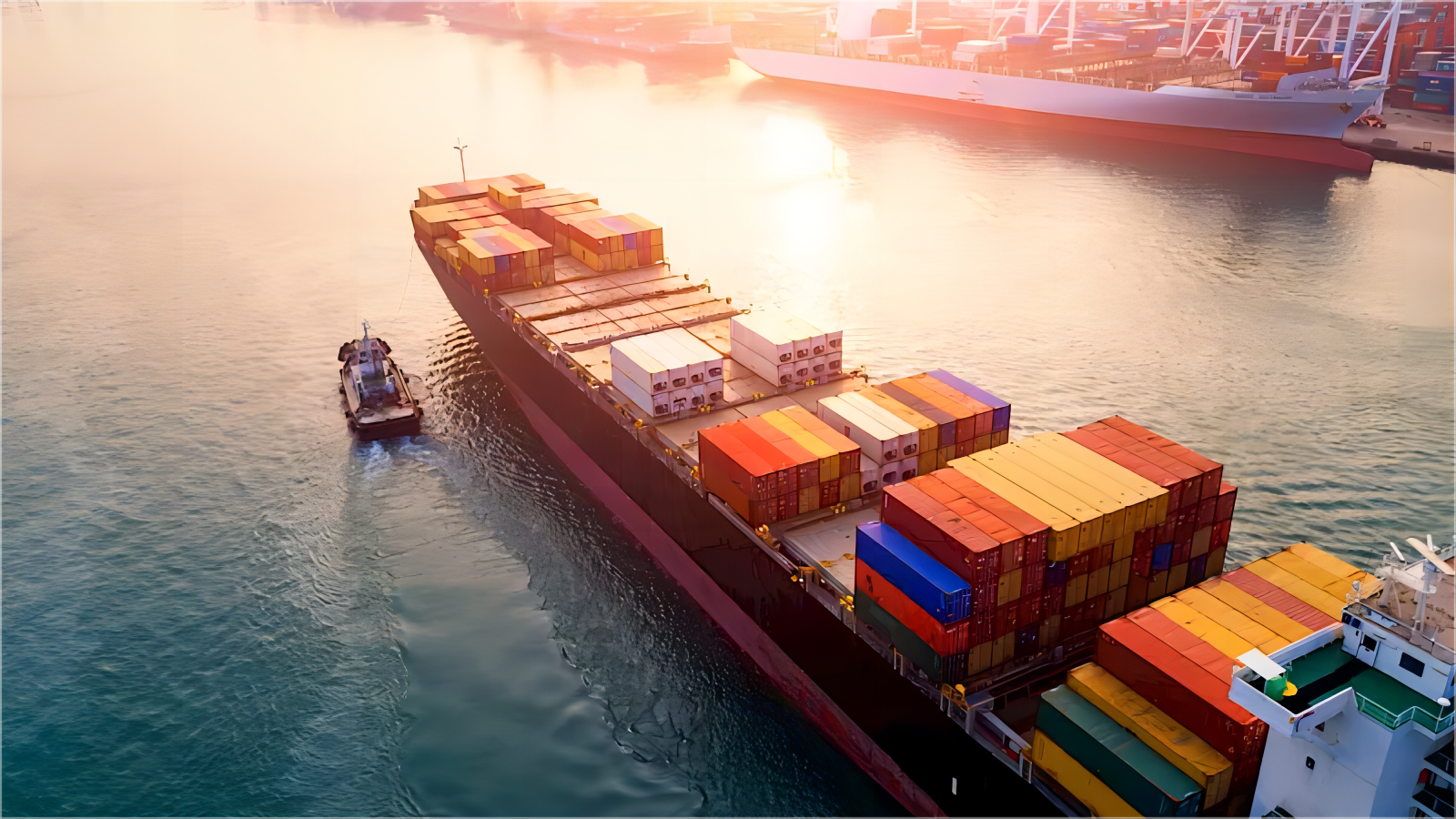
Key Strategies for Detention Prevention for FCL Shipping from China to New Jersey
Successful detention prevention starts with negotiating extended free time during the booking process. Often, carriers provide a standard 5 to 7 days of free time, but high-volume shippers can request 10 to 14 days. Consequently, having this extra buffer allows for more flexibility if the warehouse is backed up.
In addition, utilizing a professional customs brokerage ensures that your paperwork is cleared before the vessel even docks. Specifically, pre-clearing cargo prevents the container from sitting at the port, which reduces the overall time the equipment is in your possession. Therefore, document accuracy is paramount for avoiding delays.
Furthermore, implementing a ‘pre-pull’ strategy can be highly effective. This involves moving the container from the port to a secure yard near the terminal before the final delivery. As a result, the trucker can return the empty container more quickly while the cargo is still being unloaded at the warehouse.
Case Study 1: Electronics Shipment from Shanghai to Elizabeth, NJ
Box Case Study 1: High-Tech Electronics Success
Route: Shanghai, China to Elizabeth, New Jersey
Cargo: Consumer Electronics, 68 CBM, 12,000 kg
Container: 40HQ
Shipping Details:
– Carrier: COSCO
– Port of Loading: Shanghai
– Port of Discharge: Elizabeth Marine Terminal
– Route Type: Direct
Cost Breakdown:
– Ocean Freight: 5,200 USD
– Origin Charges: 350 USD
– Destination Charges: 450 USD
– Customs and Duties: 1,200 USD
– Total Landed Cost: 7,200 USD
Timeline:
– Booking to Loading: 4 days
– Sea Transit: 32 days
– Customs Clearance: 1 day
– Total Door-to-Door: 37 days
Key Insight: By negotiating 14 days of free time, the importer avoided 800 USD in detention fees when their warehouse faced a temporary labor shortage. Based on early 2025 market rates.
Case Study 2: Furniture Import from Shenzhen to Newark, NJ
Box Case Study 2: Furniture Retailer Efficiency
Route: Shenzhen, China to Newark, New Jersey
Cargo: Flat-pack Furniture, 28 CBM, 8,500 kg
Container: 20GP
Shipping Details:
– Carrier: Maersk
– Port of Loading: Yantian
– Port of Discharge: Newark Port
– Route Type: Direct
Cost Breakdown:
– Ocean Freight: 3,100 USD
– Origin Charges: 300 USD
– Destination Charges: 400 USD
– Customs and Duties: 900 USD
– Total Landed Cost: 4,700 USD
Timeline:
– Booking to Loading: 5 days
– Sea Transit: 34 days
– Customs Clearance: 2 days
– Total Door-to-Door: 41 days
Key Insight: The use of a pre-pull strategy allowed the trucker to return the container within 3 days, despite the warehouse being 100 miles from the port. Typical rates as of late 2024.
The Role of Technology in Detention Prevention
Modern supply chain visibility tools play a massive role in detention prevention for FCL shipping from China to New Jersey. For example, GPS tracking on containers provides real-time data on the location of your equipment. Consequently, logistics managers can receive automated alerts when a container is nearing its free-time limit.
Moreover, digital platforms allow for seamless sharing of delivery orders and interchange receipts. In addition, these tools help in identifying which terminals have the longest wait times. Therefore, you can instruct your driver to prioritize returns to less congested depots.
Indeed, data-driven decision-making reduces the reliance on manual spreadsheets and phone calls. Meanwhile, historical data analysis can help you identify patterns in carrier performance. By choosing carriers with better terminal access in New Jersey, you further minimize the risk of detention.
Understanding the Logistics Landscape in North America
Shipping to North America requires an understanding of regional infrastructure and labor trends. Specifically, the trucking industry in New Jersey faces unique challenges such as heavy traffic and strict ELD (Electronic Logging Device) regulations. Consequently, drivers have limited hours of service, which impacts how quickly they can return containers.
Furthermore, the availability of chassis is often a major hurdle at New York and New Jersey ports. Because many carriers have divested their chassis fleets, third-party providers now manage most equipment. Accordingly, ensuring your trucker has a reliable chassis split is vital for detention prevention for FCL shipping from China to New Jersey.
Additionally, choosing a door to door service can simplify the entire process. By allowing one provider to manage the ocean freight and the final mile delivery, you reduce the risk of communication gaps. This integrated approach is often the most effective way to manage equipment turnaround.
Essential Documentation for Smooth FCL Shipping
Accurate documentation is the foundation of any successful import operation. For instance, a missing Bill of Lading or an incorrect Commercial Invoice can lead to customs holds. Consequently, the container will sit at the terminal, eating into your free time and leading to both demurrage and detention.
Furthermore, ensure that your Packing List matches the physical cargo exactly. In addition, providing the Arrival Notice to your trucker at least 48 hours in advance is essential for scheduling. Therefore, keeping a digital archive of all documents ensures that you can respond to carrier inquiries immediately.
Moreover, having a power of attorney on file with your customs broker speeds up the clearance process. Indeed, many detention issues stem from simple clerical errors that could have been avoided with a final review. Consistency in documentation is a simple but powerful tool for detention prevention.
| Document Name | Required For | Timing | Criticality |
|---|---|---|---|
| Bill of Lading | Cargo release | Pre-arrival | Highest |
| Commercial Invoice | Customs valuation | Before loading | High |
| Packing List | Inventory check | Before loading | Medium |
| Arrival Notice | Drayage scheduling | 5 days pre-dock | High |
Which Option Should You Choose?
Deciding on the best strategy depends on your specific business priorities and cargo characteristics. If your primary goal is budget priority, then maximizing free time and using standard sea freight is the best approach. However, if speed is your priority, you might consider premium ocean services with guaranteed terminal space.
For cargo type considerations, fragile or high-value goods should always use FCL to minimize handling. Meanwhile, if you have low volume thresholds, switching to LCL might be more economical despite the slightly higher risk of delays. Specifically, for shipments under 15 CBM, LCL is often the smarter financial move.
In contrast, for large-scale operations, maintaining a dedicated drayage partner in New Jersey is the most effective method for detention prevention. Therefore, evaluate your monthly volume and warehouse capacity before committing to a specific logistics strategy. Note: Freight rates are subject to change based on fuel costs, carrier capacity, and seasonal demand.
Final Thoughts on Detention Prevention
To summarize, detention prevention for FCL shipping from China to New Jersey is a multi-faceted process that requires constant vigilance. By focusing on extended free time, accurate documentation, and strong partnerships with local truckers, you can significantly reduce your logistics costs. Consequently, businesses that prioritize these strategies enjoy more predictable supply chains and higher profit margins.
Furthermore, staying informed about market trends and port conditions in New Jersey will allow you to adapt your strategy as needed. Whether you are a small business or a large corporation, the principles of efficient equipment management remain the same. Start implementing these detention prevention techniques today to safeguard your future shipments.

Ready to streamline your logistics?
Avoid unnecessary penalties and streamline your supply chain today. Contact our experts for a customized plan on detention prevention for FCL shipping from China to New Jersey. Visit our website to request a quote or learn more about our comprehensive logistics solutions. See: https://topchinaforwarder.com/contact-us/
Request Quote